





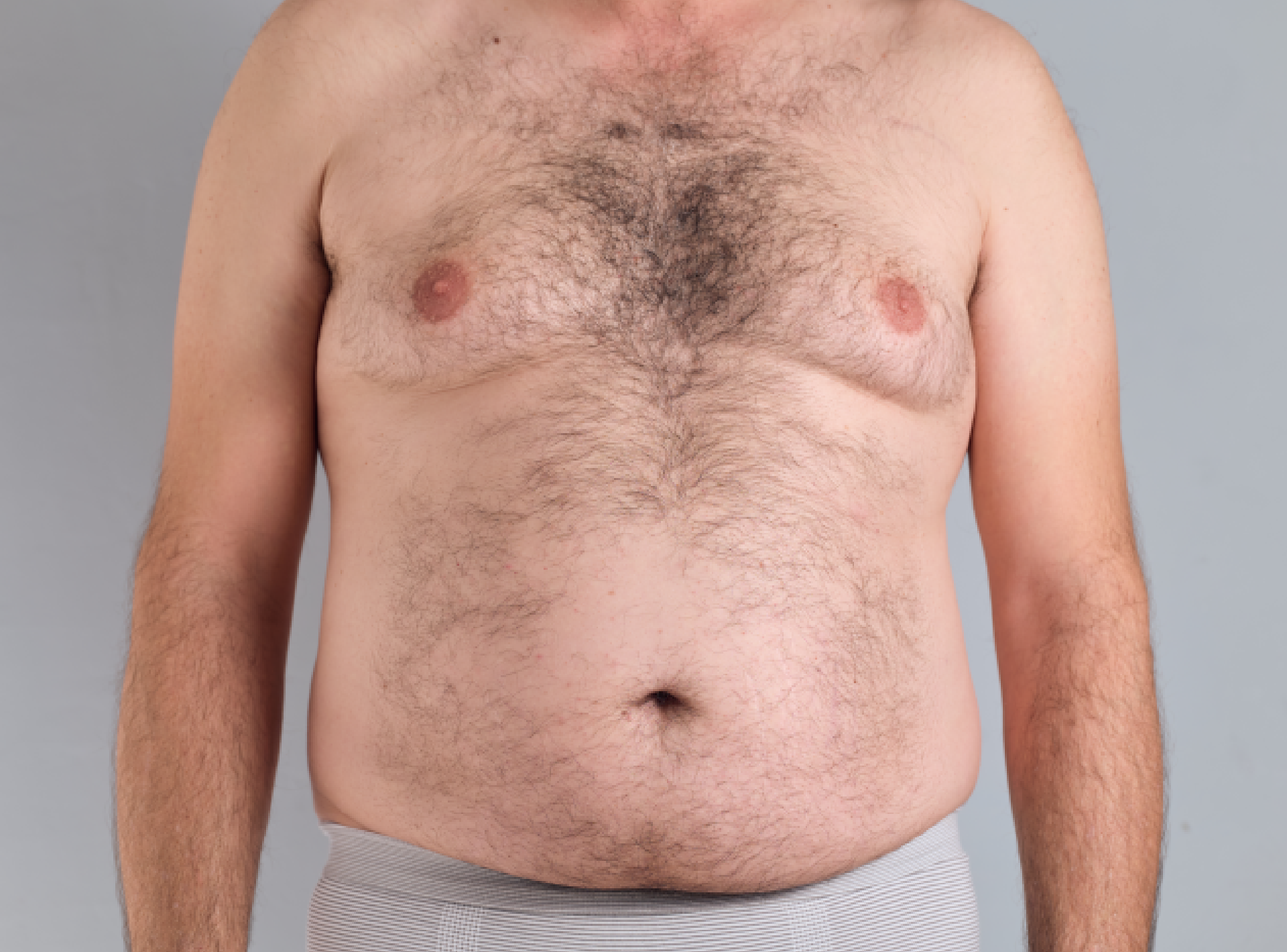
One of the most important things you can do for your treatment is to ask the right questions before you go ahead with gynecomastia surgery. Gynecomastia surgery is a well-known way to get rid of extra male breast tissue. However, like any surgery, it is important to carefully consider, fully understand, and make an informed decision. Patients who are thinking about getting gynecomastia surgery in Dubai are encouraged to talk openly about their worries, hopes, and medical history during their consultation. This will help make sure that the surgery is right for them, safe, and works.
A structured conversation with your plastic surgeon can help you understand how the surgery will work and whether it is the best option for you. This guide lists the most important questions you should ask to fully understand gynecomastia surgery, how it works, and what the results will be.
Gynecomastia Surgery In Dubai
Gynecomastia surgery in Dubai is a specialized cosmetic procedure designed to reduce enlarged male breasts and create a flatter, firmer, and more masculine chest. The surgery typically involves removing excess fat and glandular tissue through liposuction, excision, or a combination of both techniques, depending on the severity of the condition and the patient’s anatomy. It can also address excess skin in cases of significant enlargement. Beyond improving physical appearance, gynecomastia surgery can relieve discomfort, improve posture, enhance clothing fit, and boost self-confidence. Customized for each patient, the procedure provides natural-looking, long-lasting results when paired with proper post-operative care and a healthy lifestyle.
Is My Chest Enlargement Truly Gynecomastia?
One of the first and most important things to find out is whether your problem is real gynecomastia or something else. Gynecomastia is when the glandular breast tissue gets bigger, but some men only have a full chest because they have too much fat, which is sometimes called pseudogynecomastia.
Knowing exactly what your condition is will help you decide if you need surgery and what kind of treatment will work best. A thorough clinical assessment may encompass a physical examination and, in certain instances, imaging or blood tests to ascertain hormonal etiologies.
What Is the Underlying Cause of My Gynecomastia?
Hormonal imbalances, medications, weight changes, changes that happen during puberty, or underlying medical conditions can all cause gynecomastia. Asking about the cause helps make sure that any other factors that might have caused the problem are taken care of during surgery.
In some cases, treating the root cause first may stop breast enlargement or keep it from coming back after surgery. This question also helps make it clear if lifestyle changes or medical care should go along with surgery.
Am I a Good Candidate for Gynecomastia Surgery?
Not everyone who has chest enlargement is a good candidate for surgery. You should ask if your age, health, skin quality, and the makeup of your breast tissue make you a good candidate for the procedure.
A good candidate usually has stable breast enlargement that hasn’t gotten better with non-surgical methods, is generally healthy, and has realistic expectations. This talk helps you decide if surgery is the best option or if watching and waiting or other treatments might be better.
What Surgical Technique Will Be Used in My Case?
There is no one-size-fits-all way to do gynecomastia surgery. The surgery may involve liposuction, glandular tissue excision, or both, depending on the type and amount of tissue involved.
Knowing what kind of surgery will be done helps you figure out how invasive it will be, where the cuts will be made, and how the chest will be reshaped. This question also explains why a certain method is best for your situation.
Where Will the Incisions Be Placed?
Patients who are having gynecomastia surgery often worry about where the incisions will be. Asking where the incisions will be made can help you understand how they might scar and how visible they might be over time.
To make the incisions less noticeable, they are often made around the areola or in natural folds of the chest. If you know this ahead of time, you can realistically get ready for the healing and scar-maturation process.
What Kind of Results Can I Expect?
You should ask yourself what results are realistic for your body type and health. Individual results may vary, but gynecomastia surgery can make the chest much flatter and change its shape.
This conversation should cover how much the chest will flatten, what kind of symmetry you can expect, and how the chest will look when you are still and when you are moving. Knowing what to expect helps you avoid disappointment and be happy with the end result.
In addition, it is important to understand that final results develop gradually as swelling subsides and the tissues fully heal. While improvements are visible early, the chest continues to refine over several months. Factors such as skin elasticity, adherence to post-operative instructions, and maintaining a stable weight play a significant role in long-term outcomes. Wearing compression garments as advised, following activity restrictions, and adopting a healthy lifestyle can enhance results. Open communication with your surgeon ensures clarity, builds confidence, and helps align expectations with achievable, natural-looking outcomes that support long-term satisfaction.
BOOK AN APPOINTMENT TODAY
How Long Is the Recovery Period?
The length of time it takes to recover depends on how much surgery was done. Asking about recovery can help you plan your time off work, any restrictions on physical activity, and follow-up visits.
You should ask when you can go back to doing your normal daily activities, working out, and lifting heavy things. Knowing what to expect during the recovery process can also help ease anxiety.
Will I Need to Wear a Compression Garment?
After gynecomastia surgery, doctors often suggest wearing compression clothing to help with healing and reduce swelling. Find out if you need to wear a garment, how long you need to wear it, and what kind is best.
This information helps you get ready ahead of time and fully understand how wearing a compression garment can play a critical role in your recovery after gynecomastia surgery. Compression garments are designed to reduce swelling, support proper circulation, and help your chest tissues settle into their new shape more smoothly. Knowing what type of garment to use, how long to wear it each day, and the correct way to put it on ensures you maximize the benefits of compression. Preparing in advance also helps you plan your daily activities, manage discomfort, and maintain confidence during recovery. Following your surgeon’s instructions carefully will improve healing, minimize complications, enhance chest contour, and help you achieve the best possible long-term results.
How Is Pain Managed After Surgery?
Most of the time, pain after surgery is manageable, but everyone has a different level of pain tolerance. When you ask about pain management, you can find out how much pain to expect and how it will be handled.
This conversation may include the use of prescribed pain medications, anti-inflammatory drugs, and guidance on rest and activity modifications. Your surgeon may also recommend wearing compression garments, applying cold compresses, and avoiding strenuous activities to reduce discomfort. Following these instructions carefully helps ensure a smoother, more comfortable recovery process.
Will There Be Follow-Up Appointments?
After surgery for gynecomastia, follow-up care is very important. Find out how many follow-up visits you need and what they will be like.
These visits help keep an eye on the healing process, deal with problems early, and make sure the best long-term results.
How Do I Prepare for Gynecomastia Surgery?
Preparing for surgery is just as important as healing afterward. Ask about any medications you shouldn’t take, smoking rules, fasting requirements, and tests you need to take before surgery.
Getting ready properly lowers risks and makes sure the surgery goes smoothly.
What Should I Do If I Have Concerns After Surgery?
Lastly, ask how to get in touch with the clinic if you have any questions or unexpected symptoms while you recover. Knowing when and how to get help can help you feel better during the healing process.
Before gynecomastia surgery, you should ask detailed, thoughtful questions so you can make smart choices and feel good about your treatment. During your consultation, clear communication makes sure that your expectations are reasonable, you understand the risks, and the results match your goals. A well-informed consultation is the first step for people in Dubai who are thinking about gynecomastia surgery. It will help ensure safe treatment, a faster recovery, and long-term satisfaction with the results.
MEET THE EXPERT DOCTOR
Best Plastic Surgeon In Dubai For Gynecomastia Surgery
Best Plastic Surgeon in Dubai for Gynecomastia Surgery provides advanced, personalized treatment focused on achieving a flatter, firmer, and more masculine chest with natural-looking, long-lasting results. Dr. Perfect Celebrity, a renowned and highly experienced surgeon, performs gynecomastia surgery using precise liposuction and excision techniques tailored to each patient’s anatomy and goals. He begins with a detailed consultation to evaluate chest structure, skin quality, and underlying tissue, ensuring a customized surgical plan. During the procedure, excess fat and glandular tissue are carefully removed through discreet incisions to minimize scarring and enhance chest contour. For patients with loose skin or enlarged areolas, additional reshaping techniques may be applied. With meticulous attention to detail, patient safety, and comprehensive post-operative care, Dr. Perfect Celebrity helps patients achieve balanced, natural-looking results that restore confidence and improve overall body aesthetics.