





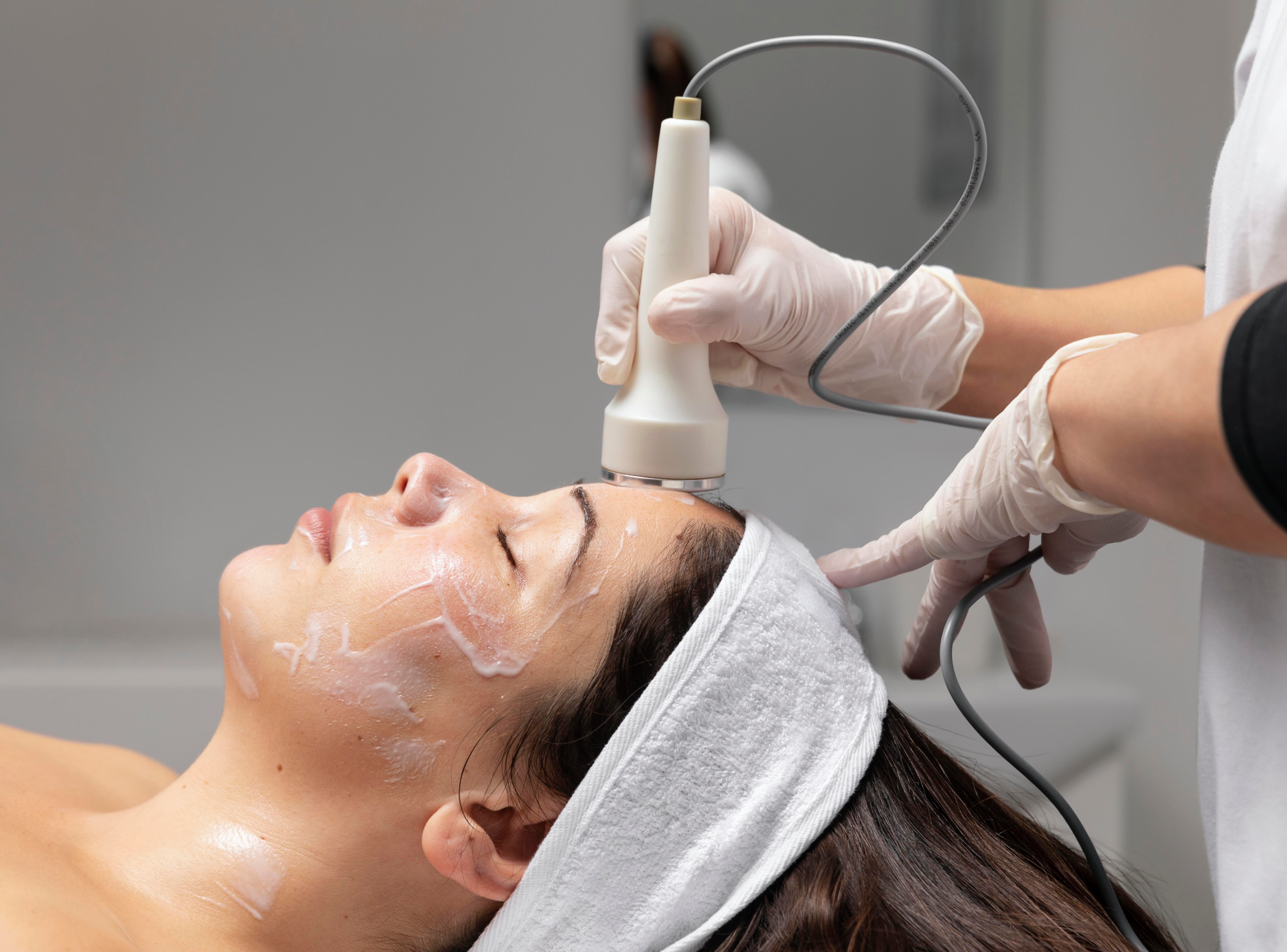
Recovery time following radiofrequency procedures is usually quick, and the majority of patients are able to resume normal activities in just a few days. Less damage to the tissue means faster healing than open surgery would.
You might have a little discomfort or temporary soreness at the treatment site. These symptoms usually go away in a short time and don’t need strong medicine.
Postoperative care includes avoiding heavy lifting and being alert for possible complications. Doctors usually recommend easing back into physical activity for the best chance of healing properly.
Long-term results demonstrate marked pain relief and improved function. Radiofrequency procedures have a low rate of complications and long-lasting benefits.
Radiofrequency Treatment In Dubai
Radiofrequency Treatment in Dubai typically results in a smooth and quick recovery. Most patients experience mild redness, warmth, or swelling immediately following the procedure, similar to a mild sunburn, which typically resolves within a few hours to a few days. Because it is a non-invasive treatment, there is little downtime, and patients can resume normal activities almost immediately. Some may experience temporary skin sensitivity or tightness as collagen production begins. Proper aftercare, which includes hydration, sun protection, and gentle skincare, improves results and speeds up recovery. As collagen remodeling continues, the skin gradually becomes firmer, smoother, and more youthful, resulting in natural and long-term improvements.
How Long Does The Recovery Process Usually Take After Radiofrequency Ablation?
RFA is an effective method that is used in the treatment of different medical conditions. The recovery period depends on the type of disorder being treated and the patient’s individual health characteristics. The recovery time for cervical or lumbar facet joint RFA for chronic pain management is generally very quick. These neck and lower back pain procedures generally allow patients to return to their normal activities the same day. But you might not notice the full therapeutic effects for three or four weeks.
In the oncological setting, the recovery time after ablation of liver and lung tumours may be longer. This process can take from one to several weeks, depending on the patient’s general health and the type of tumors being treated. Patients often report some local discomfort and fatigue following treatment.
Endovenous radiofrequency ablation for varicose veins treatment usually allows for a fast recovery. The patient can return to normal life within a few days, but mild tenderness or bruising at the site of treatment may last for one or two weeks.
What Post-Treatment Care Is Important For Optimal Recovery?
Proper care steps should be taken after radiofrequency applications in order to keep the health of the skin and the efficacy of the treatment. After the procedure the treated area may be sensitive and strenuous sports should be avoided for about 2 month.
The first stage is a gentle skin cleansing after varicose veins RF. Avoid hot water, prefer lukewarm water and non-irritating cleansers to avoid irritation. It is suggested to use a non-comedogenic moisturizer to help support the skin’s natural barrier.
Avoid retinoids or products with acids for the first week after the procedure as this can cause irritation. Sun protection is also important. Apply a broad-spectrum sunscreen of at least SPF 40 to the treated area. This helps avoid hyperpigmentation and aids the healing process. For full sun protection, protective clothing and a hat are recommended.
Remember to stay hydrated and eat a healthy diet during the recovery period. Foods rich in vitamins C and E, in particular, speed up skin regeneration. Also, physical activities should be done with caution, avoiding intense activities in the first days after the procedure.
Any unusual reactions in the treated area should be closely observed and a health professional should be consulted in case of signs of infection. Following up with the specialist as directed and following personalized instructions will help the recovery process be a success.
Are There Any Restrictions On Physical Activity Or Movement After The Procedure?
Physical activity should be carefully planned to help the recovery process after RFA. The restrictions of movements and exercises to be applied depend on the condition treated and on the health characteristics of the individual. It is recommended that the patient rest for a while after the procedure and be under medical observation to detect any complications immediately after the procedure.
Do not engage in heavy physical activity for the first two days. Limit activity to low impact exercises such as walking. During this time, do not do any activity that pressures the treated area or interferes with the healing process.
Avoid heavy exercise, weight lifting or high impact sports for 2 month. It’s a time when the body is still healing naturally and too much pressure can cause complications.
If the recovery process goes as expected, more intensive activities can be gradually tried with the doctor’s approval, between three to five weeks. However, if pain, swelling or discomfort occurs, activity should be reduced and a health care professional consulted.
Most patients can resume normal physical activities in five weeks. However, it is important to listen to the body and then re-evaluate activity levels in the presence of any unusual symptoms. Always consult a healthcare professional before starting an exercise program and follow a program suitable for your individual health condition.
What Common Side Effects Are Experienced During The Recovery Period?
The side effects observed during the recovery time following radiofrequency ablation are typically mild and transient. One of the most frequent complaints made by patients is a burning sensation or mild pain in the area treated. This condition is often described as a sunburn feeling and resolves over a few days to several weeks. There may also be mild swelling or bruising at the needle entry points. These effects usually resolve themselves and no treatment is necessary.
Some patients may complain of numbness or tingling around the treated area. These sensations are usually related to nerve healing and will lessen over time. It is also common to experience fatigue or weakness after the procedure, which generally improves within a few days.
Simple management strategies can be used to cope with these side effects. If a doctor agrees, you can use painkillers to relieve pain. Applying a cold compress to the treated area will help reduce swelling and pain. Physical activity should be limited for the first few days and rest should be stressed. Also, adequate fluid intake and a healthy diet can help speed the recovery process.
However, a health care provider should be contacted immediately if increased redness, severe pain or signs of infection such as fever are seen or side effects last longer than expected. That way you can move forward in a healthy and smooth way in your recovery process.
When Should You Contact Your Healthcare Provider During The Recovery Period?
Most patients can return to normal activities shortly after radiofrequency ablation. Yet, there are some symptoms that are worth paying close attention to in the recovery period. Mild discomfort in the treated area is normal but severe or increasing pain may be an indication of a complication. It is important to catch early signs of conditions such as nerve damage or infection. Also, if signs of infection in the treated area, such as redness, swelling, increased warmth, or discharge are present, or if you have systemic symptoms like fever or chills, seek medical attention right away.
Other complications to be aware of include bleeding and hematoma. Bleeding that is particularly unusual or large bruising may indicate damage to blood vessels. Cardiac symptoms such as palpitations, irregular heartbeat, shortness of breath or chest pain can be signs of recurrent arrhythmia or other heart problems. If you have severe pain or trouble breathing, contact the health care team right away.
Neurological symptoms are less frequent but require prompt treatment. Sudden headache, loss of vision, difficulty speaking or weakness on one side of the body should be immediately evaluated. Shortness of breath or swelling in the legs may be a sign of heart problems or deep vein thrombosis. In these cases, it is necessary to seek medical help without delay to ensure a healthy recovery.
BOOK AN APPOINTMENT TODAY
Your First 24 Hours Of Radiofrequency Treatment Recovery
Mild redness, warmth, or swelling, similar to a light sunburn, may occur within 24 hours of radiofrequency treatment. The skin may feel tight and sensitive. Most patients can resume normal activities right away, but gentle skincare, hydration, and avoiding heat exposure are advised.
Stages Of Healing After Radiofrequency Treatment
Healing after radiofrequency treatment is gradual. The initial redness and sensitivity subside within a few days. Over the next few weeks, collagen production increases, improving skin firmness and texture. Results improve over time, with smoother, tighter, and more youthful-looking skin becoming more visible with each passing week.
Swelling, Bruising, And Scarring After Radiofrequency Treatment
Swelling and redness are common after radiofrequency treatment, but they are usually mild and resolve within a few days. Bruising is uncommon and minimal when it occurs. Scarring is extremely rare due to the procedure’s non-invasive nature, making it a safe option for skin tightening with low risk.
Radiofrequency Treatment Recovery Tips For Better And Faster Results
After radiofrequency skin tightening treatment, keep your skin hydrated and apply gentle skincare products. Apply sunscreen on a regular basis to protect the treated areas. For the next few days, avoid heat, strenuous exercise, and harsh treatments. Follow professional advice to promote faster healing and improve skin tightening results.
Radiofrequency Treatment Recovery Dos And Donts
Follow the aftercare instructions, keep your skin clean, and stay hydrated after radiofrequency skin tightening treatment. Use sunscreen and gentle products. To ensure a safe and smooth recovery, avoid excessive heat exposure, heavy exercise, and the use of harsh chemicals or treatments immediately following the procedure.
Radiofrequency Treatment Reviews
You can see the reviews of Dr. Perfect Celebrity on Google Maps.
MEET THE EXPERT DOCTOR
Best Aesthetic Clinic In Dubai For Radiofrequency Treatment
Best Aesthetic Clinic in Dubai for radiofrequency treatment is Perfect Doctors Clinic, where Dr. Perfect Celebrity offers advanced, patient-centered care. Recovery from radiofrequency procedures is usually quick and comfortable. Most patients may experience mild redness, warmth, or swelling immediately following treatment, similar to a mild sunburn, which usually resolves within a few hours to a couple of days. Because it is a non-invasive procedure, there is little downtime, allowing patients to resume their normal activities almost immediately. Temporary tightness or sensitivity may occur as collagen production is stimulated beneath the skin. Proper aftercare, which includes hydration, sun protection, and gentle skincare, promotes optimal healing and improves long-term skin tightening and rejuvenation results.