





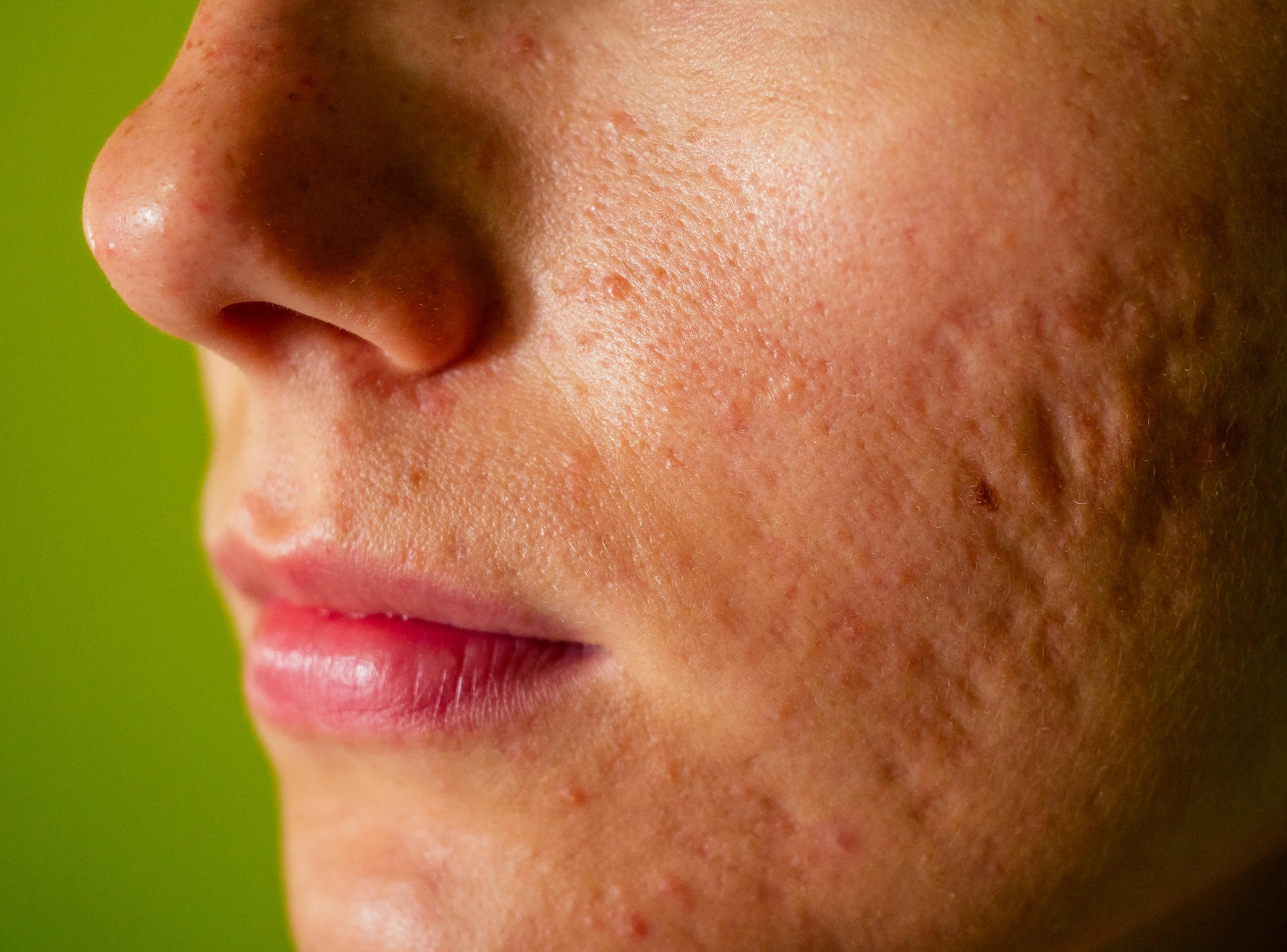
Acne is not just a teenage problem; it is not unusual for people to have to deal with it well into adult years. Acne eats away at your skin cells. When you work to repair these skin cells, your skin doesn’t always look the same as it did. When your acne heals, deep depressions or scar tissue can be left behind. Read more on how to prevent acne scars.
Even for those lucky enough to experience a dramatic reduction in acne related symptoms over time, acne scarring may remain, giving the skin an uneven appearance.
Acne Scars Treatment In Dubai
Acne Scars Treatment in Dubai provides innovative solutions to improve the look of moderate to severe acne caused scars. Acne scars are the result of inflammation damaging the deeper layers of the skin, leaving permanent marks and an uneven texture. We now have laser resurfacing, microneedling, chemical peels, radiofrequency, dermal fillers that stimulate collagen production and promote healthy skin regeneration. The right treatment depends on the type and severity of the scars. With a customized treatment plan and proper skin care, patients can experience improving skin texture, smoother skin, and a more even complexion over time.
Acne Treatment In Dubai
Acne Treatment in Dubai is aimed at controlling active breakouts and preventing future scarring. Acne can be caused by excess oil production, blocked pores, hormonal changes, bacteria, and inflammation. It is essential to seek treatment early because untreated acne is more prone to permanent scars. Treatment includes medical grade skincare, chemical peels, laser therapy, oral or topical medications and light based treatments depending upon the skin condition of the patient. A tailored approach helps to reduce inflammation, manage breakouts and improve the overall skin health. Effective acne management clears the skin and reduces the chances of long-term scarring.
BOOK AN APPOINTMENT TODAY
What Are Acne Scars?
Acne scarring is the direct result of deep injury to the skin caused by acne. Picking and other external factors traumatize even small acne lesions, leading to scarring. Acne scarring can be found on the face or body and appears as pitted or raised areas of skin. Not to be confused with post acne erythema (redness) or hyperpigmentation (brown spots) which are flat, temporary changes related to inflammation that tend to resolve over time, acne scarring changes the overall texture of the skin and does not always improve with time.
Acne scars are the body’s natural response to heal itself. Dead skin cells clog pores, and they can gradually fill with excess oil and become a breeding ground for bacteria. These pores (or follicles) can become blocked and cause an acne lesion (i.e. whiteheads or blackheads). When these lesions rupture, the material that escapes into the skin is irritating and causes inflammation, which appears as redness, tenderness and sometimes a thick white fluid that can be expressed from the acne lesion. The skin will then naturally produce new collagen fibers to repair this problem. Excess collagen production in the skin causes raised acne scars, while insufficient collagen production causes pitted acne scars.
What Causes Acne Scars?
Acne develops when your pores get blocked with oil, dead skin cells, or other impurities, and your body reacts with inflammation. Acne that is close to the surface of skin often heals with little damage to skin. Often, acne that reaches into the deeper layers of skin will leave scars.
Acne scars are a result of an imperfect healing process. The body attempts to heal itself, and makes new skin cells. If the body makes too much it makes a raised scar If the body produces too few skin cells, a dent remains.
What Type of Acne Typically Causes Scarring?
There are many different types of acne, and some are more prone to scarring than others. Whiteheads and blackheads seldom cause scarring. Such as inflammatory acne like acne cysts or nodules. This type of acne affects the deeper layers of the skin, and is the most likely to produce long term scarring.
Common Types of Acne Scars
Keloid scars: A keloid scar is a raised scar that forms when your acne heals with an overactive response. Builds up too much collagen and skin tissue and leaves a ridge or bump. Keloid scars may be tender to the touch or itchy. Keloid scars generally develop on the back, shoulders or jawline.
Atrophic Scars: Atrophic scars are depressions in the skin caused by producing too little skin tissue during the healing response. There are several types of atrophic or depressed scars:
- Ice Pick Scars are triangular shaped chisels in the skin. Common scars are often found in areas with thin skin such as the forehead or upper cheeks.
- Boxcar Scars are deep indentations with sharp defined edges. Boxcar scars are common on the lower cheek and jawline.
- Rolling Scars are typically found on the thicker skin areas of the body, such as the cheeks. These acne scars have sloping edges and make skin appear wavy or uneven.
If you are prone to acne scars, you will probably have a combination of several types of scars. It is rare to see a person with only one type.
Why Do I Have Acne Scars?
You’re not alone if you have acne scars. 21% of the 81% of people under the age of 31 with acne will scar. Whether or not you fall into this category depends on a number of factors, many of which are unavoidable:
Genetics: Some people scar more easily than others. Not just from acne, but from all kinds of skin damage. If there is a family history of scarring or acne scarring, you may want to concentrate on acne prevention.
Gender: Acne affects men and women equally but scarring is more common in men. Two other reasons acne scarring happens is that men have more of the androgen hormones, which make acne worse and last longer.
Acne Severity: The deeper and more inflamed your acne is, the more likely it is to scar.
Acne Persistence: The more often you break out, the more likely you are to get scars.
Puberty: Hormone changes make teenagers more susceptible to acne. The more acne and the more often you get breakouts, the more likely you are to get scars.
Sun Exposure: Sun exposure might not cause new scars, but it may potentially make existing scars more visible. The scars get darker faster than your skin around it. And sometimes it stays that way.
Lack of Treatment: The longer you wait to treat your acne, the more likely you will scar. If you find that standard face washing or non-prescription drugs aren’t working, you should see a dermatologist.
Picking and Touching: Picking at acne causes trauma to the skin that is more likely to cause scarring and prolong the healing process. Some people don’t even know they’re picking their skin.
Acne Scarring vs Hyperpigmentation
Acne can also cause hyperpigmentation, but this change in color is not a true scar. Hyperpigmentation are the dark spots that remain when broken blood vessels don’t heal perfectly.
Hyperpigmentation is often caused by popping pimples, which leaves a wound that alters the texture and color of the skin. Even if you don’t pop your acne, you can still be left with dark brown or red spots, though in these instances the hyperpigmentation is more likely to fade within a few months.
How to Prevent Acne Scars
The first step in treating acne scars is to prevent acne. If you have acne, it’s important how and when you treat it.
Minimizing Excess Oil
Acne is caused by excess oil, dead skin cells, bacteria and other environmental impurities getting trapped in your pores. Here are some things to do to keep this pile-up down:
- Keep your hands and face as clean as you can
- Choose a face wash that’s designed for oily skin.
- Opt for moisturizers that are oil-free or noncomedogenic.
- Use a mild exfoliant once weekly.
Early Acne Treatment
Since scarring is more likely with severe acne, it’s best to treat your breakouts early on. Before it gets worse, try the following to help reduce inflammation from acne:
- Do the daily wash and weekly exfoliation as advised above
- Look for products with acne-fighting ingredients like benzoyl peroxide or salicylic acid.
- Apply spot-treatments as needed at the first sign of a breakout.
Never Pop Your Pimples!
And lastly, if you have a really bad breakout just be patient. Nobody likes to wait out a pimple, but it is the best way to avoid scarring.Two Ways Picking, Squeezing or Popping at Acne Increases Your Risk of Scarring:
- Bacteria and impurities drove deeper into the pore
- additional trauma to the surrounding skin cells
Think Future Face! When you want to pop your pimples. Acne is a pain but it is temporary whereas scars are permanent. Contact your dermatologist for information on how to prevent or treat acne and prevent future scarring.
How Can I Treat My Acne Scars?
The scars of acne can affect the self-esteem, confidence and quality of life in general. The best first step is to treat active acne lesions to prevent scarring in the future. But if you are left with scarring, there are many effective treatments to improve skin texture and reduce acne scarring.
Effective treatments to consider: This depends on the type and severity of the scar:
- Chemical Peels: An acid based solution is applied topically to the whole face or just in areas of pitted scarring to remove the outer layer of skin and stimulate collagen repair. Several sessions are needed to achieve the best results. Chemical peels are a series of peels that can improve skin discoloration and make skin look smoother and less scarred.
- Dermal Fillers: Hyaluronic acid (a natural sugar molecule that absorbs water and works like a moisturizer) such as Belotero, Juvederm or Restylane can be injected into depressions in the skin from acne scarring to help smooth out the skin’s texture. Temporary dermal fillers usually need multiple sessions for optimal scar repair. Learn more about acne scar fillers
- Laser Resurfacing: A fractional laser delivers pixelated columns of laser heat in a controlled and predictable way to either heat the skin (Fraxel Re:Store) or remove the skin (Fraxel Re:Pair or Active/Deep FX) to accomplish scar remodeling. The amount of downtime and the treatment that is recommended with these lasers varies. You should get an expert to help you decide which laser is best suited to your needs and lifestyle.
You may want to consult with a board-certified cosmetic dermatologist to help you decide how to tailor these options to your acne scarring.
MEET THE EXPERT DOCTOR
Best Aesthetic Clinic In Dubai For Acne Scars Treatment
Best Aesthetic Clinic in Dubai for Acne Scars Treatment is Perfect Doctors Clinic, where you get safe and visible skin improvement. Dr. Perfect Celebrity will evaluate the type of acne scars, skin condition, and individual goals before developing a customized treatment plan. Perfect Doctors Clinic employs state-of-the-art technologies like fractional lasers, microneedling with radiofrequency, and collagen-inducing treatments to enhance skin texture and reduce the visibility of scars. They also offer professional aftercare advice to assist healing and optimize results. With the help of expert care and modern techniques, patients can look forward to smoother, healthier-looking skin and long-lasting improvements to their complexion.