





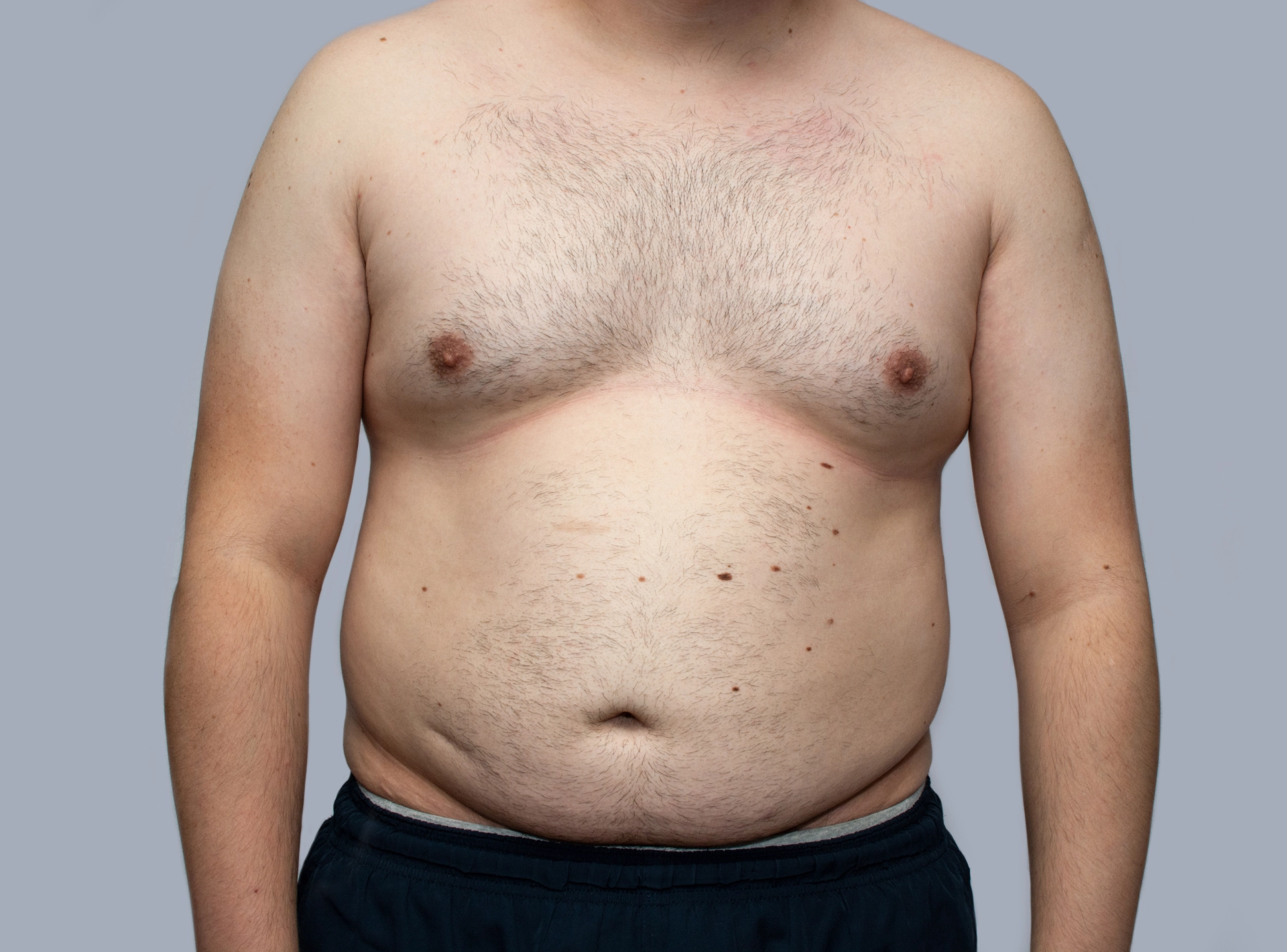
Gynecomastia surgery is a very effective way to reduce enlarged male breast tissue and improve the shape of the chest. Many people opt for the procedure because it can boost confidence and make physical activity and clothing choices easier. But it’s important to be aware of the possible risks and complications so that you can make informed decisions and be prepared. Knowing what to expect can help you take steps to lower your risk of problems and help you recover more comfortably.
Gynecomastia Surgery In Dubai
Gynecomastia Surgery in Dubai is a popular procedure that treats enlarged male breast tissue and results in a flatter, more masculine chest. While it is generally safe and effective, it does carry some risks and common complications, just like any other surgical procedure. These can include temporary swelling, bruising, pain, infection, scarring, or numbness in the chest. In rare cases, some patients may develop uneven chest contours or fluid buildup. However, these risks are usually minor and temporary. Choosing an experienced surgeon, following proper aftercare instructions, and attending follow-up visits significantly reduce complications and contribute to a smooth recovery and positive outcomes.
Understanding Gyno Surgery
Gyno surgery (male breast reduction) involves the removal of excess fat, glandular tissue or both. Sometimes the surgeon just uses liposuction, and sometimes a small incision is made to remove the firm breast tissue. Many people do very well but there is no surgery without risk. Knowing them will put you in a better position to decide if the procedure is right for you and to discuss strategies for prevention with your surgical team.
The Risk Of Deep Vein Thrombosis
One possible complication is deep vein thrombosis, which is a blood clot that forms in a deep vein, usually of the leg. It’s not common, but it’s taken very seriously as clots can travel and lead to serious health problems. Your surgical team will have suggestions for how to prevent this, such as compression devices or getting up and moving around soon after your surgery. Other ways to help are to stay hydrated, follow pre-operative instructions and avoid certain medications that increase the risk of clotting. Be sure to inform your surgeon if you have a personal or family history of clotting disorders.
Protecting The Deeper Structures
In gynecomastia surgery, accidental injury to deeper structures such as nerves or blood vessels is another concern. Surgeons are trained to stay away from these areas but any procedure which involves cutting or suction carries some degree of risk Complications are uncommon, but talking through technique, incision size and expected recovery with your surgeon gives you an idea of how they work to preserve delicate tissues.
Risk Of Damage To Deeper Structures
Swelling, transient numbness or alteration in sensation may be present if there has been slight injury to deeper structures. This often improves with time as the body heals. Problems are rare, especially if the procedure is performed by an experienced professional, and are usually mild or temporary. One of the best ways to minimize this risk is to select the right surgeon.
BOOK AN APPOINTMENT TODAY
Understanding Fat Necrosis
Fat necrosis, which is seen more often in other cosmetic procedures, can happen after male breast reduction if small areas of fat don’t get enough blood. This could lead to firm spots or uneven texture in the chest. Most take a long time to heal because the body has to reabsorb the tissue that’s affected, but it’s good to know about it. Taking good care of yourself after surgery—wearing compression garments and avoiding strenuous activity too soon, for example—can help decrease the chances of fat necrosis.
Choosing An Experienced Plastic Surgeon
One of the best protections against complications is selecting a qualified cosmetic surgeon like Dr. Perfect Celebrity. They’ve had extensive training, testing and ongoing education, so they are better equipped to minimize surgical risks and manage unexpected issues safely.” They also provide a better idea of whether you’re a good candidate for the procedure.
A surgeon with the right credentials will clearly discuss the risks, tailor surgical plans to your anatomy, and walk you through realistic expectations for your results. Feel free to ask about their experience with gynecomastia surgery, complication rates, or before-and-after photos.
Managing Contour Irregularities
Another possible complication is contour irregularities, where the surface of the chest appears uneven, dented or lumpy after surgery. This could be due to uneven removal of fat or glandular tissue, swelling, or scar tissue. Minor irregularities often smooth out during the healing process, but others may need further treatment or revision surgery.
You’ll be told to wear compression garments, limit your activity and come to follow-up appointments to help prevent problems with your shape. If you see an early sign of something not quite right, tell your surgeon immediately – sometimes a small change in treatment or a simple fix can resolve a problem before it gets worse.
Risks Related To Blood Clots
As with any surgical procedure, there are the more general risks of blood clots, other than deep vein thrombosis. Your surgeon might advise you to stop some medications or supplements before your operation, walk carefully and regularly after the procedure and avoid long periods of inactivity. Generally low risk is younger, healthier patients however it is important to know and follow preventative measures.
Complications Specific to Gynecomastia Surgery
Gynecomastia surgery has many of the same risks as other cosmetic procedures, but it does have some unique concerns. The glandular tissue should be excised accurately so that depressions are not created or too much tissue excised. Some patients may experience temporary chest tightness, changes in sensation, or slight asymmetry during early healing. These often improve as time goes on but it is important to have open communication with your healthcare team.
The Role Of Your Healthcare Provider
A health care provider can help you understand your personal risks and guide you through the process. They’ll review your medical history, order imaging if needed and customize the surgical approach to your body. This partnership will help ensure that your expectations are realistic and the surgical plan is as safe as possible.
Allergic Reactions And Other Medical Risks
Some people may have an allergic reaction to the anesthesia, surgical tape, medications or topical products used during or after the surgery. Reactions are uncommon but may be mild or more serious and may need immediate medical attention. Make sure to tell your healthcare team if you have any known allergies, sensitivities or reactions to previous treatments.
Other medical risks include infection, delayed healing, fluid collection (seroma) or change in sensation of the nipple. Most of these are treatable if diagnosed early. That’s why it’s important to show up for your scheduled follow-ups and keep a close eye on your recovery.
How To Reduce Your Risk Before And After Surgery
Taking precautions can greatly lower your risk of complications. Down-to-earth ways to protect your health are as follows:
Before surgery:
- Tell your surgeon all about your medical past.
- If you smoke or vape, stop, because nicotine slows healing.
- Don’t take any over-the-counter medications and supplements that increase bleeding without your surgeon’s approval.
- Follow all instructions given before the surgery regarding not eating or drinking, skin preparation, and medications.
After surgery:
- Use compression garments if needed.
- Avoid strenuous activity until your surgeon says it’s okay to start again.
- Keep all follow-up appointments.
- Report any unusual swelling, fever, firmness or pain.
- Drink plenty of water and keep moving to assist circulation.
They help to make the recovery as smooth as possible, reduce complications and increase the chance of a good cosmetic result.
Advantages Of Gynecomastia Surgery You Should Know
Gynecomastia surgery removes excess fat and gland tissue, resulting in a flatter chest, improved body shape and comfort, and long-lasting, natural masculine results.
MEET THE EXPERT DOCTOR
Why Gynecomastia Surgery Is The Best Solution
Gynecomastia surgery is the most effective treatment for enlarged male breasts when diet and exercise fail, providing safe, precise, and predictable surgical results.
How Gynecomastia Surgery Restores Confidence And Appearance
It restores a masculine chest, reduces embarrassment, and boosts self-confidence, allowing men to feel more comfortable in clothing and social situations while also improving their overall appearance.
When To Contact A Professional
If you notice sudden swelling, difficulty breathing, fever, severe discomfort, or unexpected changes in sensation, contact your surgeon or another qualified healthcare professional right away. The best way to avoid more serious problems is often to get in early.
Best Plastic Surgeon In Dubai For Gynecomastia Surgery
Best Plastic Surgeon in Dubai for gynecomastia surgery is available at the Perfect Doctors Clinic, where Dr. Perfect Celebrity and his skilled team offer advanced and safe male breast reduction treatments. Gynecomastia surgery is generally safe, but as with any surgical procedure, there may be some risks and complications. Swelling, bruising, pain, temporary numbness, infection, scarring, and a slight asymmetry in chest shape are all common risks. In rare cases, fluid accumulation or changes in nipple sensitivity may develop. However, these complications are usually minor and temporary, and can be avoided with proper surgical technique, close monitoring, and adhering to post-operative care instructions.
Final Thoughts On Gynecomastia Surgery Risks
Male breast reduction surgery is an elective procedure that reduces excess breast and fatty tissue that helps reshape the male chest. While surgical removal of enlarged breasts can greatly improve the quality of life for most patients, it is important to understand the risks before having surgery. Possible complications may affect breast or nipple sensation, the surgical site, and even surrounding skin. Severe cases can result in temporary or permanent damage to nerves, blood vessels, muscles and other deeper structures near the chest wall. Your board-certified plastic surgeon will take great care to minimize these risks and protect delicate tissues during the procedure.
You will also need to provide a full medical history, which should include any use of blood thinners or herbal supplements, anti-inflammatory medications or topical preparations that could influence the results of surgery. Stopping smoking well in advance is important because nicotine greatly interferes with healing and increases the risk of serious complications, such as loss of nipple skin, excessive bleeding and fluid accumulation. Your surgeon will also discuss whether local anesthesia is a good choice for you or whether general anesthesia is better. Your surgeon will also discuss the possible use of surgical drainage tubes to prevent fluid accumulation. Being honest about your health and following all pre-operative instructions will help to ensure a smoother recovery process and will reduce the chance of irregular shape, chest pain or prolonged recovery.
It’s important to listen closely to what your body is telling you during the healing process. It is normal to have some pain, swelling, and changes in how your nipples or breasts feel during the healing process. But there are some symptoms that need medical attention right away. If you notice signs of complications of the surgery such as severe pain in the chest, too much fluid at the site of surgery or abnormal changes in the surrounding skin and/or excess skin, contact your surgeon. Your surgeon may have used injected agents or surgical drainage to control swelling. Care instructions should be followed closely. Most patients do well with healing when they attend all follow-up appointments and do not do anything strenuous too soon after surgery.
Ultimately, the decision to undergo plastic surgery to remove excess tissue should be made after weighing the potential benefits against the risks. Issues such as damage to blood vessels, nerves, muscles and fat tissue or inverted nipples and asymmetry can occur but are far less likely if you select an experienced, board certified plastic surgeon. At your consultation appointment, discuss all the surgical options available, ask questions about their experience with male breast reduction surgery and make sure you understand what to expect during recovery. With the right preparation, realistic expectations and commitment to post-operative care, you can aim for the best results and minimize the chances of serious complications or a lengthy recovery. When done carefully and by the right surgical team, this procedure can be a life changing investment in your physical and emotional well-being.