





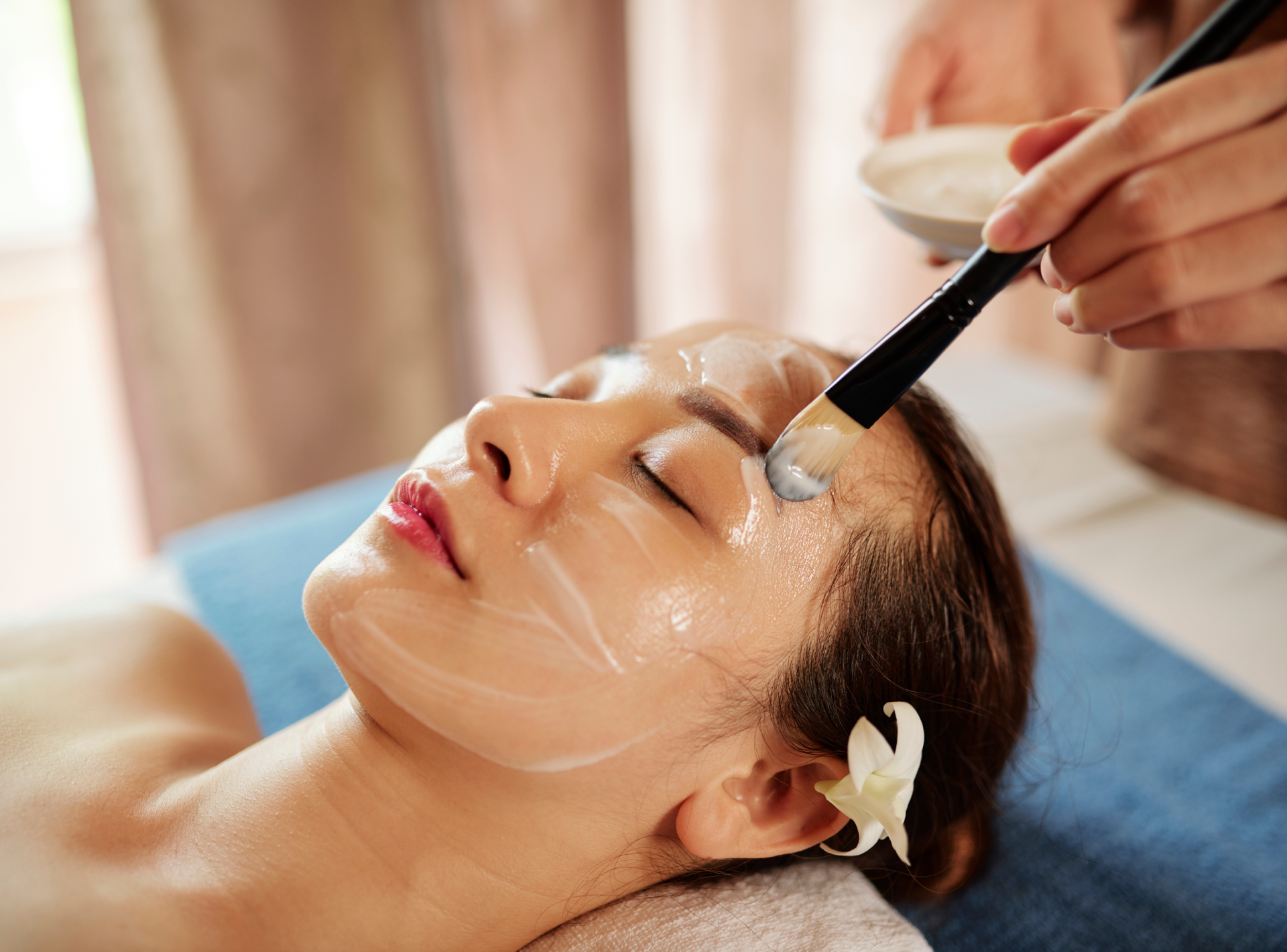
Chemical peels are a great way to refresh and rejuvenate skin. However, with so many different peels on the market and everyone from salons to board-certified dermatologists offering peels, it can be challenging to choose the right peel for your individual needs. You need to understand how the formulation and strength of a chemical peel will impact your skin before you decide on one.
Chemical Peels In Dubai
Chemical Peels in Dubai are available in different formulations and strengths, allowing treatment to be tailored to various skin concerns and skin types. The main differences between chemical peels are the ingredients, their concentration, and how deeply they penetrate the skin. The mildest option is superficial peels, which affect only the skin’s outermost layer. They may contain glycolic acid, lactic acid, or salicylic acid, which can help with dullness, mild pigmentation, uneven texture, and certain types of acne. Medium-depth peels penetrate deeper and can be used to treat more visible sun damage, pigmentation, fine lines, and uneven skin tone. Trichloroacetic acid, or TCA, can be used for medium-depth resurfacing if deemed appropriate by a qualified professional. Deep chemical peels penetrate the skin more deeply and are typically reserved for serious concerns due to more visible peeling and a longer recovery time. Different acids provide different benefits. Glycolic acid can exfoliate and improve skin texture, whereas salicylic acid is commonly used for oily or acne-prone skin. Lactic acid exfoliates and may be appropriate for those seeking a gentler option. TCA can provide more effective resurfacing depending on its concentration and application. The strongest peel is not always the best option, as choosing the wrong treatment can increase the risk of irritation or unwanted pigmentation. Before deciding on the best peel for you, a professional should consider your skin type, skin tone, sensitivity, existing skin conditions, medical history, and current skincare routine. Depending on the depth and formulation used, the treatment may cause temporary redness, dryness, sensitivity, irritation, or peeling. Patients should adhere to their provider’s aftercare instructions and wear appropriate sun protection while their skin heals. When done by a trained professional, chemical peels in Dubai can help improve the appearance of uneven texture, pigmentation, acne, and dull skin. The best treatment depends on your specific needs, and a personalized consultation can help you determine the best chemical peel for smoother, brighter, and more even-looking skin.
Chemical Peel Basics
Chemical peels are formulations applied to the skin that renew its surface by creating a uniform and controlled shedding of skin cells. This allows new layers to be exposed, giving the skin a fresh look and a smoother surface.
A chemical peel can improve sun damage, acne scarring, blotchy pigmentation, fine lines and early pre-cancerous skin lesions. A peel can also help acne-prone skin and clogged pores.
The type of peel, its strength and the duration of the treatment determine how much skin is removed and how deep the peel penetrates. The pH level is the most important factor in determining the strength of a peel and how deep it will go. A good rule of thumb is that any peel with a PH level of less than 3.5 should be carried out by a qualified medical professional. Nonmedical providers such as a beauty salon can do peels with a PH level of 4 or higher because they tend to have a more minimal effect on the skin.
Chemical peels are generally categorized as light, medium and deep, depending on the percentage of active ingredients and the PH level.
Superficial (Light) Peel
- Reactivates the skin lightly
- Will leave skin a little smoother with less skin blemishes
The least aggressive form of chemical peel is superficial peel. These peels are usually composed of alpha hydroxy or beta hydroxy acids known as AHAs and BHAs and may also contain glycolic acid, lactic acid and salicylic acid. A new trend in superficial peels is the use of fruit enzymes from pineapples, cranberries and other acidic fruits. Superficial peels remove the epidermis (the top layer of skin), providing a slight improvement to the skin. This kind of peel is perfect for those who have very few signs of aging, sun damage and acne scarring. But many people do see marked improvement in their skin after a series of peels over time.
Superficial peels are completely painless, and most patients feel only a slight tingling sensation. There is also very little recovery time involved with these peels and the superficial peels are sometimes called “lunchtime peels,” as many women go back to work after treatment with no noticeable differences. You might end up a little red, but that can be easily covered with makeup.
BOOK AN APPOINTMENT TODAY
Medium Depth Peels
- Improves moderate wrinkles, lines and sun damage
- Skin will be much smoother, even toned, moderate lines and blemishes removed.
Medium peels are deeper than light peels. This type of peel sometimes uses trichloroacetic acid (TCA) to penetrate the skin and strip away layers below the epidermis. These medium peels can treat moderate pigmentation, wrinkles and sun damage.
Most patients who have medium peels have mild to moderate discomfort, usually a mild stinging or burning sensation. This discomfort usually subsides within 35 minutes to an hour after treatment. Medium peels result in more skin peeling and therefore the face can be swollen, pink and itchy after treatment. Full recovery is about one week from treatment overall.
Vitalize Peel is one of our most popular medium-depth peels.
Deep Peels
- It smooths deep lines and wrinkles and moderate to severe sun damage and hyperpigmentation.
- Provides dramatically smoother, younger-looking skin.
Deep peels are the most aggressive type of chemical peel and can deliver fantastic results for sun damage, scarring and deep lines and wrinkles. Their main ingredient is often carbolic acid (phenol) or high-strength TCA, which both go down to the deep layers of the dermis.
Deep peels are somewhat painful due to their strength and full healing may take months. Deep peels are very swollen and red. It will usually itch as the skin heals. Eventually the skin scabs and heals up completely, leaving a new layer.
Perfect 10 Peel (Superficial Peel)
The Perfect 10 Peel contains a synergistic combination of ingredients that visibly reduces the signs of aging. The first layer exfoliates and peels the skin gently using a combination of alpha and beta hydroxyl acids. A trans-retinal (retinoic acid) complex is then applied to boost the effectiveness of this powerful peel treatment.
Renewal Peel (Superficial Peel)
Our specially formulated renewal peel stimulates and exfoliates the skin using alpha hydroxy acids and highly purified natural compounds. This treatment refines the skin while reducing facial blemishes, acne, wrinkles, uneven pigmentation, and pore size. It can also be used to repair sun damage.
MEET THE EXPERT DOCTOR
PRX T-33 (Superficial Peel)
This is the newest peel on the market. It is also quite new in Dubai, where it was developed. It combines the chemical used in medium-depth peeling with a peel-preventing agent!! Following the peel, the skin is precisely massaged to deliver and hydrate. The postoperative skin treatment comes with a package of four peels. This peel is ideal for events and those on the go before an event because it does not cause your skin to peel!
VI Peel (Medium Depth)
The VI peel from the Vitality Institute in Dubai contains weak phenol (carbolic acid), weak trichloracetic acid, weak retin A, salicylic acid, and ascorbic acid (vitamin C). This deep peel contains a synergistic blend of powerful ingredients that work together to reverse the signs of aging and sun damage, as well as to treat wrinkles, scaly skin, and liver spots.
Best Aesthetic Clinic In Dubai For Chemical Peels
Best Aesthetic Clinic in Dubai for chemical peels is Perfect Doctors Clinic, where Dr. Perfect Celebrity can recommend the right peel for your skin type, concerns, and aesthetic goals. Chemical peels differ primarily in their ingredients, strength, depth of penetration, and the skin concerns they are intended to treat. The mildest option is superficial peels, which work primarily on the skin’s outermost layer. They may contain ingredients like glycolic acid, lactic acid, or salicylic acid, which can help with mild acne, uneven texture, dullness, and minor pigmentation. Medium-depth peels go deeper into the skin and are commonly used to treat more visible pigmentation, sun damage, fine lines, and uneven skin tone. Trichloroacetic acid, also known as TCA, can be used for medium-depth treatment depending on the patient’s requirements. Deep chemical peels penetrate even deeper and are typically reserved for more serious skin concerns because they require a longer recovery time and should only be performed by qualified professionals. Another significant distinction is the specific active ingredient used. Glycolic acid can help exfoliate and improve texture, whereas salicylic acid is frequently used for oily or acne-prone skin. Lactic acid is generally regarded as a gentler option, and it may be appropriate for some people with sensitive or dry skin. When clinically indicated, TCA peels can provide more effective resurfacing. The choice of peel should not be based solely on strength, as stronger treatment is not always better. Before recommending a formulation and concentration, your provider should take into account your skin tone, sensitivity, medical history, current skincare products, and the condition being treated. Depending on the type and depth of the peel, patients may experience temporary redness, peeling, dryness, sensitivity, or irritation following treatment. Proper aftercare, such as sun protection and adhering to professional skincare instructions, is essential for promoting recovery. At Perfect Doctors Clinic, an individualized assessment can help determine which chemical peel is the most appropriate and safest way to achieve smoother, brighter, and more even skin.