





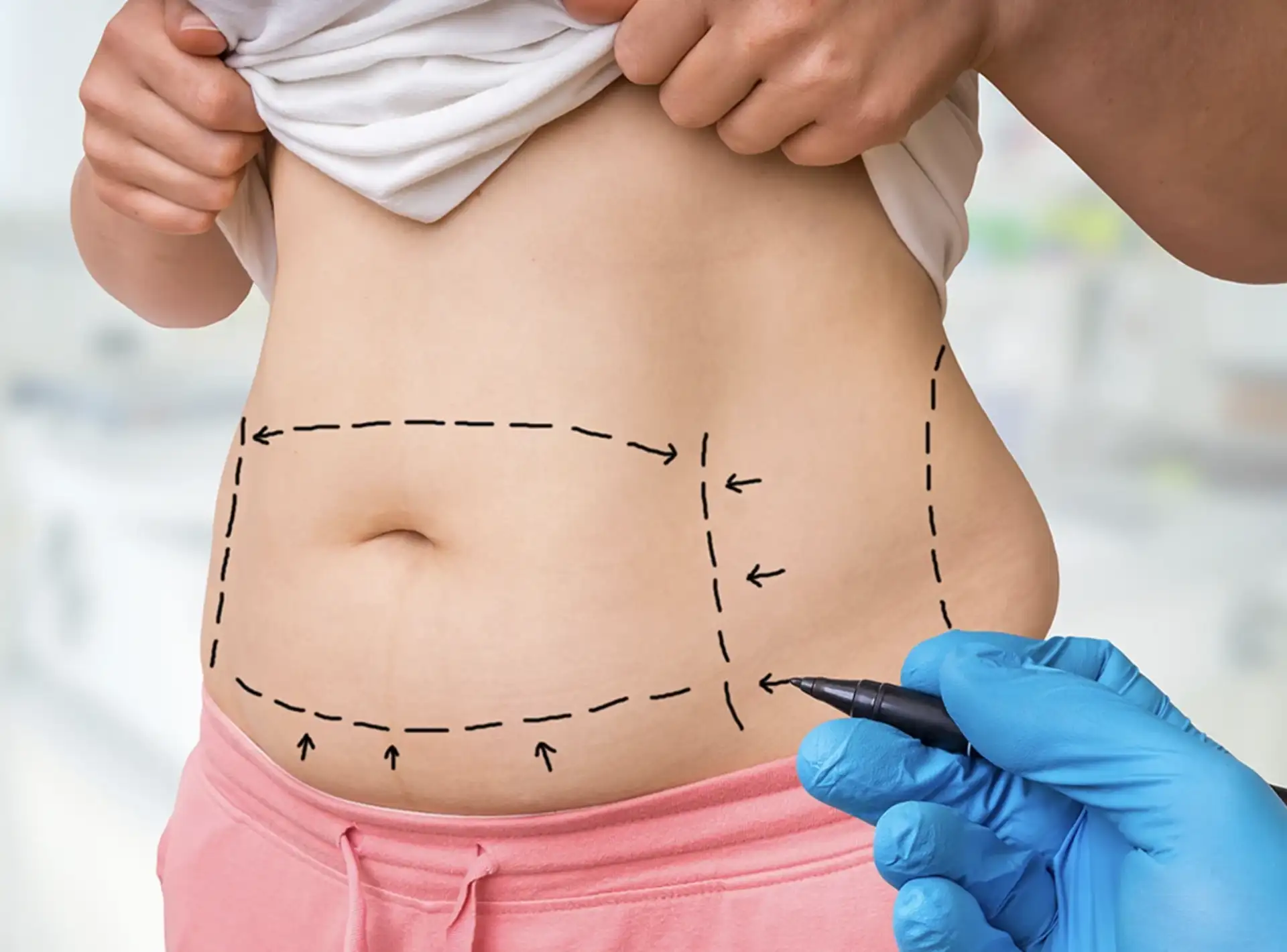
A form of plastic surgery called liposuction reduces the size and contours of the treated areas by removing extra fat cells. Liposuction patients may occasionally experience side effects that momentarily have the opposite effect, since the goal of the procedure is to reduce the appearance of body fat. A variety of factors, such as the healing process, the individual’s body, or potential complications, frequently result in an upper abdominal bulge after lipo.
We will describe the expected side effects of liposuction, what should be done with medical intervention, and how patients can file a claim for liposuction compensation if they think their surgeon was negligent in the guide that follows.
Liposuction In Dubai
Liposuction in Dubai is one of the popular procedures. To help patients achieve a smoother and more proportionate physique, this body contouring procedure targets stubborn fat deposits that are resistant to diet and exercise. Perfect Doctors Clinic frequently combines modern methods like tumescent liposuction, Vaser, and laser-assisted liposuction to improve accuracy and reduce recovery time. To ensure safe and effective fat removal, patients can expect thorough pre-surgery meetings where their unique body shape and treatment goals are discussed.
Lipoabdominoplasty In Dubai
The goal of Dubai’s cutting-edge lipoabdominoplasty in Dubai is to treat stubborn upper abdominal bulges that don’t go away even after liposuction. The midsection is made flatter, firmer, and more contoured by this procedure, which combines precise fat removal with muscle repair and tightening of the abdominal skin. Lipoabdominoplasty provides a complete solution that improves overall body proportions and the natural waistline, making it the perfect choice for patients with excess skin or stubborn fat deposits. Dr. Perfect Celebrity carry out the procedure to guarantee safe, efficient, and aesthetically beautiful results.
Understanding The Liposuction Procedure
A cosmetic surgery technique called liposuction is used to eliminate subcutaneous fat from specific body parts. It can be done alone or in conjunction with other procedures, like a tummy tuck, and is frequently selected by patients who want to reshape areas like the arms, legs, abdomen, or flanks.
The area being treated and the amount of fat to be removed will determine which of the various liposuction techniques is used. Larger amounts of fat may occasionally be extracted using a vacuum suction machine. A surgeon may employ a syringe to manually remove fat more precisely in delicate areas or when only a small amount is being removed.
Depending on the extent of the treatment, the patient will receive either a local or general anesthetic prior to the procedure starting. The surgeon will make tiny skin incisions after the patient is asleep or the area has been numbed. To break up and remove subcutaneous fat from beneath the skin, a thin, hollow tool known as a cannula—or a smaller syringe for finer work—is then inserted through these openings.
What Are The Risks And Effects Of Abdominal Liposuction Surgery?
As a surgical procedure that modifies the body’s natural structure, liposuction has both common and uncommon side effects to be mindful of. While not every patient experiences complications, the results differ based on the patient’s health, the targeted area, and the surgeon’s technique.
Below, you will find two lists that separate the more anticipated effects from the less frequent ones, which could have more detrimental effects.
Common Side Effects After Liposuction
These side effects are usually temporary and tend to resolve over time with appropriate care:
- Bruising and swelling: Usually, these appear in the treated area and go away over a few weeks. Wearing compression clothing can reduce this swelling while the wound heals.
- Skin irregularities: As the body adapts to the fat removal, there may be mild wrinkles, lumpiness, or an uneven texture for a while.
- Fluid buildup (seroma): If necessary, a syringe can be used to drain any pockets of extra fluid that may form beneath the skin.
- Mild pain or discomfort: This is typical during the initial stages of recovery and typically gets better when pain is reduced.
- Temporary numbness: Sensation loss in the treated area is possible, but it usually goes away with time.
- Skin laxity issues: excess skin, sagging skin, and loose, lax skin.
Less Common Or More Serious Side Effects
These side effects are uncommon, but they can be more serious and necessitate medical care:
- Long-term numbness or nerve damage: In certain situations, nerve irritation may last past the initial period of recovery.
- Contour deformities: Poor skin retraction or uneven fat removal can lead to asymmetrical or irregular results.
- Infection: Even though they are rare, infections can be dangerous and may require surgical drainage or antibiotics.
- Fat embolism: a dangerous illness that requires immediate medical attention when fat circulates into the bloodstream and obstructs blood vessels.
- Internal organ injury: While rare, excessive cannula insertion can harm internal structures.
- Complications linked to anesthesia: In severe cases, these can become life-threatening and impact the heart, kidneys, or lungs.
Get in touch with your doctor right away if your symptoms worsen, if you feel that your healing is not proceeding as it should, or if you are in excruciating pain.
BOOK AN APPOINTMENT TODAY
Why Is My Stomach Still Big After Liposuction?
Postoperative swelling is one of the most frequent causes of the stomach appearing enlarged after liposuction. Following liposuction, bloating is a common reaction as the body starts to heal and repair the damaged area. The tissues retain fluid in the weeks after the procedure, which can give the stomach a bloated or puffy appearance. Another explanation could be that only specific regions received treatment, so nearby untreated fat deposits may still impart the appearance of greater fullness. The outcome may occasionally be impacted by post-procedure weight gain, dietary, or lifestyle changes. Massages with lymphatic drainage may help reduce some of the bloat by transferring extra fluid through the body.
Why Is My Stomach Hard After Lipo?
The firmness of the stomach after liposuction often depends on how the tissues react to the fat removal procedure. During the healing process, the body naturally produces internal scar tissue, which may cause the skin beneath it to feel tight or rigid. The early stages of fibrosis, where too much internal scar tissue builds up, or fluid buildup called seroma, might also be why your stomach feels firm. This problem should eventually go away, but if the hardness persists, a doctor may need to examine it to rule out other problems.
Why Is My Stomach Not Flat After Lipo?
Although liposuction removes localized fat, it has no effect on muscle tone or skin elasticity. The stomach won’t appear flat if the skin doesn’t contract properly after the fat is removed, giving the appearance of being loose or uneven. Underlying muscle separation or bulging, especially common after pregnancy, can also impact the shape of the abdomen in certain cases. This dilemma is one of the reasons why some patients decide to have liposuction and an Upper Abdominal procedure, which targets muscle and skin tightening in addition to subcutaneous fat removal.
Does Liposuction Help To Lose Weight?
The goal of liposuction is not to reduce body weight in general. Its primary goal is to reduce subcutaneous fat in particular places to reshape the body and impart it a more balanced look.
People who want to target specific areas of their body where fat is more resistant to lifestyle changes, like the thighs, abdomen, buttocks, or upper arms, may choose liposuction, even though dieting and regular exercise are more effective for reducing body weight overall. Instead of lowering total body weight, it is usually used to enhance body contours.
MEET THE EXPERT DOCTOR
What Is My Surgeon’s Duty Of Care?
It is legally required of a cosmetic surgeon to treat you safely and competently throughout the entire process. This duty of care entails particular obligations prior to, during, and following the procedure:
- Before surgery: Determine if you are a good candidate for the operation. Describe all possible dangers and difficulties. Have reasonable expectations for the result, taking into account the possibility of scarring. Talk about any suitable substitutes for surgery.
- During surgery: Use recognized procedures and methods to carry out the process. Throughout, practice excellent hygiene and safety. Prevent needless harm to nearby tissues or structures.
- After surgery: Track your recuperation and evaluate the healing of your wounds. Look for any indications of problems, such as necrosis, implant shifting, or infection. If complications arise, offer or recommend additional treatment.
Your surgeon may have violated their duty of care if they didn’t fulfill any of these responsibilities, and you suffered unanticipated consequences or side effects as a result. Such an incident could result in a negligence claim.
What Can I Do If Something Has Gone Wrong?
You should seek medical help right away if you experience any strange symptoms while you’re recovering, such as ongoing pain, sudden changes in your appearance, infection symptoms, or any other symptoms that worry you. Early medical intervention may support your overall recovery and prevent additional complications.
You might be able to file a claim for damages if you think your cosmetic surgeon violated their duty of care and you were harmed as a result. Our legal team at Perfect Doctors Clinic specializes in cases involving negligence in cosmetic surgery. We have a great deal of experience helping clients navigate this challenging process.
As soon as you contact us, we will:
- Give a professional evaluation of your case after paying close attention to your circumstances.
- To help you prepare, describe your options and the steps involved in the claims process.
- We will offer guidance on the types of evidence, such as witness statements, photos, and medical records, that will support your claim.
- Manage all correspondence with the participating surgeon or clinic, any insurance companies, and other parties.
- Represent you in court if necessary and throughout the entire legal process.
When a cosmetic procedure doesn’t go as planned, we know how upsetting that can be. Our friendly staff will handle your claim on your behalf, making it as simple and easy to handle as possible so you can concentrate on the future.
Best Plastic Surgeon In Dubai For Liposuction
Best Plastic Surgeon In Dubai for liposuction is Dr. Perfect Celebrity at Perfect Doctors Clinic, which focuses on customized liposuction procedures that emphasize safety, aesthetic balance, and results that look natural. A skilled surgeon guarantees minimal scarring and smooth body contours in addition to removing the targeted fat. To achieve the best results, pre- and post-operative care is essential. This includes managing scars and keeping an eye out for any potential complications, like uneven bulges.