





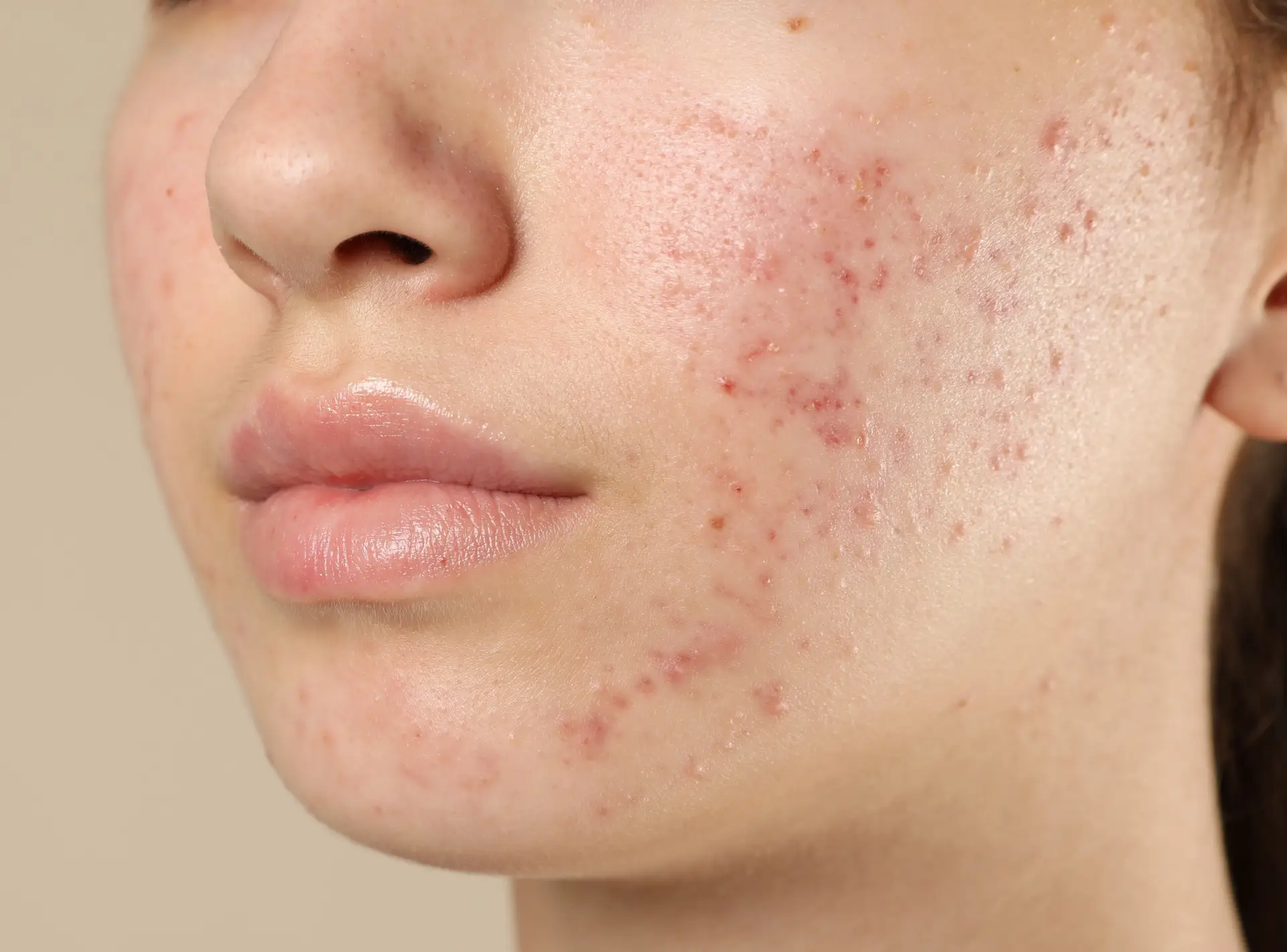
Acne breakouts can happen anywhere on your skin. The face, neck, shoulders, back and chest are most commonly affected. Pores are tiny openings in your skin that can get clogged with dirt, oil, bacteria and dead skin cells. Sometimes you have a pimple, or a zit, or a blemish. If you get pimples a lot, especially if you get lots of them at the same time, you may have acne. In other words the skin disease which causes spots is acne. Acne is either inflammatory or noninflammatory. These categories include subtypes such as papules, pustules, cysts, whiteheads and blackheads. The type you have will decide how you will be treated and what acne treatment you can receive.
Acne Treatment In Dubai
Acne Treatment In Dubai offers a full spectrum of advanced treatments to manage different types of acne and enhance overall skin health. There are many different types of acne including whiteheads, blackheads, papules, pustules, nodules and cystic acne. These vary in severity and the best possible result is obtained when each type is treated in an individualized manner. Professional skincare, chemical peels and topical treatments can often successfully treat mild acne, while moderate to severe acne may require more advanced procedures such as laser therapy, light-based treatments, microneedling or prescription medications. Knowing the type of acne and what is causing it is an important step in finding the best treatment. A full consultation enables skincare specialists to evaluate the state of the skin, factor in elements such as hormones, lifestyle, prior treatments and suggest the most effective solution. The goal of treatment is to reduce active breakouts as well as to reduce inflammation and prevent future acne and the risk of permanent scarring. With consistent treatment and proper skin care, patients can look forward to clearer, healthier skin over time. Acne treatments in Dubai today are safe and personalized, catering to each person’s skin needs to promote improvement over time and help boost confidence.
What Is Acne?
Acne is a disease of the oil (sebaceous) glands and hair follicles. Sebum is an oil produced by sebaceous glands that helps keep skin moisturized. Blotches and cysts may be caused by congested glands. There’s a lot of acne. Acne can happen to anyone at any age or race. But it is puberty that usually causes acne. Both boys and girls experience an increase in the male sex hormones, or androgens, at puberty. This causes the sebaceous glands to overproduce oil. Normally the sebum which is produced is transported to the skin through the hair follicles. But the follicles can become blocked with skin cells. This can clog the sebum. The bacteria that live on the skin start to multiply in blocked follicles. Then comes the pimples and the inflammation.
Types Of Acne
All acne is not always referred to as “breakouts,” although sometimes all types of acne are. Acne does not always spread throughout the skin. What are the different types of acne?
1. Noninflammatory
Noninflammatory acne comes in two varieties: blackheads and whiteheads. Such cases do not usually develop edema. They also respond very well to over the counter (OTC) medicines. Salicylic acid is commonly sold as a general-purpose treatment for acne. But it usually works best for noninflammatory acne. It naturally exfoliates dead skin cells which can cause blackheads and whiteheads. You can find it in moisturizers, toners and cleansers.
- Black heads
Dead skin cells and sebum can clog up the pores and cause blackheads. Inside the pore is sealed but the top of the pore is open. This gives the surface its characteristic black colour.
- White heads
Sebum and dead skin cells can also block a pore and create whiteheads. But the top of the pore closes, unlike blackheads. It looks like a little bump on the skin. Whiteheads are harder to treat because the pores are already closed. Benefits of using products containing salicylic acid include: Topical retinoids are effective for acne. If they don’t work then you can get stronger topical retinoids by prescription from your dermatologist.
BOOK AN APPOINTMENT TODAY
2. Inflammatory
Inflammatory acne is red and puffy looking acne. Bacteria can also block pores, but the main culprits in inflammatory acne are sebum and dead skin cells. Bacterial infections can take place well beneath the surface of the skin. This can lead to unpleasant acne lesions that are hard to get rid of. Preparations containing benzoyl peroxide can reduce inflammation and kill germs on the skin. These can also help to get rid of excess oily skin. You’ll probably also get benzoyl peroxide and an oral or topical antibiotic for your inflammatory acne. Another important part of treatment of inflammatory pustules and papules are topical retinoids.
- Papules
When your pores get extremely inflamed, their outer walls degrade and you get a pimple. This causes the pores to become sensitive to touch and hard and congested. Usually the skin around these pores is pink.
- Pustules
Pimples can also happen when the walls around your pores fall apart. Pustules are filled with pus, whereas papules are not. These are skin releasing pimples that are usually red in color. Their heads are often yellow or white.
- Nodules
Nodules form when swollen, clogged pores keep swelling and become more irritated. Nodules go deeper into the skin than pustules and papules. Usually, you cannot treat nodules at home because they are located deep within the skin. Prescription medication is needed to help clear them up. It can treat and prevent nodules by shrinking the size of the oil glands in the pores.
- Cysts
Bacteria, sebum and dead skin cells can build up and clog pores, which can lead to cysts. The clogs are deeper than nodules and located deeper in the skin. These large red or white pimples are very painful to touch. Cysts are the most serious type of acne. They are usually caused by a serious disease. This type of acne also is the most likely to leave scars.
Acne Treatment
If you’ve used over-the-counter (nonprescription) acne products for several weeks without improvement, talk to your doctor about prescription-strength medications. Your dermatologist can help you:
- Treat your pimples.
- No injury or scars to the skin.
- Minimize the appearance of scars.
Acne medications either treat bacterial infections or decrease oil production and swelling. Some prescription acne medications may take four to eight weeks to work after you start taking them. It could take several months or even years for your acne to completely clear up. There are a few acne scar treatment options in Dubai, and you can choose from a variety of options to choose the treatment that suits you best.
Your doctor will suggest a course of therapy based on your age, type and severity of acne, and level of commitment. Clean the affected area twice daily and apply medication for several weeks. Oral medications are often used in conjunction with topical treatments. Pregnant women have less treatment options because of the risk of adverse effects.
Laser Treatment for Acne Scars
Laser acne scar treatment is used to improve the appearance of acne scars. 96% of people who have had acne still have some residual scars. Laser Therapy: Laser therapy uses light to break down the top layer of the scar. It also helps to encourage the growth of new, healthy skin cells to cover the damaged area.
Treatments for acne scars aren’t always completely effective, but this treatment can reduce their appearance and relieve their discomfort. If you have dark skin, active acne, or severe wrinkles, this treatment may not be appropriate for you. Laser acne scar therapy is not for everyone. Only a reputable dermatologist can determine if it is for you.
MEET THE EXPERT DOCTOR
Best Aesthetic Clinic In Dubai For Acne Treatment
Best Aesthetic Clinic in Dubai for Acne Treatment is a vital step to get clear, healthy, and blemish-free skin. Experienced aesthetic practitioners understand that acne affects each person differently and requires an individualised treatment plan based on skin type, acne severity and the presence of acne scars or pigmentation. A good clinic starts with a detailed skin assessment, to find out the underlying causes of acne, before recommending the most appropriate treatment options. The Perfect Doctors Clinic will combine state-of-the-art technologies with medical-grade skincare solutions like chemical peels, laser treatments, light therapy, microneedling and tailored skincare programs. These treatments collectively help to reduce active acne, control overproduction of oil, improve the skin’s texture and prevent future breakouts. Patients are also educated on how to create an effective home skincare routine to ensure long-term benefits. For the Perfect Doctors Clinic, patient safety is the number one concern, so they invest in modern equipment, comply with strict hygiene rules, and offer ongoing follow-up to monitor progress. Treatment plans can be adapted over time in response to the skin’s response in order to obtain the best results. A Perfect Doctors Clinic with qualified professionals can provide successful treatment for different types of acne and improve the skin tone, texture and overall complexion of the skin for healthy skin and increased self-confidence.
Final Words:
In conclusion, a thorough knowledge of the different types of acne and treatment options is a must for anyone dealing with the challenges of this common skin problem. Acne can be inflammatory and severe, such as cystic acne, or the more stubborn blackheads and whiteheads, and knowing what kind you have is key to providing yourself the right care.
The spectrum of treatment options, from over the counter to prescription drugs and expert interventions, highlights the importance of a personalized approach. However, tailoring a skincare routine to suit one’s requirements and consulting a dermatologist can significantly increase the chances of treating acne successfully.