





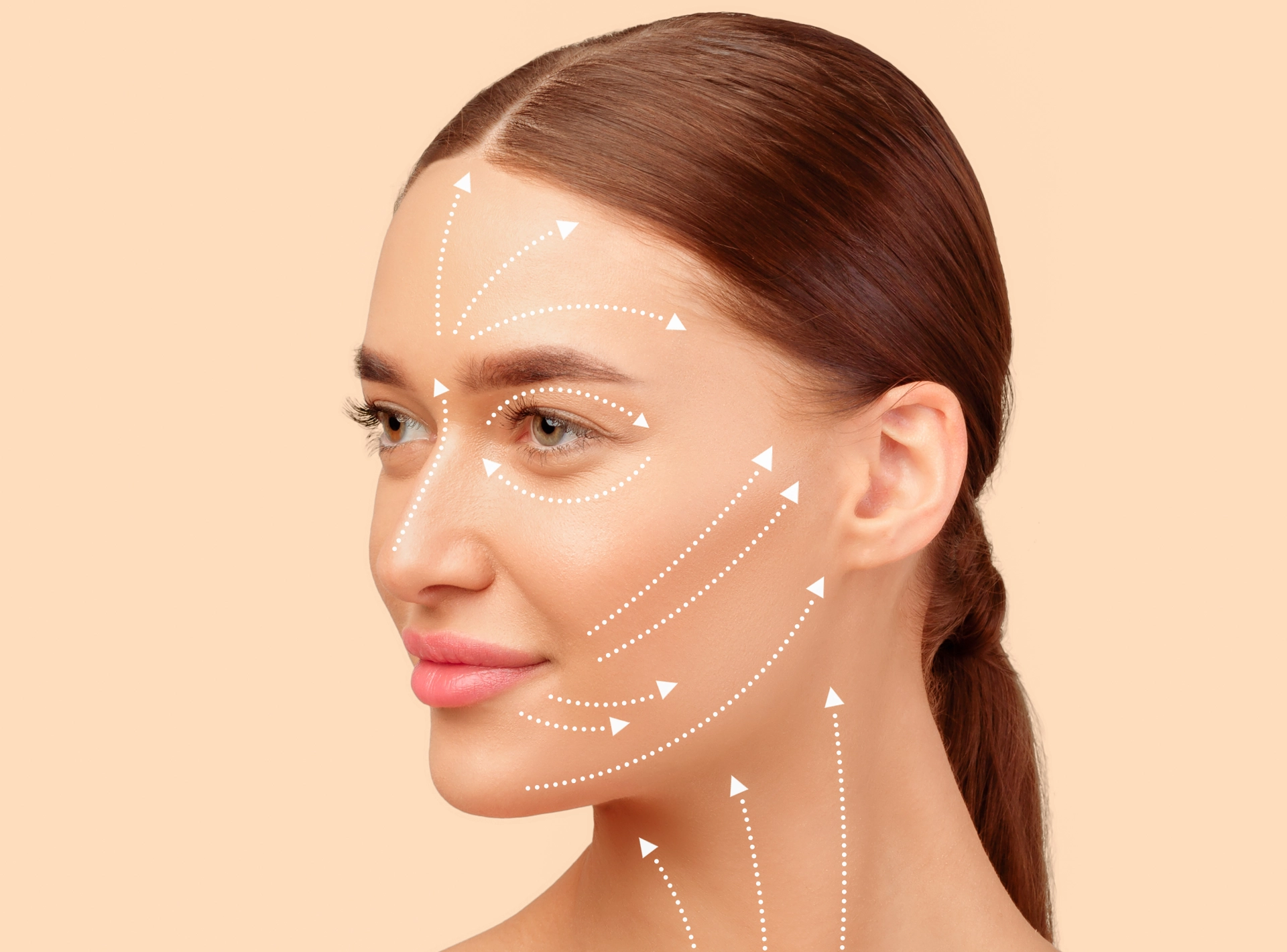
Humans have always been fascinated by the ability to turn back the clock and regain once-youthful dermal features. A technique that has been gaining popularity in certain the last few years recently: The thread lift — a non-surgical procedure designed to lift and tighten the skin. As with any cosmetic procedure, it is important to be aware of the risks and challenges of thread lifts. In this article, we will take a detailed look at the pros and cons of thread lift. Highlighting important aspects that medical professionals need to be aware of when considering this treatment option and providing some alternatives for your patients.
Thread Lift In Dubai
Thread Lift in Dubai is a minimally invasive facial rejuvenation procedure that lifts sagging skin and promotes collagen production. Understanding the risks and challenges, such as temporary swelling, bruising, or mild discomfort, allows patients to make more informed decisions. Choosing an experienced practitioner can significantly improve patient safety, comfort, and treatment outcomes.
How Thread Lifting Works
But before we look at the advantages and disadvantages, let’s brush up on the basics.
A thread lift is a non-surgical procedure that uses sutures to gently “lift” the skin, pin it in place, and provide structural support to the skin. This procedure encourages the body’s natural healing response, as it encourages the production of collagen and hyaluronic acid at the treatment area along the suture lines, further increasing the effectiveness of the procedure. Collagen protein and hyaluronic acid are essential for healthy and youthful-looking skin. In cases where there is a severe lack of skin volume, cosmetic fillers with hyaluronic acid such as Radiesse can be utilized to improve appearance.
This procedure appears to be an interesting alternative to facelifting. Not only does it remove the skin, it gently raises the existing skin a couple of millimeters and temporarily halts any sagging. Both are temporary procedures, with thread lifting being shorter. It can last several months to three years on average, whereas a facelift can last up to ten years. This is one of the main disadvantages of a thread lift compared to a surgical facelift, but it’s still a preferable option for patients who don’t want to undergo surgery.
There are three different types of suture threads used for the procedure: polydioxanone (PDO), polylactic acid (PLA), and polycaprolactone (PCA). The three differ in their longevity before the body breaks them down, as well as their capacity to stimulate collagen and hyaluronic acid production. They also come in various lengths, thicknesses, and shapes. Some are simple threads, while others have hooks to catch on and lift the skin better. The concept of hooks may initially intimidate patients, but there is no distinction between regular and barbed sutures regarding pain.
BOOK AN APPOINTMENT TODAY
Advantages Of Thread Lifts
Thread lift is not without its risks, but we cannot ignore the benefits. These are:
Non-surgical: Thread lift is a non-surgical procedure that does not require incisions or the extensive downtime typically associated with surgical facelifts.
Minimally invasive: This procedure involves making tiny incisions to insert threads beneath the skin. This approach reduces scarring and allows for faster healing compared to traditional facelift surgery.
Natural-looking results: Thread lifts can lift and reposition sagging facial tissues to give a more youthful and rejuvenated appearance.
Collagen stimulation: The insertion of threads stimulates the skin’s natural production of collagen, which helps maintain skin elasticity and firmness over time.
Customizable treatment: Thread lifts offer customization based on the unique requirements and goals of each patient, with the ability to focus on particular problem areas like the cheeks, jawline, or brows.
Immediate effects: While the full results develop over time, as collagen production increases, patients may notice an immediate improvement in their facial appearance after the procedure.
Minimal downtime: Unlike surgical facelifts, thread lifts require less downtime, allowing patients to resume their daily activities sooner.
Disadvantages Of Thread Lift
While we already mentioned one of the major disadvantages, it’s not the only one. There are other risks and complications involved in the process.
Side Effects
Before the patient consents to the treatment, several side effects associated with the thread lift procedure must be considered.
The most common side effects are:
- Bruising
- Swelling
- Redness
Although they are typical side effects of almost any medical procedure, many patients are surprised when experiencing them, hence the importance of clearly explaining all potential side effects before the treatment. They can last up to several weeks before the skin returns to normal.
Other, more severe, thread lift complications include:
Infection: Thread lift procedures carry a small but real risk of infection. Proper sterile techniques and post-treatment care can help minimize this risk.
Allergic reactions: Some individuals may be allergic to the materials used in thread lift procedures. Assessing the patient’s medical history and performing allergy testing, if necessary, is essential.
Poor results: Despite the potential benefits of thread lifting, there is a possibility of achieving suboptimal or unsatisfactory results. Factors such as individual variations in response to the procedure or improper technique can contribute to poor outcomes.
Pain: The entire procedure is done under topical anesthesia and is well tolerated by patients. Pain can be felt after the procedure if the thread is placed awkwardly or too tightly, causing pain and discomfort.
Dimpling: In some cases, thread-lifting complications can lead to the formation of visible dimples or irregularities in the treated area. This can occur due to the placement or movement of the threads beneath the skin.
Thread Protrusion: Thread protrusion occurs when the threads used in the procedure become visible or palpable under the skin. This can happen if the threads are not correctly placed or shift from their original position, leading to their visibility or palpability.
Nerve damage: There is a potential risk of nerve injury during the thread lift procedure, which can cause temporary or, rarely, permanent nerve damage. To reduce this risk, careful technique and precise thread placement are essential.
Body rejection: Although thread lift materials are generally well-tolerated by the body, there is a small possibility of the body rejecting the threads. This can lead to complications like inflammation, persistent redness, or delayed healing.
Not Suitable For Every Patient
Thread lifting has its pros and cons, but you should keep in mind that it may not be for everyone. There are many things involved, including skin type, lifestyle habits, age and underlying health conditions. These factors can have a significant impact on the effectiveness and outcome of the procedure.
Thread lift treatment is not suitable for patients who have too much sagging skin, for example people who have lost a lot of weight. In those cases, other procedures like surgical facelifts may be more appropriate. Thread lift is best for those in their mid-40s to early 60s who are just starting to see signs of sagging.
Short-Lived Results
We said before that the main disadvantage of thread lift is the durability of the results. The procedure offers an instant lift and firming effect, but these results are not permanent. Results of a thread lift are temporary and don’t last as long as a surgical facelift. The duration of the effects can vary depending on the patient’s age, skin condition and lifestyle choices. The average thread lift results can last from several months to a couple of years. Regular maintenance treatments may be necessary to maintain the desired appearance from time to time.
Thread Lift Considerations
When determining who is a good candidate for thread lift, there are several things medical professionals should consider before allowing patients to undergo the treatment and avoid the worst of thread lift complications. These things are:
Current health: Assess the general health of the patient to make sure that they are healthy enough to go for the thread lift.
Medical history: Examine the patient’s medical history for past surgeries, known allergies, or any underlying medical conditions that could affect their eligibility for a thread lift.
Patient expectations: Discuss and manage the expectations of the patient regarding the possible results of the thread lift. Manage their expectations by providing realistic information about what can be achieved through thread lift and discussing alternative or additional treatment options if necessary.
Skin Type: To know how the thread lift treatment will work for the individual, determine the patient’s skin type. Consider factors such as skin elasticity, thickness, and any pre-existing skin conditions.
Age: Thread lift can be advantageous in patients of different ages but evaluation of skin condition, degree of sagging and underlying tissues is necessary before selecting a patient for this procedure.
Lifestyle habits: Evaluate the patient’s lifestyle habits and emphasize the importance of being close to their ideal weight for optimal results.
Alternatives To Thread Lift
If the disadvantages of thread lifting outweigh the benefits for the patient, or if the patient has unrealistic goals, it is essential to consider alternative treatments or a combination of multiple procedures.
Surgical facelift: A traditional surgical procedure that removes excess skin and tightens underlying tissues to achieve a youthful appearance. This is an excellent alternative for people with severe cases of saggy skin who don’t mind undergoing surgery.
Dermal Fillers: A non-invasive procedure that can add lift and volume and reduce wrinkles and fine lines in specific areas of the face. While dermal fillers alone may not provide significant facelift results, they can be combined with a thread lift procedure to enhance the overall outcome.
Ultrasound or radiofrequency treatments: These procedures stimulate collagen production, tightening skin and improving fine lines and wrinkles. They offer a surgery-free alternative for patients seeking natural-looking results.
Botox: Botox is a well-known muscle relaxant that does not provide any lift but effectively reduces the appearance of wrinkles and fine lines. It is a great enhancing procedure and is often sought after by patients.
Why Thread Lift Is The Best Solution
Thread lift is a non-surgical treatment that tightens sagging skin, improves facial contours, and stimulates collagen production. It provides natural-looking rejuvenation with minimal downtime, making it an excellent choice for patients looking to maintain a youthful appearance without invasive surgery.
How Thread Lift Restores Confidence And Appearance
A thread lift improves facial definition, reduces aging signs, and creates a more youthful appearance. Patients who improve skin tightness and contour often feel more confident in their appearance, with noticeable yet natural results that help restore self-esteem.
MEET THE EXPERT DOCTOR
FAQ
What Are The Adverse Effects Of Thread Lift?
Negative effects of thread lift can include bruising, swelling, redness, dimpling, pain, thread protrusion, and nerve damage.
How Risky Is A Thread Lift?
While there are potential risks and complications associated with thread lift procedures, such as nerve damage and body rejection, the overall risk level is low.
What Are The Downsides Of Face Threads?
Face threads may cause complications, such as the appearance of dimpling where the threads are inserted, potential allergic reactions to the thread, and the risk of blood pooling.
Best Aesthetic Clinic In Dubai For Thread Lift
Best Aesthetic Clinic in Dubai for thread lifts is Perfect Doctors Clinic, where Dr. Perfect Celebrity provides expert guidance on understanding the risks and challenges of thread lift procedures. Patients receive personalized consultations, comprehensive care, and advanced treatment techniques to ensure safe, effective, and natural-looking facial rejuvenation results with minimal downtime.
Conclusion
We have now covered all the advantages and disadvantages of thread lift and its alternatives. By understanding the associated risks, challenges, and potential complications, you can make well-informed decisions, evaluate its suitability for your patients, and make recommendations that will contribute to the best possible outcomes for your patients. Your expertise is essential in guiding patients toward the most suitable procedures for their individual needs, and we are here to help you find whatever you need to achieve it.