





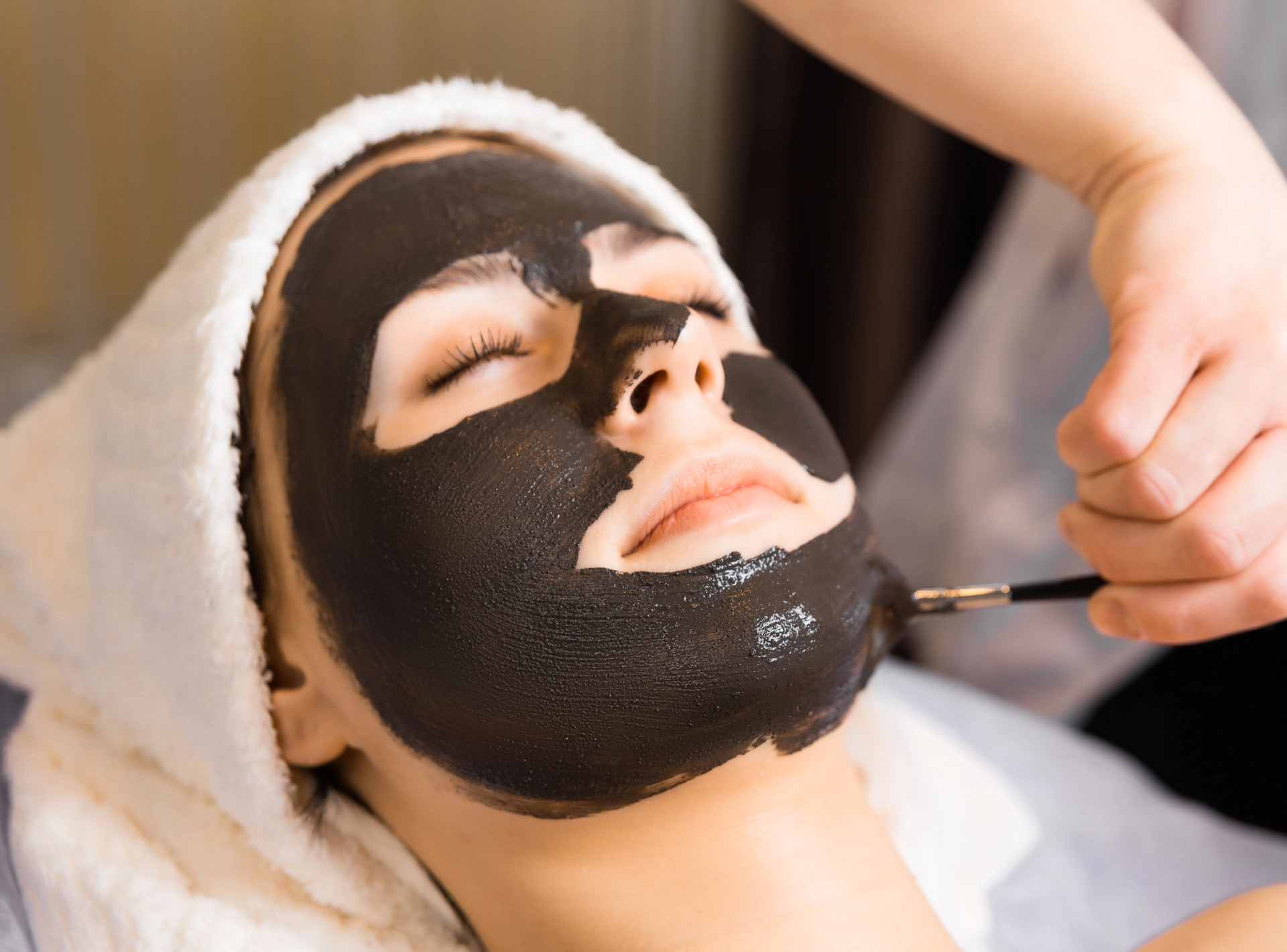
A chemical peel is a treatment for the skin that involves the application of a chemical solution to improve the skin’s look and feel. This treatment causes the outermost layer of skin to exfoliate and peel off, revealing newer, smoother, and more youthful-looking skin underneath. Chemical peels are highly versatile and can address a wide range of skin concerns, from acne and hyperpigmentation to wrinkles and uneven texture.
But did you know that there are actually many different kinds of chemical peels? Peels are available in various strengths (mild to aggressive) and for different skin issues they can treat. Here’s a quick look at common peel options.
Chemical Peels In Dubai
Chemical Peels in Dubai are personalized skin rejuvenation treatments that remove the damaged outer layers of skin, improving skin texture, tone and overall appearance. Your practitioner will recommend a superficial, medium, or deep chemical peel based on your concerns. Superficial peels are excellent for mild pigmentation and dull skin, while medium peels help with acne scars, fine lines and uneven texture. Deep peels provide more dramatic improvement for advanced sun damage and deeper wrinkles, but require a longer recovery period. Selecting the appropriate peel depends on your skin type, concerns and desired results, making a professional consultation an important first step.
BOOK AN APPOINTMENT TODAY
Chemical Peel Strengths (Penetration Levels)
Chemical peels come in different strengths and depths of penetration that affect their effectiveness, benefits and downtime. Let’s look at the three main categories:
1. Superficial (Light) Peel
- Penetration level: Only the epidermis, the outermost layer of skin, is affected.
- Common ingredients: Alpha hydroxy acids (AHAs) such as glycolic acid, or beta hydroxy acids (BHAs) such as salicylic acid.
- Benefits:
- Improves minor imperfections like uneven texture and dullness.
- It helps to reduce mild acne and light hyperpigmentation.
- Brightens skin for a refreshed appearance.
- Recovery Time: Minor redness and flaking that clears up within a few days.
2. Medium Peel
- Penetration level: Goes into the upper part of the dermis.
- Common ingredients: Trichloroacetic acid (TCA) or a mix of acids.
- Benefits:
- Treats moderate wrinkling, acne scarring and more severe discoloration.
- Gives more dramatic results then superficial peels.
- Recovery time: 8-9 days with redness, peeling and swelling.
3. Deep Peels
- Penetration level: Mid to lower dermis penetration
- Common Ingredients: High concentration TCA or phenol Common
- Benefits:
- Works on deep wrinkles, large sun damage and bad scarring.
- The results are permanent and often only require one session.
- Recovery time: Extensive downtime, up to several weeks, with possible swelling and redness for a longer duration.
Common Types of Chemical Peels
Lactic Peel
As the name suggests, lactic peels are derived from milk (lactose). For patients with very dry or sensitive skin, lactic peels are a perfect choice. This is a nice choice for those who have had bad experiences with retinol. This peel is gentle on the skin and offers a mild exfoliation that can help lighten small pigmentation or repair minor sun damage.
Glycolic Peel
Glycolic peels are among the most common types of chemical peel and are made with glycolic acid which as an alpha-hydroxy acid (AHA) exfoliates the skin and promotes the production of collagen on other skin proteins. Glycolic Acid is very small in molecular size, so it is great for getting into the skin. This is why glycolic peels tend to penetrate deeper than any other type of peel. Glycolic peels can be prepared in various strengths as well.
Glycolic acid is an AHA derived from sugarcane that gently exfoliates the skin by breaking down dead skin cells. It is perfect for:
- Brightening up dull skin.
- Reducing fine lines and light pigmentation.
- General texture improvements.
- Beta Hydroxy Peel
Beta Hydroxy Peel
Acne, blotchiness, problems with texture and an uneven skin tone can be helped by a beta hydroxy peel, which contains salicylic acid (a beta-hydroxy acid or BHA). A great peel for those with combination, oily or acne prone skin with acne and post acne inflammatory pigmentation issues.
The most common BHA is salicylic acid, which is oil soluble and goes deeper into the pores, so it’s perfect for:
- For blackheads and acne.
- Managing excess sebum production.
- Anti-inflammatory.
TCA Peel
TCA peels use Trichloroacetic Acid to remove old, dead skin cells from the outer layers of the skin to reveal new underlayers of skin that are softer, smoother, brighter, even toned and have a more radiant appearance. This peel treats many skin problems such as wrinkles, fine lines, dark spots, dullness, rough areas, melasma and blotchiness. TCA peels are superficial and are often formulated with light to medium strength concentrations, which makes them a great option for users with darker skin tones and more sensitive skin.
TCA is a versatile agent that can be formulated as a superficial, medium, or deep peel. It’s a “treats as” approach, mostly:
- Fine Lines & Wrinkles
- sun damage and hyperpigmentation.
- Uneven skin tone, scars from acne.
Why Professional Peels Are Better Than At-Home Peels
Professional peels have a number of benefits over at-home peels which may be cost-effective and convenient:
- Stronger formulations: Professional peels contain higher levels of active ingredients for more dramatic, longer-lasting results.
- Customizable treatments: Dermatologists and estheticians can customize peels to your individual skin type and concerns.
- Reduced risk: When professionals administer the treatment correctly, the risk of burns, scarring or uneven results is reduced.
- Comprehensive aftercare: Correct post-peel care advice improves results and minimizes complications.
The Best Peels for Every Need
- Best peel for acne: BHA peel (salicylic acid) for its ability to penetrate the pores and reduce inflammation.
- Best peel for acne scarring: Medium TCA peel to resurface the skin and improve scar texture.
- Best peel for resurfacing: Deep TCA or phenol peels for major texture improvement.
- Best peel for dark spots: Glycolic acid peel to reduce discoloration and even skin tone.
- Best peel for hyperpigmentation: Combination TCA and glycolic acid peels for multi-level correction
- Best peel for wrinkles & lines: TCA peel medium to deep to stimulate collagen and tighten skin.
- Best peel for stretch marks: TCA peel to help texture and stimulate new skin growth.
- Best peel for reducing pore size: BHA peel to cleanse and tighten pores.
- Best peel for dark spots: Brightening and smoothing with a glycolic acid or TCA peel.
- Best peel for uneven skin texture: Full resurfacing medium TCA peel.
Chemical Peels vs. Other Similar In-Office Options
Chemical Peel vs. Microdermabrasion
- Chemical peel: Uses acids to chemically exfoliate.
- Microdermabrasion: Uses a device for physical exfoliation.
- Best for: Chemical peels are better for pigmentation and more profound concerns.
Chemical Peel vs. Laser Resurfacing
- Chemical peel: Non-energy based chemical exfoliation using acids.
- Laser resurfacing: Removes skin layers with laser energy or stimulates collagen.
- Best for: Laser resurfacing is more precise, and better on deep wrinkles and scars.
Chemical Peel vs. Microneedling
- Microneedling: Uses small needles to cause micro-injuries, triggering collagen production.
- Best for: Chemical peels are better for surface level concerns, while microneedling targets the deeper skin layers.
The best chemical peel for you depends on your skin concerns, goals, and tolerance for downtime. Always consult a licensed professional for safety and best results. If you are looking to treat acne, wrinkles, or uneven texture, there is a peel that is right for you.
MEET THE EXPERT DOCTOR
Which Peel Should I Choose?
Everyone’s skin is different and what they want to correct is different. Chemical peels are very fortunate to be customizable and can be tailored to the needs of each individual patient. Your best bet for finding the right peel for you is a licensed skin care professional. A trained aesthetician or dermatologist will be able to properly assess your needs and formulate the best chemical peel for your needs and desired end result.
Best Aesthetic Clinic In Dubai For Chemical Peels
Best Aesthetic Clinic in Dubai for Chemical Peels guarantees your treatment is customized to your skin type and aesthetic goals. Experienced practitioners will perform a detailed skin assessment and select the right strength and formulation of peel. This customized approach helps us to achieve the best possible results with the least risk of irritation or complications. Perfect Doctors Clinic also gives extensive pre-treatment advice and post-treatment care to help with healing and to improve outcomes. With the help of expert guidance, patients can safely improve pigmentation, acne scars, fine lines and overall skin quality to attain smoother, brighter, healthier-looking skin with long-lasting results.