





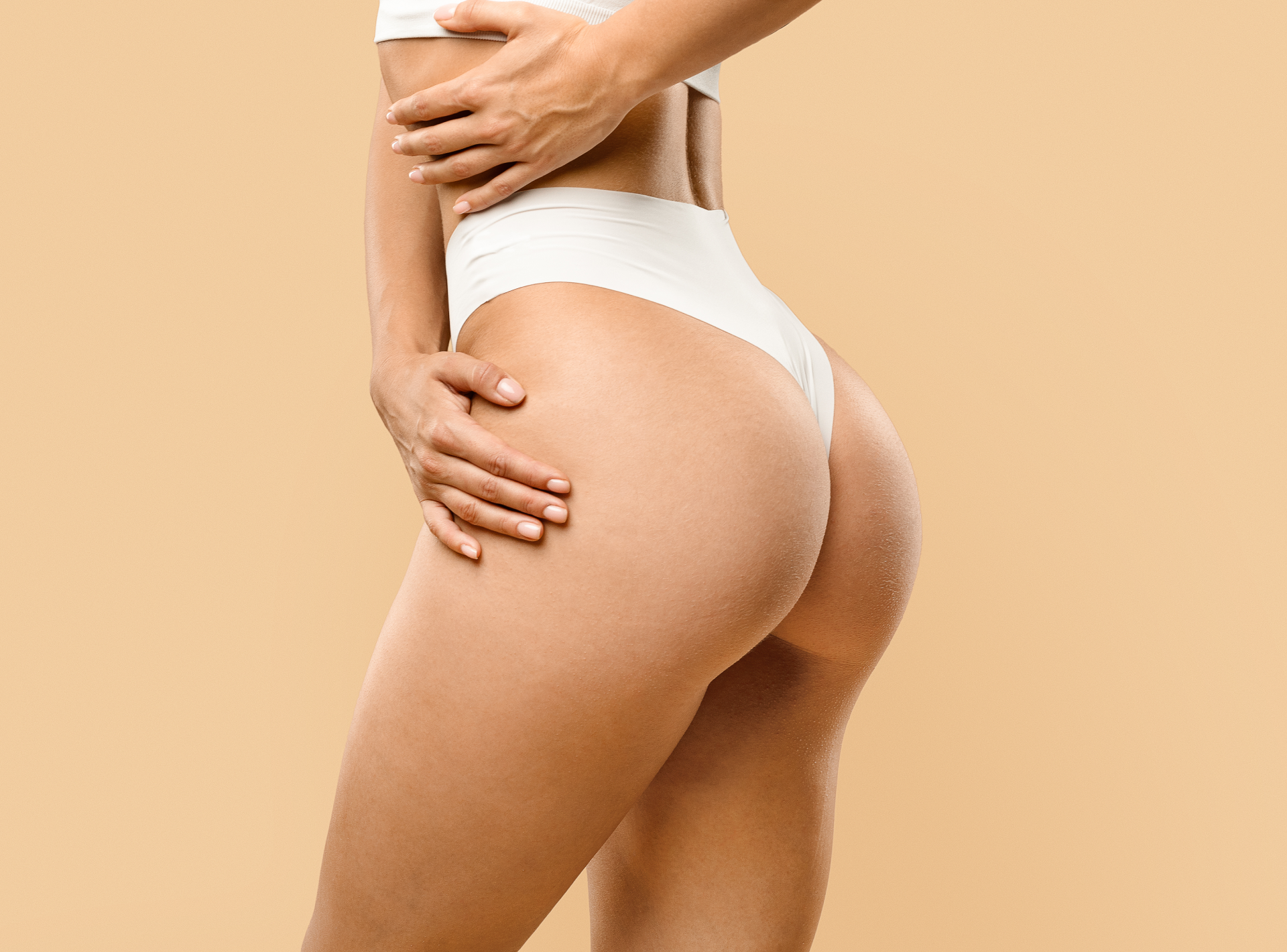
The recovery process from a thigh lift necessitates patience, appropriate care, and an understanding of the various stages of healing. This guide offers a comprehensive timeline to assist you in achieving long-lasting results and a smooth recovery.
Thigh Lift In Dubai
Thigh Lift in Dubai is a favored cosmetic procedure that is intended to redefine and firm the thighs by eliminating excess skin and enhancing contour. Individuals who have undergone substantial weight loss or have naturally lax skin frequently opt for it. The treatment is designed to improve the wearer’s confidence and comfort, particularly when they are wearing fitted clothing. The desired results are contingent upon recovery, and patients are instructed on the appropriate aftercare to guarantee a smooth recovery. When recovery guidelines are meticulously adhered to, individuals can anticipate improved skin tone, better proportion, and long-lasting results through the use of advanced techniques and professional care.
Essential Insights For A Successful Thigh Lift Recovery
- The majority of patients recover from thigh lift surgery in two to three weeks, but it takes six to eight weeks before they can resume all regular activities. Proper post-operative care, including gradual activity progression, incision care, and consistent use of compression garments, greatly impacts your final results.
- The first three to five days are usually the most painful, and by weeks three to four, the pain gradually lessens to mild discomfort, though tightness may last longer.
- Although there are noticeable contour changes right away, the final aesthetic effects take three to six months to manifest as the swelling goes down.
- Resuming activities according to your surgeon’s recommended schedule helps avoid complications and guarantees the best possible healing.
- Long-term maintenance of your thigh lift results depends on maintaining a stable weight and adhering to all post-operative instructions.
Understanding Thigh Lift Surgery: What To Expect Afterward
A thigh lift, also known as a thighplasty, is a life-changing procedure that creates smoother, more proportionate contours by removing extra skin and fat from the thighs. For the best healing and outcomes after your procedure at Perfect Doctors Clinic, knowing what to anticipate during recovery is essential.
To reduce swelling and support the newly formed tissues, you will wake up immediately following surgery wearing compression garments around your thighs. To stop fluid buildup, tiny drainage tubes may be temporarily inserted beneath the skin. During your initial follow-up appointment, these are usually removed within a few days.
Moderate discomfort, swelling, and bruising are typical reactions to surgical trauma during the first 1 to 2 days following surgery. To keep you comfortable during this crucial early healing stage, our surgical team will recommend the right painkillers.
Depending on the scope of the procedure, some patients might need to stay overnight, but the majority can go home the same day. As you get used to your restricted mobility, you’ll need a friend or relative to drive you home and, ideally, stay with you for the first 1 to 2 days.
It’s crucial to realize that recovering from a thigh lift is a slow process that calls for patience. Your thigh contour will change right away, but as the swelling goes down over several months, the final aesthetic results will become apparent.
Week-By-Week Thigh Lift Recovery Timeline
Although each patient’s recovery time from a thigh lift is different, you can better anticipate your healing process by adhering to this general progression.
Week 1: Initial Recovery
The hardest part is the first week. There will be severe pain, bruising, and swelling. It is advised to stay in bed and walk gently every now and then. To minimize swelling, keep your legs slightly raised when you’re at rest. Your surgeon will evaluate your initial healing at your first post-operative visit after drainage tubes are usually removed in three to five days.
Weeks 2-3: Improving Mobility
Swelling is still noticeable during this time, but bruising starts to lessen. The majority of patients can increase their walking distance gradually, but they should refrain from standing for extended periods of time. As directed, you will continue to wear compression clothing around-the-clock. After two to three weeks, many patients with desk jobs can resume their jobs, but those with physically demanding jobs will require more time to recuperate.
Weeks 4-6: Resuming Light Activities
Although swelling is still present, discomfort should be minimal by this point. Generally speaking, you can resume mild daily activities and mild exercise, such as walking. Compression clothing is still required, albeit perhaps for shorter periods of time. The incisions will still be pink or red even after they have closed. It is normal to experience numbness, tingling, or tightness around the thighs; these sensations will eventually go away.
Weeks 6-8: Expanding Activities
While heavy lifting and high-impact exercises are still prohibited, most patients can start engaging in more moderate activities. Your thigh contours become more distinct, and the swelling keeps going down. Depending on how well you’re healing, your surgeon might allow you to wear fewer compression garments.
Months 3-6: Advanced Recovery
Most patients have returned to their regular activities, including more strenuous exercise, by three months. Although there is a considerable reduction in swelling, some residual swelling may still exist, especially after physical activity. Although they start to fade, scars are still noticeable. Although final results are still being refined, most patients are able to appreciate their new thigh contours.
6 Months And Beyond: Final Results
Most patients have reached their final results by the six-month mark. Over the following 11 to 17 months, scars continue to develop and fade. The contours of the thighs have become permanent, and any remaining swelling has usually disappeared entirely.
Managing Pain And Discomfort During Thighplasty Healing
A comfortable recovery from a thigh lift depends on effective pain management. The majority of patients characterize their discomfort as moderate rather than severe, with the first three to five days following surgery being the most intense.
Medication Protocol
Your surgeon will prescribe a customized pain management plan, which typically includes:
- For the first few days, prescription analgesics
- Make the switch to over-the-counter analgesics like paracetamol
- Anti-inflammatory drugs to lessen edema (unless contraindicated)
- If you have tightness or spasms, take muscle relaxants.
Non-Pharmaceutical Approaches
Complementary techniques can greatly improve your level of comfort:
- Cold therapy: Using ice packs (wrapped in a thin cloth) to numb pain and reduce swelling
- Proper positioning: When at rest, keep your legs slightly raised.
- Compression garments: When worn as instructed, these offer support and lessen swelling.
- Gentle movement: Periodic, brief walks can reduce stiffness and enhance circulation.
Types Of Discomfort To Expect
Being aware of the various feelings you might encounter makes it easier to manage expectations:
- Surgical site pain: Sensations that are sharp or throbbing close to wounds
- Tightness: A tugging feeling as the tissues adjust to their new shapes
- Numbness or tingling: Temporary disruption of the nerves that eventually goes away
- Itching: A healing indicator that becomes more noticeable as wounds heal
Most patients find that significant pain subsides within 6-9 days, transitioning to mild discomfort and occasional twinges. Many people report little pain by weeks three and four, but as the tissues continue to adjust and heal, tightness may last for several months.
Essential Post-Thigh Lift Care Instructions
Proper post-operative care greatly influences your healing process and final aesthetic result. You can guarantee the best possible outcome from your thigh lift procedure by adhering to these crucial maintenance guidelines.
Incision Care
Keeping cuts clean and covered lowers the risk of infection and encourages healthy healing:
- For the first 2 days, keep incisions dry and clean.
- When taking a shower, adhere to your surgeon’s specific instructions (usually allowed after 2–3 days).
- Use a mild, odorless soap to gently clean wounds, then pat dry; never rub
- Use any recommended ointments precisely as instructed.
- Steer clear of baths, pools, and hot tubs until you’re completely healed, which usually takes four to six weeks.
- Be vigilant for any signs of infection, including fever, increased redness, warmth, or discharge.
Compression Garment Protocol
Compression clothing is essential for supporting tissues and reducing swelling:
- For the first three to four weeks, wear compression clothing constantly; take it off only to take a shower.
- Reduce wear time gradually by following your surgeon’s instructions.
- Make sure your clothes fit correctly; too tight can hinder circulation, while too loose offers insufficient support.
- Keep an extra item of clothing on hand for washing.
Activity Modifications
Healing is maximized when rest and appropriate movement are balanced:
- To improve circulation, go for quick walks multiple times a day.
- For the first two weeks, avoid standing or sitting for extended periods of time.
- Lay your legs slightly up on pillows while you sleep.
- Steer clear of positions that put strain on incisions.
- Increase activity gradually in accordance with your surgeon’s schedule.
Nutrition And Hydration
Healthy eating speeds up healing:
- Drink two to three liters of water every day to stay properly hydrated.
- Eat foods high in protein to aid in tissue repair.
- Consume foods high in zinc and vitamin C to encourage the production of collagen.
- Steer clear of foods high in sodium that could cause swelling.
- Give up alcohol for a minimum of two weeks.
- By following these thorough care instructions, you can maximize your comfort and aesthetic results after thigh lift surgery by creating the ideal environment for your body to heal effectively.
When Can I Return To Normal Activities After A Thigh Lift?
After a thigh lift, it’s important to resume your regular routine gradually. This timeline offers reasonable expectations for returning to different activities, even though individual recovery varies depending on age, health status, and the extent of the procedure.
Daily Living Activities (1-2 Weeks)
Within the first week, the majority of patients are able to carry out simple daily tasks, albeit with adjustments:
- Showering: 2–3 days after surgery is typically allowed.
- Light household activities: Introduced gradually after five-seven days
- Driving: Usually resumed seven to ten days after you’ve stopped taking prescription painkillers and are able to perform emergency maneuvers with ease.
- Stair climbing: Potential but reduced in the first week
Work Return (2-4 Weeks)
Your line of work has a big impact on when you return:
- Desk/sedentary work: Most patients come back in two weeks.
- Light physical work: Usually three weeks with limitations
- Physically demanding occupations: Four to six weeks, possibly with initial modified responsibilities
Exercise Progression (6-8 Weeks)
Physical activity picks up where it left off:
- Walking: Immediately following surgery, start with short, leisurely walks and progressively increase in length.
- Low-impact cardio (elliptical, stationary cycling): Usually allowed for about four weeks
- Swimming: Usually permitted four to six weeks after incisions have fully healed.
- Weight training for lower body: Reintroduced gradually after six to eight weeks
- High-impact activities (running, jumping): After eight to twelve weeks, it is usually safe.
Intimate Activities (4-6 Weeks)
It’s important to exercise caution when resuming intimate relationships to prevent stress on healing tissues:
- The majority of surgeons recommend waiting four to six weeks.
- Start with stances that don’t strain the thighs.
- If you feel pain or discomfort, stop.
Travel Considerations
Travel arrangements should take your recuperation requirements into account:
- Short car journeys: After seven to ten days, with frequent walking breaks
- Air travel: Waiting two to three weeks for short flights and four to six weeks for long-haul flights is generally advised.
- Travel planning guidance: Always talk to your surgeon about specific travel arrangements.
Keep in mind that rushing through recovery milestones can affect your outcomes and possibly lead to complications. Always adhere to your surgeon’s specific instructions, which may vary depending on your unique situation and rate of recovery.
BOOK AN APPOINTMENT TODAY
Potential Complications And How To Minimize Risks
Understanding potential complications enables you to recognize warning signs and take preventive measures, even though thigh lift surgery is generally safe when carried out by qualified plastic surgeons. During your recuperation phase, being watchful can help guarantee the best possible healing and outcomes.
Common Complications
Seroma Formation
About 12–24% of thigh lift patients develop seromas, which are collections of clear fluid beneath the skin. Among the preventative techniques are the following:
- Regular use of compression clothing
- Observing activity limitations
- Attending all monitoring follow-up appointments
Wound Healing Issues
Tension and moisture can cause the inner thigh region to heal more slowly. Reduce this risk by:
- Maintaining a dry and clean incision site
- Keeping incisions from being stretched by excessive movement
- Using antimicrobial ointments as directed
- Keeping up a healthy diet to aid in tissue repair
Infection
Although rare (affecting fewer than 4% of patients), the following measures can reduce the risk of infection:
- Taking antibiotics as directed by a doctor
- Making careful incisions
- Keeping an eye out for symptoms of infection, such as fever, discharge, warmth, or increased redness
- Getting in touch with your surgeon right away if worrying symptoms appear
Asymmetry
Minor asymmetry often appears initially due to differential swelling. Lower this risk by:
- Consistently adhering to all post-operative instructions
- Putting on compression clothing as instructed
- Steer clear of positions that put uneven pressure on your thighs.
Contour Irregularities
Reduce the possibility of contour problems by:
- Selecting a surgeon with a lot of experience performing thigh lifts
- Keeping a steady weight both prior to and following surgery
- Observing the full recovery procedure
Frequently Asked Questions
How Long Does Swelling Last After A Thigh Lift?
Following a thigh lift, there is a predictable pattern of swelling: substantial swelling during the first two to three weeks, moderate swelling during weeks four to eight, and mild residual swelling that may last for three to six months. By six weeks, the majority of patients experience a 72% reduction in swelling, and by six months, it is fully resolved. The extent of the procedure, each person’s ability to heal, compliance with compression garments, and level of activity during recovery are all factors that influence how long swelling lasts.
When Can I Sit Normally After A Thigh Lift?
During the first week following surgery, you can start sitting for brief periods of time (12–18 minutes), but you should refrain from prolonged sitting for two to three weeks. To lessen pressure on incisions during the first month, sit on a soft pillow. By four to six weeks after surgery, the majority of patients are able to sit normally without any modifications, though comfort levels vary. Always pay attention to your body and modify the amount of time you spend sitting according to your comfort level and any swelling reaction.
Will I Have Visible Scars After A Thigh Lift?
Indeed, permanent scars from thigh lift surgery are usually found in the groin crease and, depending on the technique, may extend down the inner thigh or around to the buttock crease. Over the course of 11 to 17 months, these scars, which are initially red and elevated, gradually become thin white lines. Sun exposure, post-operative scar care, and individual healing factors all affect how visible scars are. The majority of patients discover that swimwear and underwear can easily hide scars.
How Much Weight Should I Lose Before A Thigh Lift?
Before doing a thigh lift, you should be within ten to fifteen pounds of your ideal weight. It is advised to maintain weight stability for at least six to twelve months following surgery because large weight swings can impair outcomes. After significant weight loss has already taken place, the procedure reshapes contours and removes extra skin; it is not a weight loss solution. For the best surgical results and lower risk of complications, your BMI should ideally be less than 31.
Can I Combine A Thigh Lift With Other Procedures?
Yes, to achieve complete results, thigh lifts are frequently paired with other body contouring techniques like arm lifts, tummy tucks, or liposuction. Your general health, the total amount of time needed for surgery, and your surgeon’s evaluation all affect how safe it is to combine procedures. Combined procedures offer the advantage of a single recovery period, but they may intensify the recovery process. Your surgeon will suggest the safest course of action based on your individual objectives and state of health.
How Long Do Thigh Lift Results Last?
With the right care, thigh lift results can be long-lasting and even permanent. Although the removed skin won’t grow back, aging, gravity, and changes in weight can still have an impact on the remaining tissues. Preserving results requires maintaining a stable weight through a balanced diet and frequent exercise. For ten to fifteen years or more, the majority of patients experienced improved contours. Maintaining the best possible aesthetic results will require regular skin care and sun protection for scars.
What Is The Difference Between A Mini And Full Thigh Lift?
Only the groin crease is cut during a mini thigh lift, which treats mild to moderate skin laxity in the upper inner thigh. Usually, recovery takes two to three weeks. With longer incisions that extend down the inner thigh or around to the buttock crease, a full thigh lift addresses more widespread skin laxity throughout the thigh. It offers more striking contouring, but recovery takes four to six weeks. Your unique anatomy, skin type, and aesthetic objectives will determine the best technique.
MEET THE EXPERT DOCTOR
Best Plastic Surgeon In Dubai For Thigh Lift
Best Plastic Surgeon in Dubai for Thigh Lift is available at Perfect Doctors Clinic, where Dr. Perfect Celebrity provides patient-centered care and advanced expertise. The method is renowned for its ability to produce natural-looking and refined results, while also prioritizing safety, precision, and personalized treatment plans. Prior to the commencement of the procedure, each patient undergoes an exhaustive consultation to ascertain their objectives and anticipations. The clinic environment aims to foster a sense of comfort and confidence throughout the entire process, from the initial assessment to full recovery. The postoperative guidance is meticulously designed to guarantee long-term satisfaction and a smooth healing process. Patients achieve improved results that correspond with their aesthetic objectives by integrating contemporary methodologies with a profound comprehension of body contouring. This option is highly favored by individuals who are seeking effective thigh-lift solutions due to its dedication to excellence, careful attention to detail, and supportive aftercare.