





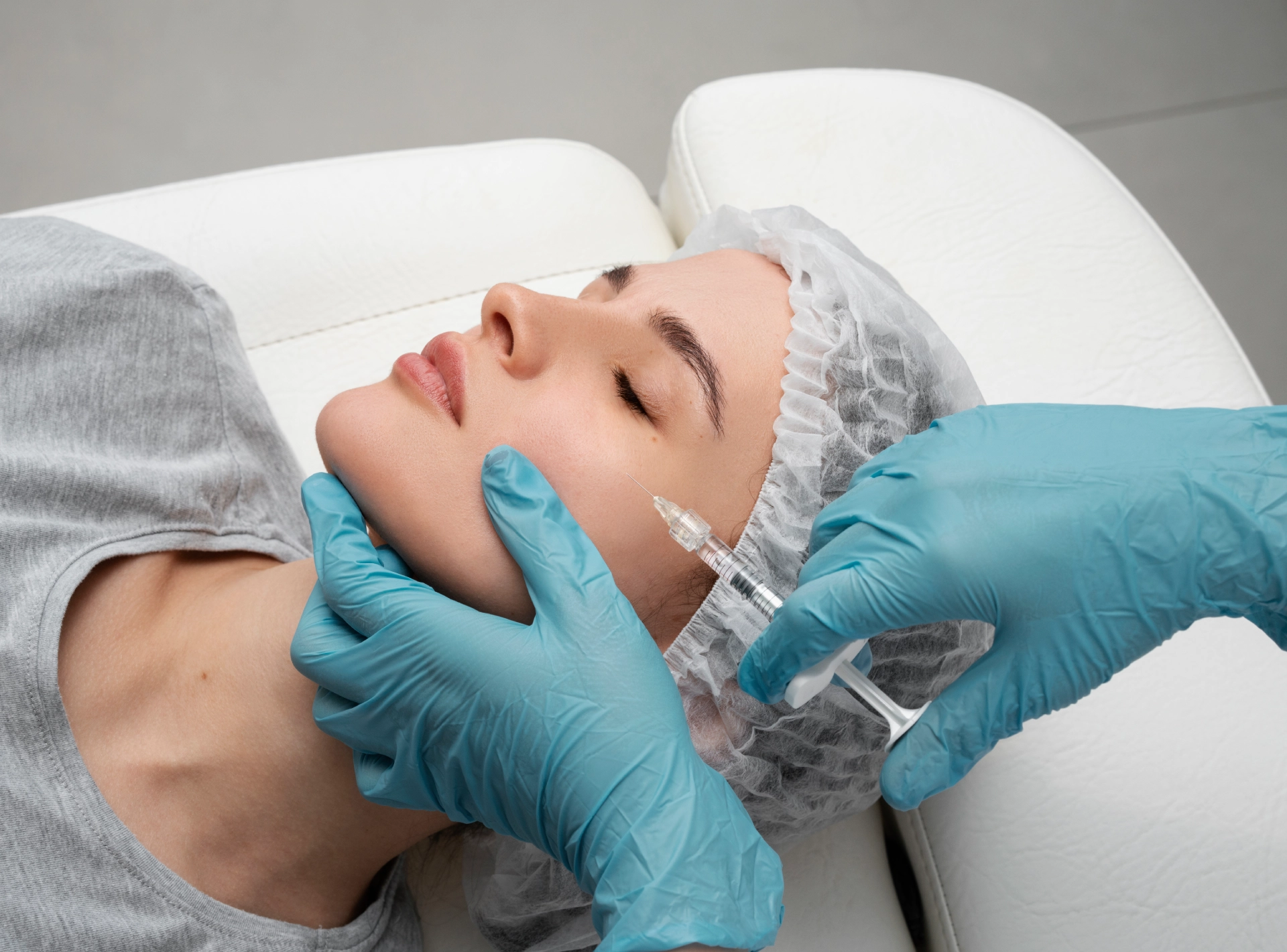
People often want dermal fillers for their cosmetic benefits, but they can have side effects. People can be unhappy with these treatments, which involve injecting substances to plump or smooth the skin, because the area can be overfilled or underfilled. This can lead to swelling, pain, or infection. In very rare cases, patients may feel numbness or even get scars. But there are other options, like Botox, which is a muscle relaxer. It’s important to remember that these risks are very low when a board-certified dermatologist does the procedure. The first step in making sure that a dermal filler or Botox procedure is safe is to have a consultation where these risks are talked about and a personalized plan is made.
There are many risks and problems that can come with dermal fillers, such as swelling, bruising, redness, pain, tenderness, numbness, and not being happy with the results. There are also less common risks, such as infection, allergic reactions, and accidental injections, that can cause serious problems like skin necrosis. You could also get scars if you overfill, underfill, or use the wrong method to give the medicine. So, it’s important to see a board-certified dermatologist who has experience giving dermal filler injections. Before starting the treatment, it is very important to fully understand the possible risks and the length of time it will take to recover.
Dermal Fillers In Dubai
Dermal Fillers in Dubai provide a quick, non-surgical solution for restoring facial volume and enhancing features. While generally safe, possible side effects include swelling, bruising, redness, and rare complications such as infection or allergic reactions. Choosing an experienced practitioner ensures natural-looking results while minimizing side effects, emphasizing both safety and efficacy.
The Dermal Filler Injection Process
The first step in getting dermal fillers to improve your looks is usually to make an appointment for a consultation. You can talk about your specific aesthetic goals and any worries you may have during this consultation. The dermatologist will ask you a lot of questions about your medical history. This helps them come up with a plan to lower the risk of complications and tailor the treatment to your needs.
Your doctor will make a detailed treatment plan just for you after carefully looking at your face and taking into account your needs and goals. Botox and other injections may be part of this plan. They will carefully look at the exact spots on your face that need dermal filler, figure out how much you need, and choose the fillers that will work best with your unique facial structure while minimizing any downtime.
About three weeks later, there will be a follow-up appointment. During this time, you and your dermatologist will be able to look at the results of your filler treatment and any Botox injections that were done and talk about any worries you have about possible side effects. If you’re not happy with anything, we can make the necessary changes to make sure you’re happy. Dermal fillers are not only a medical procedure but also an art that takes into account personal preferences and makes sure that the best care is given throughout the process.
The Injection Process
Aging is a normal part of life, but injectable dermal fillers have changed the way we can treat it. They are usually safe, but like any medical treatment, they do have some risks. To make a good choice, you need to know what the possible side effects are.
Aftercare And Follow-Up
Some common side effects of dermal fillers are:
Redness and Swelling: It’s common for the area around the injection site to be red and swollen, especially in the first 48 hours. This is how the body naturally reacts to the trauma caused by the needle and the filler substance getting into the skin. The good news is that this usually goes away in a few days.
Minor damage to the blood vessels near the surface during the procedure can cause bruising at the injection site. It’s important to know that bruising is a possible side effect, even if not everyone gets it.
Discomfort: It’s normal to feel a little pain at the injection site. This usually goes away pretty quickly after the procedure. If you have any questions or concerns, your doctor can help.
Potential Side Effects Of Dermal Fillers
It’s important to remember that different people’s bodies react differently to dermal fillers. This is because of things like the type of skin they have, the way the filler is injected, and the type of filler used.
For example, someone with sensitive skin may have more redness and swelling than someone else. Also, if a larger amount of filler is injected or if the injection site is close to a sensitive area like the lips or eyes, there may be more swelling and bruising that can be seen.
- These side effects are usually mild and go away on their own, but there are some rare but more serious problems that can happen, such as:
- Infection: There is a small chance of getting an infection at the site of the injection. This could show up as redness, warmth, tenderness, or pus-like discharge from the area that was treated.
- Allergic Reaction: Most fillers are made from things that are already in the body, but allergic reactions can still happen. Signs of an allergic reaction can range from minor irritation to more severe symptoms such as swelling beyond the injection site or even difficulty breathing.
Vascular complications: In very rare cases, dermal filler injections can hurt and block blood vessels. This can lead to problems like tissue necrosis (when tissue dies because it doesn’t get enough blood) or blindness if the central retinal artery is affected.
When qualified and skilled dermatologists follow strict safety rules, these risks are very rare. But knowing about these possible risks will help you make a smart choice and spot any problems that may come up after the procedure.
Now that we know the possible bad effects of dermal fillers, let’s look at how allergic reactions to them can show up in more detail.
- Dermal fillers are usually safe, but there is a small chance that someone may have an allergic reaction. We are still dedicated to giving our patients all the information they need to stay healthy and safe. When the body’s immune system reacts badly to something that has been injected into it, like a foreign material, it causes an allergic reaction. Symptoms can range from itching and swelling to a rash on the skin that looks like hives or even trouble breathing that needs immediate medical attention. Even though these reactions are rare, it’s important to know the warning signs so you can get medical help right away.
- If you have an allergic reaction, you might notice that the area around the injection site is still swollen, itchy, or has hives. In more serious cases, people may have trouble breathing or feel tightness in their chest. These are urgent signs that need to be seen by a doctor right away.
- Think about how your skin would swell up like a balloon after an injection or how bad the itching would be in that area. These symptoms can be scary and painful, making you worry and feel bad.
Keep in mind that everyone’s body reacts differently. Just because someone you know has had a positive experience with fillers doesn’t guarantee that you will too. After any cosmetic procedure, it’s crucial to monitor your body’s reaction, observe any changes, and remain vigilant for potential complications.
For example, an allergic reaction could happen, but there could also be other problems, like losing the symmetry of your face because of a mistake with the injection or even lumps forming under the skin. If any of these issues come up, it’s very important to call your doctor right away. They will tell you what to do to ease your symptoms and deal with any worries you might have.
BOOK AN APPOINTMENT TODAY
Allergic Reactions To Dermal Fillers
If you have symptoms that don’t go away, like swelling or bumps forming, or if you have any questions about a new development after getting filler, you should see your doctor right away. Their advice could make the difference between a smooth recovery and long-term problems.
Now that we’ve talked more about how complicated dermal fillers are, let’s talk about the possible problems that can come up with these treatments. Most people who get dermal filler injections have good results, but it’s important to know that complications can happen.
For instance, there is a chance of getting an infection at the injection site, just like with any procedure that involves injections. This is especially true if the equipment is not sterile or the technique is not correct. This can cause redness, pain, swelling, and in some cases, the filler material may need to be removed. This shows how important it is to choose a board-certified dermatologist.
Some people may also have skin discoloration after getting dermal fillers, which is another possible risk. This may look like dark or discolored patches of skin around the injection site, and it may need more treatment to fix.
Some people may get lumps or nodules under the skin at the injection site, but this is very rare. These can look bad and may need medical help to get better. Granulomas are concerning because they show that the immune system is reacting to something foreign, and treating them usually requires corticosteroid injections or even surgery.
It’s important to remember that these possible problems may seem too big to handle, but their chances of happening can change depending on a number of things. These include the injector’s skill and experience, the type of filler used, and the specific needs of each patient. To lower these risks, it is very important to choose a qualified, skilled dermatologist or cosmetic surgeon who knows a lot about facial anatomy and has worked with dermal fillers a lot. Also, most side effects go away on their own.
Knowing about these possible problems makes it even more important to find skilled and experienced doctors when thinking about dermal filler treatments. People can make smart choices about their cosmetic procedures by taking steps to reduce risks and increase safety.
Complications Of Dermal Fillers
After getting filler, some people may get hard lumps that make them uncomfortable. There are a few reasons why these lumps might happen. One is that the product might clump up under the skin, especially in the top layers or underlying tissues. This can happen because of bad injection techniques, differences between patients, or differences in how the body heals itself.
People who see lumps that don’t go away or a change in the position of their filler should see a doctor right away.
If massaging the area and other simple things haven’t worked to get rid of the lumps or move the filler material, you may need to do more. For example, massage can help move the filler around and smooth out any bumps by putting gentle pressure on it. But if this method doesn’t work, more advanced treatments like dissolving the filler may be needed.
Hyaluronidase, an enzyme that breaks down fillers made of hyaluronic acid, can be used to dissolve the filler if lumps stay. This method tries to undo the effects of the first filler treatment and make the area look more natural again.
When dealing with hard lumps and the movement of filler material, people should talk to experienced doctors who can give them personalized advice and make sure their safety during the whole treatment process.
Manufacturer Details
The safety and effectiveness of dermal fillers depend on what they are meant to do and what they are made of. These fillers are carefully made, and the different materials they use have different properties that affect the final result. It can be hard to figure out which fillers are both safe and effective, though.
To know how safe and effective dermal fillers are, you need to know a lot about the company that makes them.
Importance Of FDA-Approval
You must use fillers that the Food and Drug Administration (FDA) has approved. These approvals make sure that the products have been thoroughly tested for safety, quality, and effectiveness. Using only fillers that have been approved by the FDA greatly lowers the chances of having bad reactions or complications.
For instance, some businesses use cross-linking technology to make their filler products more stable. This means that the molecules in the filler material are stuck together to make the effect last longer. People who buy things should know about these ways of making things because different methods can change how well the product works.
Knowing where and how a dermal filler is made can help you figure out how reliable it is. Reputable companies have strict quality control procedures in place to make sure that their products meet high safety standards.
Knowing about the manufacturer can also help you understand how the product is made. For example, you might find out if sterile environments are kept during production or if the final product is tested thoroughly to look for possible contaminants or impurities.
From a consumer’s point of view, it’s important to know:
- The reputation and past performance of the manufacturer
- If they have a history of making safe and effective fillers
- Their compliance with rules and standards in the industry
Before choosing a dermal filler, people should carefully think about these details so they can make smart decisions about cosmetic procedures. When thinking about any kind of medical treatment, including cosmetic improvements, your health and safety should always come first.
People can work with their doctors to choose dermal fillers that meet strict safety standards when they know how they are made. This gives them peace of mind and the results they want.
Now let’s look at ways to avoid problems with dermal fillers.
How To Avoid Complications From Dermal Fillers
Being well-informed and proactive is very important for having a safe and successful experience with dermal fillers. You can lower the risk of problems by taking these important steps.
Choose A Qualified Doctor
The first and most important step to getting a safe dermal filler treatment is to choose a doctor who is skilled and knowledgeable. Find a board-certified dermatologist or plastic surgeon who has a lot of experience giving dermal fillers. These experts have had a lot of training and have the skills needed to do procedures safely and well. It is important to make sure that the doctor is still up to date on the most recent methods and safety rules. This greatly lowers the chances of having any bad things happen.
Disclose Allergies And Medical History
It’s important to talk to your doctor clearly about dermal fillers so that there are no problems. It is very important to give a full medical history, including any allergies and how you have reacted to fillers or other substances in the past. This information will help the doctor choose the right filler and avoid any allergic reactions that might happen. It’s also important to let your doctor know if you have ever had cold sores or skin problems. Your doctor can customize your treatment to meet your specific health needs and reduce the risk of unexpected complications if you take the initiative and give them all the information they need.
Follow Aftercare Instructions
Following the aftercare instructions that come with dermal filler treatment is very important to lower the risks. Following your doctor’s instructions to the letter is very important.
These directions might tell you to stay away from certain drugs and supplements, not drink or smoke before the procedure, and keep your skin clean and free of makeup on the day of the treatment. Also, it’s very important to tell your doctor about any side effects that are strange or last a long time. As a patient, you should keep an eye out for any signs of possible problems, like swelling, redness, bruising, infection symptoms, changes in vision, or allergic reactions. This will allow for early intervention if needed.
If you take these proactive steps seriously, you are not only lowering the risks, but you are also actively making your treatment safer. Focusing on picking a skilled injector, sharing your medical history, and carefully following aftercare instructions shows that you care about safety when getting dermal fillers.
For your options for dermal filler treatment, please call us.
What Should Someone Do If They Experience A Negative Reaction Or Complication From Dermal Fillers?
If you have a bad reaction or complication from dermal fillers, it’s important to get medical help right away. If you call the doctor who did the procedure, they can quickly assess the situation and give you the right treatment. A study that came out in the Journal of Cosmetic Dermatology in 2024 found that complications from dermal fillers can happen, but they are very rare. These complications can include infection, allergic reactions, and vascular occlusion. Early intervention can help stop more problems from happening and make sure that side effects are handled properly.
What Are The Common Complications Or Side Effects Of Dermal Fillers?
Bruising, swelling, redness, and tenderness at the injection site are some of the most common side effects of dermal fillers. There is a chance of getting an infection, having an allergic reaction, or having very rare but serious problems like vascular occlusion. A study in the Journal of Cosmetic Dermatology says that up to 85% of people who get filler injections bruise. To lower these risks, it’s important to talk to a qualified doctor and follow the right aftercare instructions.
Are There Any Long-Term Risks Or Permanent Consequences Of Dermal Filler Injections?
Dermal filler injections are generally regarded as safe; however, they may entail long-term risks and irreversible effects. Granulomas, which are small inflammatory nodules that may need surgery to remove, are one possible risk. Hyaluronic acid fillers are less likely to cause these. Fillers can also cause problems like infection, tissue damage, or even blindness in very rare cases if they are not given correctly. About 4% of people who get dermal fillers have problems, according to research. This shows how important it is to choose a provider who is skilled and experienced.
How Can A Person Minimize The Risk Of Complications When Getting Dermal Fillers?
Choosing a skilled and trustworthy injector who follows strict hygiene rules is the best way to lower the risk of problems when getting dermal fillers. Also, talking to the injector about your medical history and allergies before the treatment can help them make the treatment fit your needs. Following the instructions given after treatment, like not putting too much pressure or moving around too much in the area that was treated, can also lower the risk of problems. A 2024 study on dermal filler complications found that using the right technique and having an experienced injector greatly reduced the number of problems that happened (source: Journal of Aesthetic Dermatology).
Are There Any Specific Types Of Dermal Fillers That Carry A Higher Risk Of Complications?
Some types of dermal fillers are more likely to cause problems. Silicone injections and other permanent fillers have been linked to long-term side effects like lumps, migration, and inflammation. A study published in JAMA Dermatology found that 79% of the problems that were reported were caused by permanent filler injections. People think that temporary fillers, like those made with hyaluronic acid, are safer because they can be dissolved if needed. So, it’s important to pick the right kind of filler and talk to a qualified medical professional to lower the risks.
If you’re thinking about getting treatment, find out more about professional dermal filler injections from board-certified dermatologist Dr. Perfect Celebrity in Dubai.
MEET THE EXPERT DOCTOR
Advantages Of Dermal Fillers You Should Know
Dermal fillers are helpful for people who want to rejuvenate their faces without surgery in a number of ways. They instantly give you results that look natural, like adding volume back to your face, smoothing out fine lines, making your lips and cheeks look better, and restoring lost volume. Hyaluronic acid, which is found naturally in the body, is used in most fillers. This makes them safe and well-tolerated. Treatments are minimally invasive and don’t require much recovery time, so patients can quickly get back to their normal lives. Some minor side effects, like swelling or bruising, may happen, but if you go to a skilled practitioner, you can be sure of safety and the best results. This makes dermal fillers an easy and effective way to boost confidence and improve your appearance.
Why Dermal Fillers Is The Best Solution
Dermal fillers are thought to be one of the best ways to improve the look of your face without surgery because they give you immediate, natural-looking results with little recovery time. They work well to add volume, smooth out wrinkles, and improve the shape of the face, making it look younger and more balanced. Hyaluronic acid is a substance that is naturally found in the body and is used to make most fillers. This makes them safe and compatible. Minor side effects like redness, swelling, or bruising can happen, but serious problems are very uncommon when treatments are done by a skilled professional. With their many uses, ability to be reversed, and quick results, dermal fillers are a popular and highly effective way to improve the look of your skin.
How Dermal Fillers Restores Confidence And Appearance
Dermal fillers boost confidence and improve looks by replacing lost volume, smoothing out wrinkles, and making the face look more even-toned, giving you a younger, more refreshed look. They give people immediate results that look natural, which makes them feel better about how they look. Hyaluronic acid, which is used in most fillers, is safe and well-tolerated, but it can cause some minor side effects like redness, swelling, or bruises. Rare problems, like infections or allergic reactions, show how important it is to pick a skilled practitioner. With the right training, dermal fillers are a safe, effective, and reversible way for patients to improve their looks, which boosts their confidence and overall happiness.
Best Aesthetic Clinic In Dubai For Dermal Fillers
Best Aesthetic Clinic in Dubai for dermal fillers is Perfect Doctors Clinic, where Dr. Perfect Celebrity offers expert, personalized treatments. While dermal fillers are generally safe and effective, minor side effects such as swelling or bruising may occur, necessitating professional supervision for natural, confident, and worry-free results.