





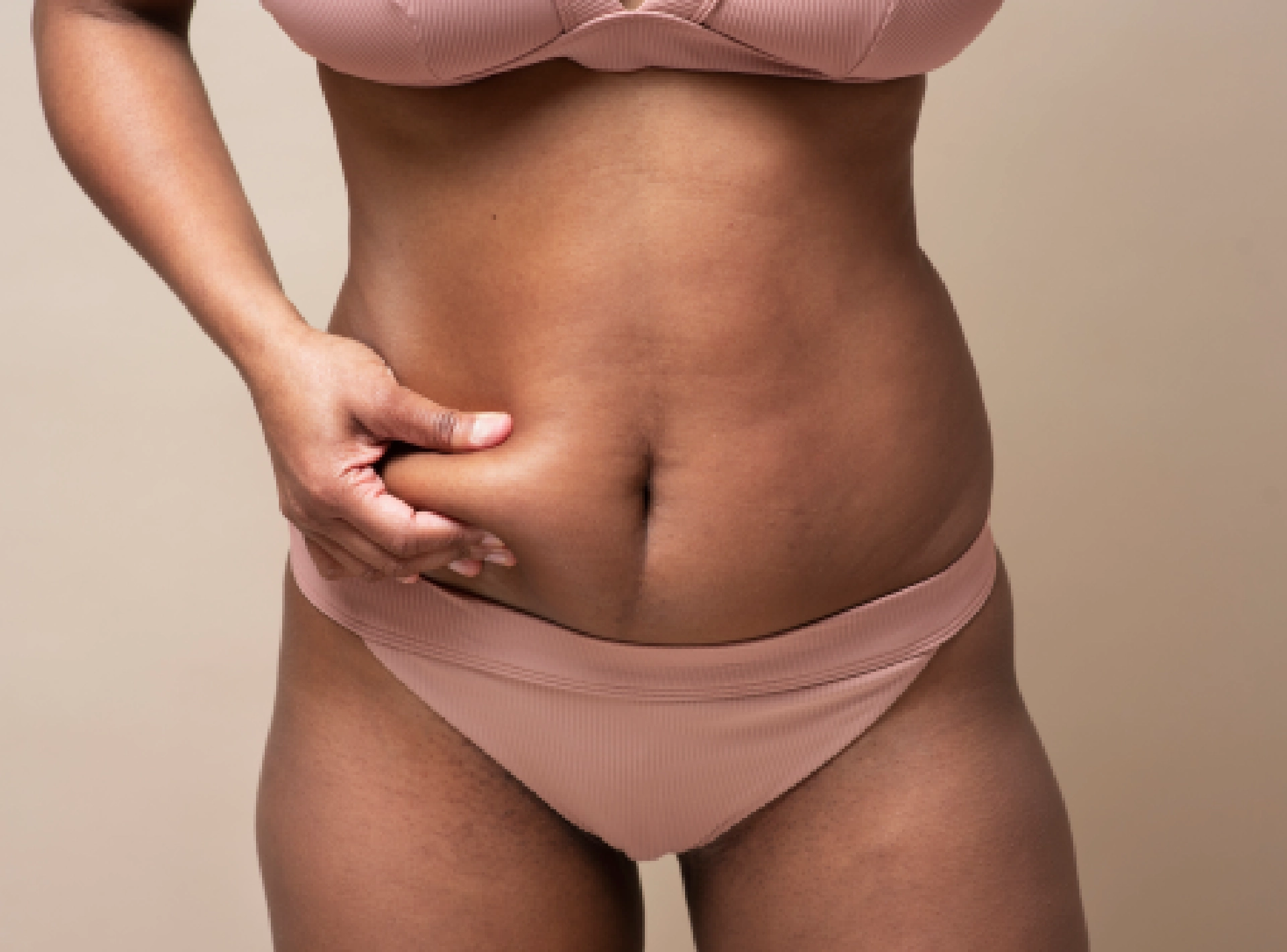
Liposuction is a common cosmetic procedure that helps shape the body by getting rid of extra fat in different regions. It is important to know that swelling and bruising are normal adverse effects following the operation, even though it works very well. But swelling usually doesn’t last for more than a few months.
If your swelling lasts for a long time after liposuction, you should see a well-known plastic surgeon like Dr. Perfect Celebrity, who is an expert in liposuction.
Perfect Doctor Clinic is a well-known plastic surgery center in Dubai where Dr. Perfect Celebrity does safe and effective liposuction surgery. He is a very competent and experienced plastic surgeon in Dubai who can look at your condition, give you the right advice, and make sure you get the best liposuction results before and after.
If you’re thinking about getting liposuction in Dubai, Dr. Perfect Celebrity’s knowledge and experience can help you through the process. He can answer your questions about swelling four months after liposuction and give you useful information on the treatment, the cost of liposuction, and what to expect.
This article will explain what causes edema after liposuction, when you should be worried about it, how to treat it, and how to make it go down.
First, let’s find out
Liposuction In Dubai
Liposuction in Dubai offers advanced body contouring solutions with structured recovery support for optimal results. Swelling four months after liposuction can occur due to ongoing tissue healing, residual fluid retention, scar tissue formation, or lymphatic drainage changes. While most swelling significantly reduces within the first few weeks, mild swelling may persist for several months as the body continues to adapt and heal. Factors such as extensive fat removal, large treatment areas, physical activity, and individual healing response can influence recovery time. Proper hydration, compression garment use, lymphatic drainage massage, and a healthy lifestyle help minimize prolonged swelling. Regular follow-ups ensure healing stays on track and final body contours appear smooth, natural, and well-defined.
What Can Be The Causes Of Swelling?
It is usual for people to swell following liposuction. But there are several reasons why swelling can happen four months after liposuction. Here are some common reasons:
- Inflammation: Inflammation is the body’s normal response to surgery, and it can cause swelling. Even though it goes down slowly, some swelling may last for a few months.
- Lymphatic System Disruption: Liposuction messes up the lymphatic system, which is very important for draining fluids. The lymphatic flow that isn’t working right can make the treated areas swell.
- Fluid Retention: After liposuction, fluid can build up in the body’s tissues. This is because the body is recovering and fluids are moving around.
- Scar Tissue Formation: During the healing process, scar tissue can grow, which can make the area enlarge. Scar tissue can cause edema and fluid buildup in the areas that were treated while the body heals.
- Activity Level: Not following post-operative instructions or doing hard physical exercises can make swelling worse. It is very important to follow the surgeon’s instructions to reduce swelling and help the body recuperate.
BOOK AN APPOINTMENT TODAY
When Should You Be Concerned About Swelling?
- After liposuction surgery, swelling is a typical part of the healing process. But there are times when you should be worried and talk to your doctor.
- You should visit a doctor right away if the swelling gets worse or doesn’t go down after the expected healing time, or if it comes with extreme pain, redness, too much bruising, or a visible rise in size.
- Also, you should see your doctor right away if you have a fever, chills, or any other signs of infection.
- If you have any of the worrying symptoms listed above or any additional worries regarding the swelling, you should see your doctor.
- They will be able to check on your health, see how bad the swelling is, and suggest any treatments or procedures that are needed to make sure you have a safe and successful recovery following liposuction surgery.
Let’s talk about
Treatments To Follow For Swelling
If you are still swollen four months after liposuction, your doctor may suggest the following procedures to assist in reducing and controlling the swelling:
- Compression Garments: Following the instructions for wearing compression garments will help minimize swelling and speed up healing.
- Lymphatic Drainage Massage: This unique kind of massage can help get lymphatic circulation going, speed up healing, and reduce swelling.
- Elevation: Raising the treatment area above the level of the heart can assist in reducing edema.
- Cold Therapy: Putting cold packs on swollen regions might help ease pain and swelling.
- Medications: To help with swelling, your doctor may give you anti-inflammatory medicines or diuretics.
It is very important to talk to your plastic surgeon about the best procedures for you.
Additional Tips To Reduce Swelling
You can also do these things to help reduce swelling after liposuction, in addition to medical treatments:
- Follow a Healthy Diet: Eating a balanced diet full of fruits, vegetables, and lean proteins will help you heal and lower inflammation.
- Stay Hydrated: Drinking a lot of water might assist your body in getting rid of extra fluids.
- Avoid Salt: Cutting down on salt can stop water retention and further edema.
- Avoid Alcohol and Tobacco: Don’t drink alcohol or smoke. These things can slow down recovery and make swelling last longer.
- Gentle Exercise: Doing mild physical activity as your doctor suggests will help blood flow and lessen edema.
It is common for your body to swell following liposuction. But it’s important to keep an eye on how it’s becoming worse and be mindful of any worrying symptoms. Most swelling goes down within a few weeks to months after the treatment, but everyone’s healing time is different.
Following your doctor’s instructions, getting the treatments they suggest, and making healthy choices will help reduce swelling and speed up your recovery.
Expected Swelling Timeline & Maintaining Results
Post-Operative (First Week)
Pain Management
Pain, swelling, and bruising are at their worst in the first three to seven days after surgery. During this period, doctors will provide you with prescription painkillers to take as needed.
- Patients may expect moderate to severe pain to go away around five days after surgery, and mild soreness to continue about three to six weeks.
- Do not drive when using prescription painkillers.
- To assist with lower discomfort and swelling, get as much rest as you can.
- If you had liposuction or skin removal on your lower legs, sleep with your knees up to help minimize swelling. We suggest putting a few pillows beneath your knees and calves.
Compression Garments And Bandages
After surgery, you will need to wear compression clothing and/or wraps all the time, day and night. The size and position of your compression garment and/or wraps depends depend on where you have liposuction.
You can take off the clothes and/or wraps for a short time to shower (this is okay 1 to 2 days following surgery if there are no drains). Your surgeon will tell you how long you need to wear compression garments after surgery, which is usually between three weeks and three months. Compression helps lessen swelling and makes the results of body sculpting more even.
Mid Recovery Phase (Weeks 2-4)
Your swelling will keep getting better during the middle of your rehabilitation. Most of the time, inflammation goes down when you wear compression clothes regularly.
Be careful not to move anything heavy or do any hard activities, and don’t put any of your surgery sites in water. After the first three weeks, though, milder activities are better. Walking every day is very crucial for your recovery. You might also want to try biking at a slow pace, restorative yoga, slow jogging, or lifting weights up to 22 pounds.
End Recovery Phase (Weeks 4-8)
During this part of your liposuction recovery, the swelling will go down a lot. In six weeks, you’ll be able to see what your final results will look like, but it will take six months to a year for everything to settle down. Also, it will take a year for your scars to heal, grow, and even fade. For the first year following liposuction, make sure to keep your scars out of the sun or cover them with clothes or sunscreen.
Tips For Minimizing Swelling Post-Liposuction
Here are some more tips for reducing edema, in addition to the recovery information above:
- Hydration and Nutrition: While you heal, it’s vital to drink enough water and consume meals that are good for you and easy on your stomach. Some doctors say that during the healing process, you should consume smaller meals more often. A lot of doctors, including the GCC, say that you should have a low-sodium diet for at least the first two weeks following liposuction to help with swelling.
- Positions and Movements: If you had liposuction on your lower body, make sure to raise your knees to help with the swelling. We suggest putting pillows beneath your knees and calves when you lie down. After surgery, it’s also necessary to walk a little bit every day to help reduce swelling.
- Compression Garments: After liposuction, one of the most important things you can do is wear your compression garments all day and night. This will help reduce swelling, support your healing, and give you the best body sculpting results. You can take off your compression clothes when you shower.
MEET THE EXPERT DOCTOR
Frequently Asked Questions
How Long Does Swelling After Liposuction Last?
Swelling following liposuction might last for weeks or even months. Most swelling goes down in the first three to four months. But it can take six months or more for the problem to go away completely.
What Can Be The Symptoms Of Swelling After Liposuction?
After liposuction, the areas that were treated may feel puffy, tight, and bigger. It could also hurt or feel uncomfortable.
Does Exercise Increase Swelling After Lipo?
Working out too hard or too much just after liposuction can make the swelling worse. Gentle exercise, as suggested, can help reduce swelling by getting blood to flow more easily. But your doctor will tell you when it’s okay to start exercising again.
How Long Does It Take To Heal From Liposuction Completely?
How long it takes to fully heal after liposuction depends on the person, the areas that were treated, and the treatment itself. It usually takes a few months for the body to heal completely and for the final results to show. Your doctor will give you a better estimate based on your individual situation.
Best Plastic Surgeon In Dubai For Liposuction
Best Plastic Surgeon in Dubai for Liposuction carefully monitors post-treatment healing to ensure safe and effective recovery. Dr. Perfect Celebrity evaluates prolonged swelling through clinical assessment and advanced imaging, if needed, to rule out complications. His personalized treatment approach includes tailored aftercare plans, compression therapy, and guided lymphatic massage protocols to accelerate healing. With refined surgical techniques and attentive follow-up care, patients experience improved comfort, faster swelling reduction, and beautifully contoured results that enhance confidence and overall body harmony.