





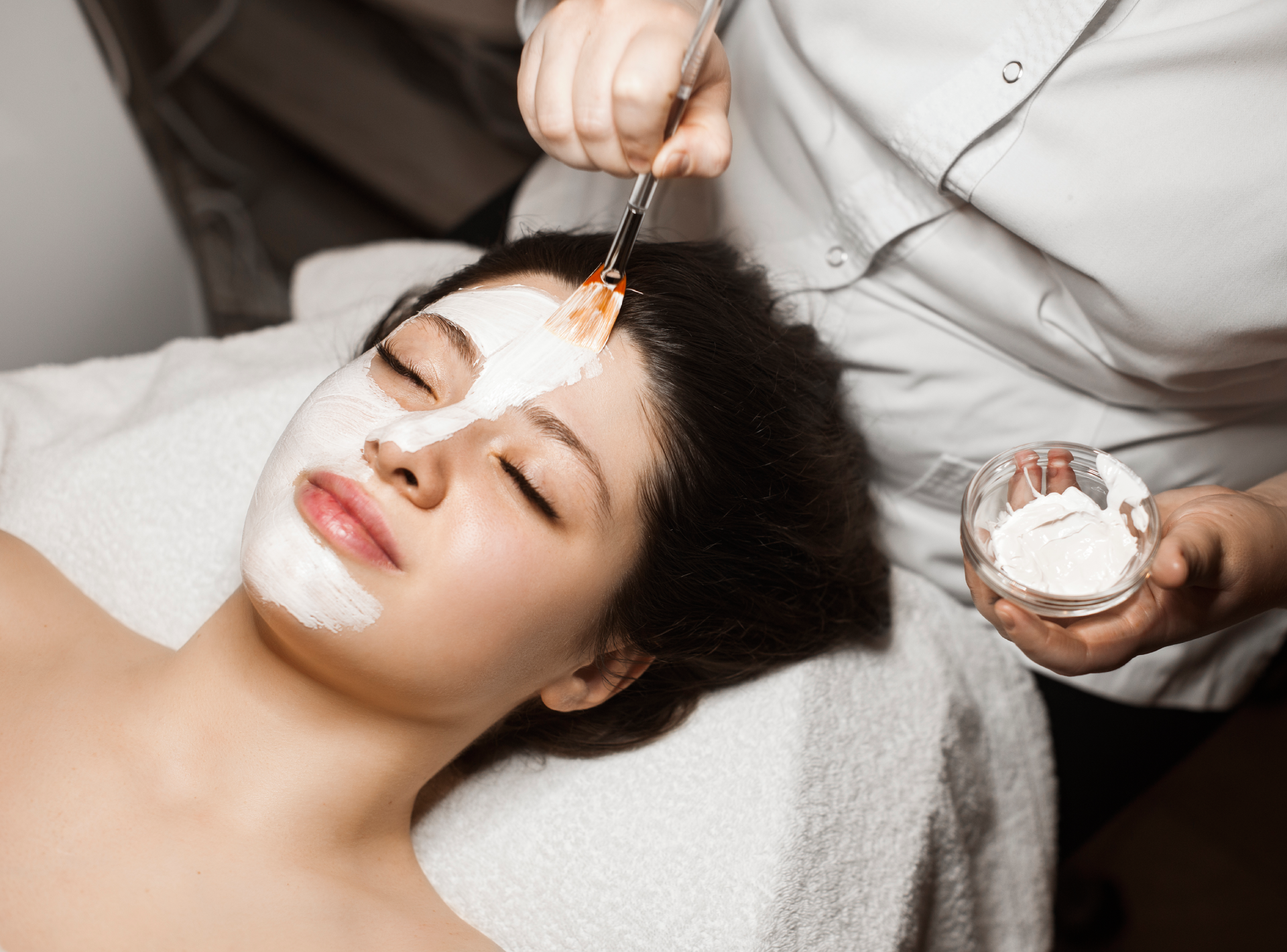
Many people choose chemical peels because they work quickly and show results right away, unlike other skin resurfacing methods.
Patients can get smoother, more even-toned skin with fewer signs of aging by going through a series of treatments.
Chemical peels can be a great way to fix a lot of skin problems, but it’s important to talk to a dermatologist or licensed skincare professional to find out what the best treatment plan is for your skin type and goals.
People can make smart choices to get the fresh, glowing skin they want if they know what chemical peels can do and what they might not do.
This blog’s goal is to give readers the most important information they need to know about chemical peels that can help them look better while keeping their health and safety in mind.
Chemical Peels In Dubai
Chemical Peels in Dubai are non-surgical cosmetic treatments used to improve the appearance and health of the skin by removing damaged outer layers. The procedure involves applying a specially formulated chemical solution to the skin, which causes controlled exfoliation and encourages the growth of new, smoother skin cells. It is commonly used to treat concerns such as acne, pigmentation, sun damage, fine lines, uneven skin tone, and dullness. The treatment can be customized based on skin type and the severity of the condition, with options ranging from light to deep peels.
Key Takeaways
- Chemical peels can be light or deep, and the risks and difficulty of aftercare go up as the peel gets deeper.
- After a chemical peel, you need to take care of yourself right away. There are specific rules for dealing with redness, sensitivity, and sun exposure.
- Chemical peels can cause long-term problems like scarring, keloid formation, and changes in the color of the skin.
- Chemical burns are a big deal, so you should get help right away after a chemical peel.
- To avoid problems, it’s important to carefully evaluate the skin type and medical history and choose the right peel.
Understanding the Different Depths of Chemical Peels
Chemical peels are a popular beauty treatment that can be done at different depths depending on the patient’s skin type and the results they want.
There are different things that affect how the skin reacts after therapy at each level, from light to deep.
Light chemical peels, which work on the top layer of the skin, can cause mild side effects like redness or dryness.
Medium peels go a little deeper and help with things like wrinkles and age spots. There is a greater chance of inflammation and changes in pigment.
Deep chemical peels go deep into the lower dermis to fix more serious skin damage, but they also have higher risks of infection and scarring.
People who are thinking about these procedures need to know these small differences so they can weigh the chance of getting better skin against the chance of getting worse skin.
Light Chemical Peels Risks and Side Effects
Light chemical peels use things like alpha hydroxy acid or glycolic acid to gently remove the top layers of skin. This makes the skin feel smoother and more even in color. They are generally thought to be safe, but they can cause mild side effects like temporary redness, swelling, and dryness, which usually go away on their own. A dermatologist may suggest a patch test for people with sensitive skin to make sure the treatment is right for their skin type.
Medium Chemical Peels Risks and Side Effects
The risk goes up with medium chemical peels, like those that use trichloroacetic acid or glycolic acid at higher concentrations. Patients may have more severe side effects, such as redness, irritation, and peeling that is more than just flaking. There is also a greater chance of getting hyperpigmentation or hyperpigmentation, which is when the skin gets darker or lighter in color. This is especially true for people with darker skin tones.
- After treatment, the skin may feel tight and look red or swollen.
- The skin may peel more, which means you need to follow a strict aftercare routine.
- Changes in skin color, like getting darker or lighter, could be more noticeable and last longer.
Deep Chemical Peels Risks and Side Effects
Deep chemical peels, like those with phenol or high levels of trichloroacetic acid, give the best results for skin rejuvenation, but they also have the most serious side effects and risks. Deep peels remove several layers of skin to reduce deep wrinkles and precancerous growths like actinic keratosis, which means they need a longer healing time and more careful risk management.
During recovery, the treated areas may become very red, swollen (edema), and raw, which may require a period of rest and careful wound care.
There is a higher chance of complications like infection, scarring, or even more permanent changes in skin color. Some of these effects may last forever.
Because phenol can cause systemic toxicity and heart problems, an experienced doctor needs to carefully choose and keep an eye on patients.
Immediate Side Effects Post-Chemical Peel
Patients usually notice changes in their skin right away after a chemical peel. These changes are a normal part of the healing process that leads to healthier, more radiant skin.
Redness and increased sensitivity often look like the effects of a sunburn, which means that the rejuvenation process has started.
Some people may also experience swelling and blistering, which can be painful but usually goes away on its own.
As the old layers of skin peel away, the texture of the skin can also change, becoming dry and scaly. This makes way for smoother and clearer skin underneath.
Knowing how these immediate reactions work is important for setting realistic goals for how long it will take to recover and what the results will be after treatment.
Skin Redness and Sensitivity
After a chemical peel, people often notice that their skin is redder and more sensitive, which is similar to how it feels after a mild sunburn. This is because the skin’s protective barrier has been temporarily broken, making it more likely to react strongly to products or environmental factors. To protect the healing tissue, you need to be extra careful with your skin and protect it from the sun.
| Post-Peel Symptom | Common Experience | Recommended Care |
| Skin Redness | Mild to severe redness that looks like a sunburn | To treat it, wash your skin gently and use moisturizers that are safe for sensitive skin. |
| Skin Sensitivity | More sensitive to products put on the skin | avoid things that make it worse; protect the skin from the sun. |
Swelling and Blister Formation
After a chemical peel, the body may naturally respond to the intentional damage to the skin’s layers by swelling and forming small blisters. These signs show that a rejuvenation process is going on, in which old, damaged tissue is being replaced by new, healthy cells.
| Post-Peel Symptom | Common Experience | Recommended Care |
| Swelling (Edema) | Swelling, especially around sensitive areas like the eyes | Raising the head and putting cool compresses on it |
| Blister Formation | Formation of diminutive, serous vesicles on the integument | Gentle cleaning, and not giving in to the urge to pick or pop |
Changes in Skin Texture
After a chemical peel, the skin starts to heal on its own, and the texture of the skin may change. The area that was treated may feel rough and scaly at first as the outer layer of skin reacts to the treatment.
- The patient feels changes in touch, like roughness or scaliness on the surface of the skin.
- Within a few days to a few weeks, this rough texture will give way to a smoother, younger-looking skin surface.
- Keeping the skin moist all the time is very important for helping it heal and getting the best results from the peel.
Long-Term Risks of Chemical Peels
The promise of rejuvenated skin from chemical peels can be overshadowed by the risk of complications that may arise.
It’s interesting that trying to heal can leave scars and keloids, especially when strong peels go beyond the skin’s natural ability to heal.
Changes in skin color, with some parts of the skin becoming darker or lighter than the surrounding tissue, are also a problem that needs to be fixed.
During the peeling process, the skin’s natural barrier function is weakened, which increases the risk of bacterial, fungal, or viral infections. These infections could stop the journey to better skin.
So, to deal with the long-term risks of this life-changing skincare procedure, you need to be careful and pay close attention.
Potential for Scars and Keloids
When getting deeper chemical peels, one big worry is the risk of scarring, which includes keloids, which are raised scars that tend to grow. People who have had keloids before or who have trouble healing wounds may be more likely to get these long-lasting skin changes after the procedure. Before doing a chemical peel, doctors must talk to patients about these risks, taking into account their skin type and medical history.
Changes in Skin Pigmentation
After a chemical peel, some patients may notice that certain spots on their skin are darker (hyperpigmentation) or lighter (hypopigmentation) than the rest of their skin. This difference in color can be especially noticeable in people with darker skin or those who don’t follow strict rules for avoiding and protecting their skin from the sun. To reduce these risks, a smart doctor should check how likely a patient is to have pigment problems and change the peel concentration and aftercare as needed.
Risk of Infection
Chemical peels can make skin look smoother and younger, but they can also make the skin less able to fight off infections. When the top layers of skin peel off, the tissue underneath may be open to bacteria, fungi, or viruses that are looking for a chance to get in. To avoid these problems, it is very important to take care of yourself and keep clean. If you notice any signs of infection, you should see a doctor right away to make sure that healing is safe and effective.
- When barriers are broken down, exposed tissue may be more likely to get sick.
- To lower the risk of bacteria, fungi, or viruses getting in, it is important to practice good hygiene and aftercare.
- To protect the health of their patients, doctors must be on the lookout for and respond quickly to any signs of infection.
Managing Pain and Discomfort After a Peel
For a lot of people, the beautiful skin that comes after a chemical peel is also accompanied by pain and discomfort.
These feelings usually go away on their own and are a normal part of the healing process. However, knowing how to deal with them can make the whole experience much better.
For minor aches, over-the-counter pain relievers can help, but in some cases, a dermatologist’s help is needed to make sure the recovery stays on track.
Also, using home remedies and simple care tips can help your skin feel better and make the transition from the peel easier.
Over-the-Counter Pain Relief Options
People who have had a chemical peel may feel better by taking over-the-counter pain relievers like acetaminophen or ibuprofen. These kinds of drugs help lessen the pain and swelling that come with the recovery phase, making the healing process more comfortable. People need to follow the recommended dosages and talk to their doctor if the pain doesn’t go away or gets worse.
When to Consult Your Dermatologist
If a patient’s skin starts to smell bad or they have a lot of pain or signs of infection, like more redness, warmth, swelling, or pus, they should call their dermatologist. If your skin keeps changing, like getting unexpected pigmentation or scarring, or if any other strange symptoms show up during the healing process, you should also talk to a doctor. Talking to a dermatologist on time can help avoid problems and make sure that you have the safest and most effective recovery after a chemical peel.
Home Remedies and Care Tips
The gentlest home remedies, like putting cool, damp cloths on the skin to reduce swelling and using hypoallergenic moisturizers to keep the skin hydrated while it heals, can help. These easy, calming things to do not only help with the pain of a chemical peel on sensitive skin, but they also help the delicate tissue heal.
BOOK AN APPOINTMENT TODAY
The Risk of Chemical Burns and How to Avoid Them
Chemical burns are a major worry for people who want to get the benefits of chemical peels, which are a type of minimally invasive procedure.
These burns happen when the solution is put on the skin, which causes more damage than just exfoliation and requires immediate and proper care.
It’s important to know the signs of a chemical burn so you can tell when a peel has gone wrong.
Also, knowing what to do right away can help reduce damage and speed up healing, which can stop long-term problems.
For people who want to keep up a peel routine, taking steps to avoid problems based on past experiences and personalized advice from dermatology experts is an important part of safe and effective skin care.
Identifying the Signs of a Chemical Burn
It’s important for anyone who has had a chemical peel to know the difference between the normal effects of the peel and the signs of a chemical burn. If you feel a sharp burning pain during or right after the procedure, have severe redness, or see blisters that are worse than normal, your skin may be suffering from a chemical burn and needs to see a doctor right away to limit the damage.
Immediate Actions to Take if Burned
If someone thinks they have a chemical burn after a peel, they need to act quickly. Rinse the area with cool water to get rid of any leftover chemical solution and ease the burning feeling. Then, go to the doctor right away to find out how bad the injury is and get the right care.
| Immediate Action | Next Step | Recovery & Aftercare |
| Intense Burning Sensation | Rinse with cool water | Take medical care |
| Severe Redness and Blistering | Get rid of any pieces of the peel that are still there. | Talk to a healthcare provider |
Preventative Measures for Future Peels
Patients should be honest about any skin reactions they have had in the past and follow their dermatologist’s exact instructions for skin conditioning before and after the peel to avoid chemical burns in future peels. Choosing a qualified professional who looks at your medical history and skin type can also be very important for reducing the risk of harm and making sure that each chemical peel session goes well.
Post-Peel Care and Reducing Complications
Following the advice of healthcare professionals about how to care for yourself after a procedure is not just a suggestion; it’s a key step in avoiding problems and getting the most out of this beauty treatment.
After peels, human skin is still vulnerable to damage from ultraviolet light. That’s why it’s so important to protect your skin from the sun to avoid negative effects and keep the health of the newly exposed layers.
Patients also need to keep an eye on how their skin is healing and let their dermatologist know right away if they notice any changes that are not normal.
This proactive approach to post-peel care is important for a smooth recovery and getting the fresh look you want.
Importance of Following Aftercare Instructions
Following the aftercare instructions is very important for anyone who has had a chemical peel, as it can have a big effect on how well the skin heals and how it looks. Taking care of your skin properly after treatment lowers the risk of problems like infection and prolonged redness. It also keeps your skin hydrated and protected during the vulnerable post-treatment phase. Patients can help their skin heal by following a healthcare professional’s advice on how to clean, moisturize, and protect it from the sun. This will also make the peel work better overall.
Sun Exposure and Skin Protection
It is very important to keep the skin safe from the sun after a chemical peel because the new, soft skin is more likely to be harmed by UV rays. Patients should carefully put on broad-spectrum sunscreen with a high SPF to protect themselves from harmful exposure. When they are outside, they should also wear protective clothing and hats. This careful way of protecting yourself from the sun not only keeps the chemical peel’s rejuvenating effects, but it also helps you avoid problems like hyperpigmentation.
Monitoring Your Skin’s Healing Process
After a chemical peel, it’s very important to keep an eye on how the skin is healing. It helps find problems like unusual redness, pain, or signs of infection quickly. Patients should check their skin every day, see how it changes, and let their dermatologist know right away if they have any concerns so that any problems can be dealt with and healing can happen properly.
MEET THE EXPERT DOCTOR
When Chemical Peels Go Wrong: Understanding Common Mistakes
Chemical peels can change a lot, but they can also be hard to deal with.
People often make mistakes when they choose a peel type that doesn’t work for their skin type, don’t follow the right aftercare, or don’t think about their medical history and skin sensitivity. These kinds of mistakes can make the chances of bad reactions and poor results higher:
Choosing a strong peel for your skin type could hurt and irritate it more than it needs to.
Not following the care instructions after a procedure can make the healing process longer and raise the risk of complications.
Not taking into account a patient’s medical history and past skin reactions can lead to missed contraindications and worse side effects.
How Improper Peel Selection Affects Outcomes
Picking the wrong kind of chemical peel can have a big impact on the results you want and cause a lot of problems. A peel that is too harsh for someone’s skin can make existing skin problems worse or cause new ones, such as severe inflammation or pigmentary problems that last a long time.
If the strength and ingredients of the peel are not carefully chosen to match a person’s skin type and concerns, what was meant to improve their appearance may turn into a painful and unsatisfying experience.
- Patients with sensitive skin who undergo a vigorous peel may endure significant irritation and an extended healing period.
- An allergy to the chemicals in a chemical peel that isn’t noticed can cause bad reactions, making the treatment less safe and effective.
- Not properly checking the skin’s condition before treatment can lead to a peel choice that makes problems like hyperpigmentation or acne worse instead of better.
Strategies for Prevention and Correction
Strategies for preventing and fixing problems with chemical peels are very important for lowering the risk of bad results. To avoid problems, both patients and providers need to make sure that a thorough evaluation is done before the procedure. This should include looking at the patient’s skin type, medical history, and any specific skin disorders to choose the right type and strength of peel. To fix problems caused by peels, you should see a dermatologist right away. They can give you targeted treatment options, such as topical ointments and other dermatological procedures that are designed to fix specific problems.
| Prevention Strategy | Correction Measure | Outcome |
| Skin analysis and medical review before the procedure | Medications that are applied to the skin for inflammation or infection | Decreased severity of complications |
| Choosing a chemical peel that works for your skin | A post-peel skincare routine that is guided | Enhanced healing and satisfaction |
| Teaching patients on aftercare protocols | Professional help for problems that won’t go away | Increased recovery and outcomes |
Advantages Of Chemical Peels You Should Know
- Less visible signs of sun damage (sun spots)
- Less pore size
- Goodbye dull skin! Hello softer, more radiant skin!
- Less noticeable fine lines
- Better control of mild acne
- Better hyperpigmentation
- Making your at-home skin care products work better. This means that your creams, toners, and moisturizers do their jobs better.
Why Chemical Peels Is The Best Solution
Chemical peels are considered one of the best non-surgical skincare solutions for improving skin texture, tone, and overall appearance. This treatment works by applying a specialized chemical solution to the skin, which gently exfoliates the outer layers and stimulates the growth of new, healthier skin cells. Chemical peels are effective for treating a wide range of concerns, including acne, pigmentation, sun damage, fine lines, and uneven skin tone. The procedure is customizable, with different peel strengths available to suit various skin types and goals. It is also a relatively quick treatment with minimal downtime, making it convenient for individuals with busy schedules. With consistent treatments and proper skincare, chemical peels can deliver noticeable, long-lasting improvements, helping individuals achieve smoother, clearer, and more radiant skin without the need for invasive procedures.
How Chemical Peels Restores Confidence And Appearance
Chemical peels help restore confidence and enhance appearance by revealing fresher, brighter, and more youthful-looking skin. By removing damaged skin cells and encouraging natural skin renewal, the treatment reduces the visibility of blemishes, dark spots, and fine lines, leading to a smoother and more even complexion. Many individuals feel more comfortable and confident in their skin after undergoing chemical peel treatments, especially when long-standing skin concerns such as acne scars or dullness begin to fade. The improvements in skin clarity and texture can make makeup application easier and enhance overall facial appearance. As the skin becomes healthier and more radiant, individuals often experience a boost in self-esteem and feel more confident in social and professional settings, enjoying a refreshed look that reflects their inner vitality.
Best Aesthetic Clinic In Dubai For Chemical Peels
Best Aesthetic Clinic in Dubai for Chemical Peels provides advanced skin rejuvenation treatments designed to improve texture, reduce pigmentation, and restore a brighter, smoother complexion. Perfect Doctors Clinic offers personalized chemical peel treatments tailored to different skin types and concerns, ranging from mild exfoliation to deeper resurfacing procedures. The clinic is staffed by experienced skincare professionals who carefully assess each patient’s skin condition before recommending the most suitable peel strength and treatment plan. Using modern techniques and high-quality solutions, the team focuses on safety, comfort, and natural-looking results. Patients also receive detailed aftercare guidance to support proper healing and maintain long-lasting improvements in skin clarity, tone, and overall appearance.
Conclusion
Anyone who wants to get a chemical peel should know about the risks and side effects.
Knowing about possible problems, like scarring, infection, and changes in skin color, can help you make smart choices and get ready.
Following a dermatologist’s aftercare instructions and keeping an eye on how the skin heals can greatly lower the chances of side effects.
Putting safety and awareness first will make the chemical peel process more pleasant and useful.