





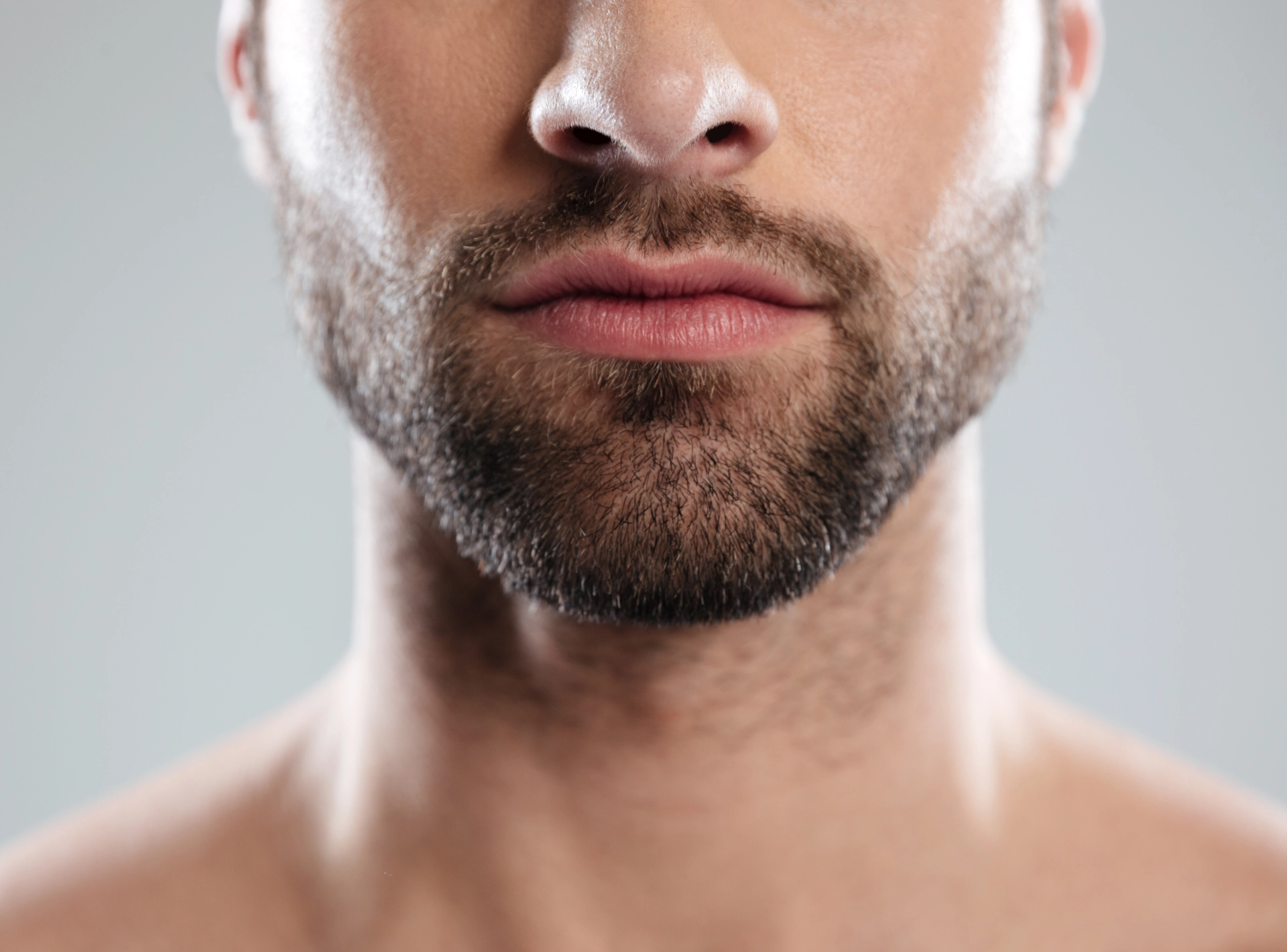
We do both hair transplants and beard transplants at Perfect Doctors Clinic. This article is meant to help our beard patients understand what to expect during their recovery and growth cycle. The recovery process is similar for both scalp and facial hair.
In general, it should take 1 year for you to fully recover from a hair restoration surgery, with good results usually noticeable after half a year. During this time, the transplanted hair follicles go through a number of natural growth cycles before they achieve their full thickness and density. Around the three- to four-month mark, many patients start to experience clear changes, and these improvements keep getting better for the rest of the year. During this time, it’s important to keep up good grooming practices and follow professional suggestions for growing facial hair. This will assist the new follicles grow properly. The first three months are the hardest because there isn’t much growth at this stage of recuperation.
We at Perfect Doctors Clinic want to make sure you know everything ahead of time so you won’t be let down. We show you the usual healing period for a beard transplant below, along with some images of some of our own patients. Knowing the whole recuperation process will help you have realistic ideas about how your new facial hair will grow over time. The treatment itself just takes one day, but the mending and development process happens slowly as the transplanted follicles become used to their new home. Most patients start to see the first symptoms of growth a few months following the treatment. The biggest changes happen between months four and six. Following this beard transplant recovery timetable will help you understand what happens at each stage and why you need to be patient to get results that seem real.
Beard Transplant In Dubai
Beard Transplant in Dubai is a highly advanced cosmetic procedure designed to restore or enhance facial hair by transplanting healthy hair follicles from the donor area, usually the back of the scalp, to the beard region. It is an ideal solution for individuals struggling with patchy, thin, or uneven beard growth. Understanding the recovery timeline of hair growth is very important to set realistic expectations. Immediately after the procedure, patients may experience mild redness, swelling, and tiny scabs around the transplanted follicles, which usually heal within a week. During the first two weeks, the transplanted hairs often shed, which is a normal process known as shock loss. This phase should not be a concern, as it is part of natural hair growth cycles. By the third to fourth month, new hair growth begins to appear gradually. Over the next several months, the beard becomes thicker, denser, and more natural-looking. Full results are typically visible within half a year to 1 year. Proper aftercare, including gentle cleansing, avoiding sun exposure, and not touching the treated area, helps improve healing and ensures better long-term results. Maintaining a healthy lifestyle and nutrition can also support stronger and faster hair growth.
First Two Weeks After Beard Transplant
The donor and recipient areas heal significantly differently, even though they look the same soon after the hair transplant. This early phase is the initial step in the whole beard transplant growth timetable. During this time, your body starts to repair and the transplanted follicles make a new blood supply. Small scabs may occur around the implanted follicles within the first two weeks as the donor area on the scalp heals after the extraction process. These indications are very normal and usually go away in a few days. Patients can avoid worrying too much while they wait for the more obvious growth phases that happen later in the timeline if they understand these early healing stages. Let’s start by looking at the area where the donor is.
Growth In The Donor Area
The donor area is the part of your body where the hair that will fill in your beard comes from. This is usually the back and sides of your head, just like with any other hair restoration. This hair starts to grow right away after the transplant because it doesn’t lose any hair from shock. All you have to do is wait for the scabs from the extraction punctures to fall off and your hair to grow back. It takes around a week to ten days.
About the thickness of the donor area after the procedure: This area does get thinner when hair is taken from there, but as the hair grows back in, it is usually not visible to the human eye. Before the treatment, your NeoGraft expert will have made sure that you have enough donor hair to cover the number of grafts you require without making your scalp look thinner.
Patient with a beard transplant Nate went to Perfect Doctors Clinic to get a full beard and fill in the patchy spots on both sides. He wanted to make sure the results appeared natural. Take a look at how his donor hair grew back in the first 2 weeks after his 1,050-graft beard transplant:
Growth In The Recipient Area
We talked about shock loss earlier. The location where the donor is not affected but the recipient is afflicted. About four to five days following the surgery, your new facial hair will start to fall out. Don’t worry. This doesn’t indicate that the implanted follicles haven’t settled into their new home. It only implies that the natural cycles of growth and shedding have started. The shock loss makes the hair shafts fall out and go into a dormant state. The following step is the telogen resting phase, which lasts from two to two and a half months. Not all of your hair falls out and rests at the same moment. This takes slowly, so your recipient area may look patchy for a few months.
This isn’t a significant concern for most beard patients, since patchiness is usually what makes them want a transplant in the first place. Even after you get a beard transplant, you will still look patchy for a while.
2-5 Months After Beard Transplant
After the initial two weeks of quick healing, the next three months will be the most frustrating part of your beard transplant recovery, since most patients don’t see much improvement at all. Then, in the third month, new hair will grow in during what is known as the “slow-growth” stage. It’s time to be enthusiastic about how your new beard is going to grow a little bit more every day! Most patients have extremely good results by the sixth month.
BOOK AN APPOINTMENT TODAY
7 To 12 Months After Beard Transplant
Over the next six months, your facial hair will get thicker, which will help fill in any spots that are still there and make your beard look full and rich. We think your hair transplant recovery is over after 1 year, and we usually schedule a follow-up visit in our office to check on your progress. We usually ask for an email with your after photographs if you can’t come in person so that we can give you a full evaluation.
Nick, a patient at the Perfect Doctors Clinic, had very clear goals: he wanted a bigger beard all over and fresh hair growth under his nose and where his mustache meets his chin and cheeks.
Nick’s dark facial hair made it easy for him to get a good thick beard with only 1,250 grafts. He had a 2,150-graft beard transplant, but because blond beards always look a little less impressive in the after photographs, the difference may not be as big as the graft count suggests.
Leo is still very happy with his achievements, though. He has filled in extremely nicely at 1 year, even though his beard didn’t grow much before the transplant. He drove 12 hours from out of town for his operation because he thought “Perfect Doctors Clinic was the best fit” because of its many before-and-after photographs and professional website.
Leo is satisfied with the results and plans to get a second operation for his goatee area.
Results of a beard transplant after 1 year: Fred, a patient at Perfect Doctors Clinic
Please keep in mind that growth rates vary from person to person. For a lot of individuals, their growth and thickening don’t stop until 12-14 months following their surgery. You should also know that younger people usually get effects faster than older patients.
We hope this has helped you figure out what to expect from an FUE beard transplant. If you’re ready to get started, ask us for a free quote (if available during discount seasons) now! If you don’t live near our Perfect Doctors Clinic, Abu Dhabi, or Dubai locations, ask us about our discount (if available during discount seasons) for people who have to travel to see us.
Average Recovery Time Beard Transplant
The average recovery time after a beard transplant is relatively short, with most patients resuming normal activities within a week. Initial healing of the transplanted area takes about a week, while redness or minor scabbing may last slightly longer. Full results, including natural beard growth, develop gradually over several months.
Your First 24 Hours Of Beard Transplant Recovery
During the first day, you may experience mild swelling, redness, and slight discomfort in both the donor and recipient areas. Tiny grafts will be visible, and it is important not to touch or disturb them. Keeping your head elevated and following aftercare instructions helps protect the newly implanted hair follicles.
Swelling, Bruising, And Scarring After Beard Transplant
Mild swelling and occasional bruising can appear after the procedure, especially around the cheeks or neck. These effects typically subside within a few days. Scarring is minimal when modern techniques are used, and any tiny marks in the donor area are usually well hidden and fade over time.
Downtime For Desk Jobs After Beard Transplant
Most people with desk jobs can return to work within 3–4 days after a beard transplant. Since the procedure is minimally invasive, downtime is limited. However, some visible redness or scabbing may still be present, so patients may choose to take a few extra days off for comfort and appearance.
MEET THE EXPERT DOCTOR
Beard Transplant Recovery Tips For Better And Faster Results
To support faster recovery, avoid touching or scratching the treated area. Follow your surgeon’s washing instructions carefully and keep the area clean. Stay hydrated, avoid smoking and alcohol, and protect your face from sun exposure. Proper care ensures healthy graft survival and better long-term results.
Beard Transplant Recovery Dos And Don’ts
Do follow all aftercare guidelines, sleep with your head elevated, and take prescribed medications if needed. Do keep the area clean and be gentle while washing. Don’t pick scabs, shave too early, or engage in heavy exercise for a few days. Avoid smoking and sun exposure to ensure proper healing.
Best Plastic Surgeon In Dubai For Beard Transplant
Best Plastic Surgeon in Dubai for Beard Transplant should offer advanced hair restoration techniques, artistic precision, and personalized treatment planning to ensure natural and long-lasting results. A trusted option like Dr. Perfect Celebrity at Perfect Doctors Clinic is known for delivering high-quality beard transplant procedures with a strong focus on detail, symmetry, and patient satisfaction. Patients receive a thorough consultation to design a beard shape that suits their facial structure and personal preference. During recovery, detailed aftercare instructions are provided, including how to clean the area, avoid shaving too early, and protect the skin from irritation. Skilled specialists commonly use FUE (Follicular Unit Extraction) techniques to ensure minimal scarring and faster healing. Follow-up sessions are also scheduled to monitor hair growth progress and ensure successful graft survival. Choosing an experienced surgeon plays a crucial role in achieving a natural beard density and proper hair direction. With the right care and expert guidance, patients can enjoy a fuller, well-defined beard that enhances their overall appearance and confidence.