





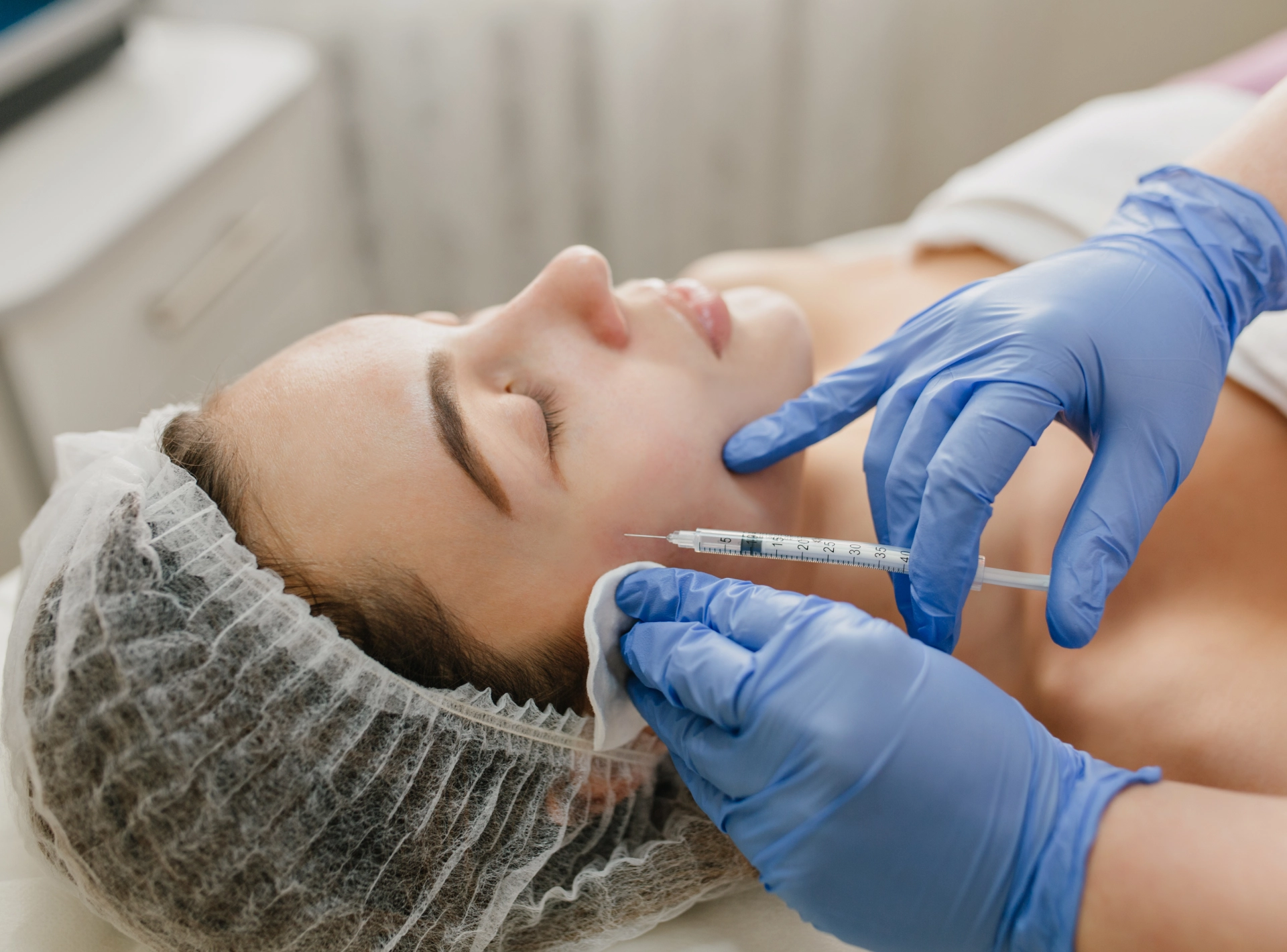
Side effects of polynucleotide injection are not very prevalent however these are crucial to understand before having this medication.
A polynucleotide injection is a skin therapy that uses fish DNA suspended in a gel to repair and revitalize the skin. They boost elasticity, moisturize intensely and support your skin in creating collagen. The consequence? Younger, healthier looking skin.
However, as with any cosmetic procedure, polynucleotide injection has potential negative effects. Knowing what the side effects are and how to deal with them can help you have a more comfortable recovery.
This blog talks about the different adverse effects of polynucleotide injection and what to do about them.
Polynucleotide Injection In Dubai
Polynucleotide Injection in Dubai is an advanced skin rejuvenation treatment that helps improve skin quality, hydration, elasticity, and tissue repair by stimulating the body’s natural regenerative processes. Derived from highly purified DNA fragments, polynucleotide injections encourage collagen production, improve skin texture, and support cellular regeneration, making them a popular option for treating fine lines, dull skin, acne scars, under-eye concerns, and signs of aging. Although the treatment is considered safe when performed by qualified medical professionals, many patients ask about polynucleotide injection side effects and their management before undergoing the procedure. Most side effects are mild, temporary, and resolve naturally within a few days. Common reactions include redness, slight swelling, bruising, tenderness, itching, or small raised bumps at the injection sites. These effects are expected because the skin responds to the tiny injections and typically disappear without affecting the final results. Some patients may also experience temporary tightness or mild sensitivity as the treated tissues begin their natural healing process. Less common complications include prolonged swelling, localized infection, allergic reactions, persistent bruising, or uneven skin texture, particularly if aftercare instructions are not followed or the treatment is performed incorrectly. Management of these side effects usually involves keeping the treated area clean, avoiding unnecessary touching or rubbing, applying cold compresses when recommended, protecting the skin from excessive sun exposure, and following the post-treatment instructions provided by the practitioner. Patients should also avoid strenuous exercise, alcohol consumption, saunas, and harsh skincare products during the initial recovery period. If severe pain, increasing redness, fever, unusual swelling, or signs of infection develop, prompt medical evaluation is essential. A thorough consultation before treatment helps determine patient suitability, identify potential contraindications, and establish realistic expectations. When performed using advanced injection techniques and high-quality products, polynucleotide injections provide safe, effective, and natural-looking skin rejuvenation with minimal downtime and long-lasting improvements in skin health.
BOOK AN APPOINTMENT TODAY
Common Polynucleotide Injection Side Effects
Polynucleotide injections are well tolerated, with some typical and brief adverse effects that may resolve within 1 to 2 days. These include:
Redness
Common for redness to occur when getting polynucleotides under the eyes. This condition is due to the skin’s reaction to the injection technique and chemicals. The redness will go away in a few hours to a day.
How to Cope with Redness
- Cold compresses can calm your skin.
- Do not touch or scratch the area.
- Use gentle skincare products for several days.
Swelling
Some swelling is to be expected and is part of the healing process for the body. It normally lasts one to two days.
How to Cope with Swelling
- Drink plenty of water to help your skin heal.
- Avoid salty meals, which can make edema worse.
- Sleep with your head elevated to decrease puffiness.
Bruising
Bruising is possible, particularly when the skin is thinner, such as under the eyes. That’s because the injection can harm small blood vessels.
How to Cope with Bruising
- Use arnica gel on the injured area to help it recover faster.
- Avoid aspirin or blood-thinning medicines before treatment (but discuss this with your doctor first).
- For a temporary fix, try a light concealer to cover the bruising.
Itching Or Tenderness
You may have some itching or tenderness where you got the shot. This is frequently a result of your skin reacting to the treatment.
How to Deal with Itching or Tenderness
- Avoid scratching the region, since this may lead to skin irritation.
- Use soothing aloe vera gel.
- If needed, over-the-counter pain medicines can aid with soreness.
Having known the frequent adverse effects of polynucleotide injection treatment, let’s check out the rare ones.
Rare Risks Of Polynucleotide Injections
Some negative effects of polynucleotide injections are very rare and may require quick care from your doctor, including the following:
Allergic Reaction
Allergic responses to the fish DNA used in polynucleotide injections are infrequent. Symptoms can include redness, swelling and itching.
How to Manage Allergic Response
- Seek quick medical attention if one thinks one has an allergic reaction.
- They might be given antihistamines or whatever else will assist control the allergy.
Infection
Infections can occur, however rare, if poor hygiene is employed at the time of or after injections.
How to Manage Infection
- Always go to a clinic with a reputation for sterility.
- Do not touch the treated area with your filthy hands.
- If you notice warmth, greater discomfort or pus, then see a doctor.
Granulomas
Granulomas are tiny lumps that form when the body recognizes the injected substance as alien. These can happen weeks or even months after treatment.
How to Manage Granulomas
- See your doctor.
- Sometimes, corticosteroid injections can help reduce the lumps.
Blocked Blood Vessels
A polynucleotide injection can lead to a vascular occlusion if the needle inadvertently occludes a blood artery during the administration of the medication. This can inhibit the blood from reaching the area as it should. This also occurs if the injection is too deep or if the needle accidentally strikes a minor blood artery.
How to Cope Vascular Occlusion
- It needs urgent medical attention.
- Symptoms include intense pain and discoloration or coldness of the region.
- Early therapy can prevent problems.
Minimising The Risks Of Side Effects Of Polynucleotide Injections
Such methods can help reduce the possibility of negative effects following polynucleotide therapy.
Select An Experienced Practitioner
Always check with a licensed and experienced medical or aesthetic professional. Their knowledge can help make the treatment safer and more successful.
Ask Questions About The Treatment
Don’t be afraid to ask your practitioner about their procedures, cleanliness protocols, and what to expect throughout recuperation.
Follow Pre-Treatment Advice
And here are some tips as you ready yourself for polynucleotide injections.
- Stay away from alcohol.
- Stop anticoagulants.
- Do not do any vigorous exercise for a day before your consultation.
Follow Post-Treatment Care
The skin care following the polynucleotide injections is as crucial as the treatment itself. Here are some key tips:
- Drink plenty of water to help keep your skin healthy and aid recuperation.
- Give your skin a chance to recover by not wearing cosmetics for at least a day.
- Avoid saunas, hot showers and direct sunshine for a couple of days.
- Avoid touching or scratching that area because it may cause the infection to become irritated.
- Keep following up to make sure the treated area has healed or is recovering.
Advantages Of Polynucleotide Injection You Should Know
Polynucleotide injections are designed to improve overall skin quality by stimulating natural tissue repair and collagen production. They help enhance skin hydration, elasticity, and firmness while reducing the appearance of fine lines, uneven texture, and early signs of aging. The treatment also supports skin regeneration, making it beneficial for delicate areas such as the face, neck, and under-eye region. With minimal downtime and gradual, natural-looking improvements, polynucleotide injections are suitable for individuals seeking healthier, more radiant skin without surgery.
Why Polynucleotide Injection Is The Best Solution
Polynucleotide injections offer a non-surgical approach to skin rejuvenation by addressing the underlying causes of skin aging rather than simply masking visible concerns. The treatment encourages the skin’s natural healing process, improves collagen and elastin production, and enhances overall skin quality over time. It can be customized to suit different skin types and treatment goals, making it an effective option for improving hydration, firmness, and texture. With progressive, long-lasting results and minimal recovery time, polynucleotide injections provide a safe and effective solution for comprehensive skin revitalization.
How Polynucleotide Injection Restores Confidence And Appearance
Polynucleotide injections help restore a fresher, healthier appearance by improving skin texture, hydration, and elasticity. As the skin becomes firmer and more radiant, fine lines and signs of fatigue become less noticeable, creating a naturally youthful look. The gradual improvements allow patients to maintain natural facial expressions while enhancing overall skin quality. Many individuals feel more confident in their appearance as their skin looks smoother, brighter, and better refreshed. With personalized treatment planning and regular maintenance sessions, polynucleotide injections provide long-lasting skin rejuvenation that supports both confidence and overall facial harmony.
FAQs
What Are The Risks Of Polynucleotide Injections?
Common side effects of polynucleotide injections include swelling, bruising and pain; unusual dangers include allergic reactions and arterial blockage.
Can Polynucleotides Go Wrong?
This treatment may not work if the polynucleotides are injected in the wrong area or in too large an amount. But it’s less risky when performed by an expert.
What Are The Long-Term Side Effects Of Polynucleotides?
In rare situations, the negative effects of polynucleotide injections may be prolonged, including chronic swelling, allergies and nodules.
How Long Do Polynucleotide Injections Last?
The effects of the polynucleotide injections usually last half a year. This can vary depending on things like age, lifestyle choices, and skin disorders.
MEET THE EXPERT DOCTOR
Best Aesthetic Clinic In Dubai For Polynucleotide Injection
Best Aesthetic Clinic in Dubai for Polynucleotide Injection is an important choice for individuals seeking safe, personalized, and effective skin rejuvenation using advanced regenerative aesthetic treatments. Perfect Doctors Clinic provides comprehensive consultations before every procedure to ensure that each patient receives the most appropriate treatment based on their skin condition, medical history, lifestyle, and cosmetic goals. During the assessment, experienced specialists carefully evaluate skin quality, hydration, elasticity, collagen loss, pigmentation concerns, acne scars, previous cosmetic procedures, allergies, and overall health before determining whether polynucleotide injections are the right option. Patients receive detailed explanations about the procedure, expected results, possible side effects, recovery timeline, and appropriate aftercare, allowing them to make informed decisions with confidence. The clinic uses premium-quality products and advanced injection techniques that are designed to maximize treatment effectiveness while minimizing bruising, swelling, discomfort, and other temporary side effects. Specialists also educate patients about recognizing uncommon complications and provide clear guidance on how to manage normal post-treatment reactions during the healing process. Every treatment plan is individually customized rather than following a standardized protocol, ensuring natural-looking improvements that suit the patient’s skin type and long-term aesthetic goals. Comprehensive aftercare instructions, scheduled follow-up appointments, and continuous patient support help monitor recovery and optimize treatment outcomes. Patients are also advised on skincare routines, hydration, sun protection, and healthy lifestyle habits that help maintain collagen production and prolong the benefits of treatment. By combining advanced regenerative technologies, experienced practitioners, evidence-based treatment protocols, and compassionate patient care, Perfect Doctors Clinic helps patients achieve healthier, firmer, smoother, and more youthful-looking skin. Their commitment to patient safety, individualized treatment planning, clinical excellence, and long-term skin health has made them a trusted destination for polynucleotide injection treatments in Dubai.
Final Thoughts On Polynucleotide Injection Side Effects
Polynucleotide therapy is a highly effective rejuvenation procedure to restore the elasticity and moisture rate of the skin. The most typical side effects from polynucleotide injections are a little redness or mild edema. But they should heal smoothly, without tension, and you should know what to do if they occur.
As you enjoy the benefits of rejuvenating treatment, you can avoid hazards by seeking after-care advice and a consultation with a skilled practitioner. Remember that a little preparation and care can help you achieve the glow of healthy skin!