





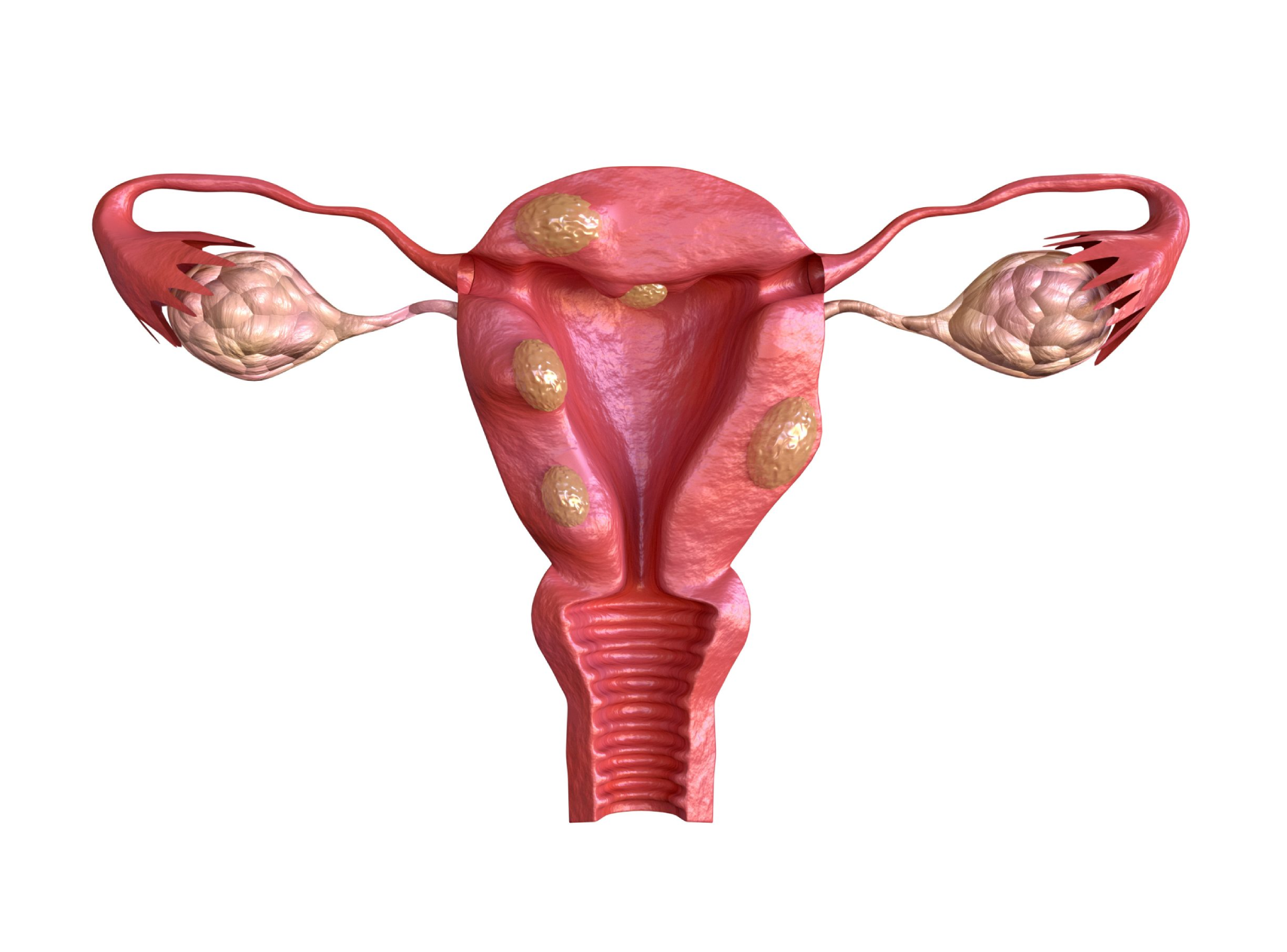
It normally takes one to three weeks to recuperate from ovarian cyst surgery. But this time to recuperate can be different for each woman, depending on things like the type of surgery, her age, and any health problems she may have. You need to change some things about your life and follow all the post-surgery guidelines to speed up the healing process. We have put together some tips to help you heal faster following the procedure.
Ovarian Cyst Surgery In Dubai
Ovarian Cyst Surgery in Dubai is a medical procedure performed to remove cysts from the ovaries when they cause pain, discomfort, or other complications. The surgery may be done using minimally invasive laparoscopic techniques or in more complex cases through open surgery, depending on the size and condition of the cyst. Understanding recovery after ovarian cyst surgery is crucial for smooth healing and long-term health. After the procedure, patients may experience mild abdominal pain, bloating, fatigue, and slight discomfort, which is normal and gradually improves over several days. Rest is essential during the first few days, and heavy lifting or intense physical activity should be avoided. A balanced diet plays a key role in recovery, including foods rich in fiber, protein, and vitamins to support healing and reduce constipation. Staying hydrated and avoiding oily, processed, or spicy foods can also help improve digestion and comfort. Gentle walking is encouraged to improve blood circulation and prevent complications. Full recovery usually takes a few weeks depending on the individual and the type of surgery performed. Following medical advice carefully ensures faster healing and better overall recovery outcomes.
Recovery After Ovarian Cyst Surgery
Everyone heals after ovarian cyst surgery at a different rate. After surgery, your body needs time to mend and get better. You can go back to your normal activities two weeks after surgery, but you should stay away from heavy lifting and other strenuous activity. After surgery, your doctor will usually suggest physical therapy to help you regain strength and flexibility. After having your ovaries removed, it’s crucial to do what your doctor says to speed up your recovery. You should also go to follow-up appointments to make sure you are recovering properly. If you have any signs of infection, like a fever, redness, drainage from the incision site, or significant pain or bleeding, you should see a gynecologist right away to avoid any problems.
Timeline Of Ovarian Cyst Surgery Recovery
The style of surgery (laparoscopic ovarian cyst surgery or laparotomy), the size and location of the cyst, and the person’s overall health all affect how long it takes to recuperate from ovarian cyst surgery. In general, it can take anything from a few days to a few weeks to become well.
After laparoscopic ovarian cyst surgery, you normally need to be watched for 3 to 4 hours. You can go home that same day. Most people who have laparoscopic ovarian cyst surgery need around a week to heal. You should be able to go back to work and most other things in one to two weeks. But it takes a little longer to heal after laparotomy surgery. After the procedure, you should plan on staying in the hospital for one to two nights. You need to stay away from hard exercise and other activities for six to seven weeks following the surgery to fully heal. You also need to eat a lot of foods that are good for recovery and stay away from items that make the incision hurt and make the disease easier to come back.
Dietary Modifications To Make After Ovarian Cyst Surgery
A patient loses a lot of blood after having surgery for ovarian cysts. So it’s very vital to establish a food plan at home so that the body can heal. In addition to this, here are some foods that are good to eat after ovarian cyst surgery:
- High-fiber foods: Pears, oranges, lentils, and peas are all high in fiber. They also have phytochemicals that hinder the body from reabsorbing estrogen hormone. They lower the risk of ovarian cancer even further. Women with cyst problems often have hormone imbalances, but eating these foods can help.
- Lean protein foods: After surgery for ovarian cysts, it’s important to keep your weight stable. Choose lean proteins like fish, tofu, and chicken. They are good for you and help keep hormones in balance. Eating a lot of fat can promote inflammation, which can be very painful.
- Omega 3 fatty acid foods: Foods high in omega-3 fatty acids can help manage the hormone changes that arise in ovarian cysts. Fish, nuts, and seeds like flax seeds are some of these foods. Flax seeds have been shown to lower the body’s testosterone levels, which tend to rise in this situation.
- Chamomile Tea: Chamomile tea is a calming drink that helps relieve the cramping caused by the cyst. It can help with the discomfort because it has anti-inflammatory effects. Drinking a hot cup of this tea will help with your symptoms.
- Indole- 3 carbinol foods: Foods high in indole-3-carbinol (I3C), such as brussels sprouts, cauliflower, cabbage, and broccoli, help the body get rid of extra hormones. Eating these foods makes your body release estrogen.
- Magnesium-rich foods: Eating foods that are high in magnesium can help ease cramps. Bananas, cashews, almonds, bokchoy, avocados, and green leafy vegetables are some of these foods.
Lifestyle Changes To Make After Ovarian Cyst Surgery
After surgery for an ovarian cyst, your gynecologist may tell you to make certain changes to your lifestyle to help you heal and lower the risk of issues. These changes could include:
- It’s really important to get enough sleep and let your body heal after surgery. Your doctor says you shouldn’t do too much or lift big things for a few weeks.
- Walking and other light exercise can enhance blood flow and minimize the risk of blood clots following surgery. Your doctor could suggest physical therapy to help you get your strength and flexibility back.
- A diet that is well-balanced and full of nutrients can help you heal faster and reduce inflammation. Your doctor may tell you to stay away from hot or greasy foods because they could hurt your stomach or slow down your recovery.
- After surgery, your doctor may give you pain medicines to help you deal with any pain or discomfort. Taking these drugs exactly as directed and avoiding over-the-counter medicines, which could increase your bleeding, is crucial.
- It’s important to have follow-up visits with your doctor to keep an eye on your recovery and talk about any problems or concerns that may come up.
- It can be hard to deal with your feelings following surgery. If you’re feeling stressed, anxious, or depressed, talk to friends, family, or a mental health professional.
- Always do everything your doctor says to do to help you recover from ovarian cyst surgery. If you have any unexpected symptoms or problems, such as a fever, an infection, or a lot of pain, call your doctor straight once.
Do’s & Don’ts After Ovarian Cyst Surgery
After having surgery to remove an ovarian cyst, there are several things you should and shouldn’t do to help your body heal and lower the risk of problems. Here are some general rules to follow:
Do’s After Ovarian Cyst Surgery:
- Follow your doctor’s recommendations: Your doctor will give you clear instructions on how to heal, including when you can go back to your normal activities, how to care for the area around your incision, and when to make follow-up appointments.
- Take good care of your incision: To minimize the chance of infection, keep the area around the cut clean and dry. Talk to your doctor if you need to change your bandages or dressings.
- Rest and recovery: Your doctor told you to relax a lot and avoid strenuous activities, heavy lifting, and exercise for a few weeks.
- Stay hydrated by drinking a lot of water and other fluids. This can help you heal and minimize your risk of issues.
- Eat a balanced meal full of nutrients: This can help you heal and lower inflammation. Your doctor may tell you to stay away from certain foods.
- Manage pain: Take medicines as your doctor tells you to if you have any pain or discomfort after surgery.
- Go to all of your doctor’s follow-up appointments to keep track of your healing and deal with any problems or complications that may come up.
Don’ts After Ovarian Cyst Surgery:
- Don’t lift heavy objects: For a few weeks after surgery, don’t lift heavy things or do hard workouts.
- Don’t drive immediately: Don’t drive for a few days following surgery or until your doctor tells you to.
- Don’t take baths: Your doctor will tell you when it’s okay to take a bath or swim.
- Don’t smoke: Smoking can slow down recovery and make complications more likely. Don’t smoke or be among those who smoke.
- Don’t drink alcohol: It can slow down recovery and make complications more likely. Don’t drink alcohol unless your doctor says it’s okay.
Always do what your doctor says and follow their advice for healing after ovarian cyst surgery. If you have any strange symptoms or problems, such as a fever, an infection, or extreme discomfort, you should call your doctor right away.
Your First 24 Hours Of Ovarian Cyst Surgery Recovery
During the first day after ovarian cyst surgery, patients may experience pain, drowsiness, and mild nausea due to anesthesia. Rest is essential, and movement should be limited. Hospital monitoring may be required in some cases. Following instructions, staying hydrated, and avoiding strain help support safe early recovery and comfort.
Stages Of Healing After Ovarian Cyst Surgery
Healing occurs in stages after ovarian cyst surgery. The first few days involve pain and swelling. Within one to two weeks, mobility improves and discomfort reduces. Over several weeks, internal tissues heal completely. Gradual return to normal activities supports recovery, while regular follow-ups ensure proper healing and prevent complications.
Swelling, Bruising, And Scarring After Ovarian Cyst Surgery
Swelling and mild bruising are common around the incision site after ovarian cyst surgery. These symptoms usually improve within a few days to weeks. Scarring depends on the surgical method, with laparoscopic procedures causing minimal scars. Proper wound care and hygiene help reduce visible marks and support healthy healing.
Downtime For Desk Jobs After Ovarian Cyst Surgery
Downtime for desk jobs depends on the type of surgery performed. After laparoscopic surgery, most individuals can return to work within one to two weeks. Open surgery may require a longer break. Avoid prolonged sitting initially and take short breaks to prevent discomfort and support proper recovery during the healing process.
Ovarian Cyst Surgery Recovery Tips For Better And Faster Results
To recover faster, follow all medical advice, rest adequately, and avoid heavy lifting or strenuous activities. Maintain a healthy diet and stay hydrated. Keep the surgical area clean and attend follow-up appointments. Gentle movement and proper care help reduce complications, promote healing, and support a safe and smooth recovery process.
BOOK AN APPOINTMENT TODAY
FAQs – Ovarian Cyst Surgery Recovery
What Are The Risks And Complications Of Ovarian Cyst Surgery?
The usual dangers and problems that can happen after ovarian cyst surgery are:
- The likelihood of an ovarian cyst bursting
- Possibility of scar tissue production
- A protrusion and swelling in the stomach
What Questions To Ask My Gynecologist Before Ovarian Cyst Surgery?
To better understand the operation and the dangers and problems that could come up, you should ask your gynecologist the following questions before having surgery for an ovarian cyst:
- How long does it take to fully heal after having surgery for ovarian cysts?
- Can having surgery on an ovarian cyst effect my ability to get pregnant?
- What should I do to get ready for surgery to remove an ovarian cyst?
- What changes will happen to my body after I have surgery to remove an ovarian cyst?
- What should I do after having surgery for an ovarian cyst to heal faster?
MEET THE EXPERT DOCTOR
Best Plastic Surgeon In Dubai For Ovarian Cyst Surgery
Best Plastic Surgeon in Dubai for Ovarian Cyst Surgery should provide advanced surgical expertise, patient-focused care, and safe medical practices to ensure effective treatment and smooth recovery. A trusted option like Dr. Perfect Celebrity at Perfect Doctors Clinic is known for delivering precise surgical care with a strong emphasis on patient safety and comfort. During recovery, patients receive detailed guidance on diet and lifestyle changes that support faster healing and reduce complications. Specialists often recommend a nutrient-rich diet, including fresh fruits, vegetables, lean proteins, and whole grains to promote tissue repair. Patients are also advised to avoid smoking, alcohol, and strenuous physical activities during the early recovery phase. Proper rest and stress management are equally important for hormonal balance and overall healing. Follow-up appointments are necessary to monitor progress and ensure proper recovery. Choosing an experienced surgeon ensures not only safe surgery but also a well-managed recovery process, helping patients return to normal life with improved health and confidence.