





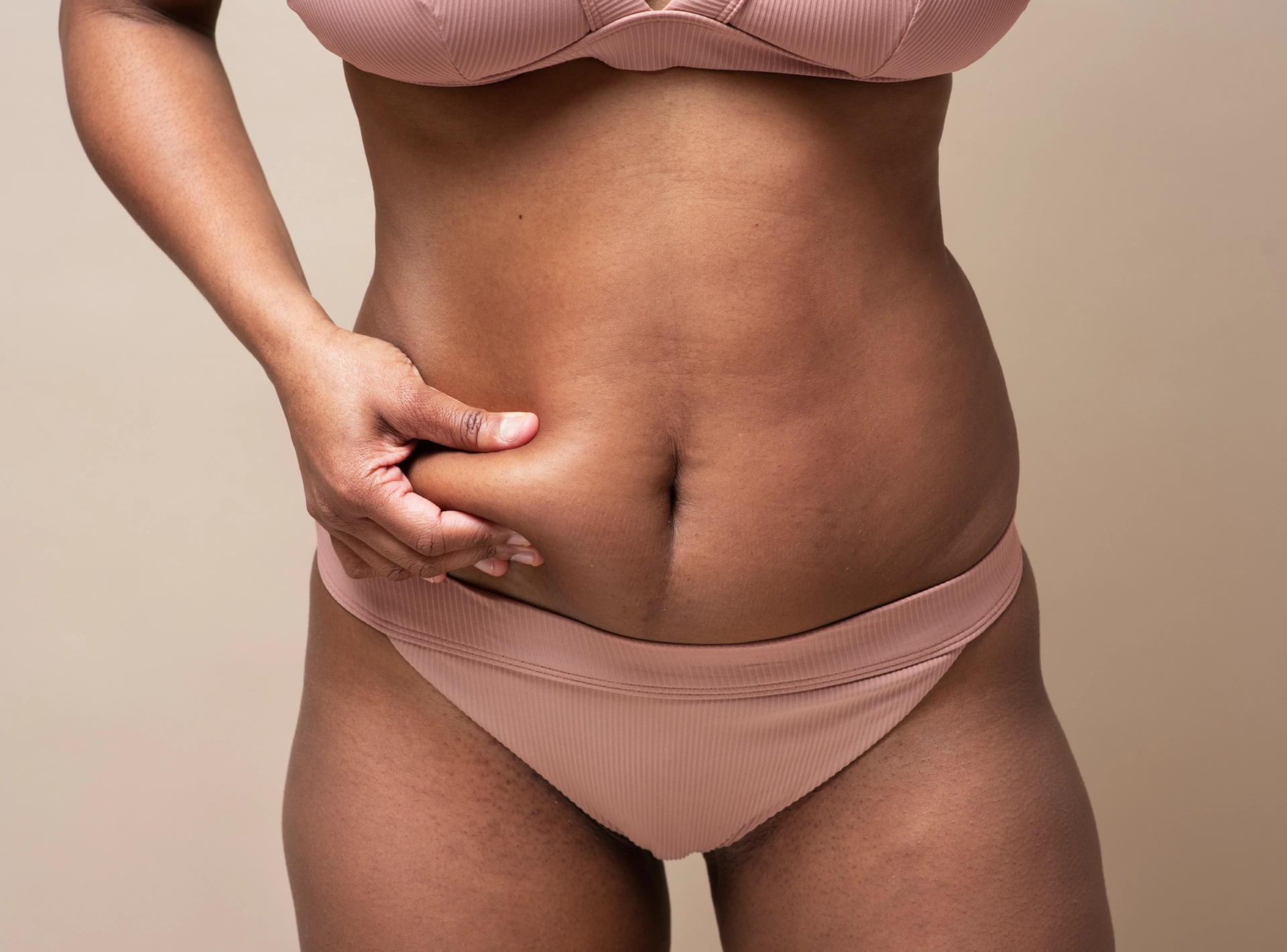
Millions of adults are reaching their goal weight using GLP-1 drugs like Ozempic, Wegovy, and Mounjaro. This is the start of a new chapter in their metamorphosis. Dr. Perfect Celebrity of Perfect Doctors Clinic, is helping patients traverse the developing area of post-weight-loss body contouring. They use modern liposuction procedures and skin-tightening technologies to get results that medication alone can’t.
Modern Liposuction In Dubai
Modern Liposuction in Dubai has evolved to address body contour concerns following significant weight loss, including results achieved with GLP-1 medications. After rapid fat reduction, some patients experience stubborn residual fat pockets or mild skin laxity that affect overall body definition. Advanced liposuction techniques allow precise sculpting to refine contours and enhance proportions safely. With proper assessment and personalized planning, patients in 2026 can achieve smoother transitions, balanced body shape, and natural-looking refinement after their weight loss journey.
Weight Loss Surgery In Dubai
Weight Loss Surgery in Dubai has entered a new era in 2026, especially with the rising popularity of GLP-1 medications that help individuals achieve significant weight reduction. However, after this type of weight loss, many patients are left with stubborn fat pockets or areas where the body shape does not fully match their expectations. This is where modern liposuction plays an important role. It is essential to understand that liposuction is not a weight-loss method but a body contouring procedure designed to refine and sculpt areas like the abdomen, thighs, and arms. For patients who have used GLP-1 treatments, surgeons in Dubai recommend waiting until weight has stabilized before considering liposuction. This ensures long-lasting and predictable results. Advanced techniques now allow for more precise fat removal with minimal downtime and smoother contours. In some cases, additional procedures like skin tightening may be suggested to address loose skin after rapid weight loss. With expert guidance and personalized treatment plans, patients in Dubai can achieve a more balanced, toned, and natural-looking body shape after their weight loss journey.
Why Is Liposuction Demand Surging After GLP-1 Weight Loss In 2026?
Liposuction after GLP-1 weight loss is on the rise in 2026 because millions of people who dropped a lot of weight on semaglutide and tirzepatide drugs are now dealing with stubborn fat deposits, loose skin, and alterations in body proportions that no medication can fix. The American Society of Plastic Surgeons (ASPS) says that GLP-1 makeovers are one of the most popular types of plastic surgery in 2026, which shows how high the demand is right now.
The pattern is the same in all practices across the country. Patients who started GLP-1 medication in 2025 and 2026 have attained or are close to their target weight. Many of them are finding that the last 15 to 25 percent of their body transformation needs surgery to be perfect. People sometimes worry about fat pockets that won’t go away around the stomach, sides, and thighs, as well as skin that has lost its flexibility after losing a lot of weight quickly.
This spring, there are more consultations for body contouring after Ozempic and other similar drugs than ever before. This is because patients want to get the operations done before summer. The timing works out with both the seasonal demand and the natural treatment timeframe. Most patients need to keep their weight stable for three to six months before they can have surgery.
What Is A Glp-1 Makeover And Who Is It For?
ASPS trend reports popularized the phrase “GLP-1 makeover” to represent a set of operations designed for those who have lost 25 to 95 pounds or more using GLP-1 receptor agonist medicines. A GLP-1 makeover usually includes liposuction to get rid of fat, skin-tightening technologies like BodyTite or Renuvion, and sometimes fat transfer to add volume to places like the face or buttocks.
The best person for the job has maintained a steady weight for at least three months, is in good health generally, and has realistic ideas about what surgery can do. These patients don’t want to lose weight; they want the sculpted, proportional body that their weight loss showed but didn’t entirely give them.
How Does Glp-1 Weight Loss Change The Body Differently Than Diet And Exercise?
GLP-1 drugs cause quick and big weight loss that affects the body in ways that are different from losing weight slowly with diet and exercise. When you lose weight quickly, your skin may not be able to keep up, which can make the abdomen, upper arms, inner thighs, and face look more loose. A lot of patients also have breasts and buttocks that lose volume, which they didn’t expect.
These differences are important for planning surgery. A patient who lost 55 pounds in eight months on semaglutide may have different tissue features than someone who lost the same amount with lifestyle changes over two to three years. The skin may be thinner, the distribution of the residual fat may be less predictable, and areas of fibrous tissue from prior fat deposits may need particular procedures to be treated well.
BOOK AN APPOINTMENT TODAY
What Are The Most Advanced Liposuction Techniques Available In 2026?
In 2026, the best liposuction methods are Lipo 360 for shaping the body all the way around, power-assisted liposuction (PAL) for precise fat removal, BodyTite radiofrequency-assisted liposuction for tightening the skin at the same time, and Renuvion helium plasma technology for tightening the skin under the surface. Depending on the patient’s anatomy and needs, these technologies can be utilized alone or in combination.
The table below compares the most important elements of each treatment that is currently available for body sculpting after weight loss:
| Technique | Primary Benefit | Best For | Skin Tightening |
| Lipo 360 | circumferential sculpting | full torso contouring | Minimal |
| Power-Assisted Liposuction (PAL) | Removes fat with great accuracy | Even in tough or fibrous areas | Minimal |
| BodyTite (RFAL) | Removes fat and tightens skin | Moderate skin laxity is significant | Significant |
| Renuvion (J-Plasma) | A way to tighten skin under the surface | It works well with liposuction | Significant |
What Is Lipo 360 And Why Is It So Popular For Post-Weight-Loss Patients?
Lipo 360 is a type of circumferential liposuction that removes fat from the whole torso in one session. This includes the belly, flanks, waist, and back. This 360-degree technique is very popular with people who have just started taking GLP-1 since their weight loss is more spread out than focused, which leaves uneven fat distribution throughout the whole midsection.
Surgeon like Dr. Perfect Celebrity can get balanced, proportional results by treating the whole circumference instead of only certain areas. Lipo 360 is a top trend for 2026 for getting natural curves through full-body contouring. Its popularity is growing among people who want to completely change their stomach.
How Does Power-Assisted Liposuction (PAL) Improve Precision And Safety?
Power-assisted liposuction uses a vibrating cannula to break up fat cells before suctioning. This gives the surgeon more control over the procedure and less physical strain. This is especially helpful for people who have lost weight and have areas of dense, fibrous tissue that are hard to treat with regular liposuction procedures.
PAL cuts down on tissue damage, shortens the time spent in surgery, and keeps surgeons from getting too tired during longer procedures like Lipo 360. Perfect Doctors Clinic has been using sophisticated liposuction technologies, like power-assisted procedures, for a long time to help patients get better results and heal faster. For patients with large treatment areas, PAL’s effectiveness means that they need less anesthetic and have a better experience after surgery.
What Is Bodytite And How Does Radiofrequency-Assisted Liposuction Tighten Skin?
BodyTite is a radiofrequency-assisted liposuction (RFAL) tool that sends regulated heat to both the fat layer and the skin on top of it at the same time. An internal electrode melts fat so it can be removed, and an external electrode keeps an eye on the skin’s temperature. This makes the skin contract, which makes it tighter during the treatment.
BodyTite can fill the gap between liposuction alone and more invasive excisional surgery for GLP-1 patients with mild skin laxity. The radiofrequency energy makes the body make more collagen and remodels tissue, which keeps going for several months after the treatment. This slowly tightens the skin. BodyTite is especially useful for people who want to avoid the lengthier scars that come with a stomach tuck or body lift because it removes fat and tightens skin at the same time.
Can Renuvion (J-Plasma) Be Combined With Liposuction For Better Skin Tightening?
Renuvion uses a mix of helium plasma and radiofrequency radiation administered under the skin to make the tissue shrink right away and over time. Renuvion is put in through the same small cuts as liposuction to tighten the layer of tissue under the skin after fat has been removed. ASPS 2026 trend data notably mentions Renuvion as an important technology used with liposuction in GLP-1 makeover operations.
Renuvion and BodyTite both make the skin tighter, but they do so in different ways. BodyTite uses bipolar radiofrequency to remove fat, while Renuvion uses focused helium plasma energy to reach the skin’s undersurface after liposuction is done. In some situations, both technologies may be employed in the same process to get the most skin contraction possible in patients who have a lot of loose skin but don’t want to have surgery to remove it.
Is Liposuction After GLP-1 Medications Safe?
It is safe to have liposuction after losing weight with GLP-1 if a board-certified plastic surgeon does it on a patient who has reached weight stability and followed the right drug management guidelines. PAL and RFAL are more advanced techniques that are safer than older ones because they cause less blood loss, less tissue damage, and shorter surgery times, which lowers the overall risk of surgery.
Choosing the right patients is still the most significant safety aspect. Candidates must be in good health overall, not have any medical conditions that are out of control, and have kept their weight consistent. You should also pay attention to your nutritional status because long-term usage of GLP-1 can sometimes lower protein consumption and cause vitamin deficiencies that can slow down recovery.
How Long Should You Be Off GLP-1 Medication Before Liposuction?
Plastic surgeons and anesthesiologists are starting to agree that people should stop taking GLP-1 drugs before any treatment that needs anesthesia. Semaglutide and tirzepatide make the stomach empty more slowly, which is a condition called gastroparesis. This raises the risk of aspiration during sedation or general anesthesia. A lot of surgeons say to cease taking the medicine two to three weeks before surgery; however, the exact rules differ.
The American Society of Anesthesiologists has given advice on this subject, and as more information becomes available, specific surgical practices are continuing to improve their procedures. When you meet with Dr. Perfect Celebrity at Perfect Doctors Clinic, they will provide you specific instructions based on the type of medicine you are taking, the dose, and the surgery plan.
What Weight Should You Reach Before Considering Body Contouring?
Before getting body contouring surgery, patients should reach their goal weight and keep it for at least three to six months. When a patient is still losing weight, surgery can affect the results. This is because shedding more fat and changing the skin after surgery can cause asymmetry or the need for more surgery.
Being stable at a certain weight doesn’t always mean you’ve reached your “ideal” body weight. It involves getting to a weight that the patient can realistically keep, whether or not they keep taking low-dose GLP-1 therapy. This is a useful conversation for many patients to have at a consultation, when the surgeon may look at the patient’s present body composition and suggest the optimum time for the procedure.
What Results Can You Expect from Liposuction After Major Weight Loss?
Liposuction can make your body look better by eliminating stubborn fat deposits that don’t go away even after you reach your ideal weight. This can greatly improve your body’s shape, proportion, and definition. Patients can also get significant skin retraction when they use skin-tightening technology like BodyTite or Renuvion. But liposuction has its limits. It can’t get rid of a lot of extra skin or fix severe laxity that needs excisional operations.
The best results happen in people who have good skin elasticity and fat deposits in certain areas. Patients with more diffuse laxity do well with the combined technique, which uses liposuction to shape the body and RF or plasma radiation to tighten it. This often gets them the results they want without having to have bigger surgeries.
When Is Liposuction Enough And When Do You Need A Tummy Tuck Instead?
The main thing that will help you choose between liposuction and a stomach tuck is how loose your skin is. People who have mild looseness, good skin tone, and mostly fat-related problems are generally great candidates for liposuction with BodyTite or Renuvion. Patients with a lot of loose skin, divided abdominal muscles, or very loose skin usually need a stomach tuck or body lift to get the best outcomes.
A lot of people who have had GLP-1 fall somewhere in the middle. The surgeon looks at the quality of the skin, the quantity of extra tissue, the integrity of the muscles, and the distribution of fat during a physical exam to suggest the best course of action. Some patients do better with a tiered plan. They start with liposuction and skin tightening, and then once they are healed, they see if they need more surgery to remove more skin.
How Does Fat Transfer Complement Liposuction For Post-GLP-1 Patients?
Fat transfer, which is also called fat grafting, takes fat out of the body after liposuction, cleans it, and puts it back into places that have lost volume. For those who have had GLP-1, this usually means filling out their face (which typically looks gaunt after losing a lot of weight), their buttocks, or their breasts. According to ASPS 2026 trend statistics, fat transfer is an important part of several GLP-1 makeover operations.
Perfect Doctors Clinic has a lot of experience with fat grafting, which is where fat that has been removed is used to make the face look younger, restore volume to the hands, and make the buttocks bigger. This method has the added benefit of enhancing the shape of the donor area and providing natural volume where it has been lost, all in one surgery.
What Does Liposuction Recovery Look Like In 2026?
In 2026, liposuction recovery is shorter and more comfortable than in the past. This is because of better methods, including tumescent anesthesia, power-assisted technology, and the usage of drugs like Tranexamic acid to stop bleeding and bruising. Most patients go back to work at a desk within five to seven days and start exercising again within three to four weeks, but the exact time frames depend on how much treatment they had.
People usually wear compression clothes for four to six weeks to help the skin heal and decrease edema. Patients should expect some edema and bruising during the first two weeks. Over the next few months, things should get better.
How Long Does It Take To See Final Results After Liposuction?
There is a set schedule for when you will see the ultimate outcomes of liposuction:
- You can see an improvement in shape within two to four weeks when the swelling goes down.
- Three months later, there are clear signs of significant contouring.
- Final outcomes—encompassing total skin retraction and tissue stabilization—within six to twelve months.
Patients who get BodyTite or Renuvion with liposuction commonly see their skin getting tighter over time, which can last for three to six months after the procedure. This is because collagen is being remodeled. This means that the results get better over time, which is a big plus for people who have lost weight and are worried about loose skin.
Are Patients More Accepting Of Scars For Better Body Contouring Results?
There is a big change happening in how patients feel. Marie Claire’s 2026 research on cosmetic trends shows that more and more people are willing to accept well-placed surgical scars in exchange for better body sculpting results. This is a change from the “no-scar” preoccupation that made some patients choose less effective, less intrusive options in the past.
Incision scars are already small for liposuction patients, usually only a few millimeters long and situated in natural creases or hidden locations. Patients are now more willing to accept a longer scar in exchange for a much better body shape when they need multiple treatments, like a tummy tuck.
MEET THE EXPERT DOCTOR
Why Should You Choose A Board-Certified Plastic Surgeon In Perfect Doctors Clinic For Post-Glp-1 Liposuction?
If you choose a board-certified plastic surgeon for post-GLP-1 liposuction, you may be sure that the doctor has the right training in body contouring, patient safety, and surgical technique. The American Board of Plastic Surgery requires years of specialized residency training, tough tests, and continual continuing education for board certification. These qualifications are especially critical for complicated issues that come up after weight reduction.
Dr. Perfect Celebrity of Perfect Doctors Clinic, has has decades of experience in body contouring. They also have access to the newest technology, such as PAL, BodyTite, and Renuvion. Their approach is comprehensive and involves both surgical and med spa services. This means that patients may get all of their care in one place, from liposuction and skin tightening to non-surgical treatments that work with the outcomes of surgery.
What Should You Ask During A Liposuction Consultation?
A successful outcome starts with a full consultation. People who are thinking about getting liposuction after losing weight with GLP-1 should come with certain questions:
- How many patients have you treated for body contouring after GLP-1?
- What kind of liposuction do you think would work best for my body type and why?
- Am I a good candidate for liposuction on its own, or would I be better off with more than one procedure?
- What can you realistically anticipate from skin tightening without surgery?
- What do you do to manage GLP-1 medications before and after surgery?
- How long would it take for me to recuperate from the operations I have planned?
These questions assist patients figure out how experienced the surgeon is, if the suggested plan fits with their goals, and what all of their treatment will involve.
Frequently Asked Questions About Liposuction After GLP-1 Weight Loss
Can You Get Liposuction While Still Taking Ozempic Or Wegovy?
Most plastic surgeons say that people should stop using GLP-1 drugs before liposuction because they are worried about delayed stomach emptying and the safety of anesthesia. Semaglutide and tirzepatide slow down digestion, which makes it more likely that someone would aspirate when they are sedated. Patients should talk to their surgeon and anesthesiologist about their individual medication regimen well before the day of the procedure to make sure they know when it is safe to stop taking them.
How Much Does Liposuction Cost After GLP-1 Weight Loss?
The price of liposuction following GLP-1 weight loss depends on how many locations are treated, what technologies are employed, whether skin tightening or fat transfer are involved, and where the practice is located. If you want a full GLP-1 makeover that includes Lipo 360 with BodyTite and fat transfer, it will cost more than just liposuction of one location. The best way to get an accurate quote is to meet with the surgeon in person so they can see all the work that has to be done.
Will the Fat Come Back If You Stop Taking GLP-1 Medication After Liposuction?
Liposuction permanently destroys fat cells from the places that were treated, thus those areas will not get bigger again. But if a person stops taking GLP-1 medicine and then gains weight, the fat cells that are still in their body can get bigger. This means that weight gain may show up in regions that haven’t been treated. To keep the benefits, you need to stick to a balanced diet and exercise regularly, whether or without using medication.
Is Liposuction After Weight Loss Covered By Insurance?
Liposuction is a cosmetic treatment; thus, health insurance usually doesn’t cover it. There may be rare instances when a procedure is needed for a recognized medical reason, such as lipedema. Most plastic surgery offices, like Perfect Doctors Clinic, provide financing options to help customers pay for their body reshaping goals.
What Is The Difference Between Liposuction And A Body Lift After Major Weight Loss?
When used with technologies like BodyTite or Renuvion, liposuction can help tighten skin moderately. A body lift is a type of surgery that cuts away a lot of extra skin and tissue. This leaves longer scars but fixes severe laxity more dramatically. After GLP-1, many individuals can benefit from one or both treatments, depending on how much extra skin they have. A board-certified surgeon can prescribe the best method during a physical evaluation.
How Long Should You Wait After Reaching Your Goal Weight To Get Liposuction?
Patients who have lost weight using GLP-1 should keep their weight steady for at least three to six months before getting liposuction. If you operate too soon, when your body is still reducing weight, you could get results that aren’t even or have to have revision treatments. During a consultation, a board-certified plastic surgeon can look at your body composition and figure out the best time for you.
Do You Need To Stop Taking Ozempic Or Wegovy Before Liposuction Surgery?
Most plastic surgeons say that you should stop using GLP-1 drugs two to three weeks before liposuction. Semaglutide and tirzepatide slow down the emptying of the stomach, which makes it more likely that you will aspirate while under anesthesia. Patients should talk to both their surgeon and anesthesiologist about their protocol well before the intended surgery date because the specific timetables for stopping medications depend on the type of medicine and the dose.
What Is The Difference Between Bodytite And Renuvion For Skin Tightening After Weight Loss?
BodyTite uses bipolar radiofrequency radiation to remove fat and tighten skin at the same time. Renuvion, on the other hand, sends helium plasma energy under the skin after liposuction is done. Both of them make more collagen, which makes the skin tighter over time. For patients with more loose skin, surgeons may use both technologies in one treatment to get the most skin contraction possible.
How Long Does It Take To See Final Results After Liposuction?
You can see a change in shape in the first two to four weeks as the swelling goes down. Around three months, you can see a big difference in the way the body looks. The final results, which include the skin pulling back completely and the tissue settling, usually show up six to twelve months after the procedure. Patients who get BodyTite or Renuvion generally find their skin getting tighter over the course of three to six months as collagen remodeling happens.
Will Fat Come Back After Liposuction If You Stop Taking Glp-1 Medication?
Liposuction permanently takes fat cells out of the places that were treated, thus those areas will not get bigger again. But if you stop taking GLP-1 medicine and then gain weight, the fat cells in your body can grow, which can make you gain weight in regions that aren’t being treated. To keep the benefits, you need to eat well and exercise often.
What Is Lipo 360 And Why Is It Recommended For Post-Glp-1 Patients?
Lipo 360 is a type of circumferential liposuction that works on the whole torso in one session. This includes the belly, flanks, waist, and back. It works best for people who have just had GLP-1 since weight reduction from medicine tends to be diffuse rather than localized, which means that fat is unevenly distributed around the waist. This 360-degree method gives you body sculpting results that are symmetrical and proportional.
Is Liposuction After Weight Loss Covered By Health Insurance?
Liposuction is a cosmetic treatment, thus most health insurance plans don’t cover it. There may be rare cases where a surgery is done to treat a recognized medical need, such lipedema. Most plastic surgery offices provide financing options to help customers pay for body contouring. A personalized consultation is the best way to get an exact estimate of the cost.
What Is The Next Step Toward Your Post-Weight-Loss Body Contouring Goals?
In 2026, the tools and methods used for liposuction after GLP-1 weight reduction are safer, more accurate, and more effective than they have ever been for body shaping. Today’s patients can choose from a wide range of procedures, such as Lipo 360, power-assisted liposuction, BodyTite, and Renuvion skin tightening, that can be customized to fit their bodies and aspirations. Individualized surgery planning with a board-certified plastic surgeon who has a lot of experience is the key to a good result.
This spring, if you’ve reached or are close to your goal weight after GLP-1 therapy, now is a great time to look into your options. Dr. Perfect Celebrity at Perfect Doctors Clinic will meet with you to talk about your body contouring needs and design a treatment plan just for you. Call the office to set up your consultation and start the next step in losing weight.
Best Plastic Surgeon In Dubai For Modern Liposuction
Best Plastic Surgeon in Dubai for Modern Liposuction provides expert evaluation tailored to patients who have undergone GLP-1–assisted weight loss. During consultation, Dr. Perfect Celebrity carefully assesses skin elasticity, remaining fat distribution, and long-term body goals before recommending treatment. Each procedure focuses on precision, safety, and harmonious contouring. With advanced techniques and structured aftercare, patients achieve enhanced definition, improved confidence, and long-lasting results suited to their transformed physique.