





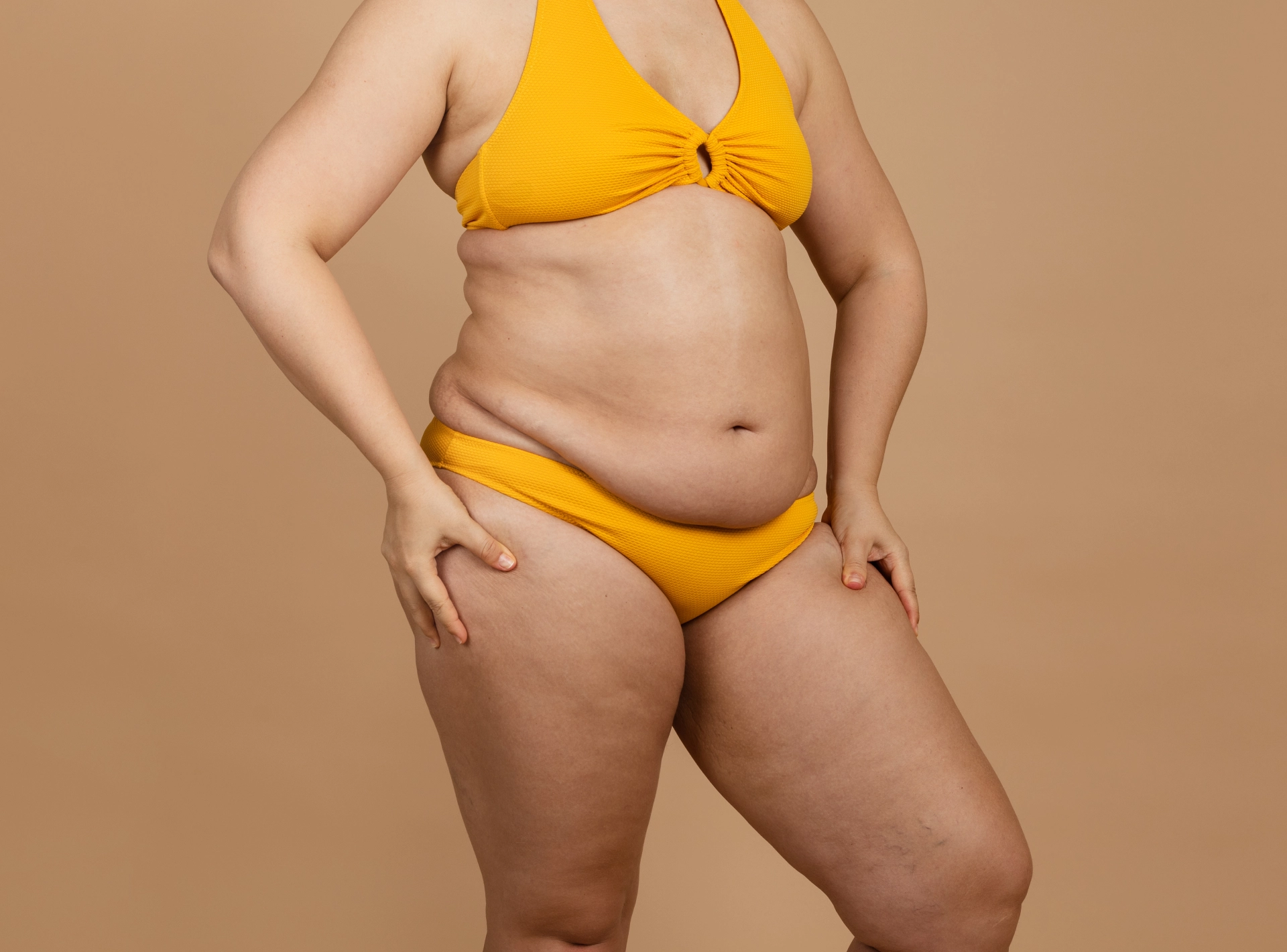
A common cosmetic procedure called liposuction targets and eliminates tenacious fat deposits from the arms, flanks, thighs, and belly. Even though liposuction can greatly improve body shapes, it’s crucial to keep in mind that it’s still a surgical treatment, thus recovery time and planning are crucial. Selecting a reputable liposuction facility guarantees that you will receive individualized treatment and understandable instructions following the procedure. Adhering closely to your surgeon’s recovery instructions is essential for the best possible healing and long-lasting outcomes. This article guides you through the average recovery period following liposuction and assists you in differentiating between indicators that may require medical treatment and typical healing symptoms.
Small incisions and local anesthetic are used in minimally invasive, laser-assisted procedures like Smartlipo Triplex, which are less traumatic than conventional surgery. Compared to traditional liposuction, patients can typically return home the same day and recover more quickly. Regardless of the type of liposuction, each person’s recovery is different based on things including the amount of fat removed, the area treated, and personal healing reactions.
To understand what to expect at each stage—the typical aspects of recovery and potential issues that need to be addressed right away—it is crucial to have a thorough conversation with your surgeon about your procedure, including swelling and bruising following surgery, how long liposuction takes to heal, and incision site care. Even with minimally invasive procedures, it is crucial to adhere to liposuction aftercare guidelines for a quicker recovery.
Liposuction In Dubai
Liposuction in Dubai is a popular cosmetic procedure designed to remove stubborn fat deposits from areas such as the abdomen, thighs, arms, and chin, helping to create a more sculpted and contoured body shape. It is typically performed using advanced techniques that ensure precision and minimal downtime. When understanding liposuction recovery timeline: normal vs. concerning signs at each stage, patients should be aware of what is expected during healing. In the first few days, swelling, bruising, and mild discomfort are normal and can be managed with medication and compression garments. During the first two weeks, swelling gradually reduces, and patients can return to light activities. By weeks three to four, the body starts showing improved contours, although some swelling may still persist. Normal signs include gradual improvement in pain and reduced swelling, while concerning signs may include severe pain, excessive swelling, unusual discharge, or signs of infection, which require immediate medical attention. Full recovery can take several weeks to months depending on the extent of the procedure.
Liposuction Recovery – Normal Vs. Abnormal Healing Signs
Day 1 Post-op
You should anticipate visible swelling, bruising, and some discomfort on the first day following the surgery.
Important things to keep in mind and anticipate on the first day following laser liposuction:
- Compression garment: To reduce swelling and support the skin, your surgeon will put a compression garment on the treated area right after the procedure.
- Fluid drainage: It’s common to have some fluid leaking from the incision sites; absorbent pads should be used to control this. Thin red, pink/orange, or yellow fluid is typical.
- Pain management: You should expect some minor discomfort and agony. Observe your surgeon’s advice for pain management, activity restrictions, and typical edema following liposuction surgery.
- Rest: To help your body recuperate, concentrate on relaxing and restrict your activity. To avoid blood clots after surgery, light walking is recommended.
- Hydration: To promote healing and lessen swelling, drink lots of water.
- Potential side effects: Bruising, redness, and soreness surrounding the treated area are a few typical adverse effects. It is common for blood to accumulate beneath the skin within the first 1 to 2 days.
The majority of patients are able to take care of their basic hygiene and walk on their own. However, having a designated caregiver is advised since you could want help with compression garments, drains, and hair cleaning, depending on the areas treated and the scope of your treatment. Generally speaking, patients should wait at least two days before taking a shower, but it’s crucial to heed your surgeon’s particular advice.
Potential Concerns
If any of the following symptoms persist after the second day following surgery, get in touch with your surgeon very away:
- severe discomfort, edema, or discolouration that lasts longer than the initial 1 to 2 days
- Fever, disorientation, or dyspnea
- Pain in the chest
- Ankle or calf edema that is not uniform
- Severe pain that is not alleviated by prescription drugs
- Unusual white or brown fluid discharge or dark, clotted blood
These signs may point to issues that need to be treated right away.
One Week Post-op
What to anticipate in the first week following laser lipolysis is as follows:
- Swelling and bruising: During the first week, there is frequently some ongoing bruising and swelling in the treated areas, which peaks on the third or fourth day. The swelling will be more noticeable the more severe your lipo treatment is. After fat removal surgery, non-opiate medicine is usually used to treat pain. By the end of the second week, bruising and swelling usually go away.
- Activity: After the first week, mild exercise is crucial for healing. Walking gently enhances circulation and lessens edema. Steer clear of heavy lifting and physically demanding activities to avoid difficulties. Around this time, people who work desk jobs can usually go back to work. You can start driving again after stopping all painkillers. As the healing process advances, progressively increase your level of exercise while paying attention to your body and doing as your surgeon instructs.
- Surgical compression garments: Observe your surgeon’s instructions about the use of compression garments. Wear it constantly for the first two to three weeks until the bruises goes away; some people may need to do so for up to six months. Make sure the clothing fits comfortably; too tight clothing can obstruct blood flow and slow healing. It is typical to have little bumps or irregularities in contour over the weeks to months that skin tightening may take. A lymphatic massage may be beneficial.
- Diet: To promote healing following laser lipo, a healthy diet is essential. Consuming meals high in vitamins C and E will aid in the repair of your skin. Stay hydrated by consuming lots of water and other nutritious liquids.
- Follow-up: Your surgeon may remove your drains and/or stitches during your follow-up appointment. To make sure there are no problems or excessive edema, routine examinations are crucial. To facilitate a speedy recovery, pay attentive attention to all medical instructions.
Potential Concerns
If you encounter any of the following symptoms after the second postoperative day, get in touch with your surgeon very away:
- Worsening symptoms – Symptoms that are getting worse include discomfort, discharge, or swelling that gets worse rather than better.
- Respiratory issues – Respiratory problems include abrupt breathing difficulties, a fast heartbeat, or unequal leg edema that may be a sign of a blood clot.
- Fever – A fever is defined as a temperature higher than 38.3°C.
- Signs of infection – Pus-like discharge or noticeable redness surrounding your wounds are indicators of infection.
Two Weeks Post-op
Most patients have had drains and stitches removed by two weeks after lipo, and their bruises have considerably lessened. During this time, many go back to their regular jobs and hobbies. It is advisable to switch to a more comfortable compression garment while some swelling is still present. Smoother skin texture and more edema reduction are possible with lymphatic massages.
Incisions may initially appear red or elevated while they heal. Redness and scars will lessen as collagen production rises. Fading can be accelerated by shielding healing skin from the sun and applying silicone-based scar treatments.
Your surgeon may give the go-ahead for mild weightlifting and cardio workouts if you feel good and the bruises have healed. At this stage, your anticipated contour might not be apparent.
BOOK AN APPOINTMENT TODAY
Potential Concerns
If you encounter any of the following, get in touch with your surgeon right away:
- Continued dependence on pain medication: Requiring prescription painkillers more than two weeks after surgery may indicate a healing problem.
- Signs of blood clots: Symptoms like abrupt dyspnea, a fast heartbeat, or asymmetrical leg edema may be signs of a blood clot and need to be treated right once.
- Fluid accumulation (Seroma): A seroma, a pocket of clear serous fluid that may form during surgery, may be indicated by noticeable swelling or fluid accumulation beneath the skin.
- Contour irregularities: Uneven fat removal may be the cause of persistent lumps, bumps, or uneven skin texture, which may call for additional testing.
- Skin laxity: Inadequate skin retraction after fat removal may be indicated if the skin in treated areas seems unduly loose or drooping.
One Month Post-Op
You should feel nearly completely recovered by one month after surgery. Although there may still be some swelling, the bruises should have healed and you can resume your regular activities. Sensations like burning, tingling, or a crawling sensation are common and are indicative of nerve regeneration. Your surgeon may recommend medicine if these symptoms worsen, but they usually go away on their own.
Potential Concerns
Some people may experience the following at this point:
- Seromas may need to be drained.
- areas that are lumpy or uneven because of fat reduction.
- loose skin is a result of insufficient skin contraction and fat loss.
Mild contour anomalies can be addressed with early therapies like massage. Talk to your surgeon about any aspects of your appearance that you find unsatisfactory. However, since your body is still healing and adjusting, it’s usually best to wait before thinking about any correction treatments.
Six Weeks Post-Op And Beyond
You can usually start doing weight-training and cardiovascular exercises again six weeks after lipo. However, while mending is still in progress, it’s critical to keep an eye on how your body reacts to these activities. Even though around half of the edema may have gone down, some swelling may still be there, and the final shape of the treated area is starting to show. At this point, a lot of patients decide to stop wearing compression garments or limit their use to exercise sessions. Additionally, numbness or changed skin sensitivity in the treated areas are frequent side effects. The skin will continue to tighten and the incision sites will gradually vanish as the remaining swelling goes down over the next few months.
Potential Concerns
Keep an eye out for any ongoing pain or discomfort that interferes with day-to-day activities, as these could be indicators of potential problems
Stages Of Healing After Liposuction
Healing after liposuction progresses gradually, starting with initial swelling and tenderness in the first few days. Over the following weeks, bruising fades and the body begins adjusting to its new contours. As healing continues, tissues settle, skin tightens, and results become more defined, with noticeable improvements appearing over time.
Downtime For Desk Jobs After Liposuction
Most patients can return to desk-based work within a few days after liposuction, depending on their comfort level. Since these jobs require minimal physical effort, recovery is usually manageable. However, it is important to avoid prolonged sitting, take short walking breaks, and follow medical advice to maintain comfort and support healing.
MEET THE EXPERT DOCTOR
Liposuction Recovery Dos And Donts
Following proper guidelines can improve healing and overall results. Do stay hydrated, wear compression garments, and follow your doctor’s instructions carefully. Don’t engage in heavy exercise, ignore unusual symptoms, or rush your recovery. Avoid smoking and alcohol, as they can slow healing and negatively impact your final outcome.
Choose An AAAASF-Accredited Liposuction Center
To guarantee a safe and successful surgery, it’s crucial to select a AAAASF-accredited center with skilled surgeons if you’re looking for “liposuction near me.” Accredited facilities must adhere to strict national criteria for personnel, equipment, operating room safety, and surgeon credentials, according to the American Association for Accreditation of Ambulatory Surgery Facilities (AAAASF).
Selecting a liposuction-focused facility guarantees that professionals will offer specialized care to assist you in reaching your aesthetic objectives, whether it’s Smartlipo for the chin, neck, or belly. To successfully handle any difficulties and guarantee a smooth recovery, it is essential to comprehend the healing stages, pay attention to odd indications and symptoms, and maintain open communication with your surgeon.
Best Plastic Surgeon In Dubai For Liposuction
Best Plastic Surgeon in Dubai for Liposuction focuses on delivering safe procedures, precise fat removal, and natural-looking body contours. A skilled surgeon carefully evaluates each patient and explains the liposuction recovery timeline: normal vs. concerning signs at each stage to ensure clarity and confidence before surgery. In Dubai, Dr. Perfect Celebrity is known for expertise in advanced liposuction techniques and patient-centered care. The surgeon provides detailed post-operative instructions, including the use of compression garments, activity restrictions, and proper aftercare to support healing. Regular follow-up appointments help monitor progress and quickly address any unusual symptoms. An experienced plastic surgeon ensures minimal scarring, reduced complications, and balanced results through modern surgical methods. Choosing a qualified specialist significantly improves recovery experience, enhances safety, and helps patients achieve long-lasting, well-defined body contours with optimal satisfaction.