





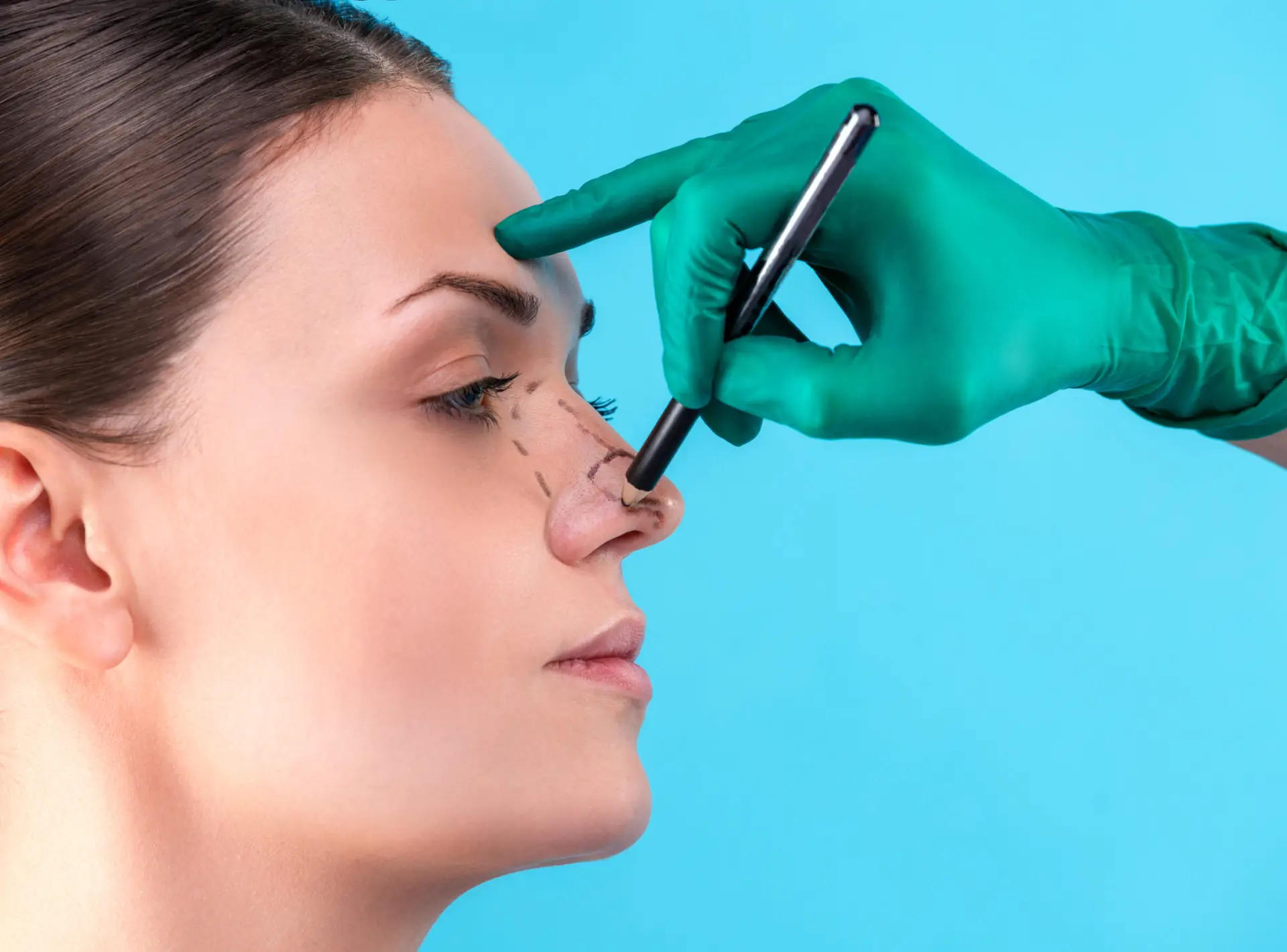
This blog will discuss the typical duration of rhinoplasty results, factors that affect longevity, and ways to keep your new appearance for years to come.
Are you considering having your nose reshaped and unsure if the changes will be permanent?
One of the most popular cosmetic procedures for improving facial harmony and addressing breathing problems is rhinoplasty, also referred to as a nose job. However, many people have a crucial question before deciding to have surgery: is rhinoplasty permanent?
This blog will discuss how long the effects usually last, what factors affect longevity, and how to keep your new look going for years to come.
Rhinoplasty In Dubai
Rhinoplasty In Dubai is a widely sought-after cosmetic procedure aimed at reshaping the nose for both aesthetic enhancement and functional improvement. One of the most common inquiries pertains to whether rhinoplasty provides a permanent result. In the majority of instances, rhinoplasty offers enduring outcomes, as the nasal bone and cartilage are surgically modified to establish permanent structural alterations. Although natural aging, trauma, or injury may cause minor changes to the nose over time, a properly executed rhinoplasty typically preserves its results throughout a lifetime. Selecting an experienced surgeon and adhering to appropriate postoperative care are essential to maintaining the stability of the results and ensuring the outcome remains aesthetically desirable.
Is Rhinoplasty Have A Permanent Effect?
Since rhinoplasty entails precisely reshaping the nose’s bone and cartilage to enhance its desired appearance and function, it is usually regarded as a permanent procedure.
The results are permanent and usually don’t need to be corrected again after the healing process is finished, which typically takes six to twelve months.
It’s crucial to remember that the nose may still experience minor changes in appearance as a result of natural aging, such as the tip widening or slightly drooping because of cartilage relaxation.
The shape of the nose can also be impacted by trauma or injury following surgery, particularly from contact sports or other activities.
Rarely, if a patient has problems or is unhappy with the first result, they might seek revision rhinoplasty.
All things considered, rhinoplasty produces a long-lasting change that offers both functional and cosmetic enhancements that can last for many years.
What Factors Affect How Long A Rhinoplasty Lasts?
Even though rhinoplasty is typically intended to yield long-lasting results, several variables can affect how your nose looks over time. It can be difficult to predict how your nose will look in ten or twenty years because everyone ages at a different rate.
The following are the main elements that influence how long rhinoplasty results last:
- Type of rhinoplasty technique: The approach and healing outcomes of open and closed rhinoplasty techniques vary, which could affect long-term outcomes.
- Patient age and skin quality: Results are frequently more stable and long-lasting for younger patients with more elastic skin.
- Expertise of the surgeon: Selecting a surgeon with extensive training and experience can produce more accurate and long-lasting outcomes.
- Natural aging process: As people age, their noses may gradually change due to things like cartilage relaxation or tip drooping.
- Lifestyle choices and postoperative care: Limiting sun exposure, quitting smoking, and adhering to aftercare instructions can all help to preserve and speed up healing.
- Thickness of nasal skin: Over time, thicker skin may obscure some of the surgically accomplished improvements, compromising the visible result.
- Future surgeries or facial trauma: The nose may need to be revised due to shape changes caused by injuries or subsequent facial procedures.
BOOK AN APPOINTMENT TODAY
Can Rhinoplasty Results Change Or Need Revision?
Some patients may eventually need a revision procedure, even though the majority are pleased with the long-lasting effects of their rhinoplasty. Typical explanations include:
- Asymmetry or minor flaws that show up after the nose has completely healed
- Functional issues, like trouble breathing
- Damage or trauma changing the shape of the nose
- A yearning for more refinement or modifications as a result of aging
Revision rhinoplasty requires a highly skilled surgeon because it is frequently more complicated than the original procedure.
What Are The Tips For Getting The Best Rhinoplasty Results?
Cut down on swelling: As directed by your surgeon, apply cold compresses and keep your head up, especially when you’re sleeping.
Avoid taking certain medications: Aspirin and ibuprofen can raise the risk of bleeding, so avoid taking them unless prescribed. Always seek advice from your surgeon prior to using any medication or supplement, as some substances may disrupt the healing process, elevate swelling, or influence blood clotting, thereby potentially jeopardizing the surgical result. Strict compliance with medication protocols guarantees a safer and more seamless recovery.
Get lots of rest: Make rest a priority and refrain from physically demanding activities for a few weeks to allow your body to recuperate. Sufficient sleep and effective stress management facilitate tissue repair, minimize swelling, and promote efficient recovery, thereby ensuring optimal long-term outcomes. Taking brief naps and refraining from strenuous activity can further promote recovery.
Take a stroll: Walking gently increases blood flow, which can lessen swelling and hasten the healing process. Gentle movement additionally mitigates stiffness, improves oxygen supply to tissues, and facilitates overall recovery without exerting pressure on the surgical site. Regular daily walks support the maintenance of energy levels and enhance overall well-being throughout the recovery process.
Consume wholesome foods and drink plenty of water: Inflammation can be decreased and tissue repair supported by a well-balanced, vitamin-rich diet and lots of water. Incorporating lean proteins, fruits, vegetables, and adequate hydration supplies essential nutrients for recovery, enhances immune function, and supports optimal surgical results. Refraining from processed foods and excessive sugar further promotes the healing process.
Steer clear of blowing your nose: Its effects can interfere with the healing process and impact the outcome. As directed by your surgeon, use saline sprays if necessary. Utilizing saline sprays as instructed helps preserve nasal hydration while preventing pressure that could hinder tissue healing and impact the final outcome. Meticulous handling of the nose guarantees the optimal long-term aesthetic result.
Bathe, don’t shower: To prevent getting your bandages or splint wet, take baths rather than showers unless your doctor instructs you otherwise. This reduces the likelihood of infection, safeguards the dressings, and promotes proper healing of the surgical site, thereby facilitating appropriate recovery. Refrain from immersing the surgical site in water for prolonged durations to prevent potential complications.
Plan frequent follow-ups: Regular follow-ups with your surgeon enable careful tracking of your recovery and prompt resolution of any issues. These visits ensure appropriate progress, enable necessary adjustments to care, and support the achievement of safe, natural, and enduring outcomes. They also offer reassurance and guidance for any inquiries during the recovery process.
FAQs
How long does it take to recover from a nose job?
Swelling, bruising, and discomfort are most noticeable during the first one to two weeks of recovery following rhinoplasty. However, it may take up to a year to fully refine the final nose shape and several months for all swelling to go away.
Is a nose job permanent?
Is rhinoplasty permanent, in case you were wondering? Indeed, a nose job is regarded as a permanent operation. It produces long-lasting results by surgically reshaping the nose’s bone and cartilage. However, over time, the nose’s appearance may change slightly due to things like aging, trauma, and lifestyle choices.
How do I know if I need revision rhinoplasty?
If you have noticeable asymmetry after full healing, ongoing breathing problems, or cosmetic dissatisfaction, revision might be an option. It is advised to put off thinking about a revision for at least a year.
Does a rhinoplasty scar go away?
Although scars may diminish over time and with proper care, complete elimination cannot be guaranteed. However, there are numerous treatments available to improve the appearance of scar tissue, assisting in its integration with the surrounding skin for enhanced aesthetic results.
What is the best technique for rhinoplasty?
There are two main rhinoplasty methods for nasal surgery: open and closed. Open rhinoplasty has become the preferred approach for most patients, as it facilitates precise modification of the nasal tip and ensures thorough enhancement throughout the procedure.
MEET THE EXPERT DOCTOR
Contact Dr. Perfect Celebrity For Rhinoplasty Surgery In Dubai
Best Plastic Surgeon In Dubai for Rhinoplasty is available at Perfect Doctors Clinic, where Dr. Perfect Celebrity specializes in sophisticated nasal reconstruction procedures to improve your appearance.
He combines surgical skill with an artistic eye to create balanced, harmonious facial features that are customized for each patient. He is known for producing results that look natural and has a strong passion for achieving excellence in aesthetic outcomes.
Dr. Perfect Celebrity guarantees a safe, individualized, and results-driven approach at every stage, whether you’re looking for minor tweaks or a more drastic change.
Make an appointment for your consultation right now.
Conclusion
Rhinoplasty is typically regarded as a permanent procedure, as it surgically alters the nasal bone and cartilage to produce enduring structural modifications. Although minor changes may arise over time as a result of aging, trauma, or lifestyle factors, meticulous surgical planning, skilled technique, and compliance with postoperative care are essential to preserving long-term outcomes. Choosing a qualified surgeon and adhering to postoperative instructions guarantees both functional enhancements and aesthetically pleasing, long-lasting results.