





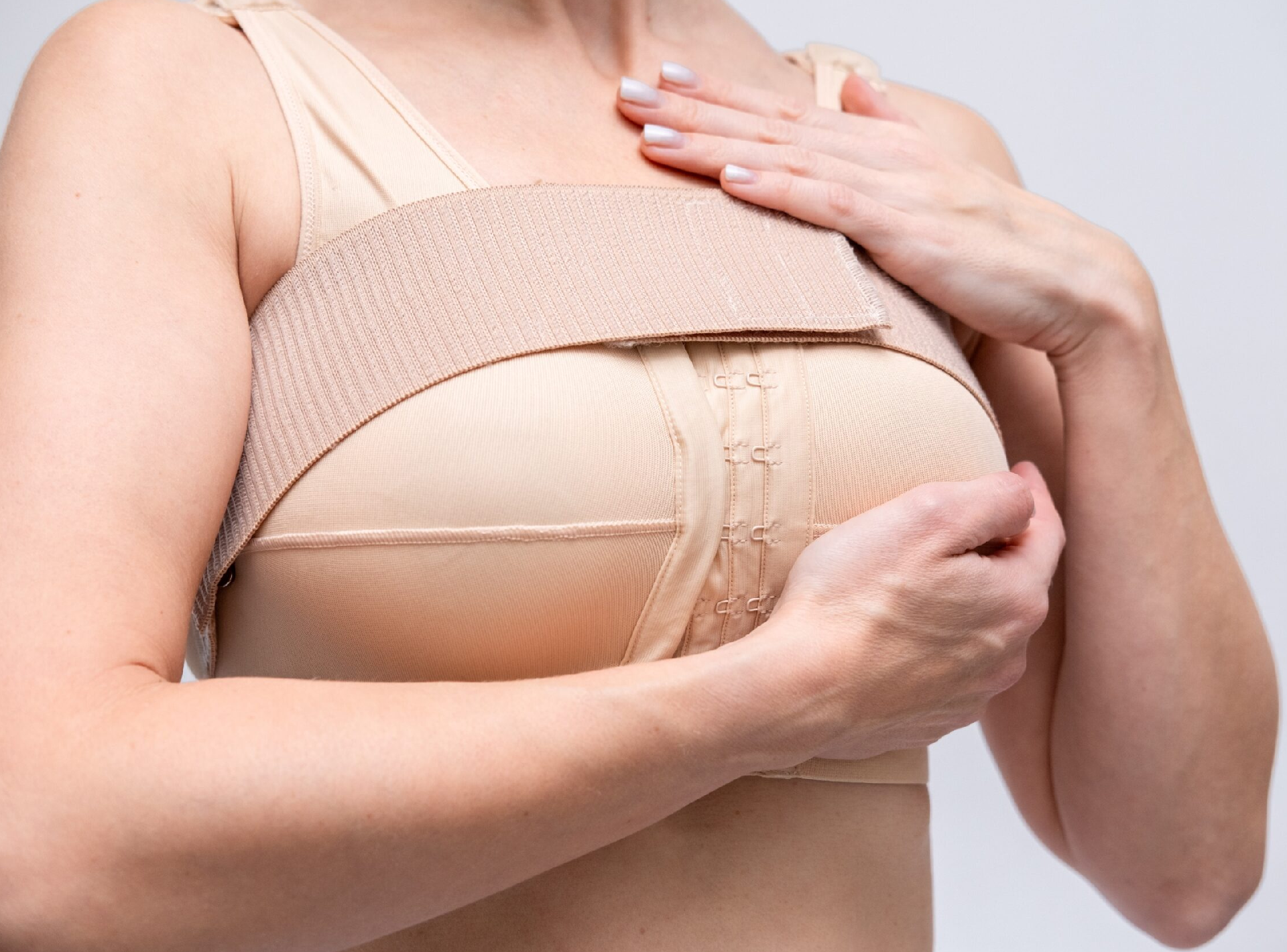
While some people may find it easier to lose weight after breast reduction surgery, others may prefer to do so prior to the procedure. Weight loss may impact the breasts and breast tissue, leading to the need for subsequent surgery.
A surgical procedure called a breast reduction can decrease the breast’s overall size and volume. It can also help get rid of extra skin after losing weight.
Pain in the neck, shoulders, and back may be experienced by someone with large, heavy breasts. The pain and extra strain may be lessened with a breast reduction.
People who are overweight or obese are more likely to have larger breasts. Consequently, they may feel compelled or motivated to shed some pounds. As a result, they might question whether they should undergo breast reduction surgery prior to or after losing weight.
This article addresses several topics, including whether it is preferable to have a breast reduction prior to or following weight loss.
Breast Reduction In Dubai
Breast Reduction in Dubai is a surgical intervention aimed at removing surplus breast tissue, alleviating discomfort, and improving overall body proportion. Determining whether to proceed with the procedure prior to or following weight loss depends on individual circumstances. If substantial weight loss is anticipated, it is generally advisable to wait until a stable weight has been attained to ensure enduring results and to minimize the risk of sagging or the necessity for revision procedures. A qualified plastic surgeon can assist patients in identifying the optimal timing for surgery. This process considers each patient’s health, lifestyle, and aesthetic objectives to ensure a safe and successful outcome.
Breast Reduction After Weight Loss
A person with a body mass index (BMI) over 29 may be more susceptible to complications from breast reduction surgery. For this reason, before having breast reduction surgery, a person might want to contemplate losing weight.
Excess skin on the breasts can result from weight loss. Additionally, the skin may become less elastic and sag or hang. After losing weight, a breast reduction can help the surgeon remove extra skin and shape the breasts to the patient’s specifications.
Breast Reduction Before Weight Loss
Exercise may be challenging for someone with large breasts because of pain or undue strain on the shoulders, back, and neck. This may make it more difficult to lose weight. For this reason, they might want to postpone starting weight loss until after having a breast reduction.
According to research from 2023, the volume of weight in the breasts causes 35% of people to lose a significant amount of weight following a breast reduction. According to a 2020 study, having your breasts reduced could encourage you to continue losing weight after surgery.
The fat content of the breasts determines their size and shape. A person may lose fat from their breasts when they lose weight, which could cause them to shrink and change shape. Additionally, it may result in extra skin and a sagging or deflated look. This scenario implies that a person may have additional breast changes if they lose weight following a breast reduction.
Tips For Weight Loss
A person can lose and keep weight off in a healthy way by concentrating on implementing healthy eating habits, consistent exercise, and stress-reduction techniques.
According to research, a person must be at a calorie deficit to lose weight. This entails taking in less energy than they expend. Therefore, losing weight requires both regular exercise and a healthy, nutrient-dense diet.
Among the strategies to aid in weight loss are:
- Taking a stand: A person can strengthen their commitment to weight loss by writing down their goals, hanging them around the house, or setting phone reminders.
- Establishing reasonable objectives: A person can adjust to and sustain a healthy lifestyle for weight loss by starting slowly with objectives like exercising for 12 minutes every day, drinking water instead of sugar-filled beverages, or substituting one meal per day with a nutritious option. Thereafter, they can progressively increase these objectives until they are working out for longer periods of time and eating better meals all day.
- Maintaining a wholesome diet: Consuming a wide range of nutrient-dense foods is essential, including an abundance of fruits, vegetables, and foods high in calcium, proteins, and whole grains. They should also limit or stay away from foods that are high in sugar and saturated fat.
- Maintaining calorie restrictions: The Department of Agriculture’s MyPlate plan can be used to determine how many calories a person should consume to lose weight. To assist them in developing an eating plan, they can also consult a certified dietitian.
- Engaging in regular physical activity: The body can burn more calories when it engages in regular exercise and physical activity. This implies that a person will be in a calorie deficit, which can result in weight loss, if they are also cutting back on their calorie intake. Maintaining weight loss can also be aided by regular exercise.
- Looking for assistance, knowledge, and direction: A person can maintain their weight loss goals by seeking support.
- Tracking progress consistently: Maintaining a journal or utilizing mobile applications to record meals, workouts, and weight fluctuations can facilitate progress tracking and enhance motivation.
- Rewarding milestones: Acknowledging small accomplishments with non-food incentives, such as new exercise equipment or a spa treatment, can reinforce healthy habits and sustain motivation.
BOOK AN APPOINTMENT TODAY
Frequently Asked Questions
Answers to frequently asked questions concerning weight loss and breast reduction surgery are provided below.
Do Breasts Always Sag After Weight Loss?
Losing weight can cause the breasts to appear sagging due to excess skin. Research indicates that sagging breasts following weight loss is a common occurrence.
How Do I Keep My Breasts From Shrinking When I Lose Weight?
Breast tissue, glands, and fat make up the breast. This implies that a person may experience a decrease in breast volume when they lose weight. However, strength training for the pectoral or chest muscles might help individuals maintain some of their breast volume and shape.
What Is The Ideal Weight For Breast Reduction Surgery
A person with a BMI over 29 may be more susceptible to complications after breast reduction surgery, according to research. Nonetheless, a 2024 study indicates that a high body mass index might not raise the likelihood of complications. This implies that a person may still be qualified for breast reduction surgery even if they have a high BMI. They ought to talk to their doctor about the dangers of surgery.
Can Breast Reduction Be Combined With Other Procedures?
Breast reduction can frequently be performed safely in conjunction with other cosmetic or reconstructive procedures, such as a breast lift, to improve overall contour and symmetry. Consulting with your surgeon regarding combination procedures can facilitate the development of a comprehensive and personalized treatment plan. Combining procedures can also decrease overall recovery time and yield more harmonious, natural-looking outcomes.
How Long Should I Wait After Weight Loss Before Surgery?
It is generally advised to wait until your weight has stabilized prior to undergoing breast reduction surgery. This guarantees optimal outcomes, diminishes the risk of sagging post-surgery, and lowers the probability of requiring revision procedures. Waiting enables your surgeon to precisely evaluate the appropriate breast size and shape required for the procedure, thereby ensuring durable and proportionate results that harmonize with your body following weight loss.
MEET THE EXPERT DOCTOR
Best Plastic Surgeon In Dubai For Breast Reduction
Best Plastic Surgeon in Dubai for Breast Reduction is available at Perfect Doctors Clinic, where Dr. Perfect Celebrity offers individualized consultation to establish the optimal timing for surgery in relation to weight loss. Dr. Perfect Celebrity assesses each patient’s comprehensive health, breast size, and body composition to develop a personalized plan that optimizes aesthetic outcomes and reduces the risk of complications. By using advanced surgical methods, careful planning, and complete aftercare, patients can achieve better body shapes, less pain, and results that look natural. The clinic provides thorough consultations, accurate surgical procedures, and ongoing follow-up care. They enable patients to restore confidence, comfort, and an improved silhouette following breast reduction. With professional guidance and support, patients are able to attain enduring outcomes, improved posture, and an overall enhancement in quality of life.
Summary
A breast reduction is a surgical procedure that lowers the volume of the breasts.
Body fat, glands, and breast tissue make up the breasts. A person’s breasts may shrink and change shape when they lose weight. Additionally, people may have stretched, extra skin, which can give the appearance of sagging.
A person may decide to lose weight prior to having their breasts reduced if they so desire. This implies that the surgeon can trim the breasts and extra skin to a size appropriate to the patient’s weight. However, having big breasts can make it difficult to engage in physical activity, which could make losing weight prior to a breast reduction challenging.
Following a breast reduction, the breasts may reshape, develop extra skin, and sag if the patient chooses to lose weight.
A person can alter their lifestyle to help lose weight, such as eating a healthy diet and exercising frequently.