





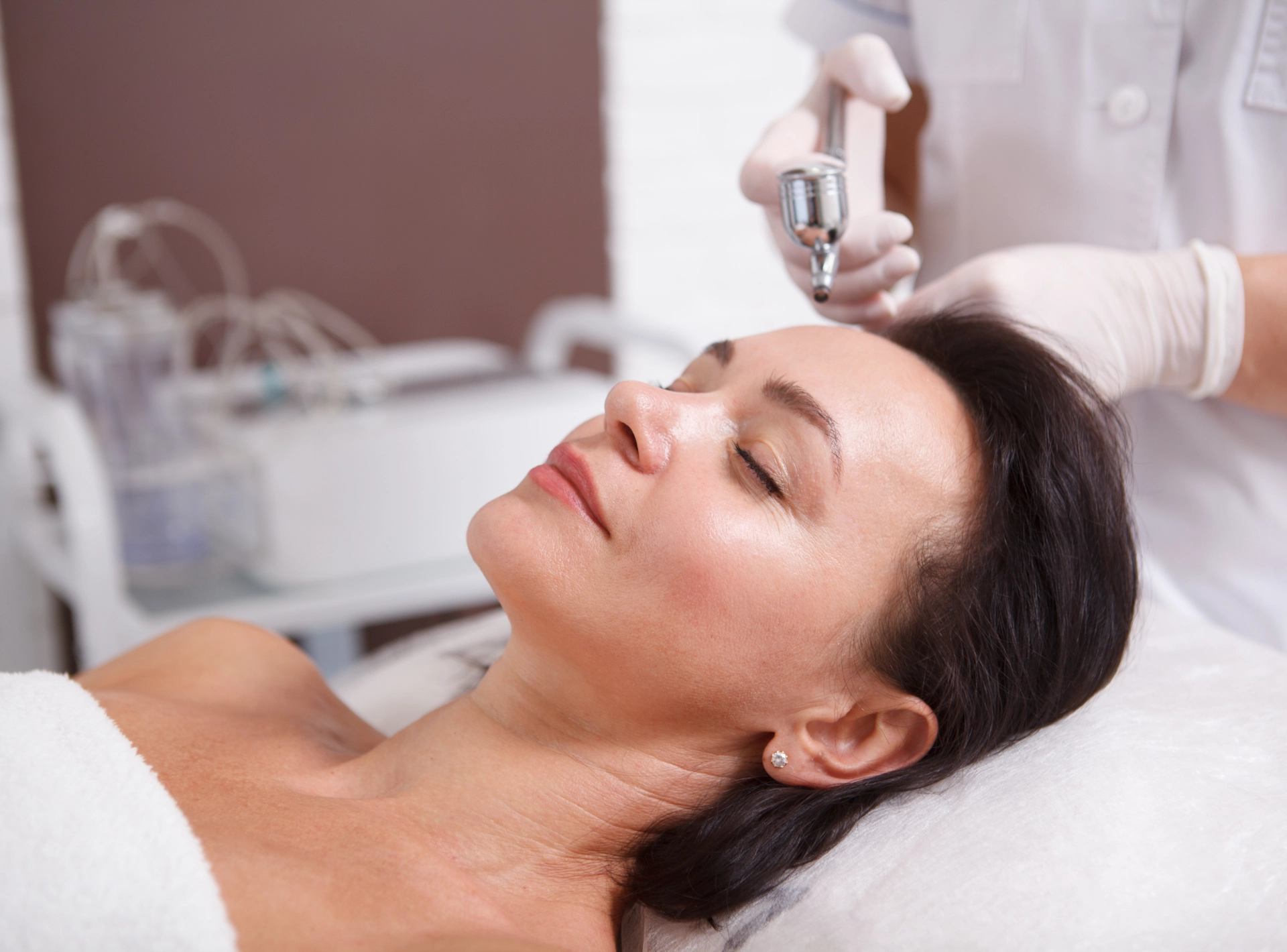
Give your skin the best moisturization because we all want that healthy glow on our skin
The secret to having hydrated, collagen-rich, gorgeously radiant skin is to begin a HydraFacial treatment. Cleansing, exfoliation, extraction, and hydration are all combined in this treatment, but it’s crucial to understand the quick recovery period and how to maintain the advantages of your skin afterward.
Knowing how to take care of your skin after a HydraFacial helps maintain its beauty and brightness because the procedure is gentle and non-invasive. To ensure that your skin gets the most out of HydraFacial, we’ll include crucial aftercare advice in this post, including applying sunscreen and staying away from harsh settings.
Discover how a few simple steps can significantly improve your outcomes by reading on.
HydraFacial In Dubai
HydraFacial in Dubai is a popular non-invasive skincare treatment designed to cleanse, exfoliate, extract impurities, and deeply hydrate the skin in a single session. It is suitable for all skin types and helps improve texture, tone, and overall skin health. One of the biggest advantages of HydraFacial is its minimal recovery time, making it ideal for individuals looking for instant results without downtime. Immediately after the treatment, the skin may appear slightly pink or flushed, but this usually subsides within a few hours. Most patients notice an instant glow, smoother texture, and improved hydration right after the session. There is typically no peeling or discomfort, allowing individuals to return to normal activities immediately. However, it is recommended to avoid heavy makeup, intense exercise, and direct sun exposure for at least a day. Keeping the skin hydrated and using gentle skincare products can further enhance results. Regular sessions help maintain long-term skin clarity, hydration, and a radiant appearance.
Key Takeaways
- The first 1-3 days following a HydraFacial are crucial for tracking how the skin changes and begins to show the benefits of the treatment.
- For the best possible recovery, gentle skin care is crucial. This includes using a soft, non-abrasive cleanser and hydrating serum or moisturizer.
- Keeping the skin clean and promoting the natural rejuvenation process requires avoiding makeup for at least a day after treatment.
- Preventing irritation and promoting healing requires avoiding direct sunlight, heat exposure, and high temperatures.
- The secret to protecting the skin and maintaining its health is to apply sunscreen carefully and refrain from aggressive treatments like laser procedures or waxing for roughly two weeks after a hydra facial.
Understanding HydraFacial Recovery Time
Your skin can be transformed by beginning a HydraFacial treatment, which offers hydration and deep exfoliation. To ensure you get the most out of the therapy and avoid any problems, it’s critical to understand what to anticipate immediately following the procedure and how long recovery may take.
Your skin may appear more luminous right after the treatment, but remember that every person’s skin responds differently.
It’s important to observe how your skin responds within the first day following the procedure and to record any minor alterations or instant impacts. You’ll start to feel better within the next 3 days, which is when the true advantages of HydraFacial start to become apparent. Comprehending these initial phases enables patients to know what to anticipate and how to appropriately care for their skin thereafter.
Immediate Effects Right After The Treatment
Many customers report that their skin feels smoother to the touch and looks more radiant as soon as a HydraFacial treatment is finished. This is due to the fact that the HydraFacial technique delivers moisturizing serums while thoroughly cleaning and removing pollutants from the pores. Patients should keep a watchful eye on their skin for any changes or responses in the coming hours, even after this initial improvement in skin appearance.
What To Expect In The First Day
The thorough cleaning and infusion of nourishing serums may cause the patient’s skin to feel particularly supple and appear noticeably brighter on the first day after a HydraFacial. During this time, it’s important to pay attention to how the skin appears and feels. Tightness and mild redness are typical, but they should go away as the hours go by. For the skin to adjust to the treatment, this first period is crucial.
| Time After Treatment | What to Expect |
| 1–7 hours | Skin looks more luminous; there may be a hint of redness |
| 5–23 hours | Hydration and brightness continue to rise; tightness may emerge |
Signs Of Recovery In The First 3 Days
Patients usually notice a noticeable change in the texture and moisture of their skin within the first 3 days following a HydraFacial. The initial stiffness and moderate redness start to go away, revealing softer, more luminous skin. This time frame is critical because it initiates deeper healing and regeneration, laying the groundwork for the treatment’s full effects to manifest.
BOOK AN APPOINTMENT TODAY
Avoid Picking Your Face After HydraFacial
The path to glowing skin doesn’t end with a HydraFacial; it still takes time and careful attention.
Refusing to pick at your skin is one of the most important guidelines to follow.
Touching or attempting to remove peeling skin may seem natural, but doing so can cause scars and impede the healing process.
Instead, you may greatly speed up the healing process and guarantee the best outcomes by concentrating on allowing your skin to heal naturally, investigating the desire to touch and its repercussions, and learning alternative soothing techniques.
Letting Your Skin Heal Naturally
For the greatest results, let the skin heal naturally after a HydraFacial. The efficacy of the treatment is based on its capacity to promote the skin’s natural healing processes, such as improved collagen formation and skin cell renewal. Picking at the skin might impede this natural process, delaying these advantages and jeopardizing the final result.
| Post-Treatment Day | Expected Natural Healing Process |
| Day 2-4 | The skin starts to moisturize deeply and the initial redness subsides |
| Day 5–8 | The production of collagen increases, improving the suppleness of the skin and minimizing fine wrinkles |
The Temptation To Touch And Consequences
It is instinctive to touch one’s face, particularly if one notices flakiness or peeling. However, giving in to this urge could expose sensitive skin to microorganisms, which could result in infections or acne flare-ups. Furthermore, picking at or stroking the skin might interfere with the sensitive healing process, postponing the intended results of clarity and rejuvenation.
Alternative Soothing Methods
Investigating other calming techniques can be crucial to a patient’s recuperation following a HydraFacial; the most important ones are soft skincare regimens and enough hydration. The skin can be kept clean without interfering with its natural healing process by using a gentle, non-abrasive cleanser twice a day. Deep hydration can also be obtained without clogging pores by utilizing a moisturizing serum or moisturizer made with components like hyaluronic acid. These steps improve the HydraFacial’s radiant effects while also aiding in the skin’s recuperation.
| Post-Treatment Care | Soothing Method | Benefit |
| Gentle Cleaning | Make use of a non-abrasive, gentle cleanser | keeps skin clean without interfering with the healing process |
| Moisturizing | Use a hyaluronic acid-based serum or moisturizer | Delivers intense moisture without clogging pores |
Use A Gentle Cleanser
The selection of skin cleansers after a HydraFacial is crucial for cleaning the skin, promoting the best possible recovery, and preserving the advantages of the procedure.
Using a gentle washing technique can greatly improve the way the skin heals and retains moisture.
To prevent aggravating the skin, it’s important to use a gentle washing technique in addition to choosing the appropriate cleaner.
Achieving the ideal balance in the frequency of face cleansing is also essential.
The post-treatment renewal process may be impacted by frequent or insufficient cleansing, which can either deprive the skin of essential oils or permit accumulation.
Choosing The Right Skin Cleanser Post-Treatment
Choosing a gentle yet potent face cleanser becomes crucial after receiving a HydraFacial. Choose products that are described as soft, devoid of harsh chemicals, and made especially for post-treatment care. In order to maintain the benefits of the HydraFacial, these cleansers should successfully remove debris and extra oil without weakening the skin’s natural barrier.
How To Wash Your Face Gently
After a HydraFacial, gently wash your face with lukewarm water and use your fingertips to apply a mild cleanser in a circular motion. To prevent irritation, properly rinse the skin without scrubbing, then pat dry with a fresh towel rather than rubbing it:
| Step | Action | Reason |
| 1 | Make use of warm water | Opens pores without causing irritation |
| 2 | Gently apply cleanser | Eliminates pollutants without causing skin strain |
| 3 | Dry the skin with a pat | Prevents additional skin irritation or injury |
Frequency Of Cleansing For Optimal Recovery
Another essential component of post-hydrafacial care is determining the ideal frequency of washing. The best balance between eliminating daily buildup and maintaining the natural skin oils necessary for healing can be achieved by washing the face twice a day, once in the morning and once at night. This regimen guarantees that the skin stays clear without interfering with the HydraFacial treatment’s continuing healing and rejuvenation process.
Don’t Apply Makeup On The Day Of Your Treatment
Beginning a HydraFacial treatment is a step toward having skin that is renewed and glowing, but the best outcomes depend on the care you take immediately following the procedure. Skin care specialists advise against wearing makeup on the day of the procedure.
By keeping your skin clean and away from anything that could irritate it and impede its healing process, you can protect it.
To get the most out of your HydraFacial and maintain healthy skin over time, it’s critical to understand why it’s vital to avoid makeup, how makeup can damage the skin’s capacity to recover, and when it’s acceptable to start using makeup again.
The Reasons Behind This Advice
After a HydraFacial, applying makeup right away can obstruct the newly opened pores and hinder the skin’s ability to repair and breathe. Even non-comedogenic makeup products have ingredients that could irritate sensitive skin after treatment and cause unintended reactions or breakouts. In order to allow the skin to fully absorb the advantages of the HydraFacial serums and start the natural renewal process undisturbed, experts advise avoiding makeup on the day of the treatment.
How Makeup Can Affect Recovery
Because makeup clogs the pores that were just carefully cleaned and opened, it might hinder the skin’s healing process following a HydraFacial. This hinders the skin’s ability to absorb the nourishing serums used during the procedure, slowing down the healing process and perhaps increasing irritation and imperfections. Thus, avoiding makeup helps the skin to heal, breathe, and get the full benefits of the hydrafacial’s revitalizing effects.
When It’s Safe To Resume Makeup
After a HydraFacial treatment, it’s usually okay to start wearing makeup again within day to give the skin enough time to heal and absorb the full benefits of the serums used. However, as individual reactions can differ, it’s critical to pay attention to one’s skin and the guidance of a skincare specialist:
- Don’t wear makeup for at least a day.
- Throughout the healing process, pay attention to how your skin responds and feels.
- If you’re not sure when to start wearing makeup again, speak with a skincare specialist.
Avoid Laser Treatments And Waxing
It’s normal for people to think about additional treatments to improve the appearance of their skin after enjoying a HydraFacial.
But after such an intense surgery, it’s important to understand how sensitive the skin is.
It may be more detrimental than beneficial to start laser treatments or waxing right away.
Allowing the skin to fully recuperate and reap the benefits of the HydraFacial is more important than just giving it a break.
Before considering further skin therapy, each patient should consider the suggested pause.
By keeping an eye out for indicators of preparedness, you can make sure your skin gets the proper treatment at the right time, protecting its health and guaranteeing that its texture and radiance will continue to improve.
Understanding The Sensitivity Of Your Skin Post-Hydrafacial
The skin is more vulnerable to irritation from harsh treatments like laser procedures or waxing after a HydraFacial. This enhanced sensitivity is a result of the HydraFacial’s exfoliation and nourishing stimulating the skin’s natural healing processes. Avoiding such treatments until the skin fully heals and regains its strength is advised in order to preserve the health and beauty of the skin.
Recommended Waiting Period For Other Skin Treatments
After a HydraFacial, two weeks is usually the ideal amount of time to wait before beginning other skin treatments. This time reduces the possibility of discomfort or negative reactions from procedures like laser treatments or waxing by allowing the skin to fully heal and absorb the benefits of the HydraFacial. Speaking with a skincare specialist can offer individualized guidance based on a person’s skin type and condition.
Signs Your Skin Is Ready For More Treatments
Your skin may be ready for more sophisticated treatments after it is consistently smooth and free of redness, inflammation, or uncomfortable tightness. This stability typically indicates that the HydraFacial’s natural healing process is finished, enabling further cosmetic procedures without endangering the health of the skin. A last appointment with a skincare specialist can always allay concerns and provide the go-ahead for more aesthetic endeavors.
Use Sunscreen Regularly
Applying sunscreen on a daily basis is one of the most important parts of the HydraFacial aftercare routine.
It’s not just about protecting your skin from the sun’s intense rays; it’s also about supporting the healing process by shielding the delicate, recently renewed skin.
Maintaining the results of the treatment and avoiding any damage can be greatly aided by knowing which sunscreen is best for your skin type.
To ensure you get the most out of this protective layer, how you apply sunscreen is just as important as the product you select.
Together, these techniques protect your skin, promoting healthy healing while preventing damage and hyperpigmentation.
Importance Of Sunscreen In The Healing Process
It is impossible to overestimate the significance of sunscreen in the healing process after a HydraFacial since it protects the skin from the damaging effects of UV rays. By doing this, it helps preserve the integrity of the skin’s surface, extending the advantages of the therapy and averting any damage and hyperpigmentation. In order to keep the skin protected while it heals and regenerates, it is essential to select the appropriate SPF and apply it regularly each day.
Selecting The Right Sunscreen For Your Skin Type
After a HydraFacial, selecting the appropriate sunscreen is essential to preserving skin health. Lightweight, non-comedogenic products that won’t clog pores are perfect for oily or acne-prone skin, while sunscreen with added hydration can offer extra moisture and protection for dry skin. Because they are less likely to irritate sensitive skin types, mineral-based sunscreens with zinc oxide or titanium dioxide should be sought after.
Application Tips For Effective Protection
Effective post-Hydra Facial sunscreen application improves protection by equally covering all exposed parts of the face with a gentle dab rather than rubbing it in. Use a sunscreen that is appropriate for delicate skin around the eyes, paying particular attention to the neck, ears, and area above the eyes. Maintaining a protection against UV damage during the day requires reapplication every two hours, particularly after perspiring or swimming.
| Time After HydraFacial | Action | Reason |
| Immediately and daily | Apply sunscreen gently. | Protects sensitive skin from UV damage. |
| Every 2.5 hours | Reapply sunscreen. | Maintains consistent protection throughout the day. |
Avoid Hot Environments And Heat
A HydraFacial is a fantastic way to improve your skin, but it’s also critical to know how external elements, such as heat, might impact your skin’s ability to heal.
People frequently overlook the fact that being near heat sources or in hot weather might impede the healing process following a HydraFacial. It’s important to understand how heat sources, such as intense sunlight, hot showers, and even sauna heat, affect your skin’s healing process.
This section of the essay will describe how heat affects healing, offer advice on cooling methods that promote better and quicker skin healing following a HydraFacial, and indicate what to avoid and what might be good for your skin.
How Heat Affects HydraFacial Recovery
Exposing the skin to high temperatures or direct heat sources after a HydraFacial treatment might seriously impede its recuperation. Increased redness and swelling brought on by heat exposure may slow down the skin’s natural healing process. As they navigate their post-treatment care, patients need to be aware of this:
- To lessen the chance of hyperpigmentation and additional skin irritation, stay out of direct sunlight.
- Steer clear of saunas and steam rooms as they might aggravate redness and skin sensitivity.
- To avoid irritating the treated region, use cool showers over hot ones.
Safe Activities And Environments Post-Treatment
Following a HydraFacial, it’s critical to embrace settings that promote skin healing without subjecting it to excessive heat: cool, shaded spaces serve as a haven for healing skin. This recovery is aided by choosing activities that regulate body temperature. Any danger of heat-related skin stress can be reduced by taking leisurely walks in the evening when the sun is less strong or by staying inside with air conditioning.
| Activity | Environmental | Benefits |
| Calm Evening Walks | Outdoor, Cool | Keeps body temperature regulated while providing gentle exercise. |
| Staying Indoors | Air-conditioned spaces | Minimizes heat exposure, supporting skin recovery. |
Cooling Techniques To Aid Recovery
Following a HydraFacial, using cooling treatments can greatly lessen irritation and speed up the skin’s natural healing process. For example, using a chilled gel mask or cold compress to the face for a few minutes can calm the skin, minimize swelling, and lessen redness. These techniques provide a straightforward yet efficient means of guaranteeing a comfortable recuperation while optimizing the advantages of the HydraFacial procedure.
- For brief periods of time, apply a cold compress to your face.
- To calm the skin, apply a chilled gel mask.
MEET THE EXPERT DOCTOR
Conclusion
Understanding and following the recovery period and aftercare instructions is crucial to getting the most out of a HydraFacial and guaranteeing the best possible outcomes.
To minimize irritation and promote healing, it’s crucial to keep a watchful eye on the skin for any changes right after the procedure and to stay away from makeup and direct heat.
The skin frequently exhibits evidence of improved brightness and moisture during the crucial first 1-3 days following treatment.
Measures such as using a mild cleanser, applying sunscreen carefully, and adopting cooling techniques greatly aid recovery during this time.
Additionally, the skin can fully absorb the benefits of the hydrafacial if harsh procedures like waxing or laser treatments are avoided for at least two weeks.
Overall, proper aftercare—which includes shielding the skin from heat and the sun—significantly aids in the skin’s healing process and guarantees long-lasting, radiant results from the HydraFacial procedure.
Stages Of Healing After HydraFacial
Healing after a HydraFacial is quick and smooth. Right after the treatment, the skin appears clean, glowing, and hydrated. Over the next few days, skin texture continues to improve as pores remain clear and moisture levels increase. Results often become more noticeable within the first week.
Swelling, Bruising, And Scarring After HydraFacial
HydraFacial is a very gentle procedure, so swelling, bruising, or scarring are extremely rare. Some individuals may notice slight redness or sensitivity right after treatment, but these effects are mild and temporary. Proper aftercare ensures the skin remains calm and healthy without complications.
Downtime For Desk Jobs After HydraFacial
There is no downtime required after a HydraFacial, making it ideal for individuals with busy schedules. Most people return to work immediately after their session. The skin may appear slightly flushed for a short time, but this quickly settles without affecting daily activities.
Best Aesthetic Clinic In Dubai For HydraFacial
Best Aesthetic Clinic in Dubai for HydraFacial should offer experienced skincare specialists, advanced equipment, and customized treatment plans to ensure safe and effective results. A trusted option like Perfect Doctors Clinic is known for providing high-quality facial treatments with a strong focus on skin health and patient satisfaction. Patients receive a detailed consultation to assess their skin type and specific concerns before the procedure. After the treatment, clear aftercare guidance is provided, including how to protect the skin, maintain hydration, and avoid harsh products during the initial recovery phase. Skilled practitioners ensure gentle and precise application to maximize benefits while minimizing irritation. Follow-up sessions may be recommended to maintain glowing and healthy skin. Choosing a reputable clinic ensures a comfortable experience, immediate visible results, and long-lasting skin improvement. Consistent skincare and professional guidance help preserve the benefits of HydraFacial, leaving the skin refreshed, radiant, and well-nourished over time.