





Last week I spoke about the major differences between chemical peels. In particular, we investigated the use of pH level as an estimate of the overall power of the peel. Since that blog, we’ve received some questions about the specific active ingredients in the most popular chemical peels.
Here is a quick overview of common chemical peel ingredients (peel agents):
- Salicylic acid: This unique monohydroxybenzoic acid from willow bark can penetrate deep into the oil glands, making it a perfect ingredient for treating acne and oily skin.
- Lactic acid: Lactic acid is a natural acid found in milk and on human skin. It is a less irritating AHA that has natural moisturizing properties for the skin. Lactic acid is particularly effective for brightening up the skin and treating pigmentation, dry skin, and rosacea.
- Glycolic acid: Glycolic acid is the most common agent found in peels. It can come in different pH levels and concentrations (usually 25-75%), which will determine how much peeling it will do. Glyciolic acid is a great active ingredient for treating fine lines, light sun damage, blackheads, and enlarged pores.
- Tartaric acid: Tartaric acid is a naturally occurring acid found in grapes and a gentle, effective, mild alternative to glycolic acid for skin exfoliation. Tartaric acid helps increase skin hydration levels. This ingredient is effective for light acne, superficial pigmentation, and photo damage.
- Malic acid: Another alternative to glycolic acid is malic acid, which is mild and comes from pears and apples.
- Citric acid: Lemons and oranges are sources of citric acid. It works just like tartaric and malic acids do. It can be used for acne, photo damage, rosacea, superficial pigmentation, and eczema.
- Fruit enzymes: Acne, rosacea, dehydrated skin, or hyperpigmentation can be treated using natural enzymes from acidic fruits such as pineapples or cranberries added to peels. Fruit enzymes are antibacterial and are fairly mild, which makes them a particularly suitable choice for people with sensitive skin.
- Trichloroacetic acid (TCA): Trichloroacetic acid is a stronger peeling agent than glycolic acid. TCA is usually used for medium-depth peels but can be used at higher concentrations for deep peels. TCA has a higher power and can be used for moderate lines and wrinkles, acne scars, and hyperpigmentation.
- Carbolic acid: Carbolic acid, the strongest of all peeling agents, is used for very deep peels to treat deep wrinkles, severe scarring, or sun damage. Carbolic acid is only to be used by medical practitioners.
Chemical Peels In Dubai
Chemical Peels in Dubai are aesthetic treatments that use carefully selected peeling agents to improve the appearance and texture of the skin. A professional puts a chemical solution on the skin during the procedure so that it can work on the desired layers of skin. The solution slowly breaks down damaged skin cells, making it easier to get rid of them. This shows younger, smoother skin underneath. Peeling agents are chosen based on the skin’s problem, how sensitive it is, and the depth of treatment that is wanted. People often use glycolic acid to get rid of dullness, uneven texture, and light spots on the skin’s surface. People with oily or acne-prone skin often choose salicylic acid because it can help clear out pores that are clogged. Lactic acid is a gentler way to exfoliate, and it may help with dry skin and uneven skin tone. Trichloroacetic acid can be used for deeper peeling when you need to treat more obvious skin problems. If you have uneven skin tone, mild pigmentation, acne-related problems, rough skin, or signs of aging, a chemical peel might help. After looking at the skin, the treatment plan should always be made to fit its needs. For healing to go smoothly and results to last, it’s also important to do the right things before and after treatment. Chemical peels can be customized to meet the needs of each person’s skin at Perfect Doctors Clinic, where professionals will help.
BOOK AN APPOINTMENT TODAY
How Chemical Peels Work At The Cellular Level
Then, what’s going on beneath the skin when your provider uses a peel solution?
Here’s a step-by-step look at the science behind it:
- Application: The chemical solution is spread out evenly over the area that needs treatment.
- Protein Denaturation: The acids break down the bonds (desmosomes) between keratinocytes, which are the main skin cells in the epidermis. This process is what exfoliation does.
- Inflammatory Response: The body sees this controlled injury as damage and starts a chain of inflammation. This process makes the microcirculation better and tells fibroblasts to make more collagen and elastin.
- Peeling and Shedding: In a few days, the dead skin cells will fall off, revealing a smoother layer below.
- Regeneration: As new cells move to the surface, they replace the old tissue with skin that is brighter and healthier.
Chemical peels improve texture, tone, and firmness all at once by working on both the surface and deeper layers of skin.
How Are Chemical Peels Performed?
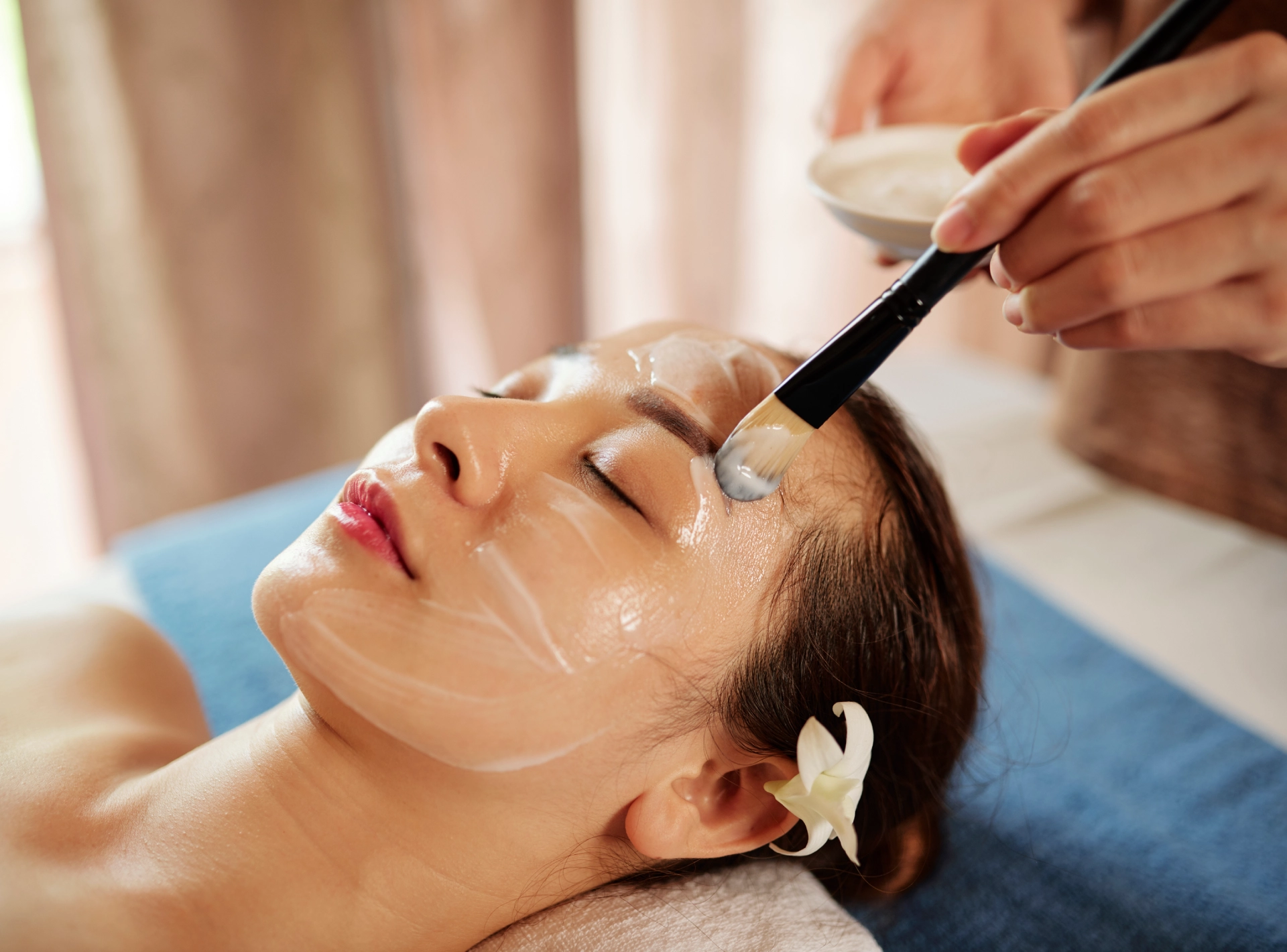
It is possible to get a chemical peel at Perfect Doctors Clinic, where the treatment is performed according to your skin type, concerns, and desired results. An ingredient that gets rid of extra oil will clean your skin well, and it will also keep your eyes and hair safe. After that, a chemical solution is put on your skin. Acids like glycolic acid, trichloroacetic acid, salicylic acid, lactic acid, and carbolic acid (phenol) are often used as chemical solutions. The different chemicals hurt the skin in controlled ways. They each go through to a different depth and then peel off to reveal a new layer of skin.
The outcomes are different for each chemical solution. The chemical you pick will depend on what you want to do. Your dermatologist will help you choose how deep your peel will go:
- A light chemical peel, also known as a “lunchtime peel,” makes your skin look better over time and is often done in a series. The top layer of skin is taken off. This option might be best for you if you have fine lines and wrinkles, acne, uneven skin tone, or dry, rough skin that has been damaged by the sun. It will help your skin look healthy. Your skin may be fully healed in a few hours to a few days after this type of peel, but you won’t have to do much.
- Some chemical peels can make your skin look smooth and new. The top layer of skin and the top part of the middle layer are taken off. This choice might be best for you if your skin has fine to moderate wrinkles, age spots, acne scars, or uneven or mild discoloration. This kind of peel may take a week or more to heal, and you will need to take some time off.
- The most noticeable results come from a deep chemical peel. This chemical gets into your skin all the way down to the middle layer. When you get a deep peel, it takes longer to heal. If you have fine lines and wrinkles, a lot of sun damage, deep acne scars, blotchy skin, or actinic keratosis (precancerous growths), a deep chemical peel may be the best option for you. Up to eight weeks of treatment are needed before a deep chemical peel can be done. Your doctor will give you clear instructions. A deep chemical peel is only done on your face once, and you will need to take a lot of time off to heal.
Here are some general steps you can take to get ready for your chemical peel:
- For two weeks before each treatment, don’t get a tan or be in the sun.
- To get your skin ready for treatment, use topical products like hydroquinone as directed.
- If your doctor doesn’t tell you otherwise, don’t use any products with retinoids (like tretinoin) for one to two weeks before your treatment.
- Start taking any antibiotics or antiviral medicines that you take by mouth at least one day before your chemical peel.
- There can’t be any open wounds, sores, or skin infections in the peel areas.
Your doctor will tell you exactly what to do based on the type of peel you are getting and the condition of your skin.
Day of peel: The day of the peel, your skin will be really clean. You will be asleep during a deep chemical peel because you will be given general anesthesia.
How it works: A chemical peel involves putting a solution on your skin. One or two minutes may pass during which you feel warm to slightly hot. After this step, there is a stinging feeling. A cool compress can be put on your skin to ease the pain of the sting. Following the sting, the chemical is either washed away or neutralized.
MEET THE EXPERT DOCTOR
Best Aesthetic Clinic In Dubai For Chemical Peels
Best Aesthetic Clinic in Dubai for chemical peels is Perfect Doctors Clinic, where Dr. Perfect Celebrity focuses on personalized aesthetic care and skin rejuvenation. People who want smoother skin, a more even complexion, and clearer skin may find that chemical peels work well for them. But rather than following a standard procedure, the choice of peeling agent and treatment strength should be based on the person’s skin condition. At Perfect Doctors Clinic, the first step in a chemical peel is an analysis of the skin and its problems. This helps figure out if a certain peeling agent will work and how the treatment should be done. You might want to try glycolic acid if your skin is dull or uneven and salicylic acid if your skin is oily or prone to breakouts. If your skin only needs a light exfoliation, lactic acid might be a better choice. Other professional-grade agents may be used when needed for problems that need a deeper peel. Customized treatments are important to Dr. Perfect Celebrity because skin can react differently depending on its condition, sensitivity, and previous treatments. During the consultation, important factors that will help make a good chemical peel plan can be talked over, along with the desired cosmetic outcome. Chemical peels help get rid of dead skin cells on the surface of the skin, making it look younger. Depending on the treatment chosen, they may help improve uneven pigmentation, roughness, acne problems, and early signs of aging skin. Patients may also get advice on how to prepare their skin and take care of themselves after treatment to help them heal. When thinking about getting a chemical peel, it’s important to find a qualified aesthetic clinic. If you get the wrong treatment or peeling agent, it could irritate your skin more than it needs to. The Perfect Doctors Clinic is a professional space where people can choose treatments based on their skin’s needs. Patients can talk about their worries with Dr. Perfect Celebrity and get a personalized approach to chemical peel treatment in Dubai.