





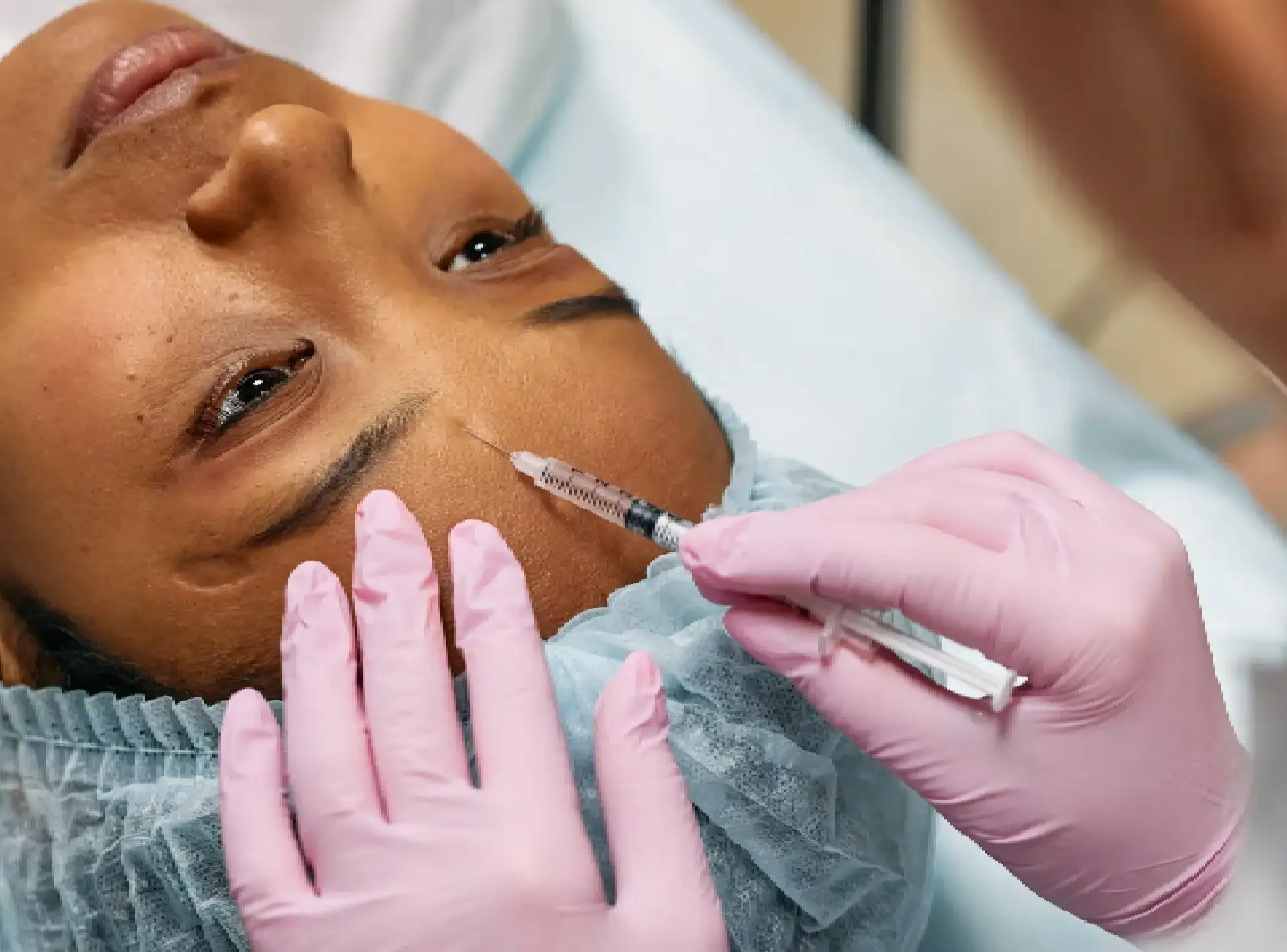
Botox, one of the most well-known and widely used anti-aging injectables on the market today, is a byword for a youthful appearance and a smooth forehead. Botox, which is derived from a magical little bacteria that began its journey as a villain but is now the hero of men and women everywhere due to its wide range of therapeutic capabilities, is used to address a variety of health issues as well as for aesthetic purposes.
Botox In Dubai
Botox in Dubai is a non-surgical procedure that uses purified protein to temporarily relax specific facial muscles. Reducing muscle movement helps to smooth wrinkles and fine lines caused by facial expressions such as smiling, frowning, or squinting. It is a quick, minimally invasive procedure that produces natural-looking, refreshed results with little or no downtime.
What Are Dynamic Wrinkles?
Although all you see when you look in the mirror are wrinkles, your face actually has two different kinds of lines: active (or “dynamic”) wrinkles and passive wrinkles. Botox only treats dynamic wrinkles because it targets muscle contractions rather than everyday skin damage. Genetics and environmental factors, such as thin skin, dehydration, sun damage, and pollution exposure, can cause passive wrinkles.
Collagen and elastin, two essential protein fibers in your skin, break down more quickly as a result of these factors. Skin is kept firm and supple by collagen and elastin, but as we age, the fibers naturally degrade. You have different levels of fine lines and wrinkles all over your face as a result of years of sun exposure and genetically thin or dry skin.
Dynamic wrinkles are mostly found around your eyes and forehead, where your facial muscles are constantly contracting without your awareness. They are brought on by the repeated use of specific facial muscles. The muscles between your eyebrows are activated when you focus, frown, or appear surprised, which causes the skin to furrow into frown lines, also known as “elevens.”
The muscles surrounding your eyes contract every time you squint or smile, resulting in crow’s feet or laugh lines. These dynamic wrinkles progressively etch themselves deeper into your skin over time, giving you a perpetually angry or exhausted appearance. What are you able to do then? Botox, which is designed to relax the muscles in the face that cause dynamic wrinkles, might be the solution.
The Science Of Botox
Type A botulinum toxin is the clinical name for Botox. The bacterium Clostridium botulinum is the source of this purified protein; we’ll discuss its discovery and origins in a moment. As a neurotoxin, botulinum toxin type A specifically targets chemical messengers known as neurotransmitters in the nervous system.
Neurotransmitters carry nerve impulses to other nerves, muscles, or other body structures. They are found at the junction of your nerve endings and muscle cells. The neurotransmitter that causes muscle contractions is acetylcholine, which signals muscle cells to contract by binding to their receptors.
A very tiny amount of the neurotoxin is used in Botox to prevent acetylcholine from being released, which interferes with the neurons’ ability to communicate and trigger dynamic expressions.
The appearance of crow’s feet and frown lines is significantly reduced when your forehead muscles are unable to contract. Consistent use of Botox can actually teach the targeted muscles to remain relaxed, which helps to soften wrinkles that already exist and stop new ones from forming.
The History Of Botox
The botulism toxin was discovered in Germany in the eighteen twenties while a scientist by the name of Dr. Justinus Kerner was looking into the deaths of multiple people who had contracted food-borne botulism. Dr. Kerner was specifically researching the poison’s neurological effects, which included drooping eyelids, swallowing difficulties, muscle weakness, and in rare instances, respiratory failure and paralysis. In addition to advancing knowledge of treatment and prevention, his research laid the groundwork for the current therapeutic use of the toxin.
Additional findings, such as the link between botulism and the bacteria that causes it, Clostridium botulinum, were made in the eighteen nineties. Four of the seven strains of the botulinum toxin that were discovered are harmful to humans. The United States was investigating the use of botulinum toxin as a biological weapon during World War II, as it was thought to be the most dangerous material in the world by the nineteen forties. The poison-containing pills were allegedly produced, but the project was shelved, and they were never put to use.
By the nineteen fifties and sixties, botulinum toxin A had been successfully purified by scientists, and studies into its potential for therapeutic use had begun. As early as the Nineteen sixties, it was used to treat crossed eyes, or strabismus. An ophthalmologist unintentionally discovered its cosmetic benefits, and by the late nineteen eighties, it was FDA-approved and frequently used to treat crossed eyes and eyelid spasms. When the toxin was used to treat eyelid spasms, Dr. Jean Carruthers observed that patients’ forehead lines decreased as an added benefit. After she published a paper on the topic in 1994, Botox—as it was now known—became the most sought-after procedure in the area.
After receiving FDA approval for cosmetic use in 2001, Botox has been the most popular nonsurgical procedure in the United States for the past eight years, with over a million people using it annually for its revitalizing anti-aging effects. Additionally, the FDA has approved Botox to treat a number of medical conditions, such as overactive bladder, chronic migraines, and hyperhidrosis (excessive perspiration).
Beyond Beauty: Botox’s Healing Touch
As Botox’s popularity and use grew, it became clear that this one-of-a-kind compound could be used for a wide variety of medical purposes. For example, extensive testing on migraine sufferers revealed that carefully administered Botox injections could significantly reduce their discomfort.
The treatment was also effective in treating hyperhidrosis (excessive sweating) and muscle spasms, improving the lives of countless patients suffering from these conditions.
Botox’s impact extended beyond aesthetics to psychological healing. Patients with conditions such as social anxiety disorder and depression saw positive results from Botox injections. This unexpected but promising link between Botox and mental health highlighted the drug’s potential as a holistic therapeutic tool.
BOOK AN APPOINTMENT TODAY
A Product Of Universal Appeal
Around the time Botox became popular in mainstream aesthetic enhancement circles, it was far from the only product or treatment available to reduce the signs of aging. In which case, what was it (and is it still) about Botox for men and women that made it such a hit on the market?
The advantages of skillfully administered Botox are numerous, but perhaps none were more universally appealing than the following:
Effective Wrinkle Reduction
Botox’s effectiveness in reducing wrinkles, particularly dynamic wrinkles, is a major reason for its popularity. Dynamic wrinkles appear when we make facial expressions such as smiles or frowns. Botox works by temporarily relaxing the underlying muscles that control these expressions, preventing them from contracting and causing wrinkles. This produces smoother, more youthful-looking skin. The treatment’s ability to target specific areas, such as crow’s feet, forehead lines, and frown lines, makes it an appealing option for people looking for quick and noticeable results.
Minimally Invasive and Non-Surgical
It is also a non-surgical and minimally invasive method of cosmetic enhancement, making it an increasingly popular choice for patients who do not want to go ‘under the knife’. The treatment consists of a series of strategically placed injections that require no incisions or general anaesthesia. This not only makes it a relatively safe procedure, but it also requires little or no downtime. As a result, there is a global trend of people of all ages receiving Botox cosmetic treatments as a ‘lunch break’ before returning to work.
A Quick Procedure with Minimal Discomfort
Botox treatments are comparatively quick and painless. The injections are given with fine needles that, aside from a slight initial sting, cause no significant pain or discomfort. Many practitioners apply numbing creams and gels to alleviate the initial sensation.
Natural-Looking Results
When performed by a skilled and experienced practitioner, the treatment softens wrinkles and lines without creating a frozen or expressionless look. Patients can still express their emotions and make facial gestures, but with less wrinkle formation. The idea behind Botox, when administered by a skilled practitioner, is that the results can be so natural that it is impossible to tell the individual has received any treatment at all.
Customisable and Gradual Enhancement
Then there’s the fact that Botox allows practitioners to tailor the treatments they provide to each individual’s specific needs and preferences. This ensures that the results complement the patient’s facial features and achieve the desired outcome. Furthermore, the effects of Botox are not immediate; they gradually become apparent over a few days. This gradual enhancement allows patients to adjust to their changing appearance and results in a subtle transformation that is not immediately noticeable to others.
Versatility Redefined: Botox’s Diverse Applications
Botox’s surprising and growing versatility may be what has cemented its place in modern society. A place that goes far beyond cosmetic enhancements, allowing millions to receive safe, effective, and painless treatments to improve their health and well-being.
For example, just a few common applications for Botox beyond its associations with cosmetic enhancement are as follows:
- Migraine Relief: Botox injections can significantly reduce the frequency and intensity of chronic migraines, outperforming most comparable treatments.
- Hyperhidrosis Treatment: Botox injections, when carefully administered, can effectively treat excessive sweating by blocking the nerve signals that cause sweat production, increasing confidence and comfort.
- Muscle Spasm Management: Botox’s muscle-relaxing properties aid in the treatment of dystonia, a disorder characterized by involuntary muscle contractions and severe discomfort.
- Overactive Bladder: Botox injections directly into the bladder muscles can relieve overactive bladder symptoms in some patients, improving their quality of life.
- Depression and Anxiety: There is growing evidence that Botox’s effect on facial expressions may help relieve symptoms of depression and anxiety.
As technology and medical knowledge advance, the future of Botox may include a plethora of new discoveries and potential applications. However, even today, this remarkable compound, which has roots dating back thousands of years, is already changing people’s lives in ways other than cosmetic enhancement.
MEET THE EXPERT DOCTOR
Best Aesthetic Clinic In Dubai For Botox
Best Aesthetic Clinic in Dubai for botox offers expertly tailored treatments to smooth wrinkles, rejuvenate the skin, and enhance natural facial harmony. Perfect Doctors Clinic is known for its skilled specialists who provide safe, precise, and personalized Botox injections for long-lasting, natural-looking results. With advanced techniques and a patient-centered approach, you can expect a refreshed, youthful appearance with minimal downtime.
Contact Perfect Doctors Clinic Botox Specialist
Perfect Doctors Clinic can assist if you’ve been considering Botox to see what it could do to improve your appearance but have been hesitant due to concerns about its safety. Our goal is to make sure you have a safe, comfortable, and successful experience working with us. Give us a call to arrange a consultation.