





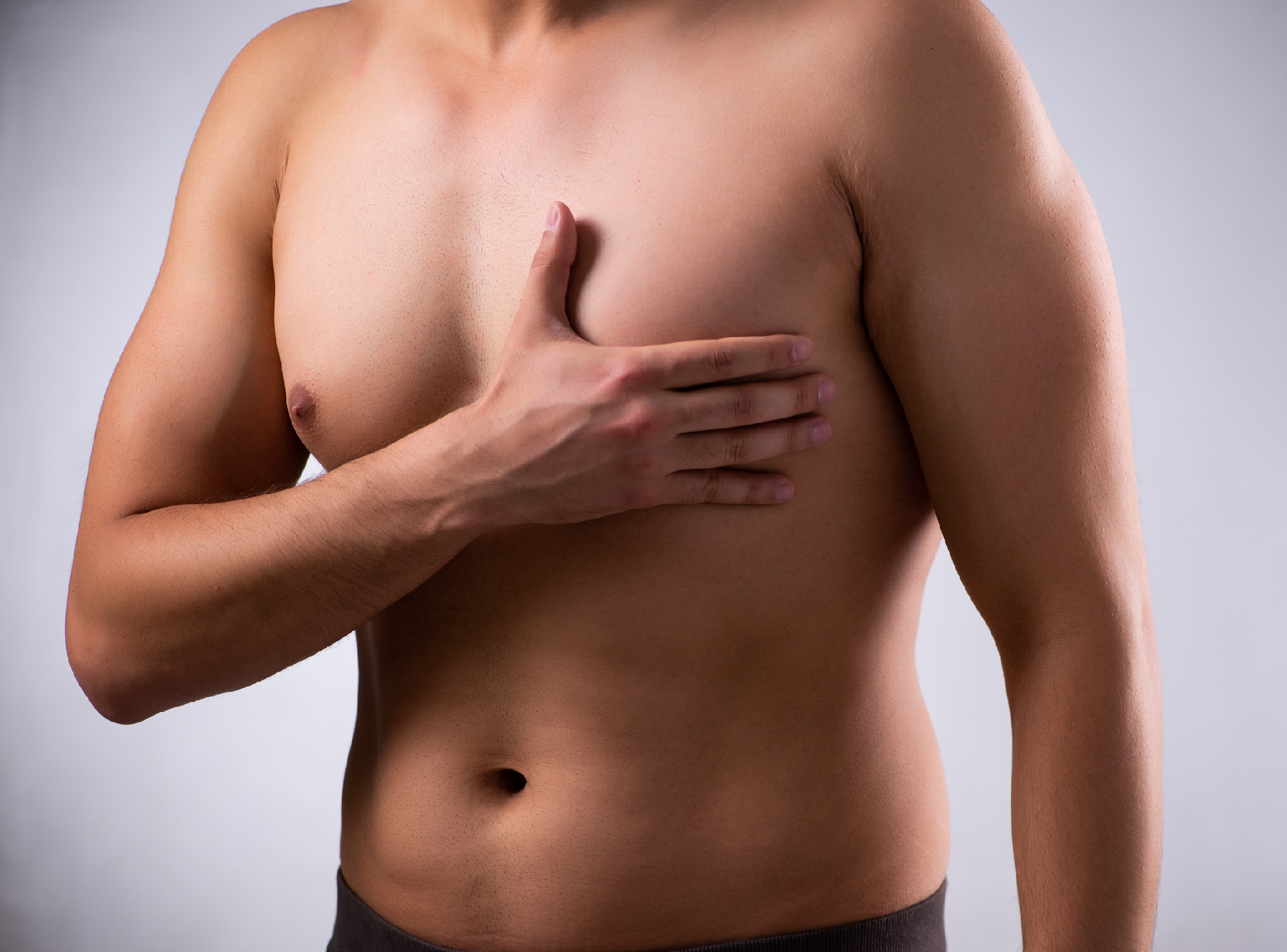
To protect your surgical outcomes, you must gradually and cautiously resume physical activity after gynecomastia surgery. While light walking is encouraged shortly after the procedure, intense workouts and upper-body training must be delayed to allow proper internal healing. Returning to exercise too soon can increase swelling, cause discomfort, or affect your final chest contour. Understanding the correct recovery timeline ensures a safer return to your fitness routine and long-lasting, masculine results.
Gynecomastia Surgery In Dubai
Gynecomastia Surgery in Dubai is a cosmetic surgical procedure designed to reduce enlarged male breast tissue, creating a flatter, firmer, and more masculine chest contour. It targets excess glandular tissue, fat, or a combination of both, depending on the patient’s condition. The procedure can involve liposuction, direct excision, or a combination of both techniques to achieve optimal results. Recovery typically includes mild swelling, bruising, and the use of a compression garment to support healing.
When Can I Work Out After Male Breast Reduction?
Men with gynecomastia have an unusual amount of breast tissue growth, which makes their chest look more feminine. Male breast reduction or gynecomastia surgery is the surgical solution to this problem. This surgery involves taking away extra tissue to make the chest look more masculine.
A lot of men who are thinking about getting gynecomastia surgery are worried about how long it will take to heal, especially when they can start working out or doing other physical activities again. It’s important to wait until you’re fully healed before doing any strenuous activities, especially those that involve the upper body, even though people often want to get back to them right away. Going back to hard physical activity too soon after surgery could be bad for your recovery.
Perfect Doctors Clinic is a plastic surgery clinic in Dubai that specializes in this field. It has some of the most experienced plastic surgeons in Dubai. We are known as a center of excellence for all kinds of gynecomastia surgery.
Exercise After Male Breast Reduction
Male breast reduction surgery is a major medical procedure that requires a slow and careful return to exercise for the best recovery. In the first month after surgery, it’s important to rest and let your body heal. Going back to the gym too soon can not only slow down the healing process, but it can also cause problems that may need more surgery to fix.
Everyone’s healing process after gynecomastia surgery is different. Even after the external cuts look healed, the internal tissues may still be healing. At first, it’s important to move slowly and carefully, and then gradually increase your activity level.
Below is a general timeline for recovery after male breast reduction surgery. But it’s important to remember that everyone heals at their own pace. Always follow your surgeon’s post-operative instructions and get their permission before making big changes to your activity levels. A safe and successful recovery depends on listening to your body and slowly adding back in hard workouts.
Exercise After Gynecomastia Surgery – Recovery Timeline Week by Week
The First Week After Surgery
After your gynecomastia surgery, you will go home with compression clothes and detailed care instructions from your doctor. You must always wear these clothes, even when you’re doing something physical.
Your main goal during the first week should be to rest. Don’t do anything that could make your heart race or put stress on your body. But you should walk lightly. Short walks of up to 35 minutes can help with blood flow, which is important for healing and lowering the risk of blood clots. You can start these walks the day after your surgery.
- Do: Go for short, easy walks that last up to 35 minutes.
- Don’t: Push yourself too hard to the point of being tired or out of breath.
Week Two
You can start walking faster and for longer periods of time in the second week. You could also think about adding other low-impact cardio workouts, like using an elliptical machine or riding a stationary bike. But you should still stay away from high-impact activities like running, swimming, or any exercises that use your upper body.
You can start doing some light stretching, but make sure it’s not too much and that it’s not too hard. Arm lifts and side stretches should be simple and done slowly.
- Do: Slowly add more low-impact cardio exercises.
- Don’t: Do any strenuous activities or exercises that work your upper body.
Weeks Three to Four
Most patients should wait at least three weeks before lifting weights, and only if their surgeon says it’s okay. At first, do lower-body exercises with light weights. Machines are better because they give you more control and lower the chance of hurting your upper body.
Keep working on your cardio, but keep doing low-impact exercises.
- Do: Start training your lower body with light weights.
- Don’t: Do exercises for your chest and upper body.
Weeks Four to Six
Most patients are ready for moderate-impact exercises like jogging, jumping rope, or brisk hiking by the end of the first month. Don’t go back to contact sports or any other activities that could hurt your chest until you are completely healed.
About six weeks after your surgery, your doctor might let you start working on your upper body strength again. Keep in mind that your muscles might not be as strong as they were before surgery. Start with lighter weights and fewer reps, and work your way back up to the strength you had before surgery.
- Do: Before going back to your normal workout routine, talk to your surgeon.
- Don’t: Think you can go back to the same level of exercise intensity right away. Do lighter exercises at first, and then slowly increase your strength and endurance.
BOOK AN APPOINTMENT TODAY
Post-Surgery Top Tips for Working Out After Gynecomastia Surgery
Understanding the Importance of Post-Surgery Guidelines
After having gynecomastia surgery, it is very important to follow your surgeon’s instructions for after the surgery, which may include advice on compression garments. These clothes are made to help you heal, keep the swelling down, and keep the shape of your new chest. Even when you’re doing light exercises, wear them as directed because they are very important to your recovery.
Navigating the Initial Recovery Phase
It’s very important to stay away from exercises that focus on the chest, shoulders, and upper back for the first six weeks after your surgery. These areas are healing, and putting stress on them can slow down the healing process and cause problems or less-than-ideal results.
Listening to Your Body
Listening to what your body is telling you is one of the most important things you can do to get better. If you feel any sharp pain or discomfort while doing something, it’s a clear sign that you need to stop and rest. It’s not a good idea to push through pain because it can make the problem worse and make your recovery take longer.
Monitoring for Signs of Complications
Keep an eye out for any increased pain, redness, or discomfort in the area that was operated on. You should tell your surgeon right away if you notice any of these signs, as they could mean that something is wrong, like an infection or a bad reaction. Quick action is very important to fix any problems that might come up.
Exercising Patience During Recovery
It’s normal to want to get back to your regular gym routine, but you need to be patient. To get the best results and reduce scarring, the body needs plenty of time to heal. Hurrying the process can not only make recovery take longer, but it can also make the surgery go worse.
Gradual Resumption of Physical Activity
As you get better, it’s important to slowly start doing physical activity again. Start with exercises that don’t put too much stress on your body, like walking or riding a bike slowly. These things can help your blood flow better, help you heal faster, and lower your risk of getting blood clots. Always follow your surgeon’s instructions and gradually make your workouts harder and longer.
Long-Term Maintenance for Lasting Results
Once you’ve fully healed, it’s important to keep your weight stable by eating a balanced diet and working out regularly. This will help you keep the results of your surgery. Weight changes can change how your chest looks and may make the surgery less effective. To keep your body in shape and keep the results, do a mix of cardiovascular exercises, strength training, and eating well.
Incorporating a Holistic Approach to Recovery
Keep in mind that getting better isn’t just about getting better physically; it’s also about getting better mentally and emotionally. During this time, meditation, gentle yoga, or other ways to relax can be helpful. They can help you deal with any stress or anxiety you may have about your recovery and make you feel better overall.
Regular Check-ups and Follow-up Care
It’s important to see your surgeon regularly to check on your progress and make sure you’re healing properly. These check-ups are a chance to talk about any worries, keep track of your recovery, and get personalized advice on how to change your lifestyle and exercise routine.
Gynecomastia Surgery in Dubai: Why Choose Perfect Doctors Clinic?
Excellence in Gynecomastia Treatment
The Perfect Doctors Clinic in Dubai is the best place for men to get advanced and compassionate care before and after gynecomastia surgery. Our dedicated team of specialists uses cutting-edge technology and years of experience to give each patient the best possible results.
Your journey with Us
The Perfect Doctors Clinic makes sure that you have a personalized and supportive experience from your first consultation to your post-operative care. We know that gynecomastia can be a sensitive issue, so we make sure that your comfort and privacy are always our top priorities during treatment.
MEET THE EXPERT DOCTOR
Best Plastic Surgeon In Dubai For Gynecomastia Surgery
Best Plastic Surgeon in Dubai for Gynecomastia Surgery is highly experienced in male chest contouring, delivering natural, balanced, and long-lasting results. Dr. Perfect Celebrity leads the practice, offering personalized consultations to assess each patient’s anatomy and goals. Using advanced techniques such as liposuction, gland excision, or a combination, the surgeon removes excess fat and glandular tissue while minimizing scarring. Patients benefit from state-of-the-art facilities, strict safety standards, and attentive pre- and post-operative care.
.