





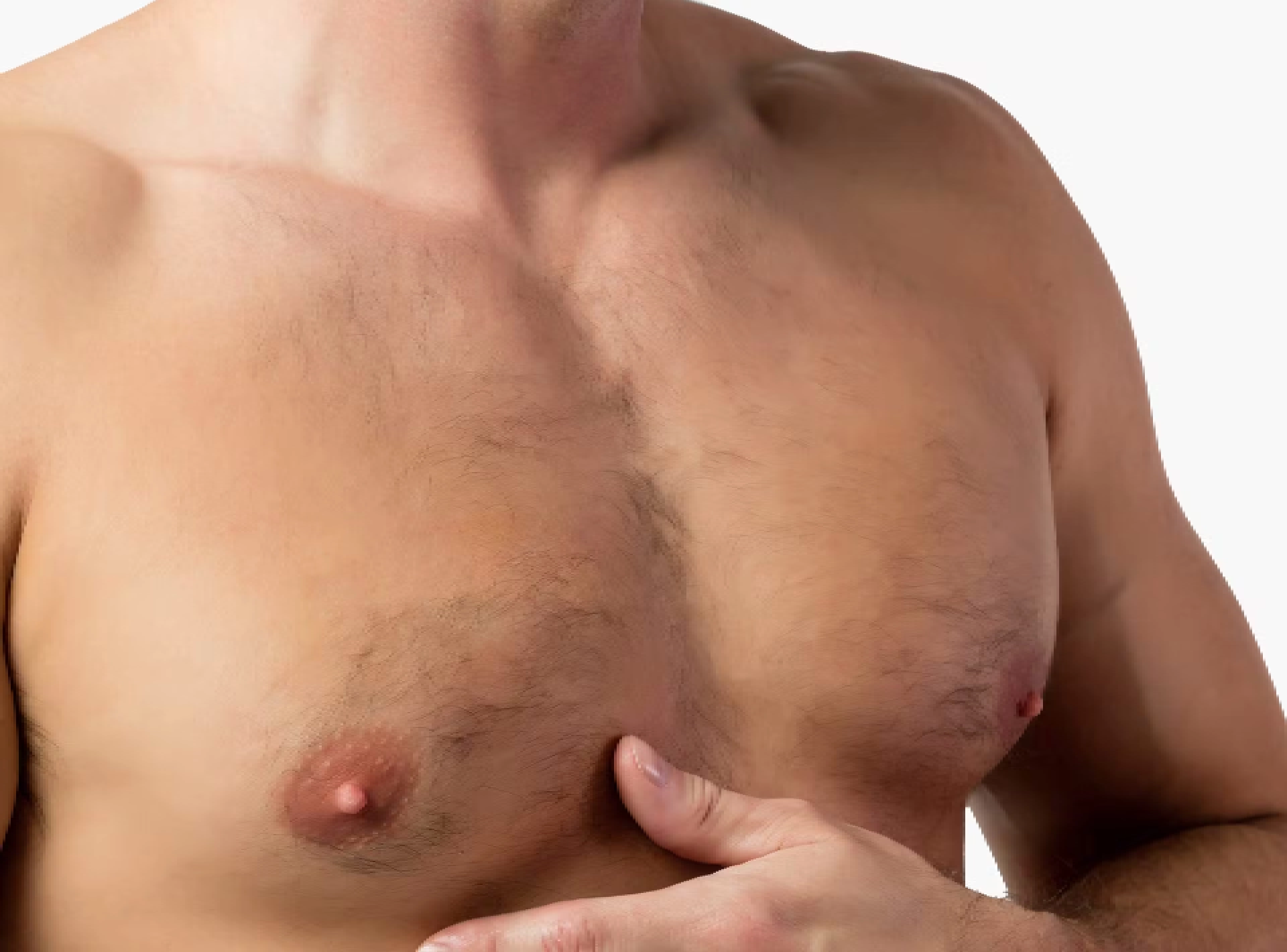
Gynecomastia is a condition in which male breast tissue grows larger. This can happen because of hormonal imbalances, being overweight, or taking certain drugs. It can make people feel very bad emotionally and make them feel self-conscious. Gynecomastia surgery, also called male breast reduction surgery, is a specialized procedure that removes extra breast tissue to make the chest look flatter and more traditionally masculine.
The goal of gynecomastia surgery is not only to get rid of the physical signs of the condition but also to boost the patient’s self-esteem and quality of life. But the surgery is only the first step toward getting the look you want for your chest. For the best results, it’s important to take care of yourself properly after surgery and shape your chest.
After the surgery, the chest may look swollen and bruised, which can be scary at first. It’s important to remember that these are normal parts of the healing process. With the right approach to recovery, which includes targeted exercises and a slow return to physical activity, patients can shape their chest to look smooth and well-defined. This structured method of shaping the chest is very important for avoiding problems and getting the best possible results after gynecomastia surgery.
Gynecomastia Surgery In Dubai
Gynecomastia Surgery in Dubai reshapes the chest, but maintaining the results necessitates good post-operative habits. Wearing compression garments, adhering to recovery guidelines, and gradually returning to exercise are all effective strategies. A healthy lifestyle promotes healing, increases chest definition, and helps to maintain a firm, masculine contour long after surgery.
Initial Recovery Phase: What To Expect Right After Surgery
The first few days after gynecomastia surgery are very important for getting the best long-term results. Your body starts to heal during this time, and how you take care of yourself can have a big effect on the end result.
It’s normal to have swelling, bruising, and pain in the chest area for the first few days after surgery. These symptoms are normal after surgery and should get better over time. Your surgeon will probably give you a compression garment to wear. This will help reduce swelling, support the chest tissues, and help your body heal in a way that looks good.
Following your surgeon’s post-op instructions exactly is very important. These rules will tell you how to take care of your cuts, when and how to take your medications, and what activities you shouldn’t do. For instance, doctors usually tell people not to do any hard work or lift heavy things for at least a few weeks after surgery to avoid problems like hematomas or wound dehiscence.
Chest irregularities, like unevenness or asymmetry, are one of the most common worries at this stage. It’s important to know that these problems are usually only temporary and have to do with swelling. As the swelling goes down and the tissues settle, the chest will usually start to look more even and natural.
During this early recovery phase, it’s important to be patient and follow your doctor’s advice. If you let your body heal properly, you’ll be able to shape your chest well in the weeks and months to come.
Take It Slow: The Importance Of Gradual Progression Post-Gynecomastia Surgery
It’s normal to want to get back to your normal routine as soon as possible after gynecomastia surgery, especially if you’re excited to see the results. But it’s important to remember that hurrying the recovery process can cause problems and make your overall outcome worse. A slow increase in physical activity is important for a successful recovery and the best shaping of your chest.
Most of the time, doctors tell their patients to stay away from any kind of hard work for the first two weeks after surgery. During this time, your body can heal from the surgery without having to deal with the stress of working out. During this time, light walking is usually recommended to improve circulation and lower the risk of blood clots. However, activities that involve heavy lifting, intense cardio, or direct chest exercises should be avoided at all costs.
After the first two weeks, you can start to slowly add light physical activities back into your life, like stretching and exercises that don’t put stress on your body. But you should pay attention to your body and stay away from any movements that make your chest hurt or strain. You should not do direct chest exercises like push-ups or bench presses for at least four to six weeks, depending on what your doctor says. Doing these exercises too soon can slow down the healing process and cause problems like scar tissue forming or wounds taking longer to heal.
You can protect your surgical results and slowly build up your strength and endurance by being careful and taking it slow when you start exercising again. In the long run, this patience will pay off, and you will be able to get a well-defined, attractive chest without putting your health at risk.
Optimal Cardio And Stretching For Recovery
In the weeks after gynecomastia surgery, adding light cardio and stretching to your routine can help you stay fit and speed up the healing process. But it’s important to pick activities that won’t put too much stress on your chest while it heals.
Safe Cardio Exercises:
At the beginning of your recovery, do low-impact cardio workouts. Walking is one of the best choices because it keeps your heart healthy without putting too much stress on your chest. Begin by taking short walks around your home or neighborhood, and as you get more comfortable, make them longer. Another good choice is to ride a stationary bike gently, as long as you stay upright and don’t lean forward, which can put pressure on the chest.
You can start doing more types of cardio, like using an elliptical machine or light jogging, about five to seven weeks after your surgery, depending on what your doctor says. Don’t forget to keep the intensity low to moderate and pay attention to how your body feels to avoid any pain.
Stretching For Flexibility And Recovery:
Stretching is very important for keeping your body flexible and preventing stiffness while you heal. You can start doing gentle shoulder rolls, arm circles, and neck stretches within the first two weeks after surgery to keep your upper body flexible without working your chest muscles directly.
You can add stretches that open up your chest, like the seated chest opener or a gentle stretch against a wall, as you get better. These stretches keep your pectoral muscles flexible and help you stand up straighter, which is very important while your chest heals. Always do these stretches slowly, and stop right away if you feel any pain.
Basic Routine For Recovery:
- Morning: Walk for 15 to 20 minutes, then do some gentle shoulder rolls and neck stretches.
- Evening: Do the same things you did in the morning, but add seated chest openers if you can.
Adding these low-impact cardio and stretching exercises to your daily routine will help you recover, keep your fitness level up, and get your body ready for more intense activities as you get better.
BOOK AN APPOINTMENT TODAY
Understanding And Managing Post-Surgery Chest Appearance
After surgery for gynecomastia, it’s normal for patients to keep a close eye on their chest to see how it looks. But you should know that the healing process takes time, and the way your chest looks at first may not be the same as how it looks at the end.
Common Concerns After Surgery: You might notice that your chest isn’t as smooth or even as it used to be, or that some areas feel firmer than others. This can be worrying. These problems usually go away on their own and are often caused by swelling, fluid buildup, or the normal settling of tissues as they heal. You might also feel lumps or firmness under your skin, which is usually a sign that scar tissue is forming. It is possible for scar tissue to form around the cuts or in the places where the extra tissue was removed. This can make the area feel tight or hard.
Timeline for Improvement: The first few weeks after surgery will see the biggest changes. The swelling will go down slowly, and the skin will start to fit the new chest shape. A lot of the swelling should go down by the end of the first month, but it can take several months for the final results to show up. Most patients will be able to see the full results of their surgery within six months, when the tissues have healed completely, and any remaining problems have been fixed.
How to Take Care of Scars and Make Your Chest Look Even: Follow your surgeon’s instructions for how to take care of your scars to help make your chest look smooth and even. This could mean using silicone gel sheets or topical treatments to make scars look less noticeable. Also, your surgeon may suggest that you gently massage your chest area. This can help soften scar tissue and improve blood flow, which can speed up healing and make you feel less tight. Don’t let the scars get too much sun, since UV rays can make them darker and more noticeable.
A healthy lifestyle, which includes drinking enough water and eating a balanced diet, also helps your body heal naturally. If you’re worried about how your chest looks while you’re healing, don’t hesitate to call your surgeon for help and comfort.
Strengthen Your Chest: Key Exercises For Pectoral Muscle Development
After your gynecomastia surgery, you should wait until your doctor gives you the go-ahead to start doing more strenuous activities again. Then you can start doing chest exercises that are meant to build and shape the pectoral muscles. A well-planned workout routine will help your chest look better by giving it a balanced, muscular shape.
The pectoralis major and pectoralis minor are the two main muscles that make up the chest. The upper (clavicular) and lower (sternal) parts of the pectoralis major are the two main parts. To get a balanced chest, you need to work on both of these areas with a range of exercises.
Key Exercises:
Incline Bench Press:
- Target: The upper chest (the clavicular head of the pectoralis major)
- Description: This exercise works on the upper chest, which helps make the area around the collarbone look fuller. To put more stress on the upper pectorals, use a moderate incline angle of about 45 to 60 degrees.
Flat Bench Press:
- Target: The middle of the chest (the whole pectoralis major)
- Description: The flat bench press is a basic exercise that works the whole chest, but it works the middle part the most. It’s great for making your chest bigger and stronger.
Chest Flyes:
- Target: The inside of the chest
- Description: This exercise can be done on a flat or slanted bench. It helps to shape the inner chest by stretching and contracting the pectoral muscles through a wide range of motion.
Push-Ups:
- Target: the whole chest
- Description: Push-ups are a bodyweight exercise that can be changed to work different parts of the chest. For instance, doing them with your feet up can move the focus to the upper chest, while a regular push-up works the whole chest.
Gynecomastia Bodybuilding For Chest Sculpting: Techniques And Strategies
Bodybuilding is a great way for people who have had gynecomastia surgery to get their strength back and shape their chest in a way that goes well with the results of their surgery. But it’s very important to bodybuild in a way that respects your body’s healing process and focuses on building muscle in a balanced way.
Advanced Bodybuilding Strategies: After surgery, your chest may be more sensitive or limited in some ways, so you need to be careful. Begin with lighter weights and focus on exercises that you can do with complete control, making sure that your form is perfect. This will help keep your chest from getting too tired and lower the chance of problems like injury or muscles not growing properly.
Importance of Technique and Form: After gynecomastia surgery, bodybuilding requires good technique and form. Make sure that each movement is controlled and that you are focusing on the muscle group you want to work. For instance, when doing bench presses or chest flyes, focus on using the pectoral muscles without overusing the shoulders or arms. This targeted method gets the most out of your muscles and helps your chest grow evenly.
Weight Selection and Progression: Choosing the right weight is very important for weight selection and progression. Start with weights that let you finish your sets with good form and without too much pain or fatigue. You can slowly add more weight over time, but don’t go up to heavier loads too quickly. The goal is to slowly build strength and muscle mass so that your chest muscles can adapt and grow evenly.
Balancing Looks and Functional Strength: The main goal may be to make your chest look better, but you also need to work on its functional strength. This means doing exercises that not only build muscle but also make your chest and the muscles around it, like your shoulders and core, stronger and more stable. Push-ups, cable crossovers, and compound movements like deadlifts and rows are some exercises that can help you get this balance.
Sample Bodybuilding Routine for Sculpting Your Chest:
- Warm-up: 10 to 15 minutes of light cardio and dynamic stretches.
- Incline Dumbbell Press: 4 sets of 9 to 14 reps, with a focus on the upper chest
- Cable Crossovers: 4 sets of 11 to 16 reps, with a focus on the middle chest
- Flat Bench Dumbbell Flyes: 3 sets of 13–16 reps, with a focus on the inner chest
- Push-Ups: Do four sets until you can’t do any more (change the intensity as needed).
- Cool-down: Stretching your chest, shoulders, and arms was part of the cool-down.
If you follow these bodybuilding tips, you’ll be able to shape your chest in a way that not only looks great but also helps you reach your fitness and strength goals. To get lasting results, you need to be patient and consistent.
The Role Of Diet In Chest Shaping Post-Gynecomastia Surgery
Nutrition is very important for healing and getting the best results after gynecomastia surgery. A balanced diet not only helps you heal, but it also helps you build and shape your chest muscles, which makes them look better and more defined.
Importance of nutrition in Recovery: After surgery, your body needs certain nutrients to heal tissues, lower inflammation, and speed up the healing process. Eating a lot of vitamins, minerals, and antioxidants will help these processes, which will help you get better faster and more effectively.
Dietary Recommendations For Muscle Growth And Healing:
- Protein: Protein is an important part of your diet after surgery because it helps muscles heal and grow. Try to include high-quality protein sources like lean meats, fish, eggs, dairy, and plant-based proteins like beans and lentils. Eating enough protein helps rebuild muscle tissue that may have been damaged during surgery and helps build a well-defined chest.
- Healthy Fats: Healthy fats like those in avocados, nuts, seeds, and olive oil are important for lowering inflammation and helping cells grow back. These fats also give you the energy you need to work out and recover.
- Hydration: Staying well-hydrated is important for your health and recovery. Water helps your body get rid of toxins, digest food, and absorb nutrients. Drinking enough water also helps keep your skin flexible, which can make your chest look better as it heals.
- Carbohydrates: Carbohydrates give your body the energy it needs, especially when you start working out regularly. Whole grains, fruits, and vegetables are examples of complex carbohydrates that give you long-lasting energy and are full of important nutrients.
MEET THE EXPERT DOCTOR
Common Pitfalls To Avoid When Shaping The Chest After Surgery
Recovery after gynecomastia surgery is very important for getting the chest shape you want, but there are some common mistakes that can slow down progress or even cause problems. Knowing about these problems and doing what you can to avoid them will help you have a smooth and successful recovery.
Overtraining: One of the most common mistakes is going back to hard workouts too soon. Too much training can put stress on the healing chest muscles and cuts, which could lead to problems like slower healing, more swelling, or even scar tissue. Following your surgeon’s advice and a gradual progression plan is very important. This will give your body enough time to heal before you start working out harder.
Improper Form: Another common problem is using the wrong form while working out, especially when doing chest exercises for the first time. Not using the right form can not only make the exercise less effective, but it can also hurt you. Pay close attention to how you move, especially when doing chest exercises like bench presses and flyes. If you’re not sure about your form, you might want to hire a physical therapist or a certified trainer to show you the right way to do things.
Neglecting Medical Advice: Some patients may not follow their surgeon’s post-operative instructions, like not wearing compression garments or not following limits on physical activity. This can cause problems like fluid buildup, swelling that lasts longer than usual, or chest contouring that doesn’t look good. To avoid these problems, always follow your surgeon’s advice exactly.
Preventive Measures:
- Follow your surgeon’s schedule for when you can start doing things again.
- When you work out, focus on using the right form instead of lifting heavier weights.
- Wear compression garments as recommended to support healing.
- If you’re not sure about your workout plan, get help from a professional.
If you are aware of these common mistakes and take the right steps, you will be more likely to get a well-defined chest and enjoy all the benefits of your gynecomastia surgery.
Best Plastic Surgeon In Dubai For Gynecomastia Surgery
Best Plastic Surgeon in Dubai for gynecomastia surgery is available at the Perfect Doctors Clinic, where Dr. Perfect Celebrity offers expert advice on shaping the chest after surgery. With proper aftercare, compression garments, and gradual exercise, patients can maintain a firm, masculine contour for long-term results and increased confidence in their appearance.