





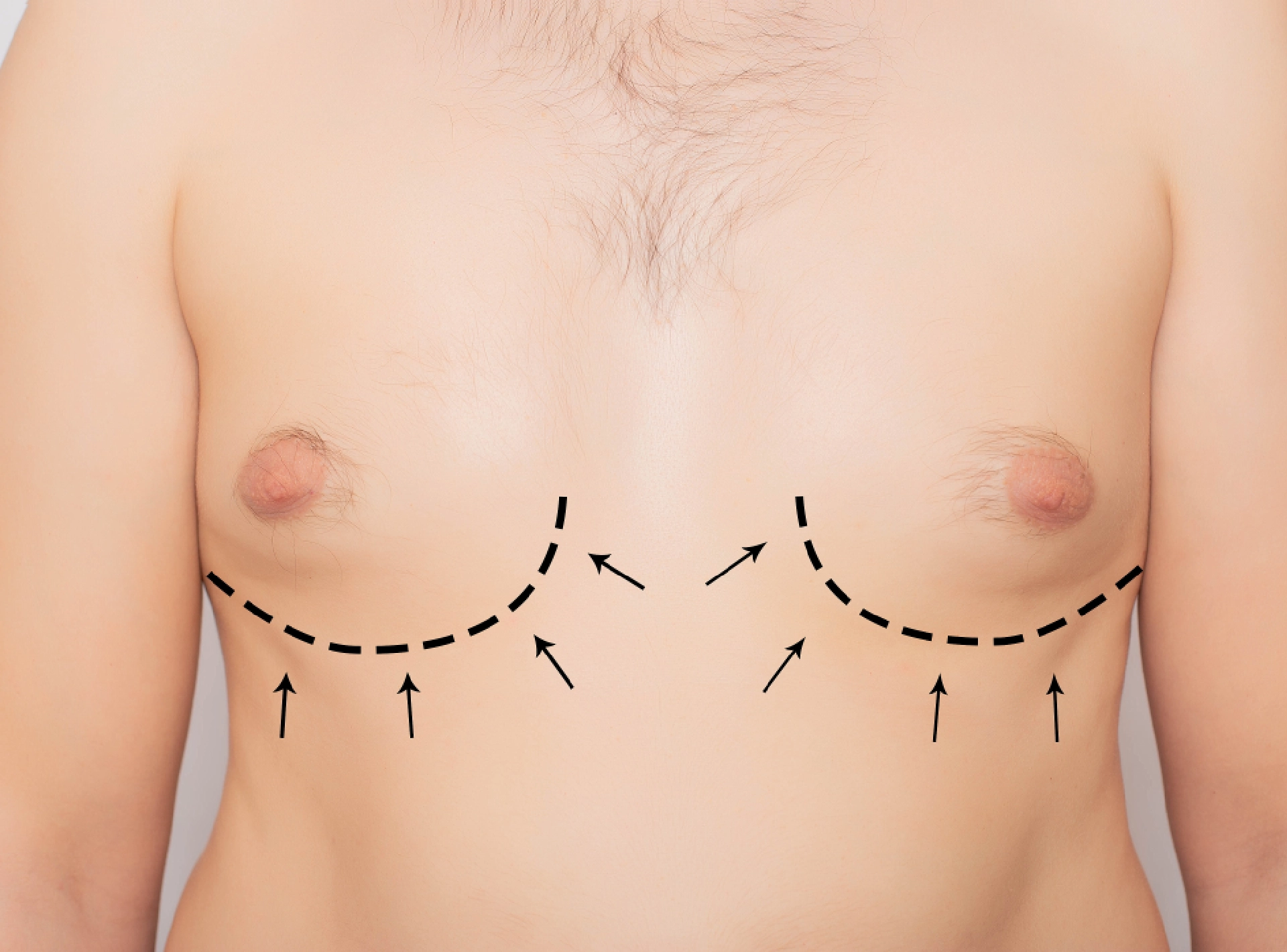
Many men feel better and more confident after gynecomastia surgery, but you probably have some important questions about what to expect. One of the most common worries at the Perfect Doctors Clinic is how noticeable the scarring may be after surgery.
Knowing that you will have scars after surgery will help you get ready for life after the surgery. Our doctors want to keep you in the loop. You can then make choices that are good for both your health and your looks. Let’s talk about what you should know about scars from gynecomastia surgery and how we try to make them as small as possible for each of our patients.
Gynecomastia Surgery In Dubai
Gynecomastia Surgery in Dubai is intended to reduce visible scarring while successfully reshaping the male chest. Surgeons make small incisions in discreet areas, such as the areola or natural chest folds, so scars fade over time. With modern techniques and proper aftercare, most scars are barely noticeable.
Male Scar Removal In Dubai
Male Scar Removal in Dubai provides advanced solutions for men who are concerned about the marks left after gynecomastia surgery. While the procedure makes small, discreet incisions, some patients opt for laser treatments, microneedling, or medical-grade skincare to further fade scars. Modern scar therapies help to smooth skin texture and blend scars into the surrounding area.
Key Takeaways
- Minimal scarring is possible: There is a chance of minimal scarring because most gynecomastia incisions are small and well-placed, usually around the areola or chest crease.
- Techniques impact the scar: Modern surgical methods, such as liposuction-assisted or endoscopic techniques, can help make scars less visible.
- Healing varies by individual: Your scars grow and fade differently depending on your genes, age, and skin type.
- Post-care makes a difference: Following your surgeon’s aftercare instructions protects your healing skin and makes scars less visible.
- Scars change over time: At first, they are red and firm, but as they get older, they often become much less noticeable within a year.
- Revision options exist: There are ways to fix scars that don’t heal well, such as silicone sheets, steroid injections, or minor surgeries.
- Open conversation is key: Talk to our team about your past, your worries, and your preferences to make sure we take the best care of your chest.
Understanding Gynecomastia Surgery And Scar Formation
Gynecomastia surgery, which is also known as male breast reduction, takes out extra glandular tissue, fat, and sometimes skin from the chest. The scars that are left behind and where they are located depend on the type of surgery that was done.
Incision Techniques Used In Gynecomastia Surgery
We choose the type of incision based on your body’s unique structure and your goals for chest contouring.
- Periareolar incisions: In mild to moderate cases, we often make small cuts along the lower half of the areola, which is the darker skin around the nipple. The natural color border hides most surgical scars well.
- Liposuction-only cuts: For people who mostly have fat and good skin tone, we sometimes make very small cuts (about a quarter of an inch) in the armpit or along the chest crease. For most patients, these lines fade to almost nothing.
- Longer cuts: In very bad or complicated cases, getting rid of extra skin may require a longer cut that goes up and down or across the chest. We only use this method when we really have to because it leaves longer scars.
Knowing the recommended technique can help you have realistic expectations about how much scarring you will have before your procedure.
How Do Scars Form?
After any surgery, scars are a normal part of the healing process. Your skin makes new collagen to hold the edges of the wound together. Scars may look pink or dark, be a little raised, and feel hard in the first few weeks. In the next 7 to 14 months, the scar usually becomes softer, lighter, and flatter.
The size and location of the incision, your skin type, how well you follow post-surgery care instructions, and how well you heal all affect how visible the scar is.
BOOK AN APPOINTMENT TODAY
Types And Locations Of Scarring After Gynecomastia Surgery
After gynecomastia surgery, the scars can look different depending on the method used and your health in general. Knowing what to expect can help you get ready for the best outcome.
Common Scar Locations
We usually make cuts in places where scars are naturally hidden. The most common places are:
- Along the edge of the areola: This mixes scars with the change in color between the areola and the chest skin.
- In the natural chest crease: This position hides the cut in a shadowed area when you stand up.
- In the armpit (axilla): For some patients who only have liposuction, this area keeps the scar almost invisible from the front.
Differences In Scar Appearance
The kind of tissue that was taken out also changes how scars look. A periareolar incision to remove glandular tissue usually leaves a scar that is less noticeable because the incision is short and the areola border hides any marks. Scars from liposuction alone are usually the smallest and may fade into a light dot over time.
More serious gynecomastia surgery, which may involve removing skin, can leave scars that are longer and more visible. But even these often flatten and fade a lot within a year of healing properly.
Color Changes And Long-Term Appearance
Scars are usually most noticeable in the first few months after surgery. They may look pink, purple, or brown, depending on your skin tone. Most scars get lighter over time until they almost match the skin around them or turn into a smooth white line.
One of the most important things you can do to keep scars from getting darker or changing color is to keep them out of the sun.
Factors That Influence The Severity Of Scarring
Not all scars are the same. There are many things that affect how well your cuts will heal after male breast reduction. Knowing these things can help you have realistic hopes for your results.
Surgical Technique And Skill
A precise surgical approach is very important. To reduce trauma and scarring, our surgeon makes small cuts, closes them carefully, and handles tissues gently.
Your Individual Healing Qualities
The body makes and changes collagen in different ways for each person. Factors that may elevate the risk of noticeable scarring include:
- Your genetics and the fact that you have had scars before (like keloids or hypertrophic scars)
- Color and thickness of the skin
- Age (younger skin may make scars stronger)
- General health (smoking, diabetes, or autoimmune diseases can slow down healing)
Lifestyle And Aftercare
Taking care of your cuts in the weeks and months after surgery is very important. Following your personalized aftercare plan carefully will make your scar look better right away.
Steps To Minimize Scarring After Your Procedure
A few strategies can have a big impact on your long-term results. As part of your surgical plan and follow-up visits, we go over these very carefully with you at the Perfect Doctors Clinic.
Aftercare Tips For Better Scar Healing
To help the healing process and reduce the appearance of scars, we suggest the following:
- Follow Your Surgeon’s Guidelines: Always follow the wound care instructions given to you after surgery, which include keeping the cuts clean and dry until they are healed.
- Avoid Sun Exposure: Scars that are still fresh are very sensitive to sunlight. To keep from getting darker, use sunscreen (once it’s safe) and wear a shirt outside.
- Use Silicone Gel or Sheets: Regularly applying silicone treatments to the skin can smooth out and soften scars. Over time, many patients notice that they look better.
- Massage Your Scars: After your doctor gives you the go-ahead, a gentle circular massage can help blood flow and reshape collagen, which makes scars look smoother and softer.
- Limit Physical Strain: In the first few weeks, don’t do hard chest exercises or stretch too much to avoid pulling on delicate healing tissue.
Living a healthy life, which includes eating well and staying away from tobacco products, will also help the body heal quickly and well.
How Long Until Scars Mature?
Most scars look their best 8 to 16 months after surgery. In the beginning, redness and firmness are common. Most of the time, these get better on their own over time.
If you’re worried about how a scar looks or how it’s healing, our team is always here to help and suggest ways to fix it.
Scar Management Treatments: What Are Your Options?
If your scars are still more visible than you wanted or if they are healing in an unusual way, there are many treatment options that can help. Here are some tried-and-true methods that people often talk about at our office:
- Silicone Sheets or Gels: These products keep the skin moist and apply gentle pressure, which helps make scars flatter and better in color.
- Steroid Injections: A series of steroid injections can make raised, thick, or itchy scars softer and smaller.
- Laser therapy: Special lasers can lighten dark scars or smooth out and flatten thickened areas with little pain.
- Microneedling: This method helps the body make new collagen, which slowly blends the scar with the skin around it.
- Scar Revision Surgery: A short surgery can sometimes remove or change scars that are very noticeable or painful.
Most of these treatments should not be done until the scar has fully healed. Based on how well you are healing, your surgeon will tell you when to think about each option.
MEET THE EXPERT DOCTOR
Frequently Asked Questions About Gynecomastia Surgery Scars
Here, we answer some of the most common questions that new patients have about scarring after surgery.
Will My Chest Look “Normal” After Healing?
For most patients, the scars fade away and look great with the normal shape of the chest. A lot of difference can be made by using the right technique and taking care of yourself after surgery.
Can I Reduce Scar Risk If I Have A History Of Keloids?
Please tell us ahead of time if you tend to get thick or dark scars easily. We will tailor your approach and aftercare to you, and we may suggest treatments to prevent scars from forming.
Is It Safe To Use Scar Creams Or Oils?
A lot of over-the-counter products are safe, but some might make healing wounds worse. Before putting anything new on, wait until the cuts are completely healed and talk to our surgeons.
What If I Notice Unusual Redness Or Bumps Along My Incisions?
It’s normal for the skin to be a little red at first, but if it gets bumps, hurts, or spreads, it could be a sign of infection or abnormal scarring. For a quick evaluation and peace of mind, please call our office.
The Benefits Of Ongoing Support During Recovery
There are clear benefits to having a skilled team with you at every stage of recovery. After gynecomastia surgery, we offer regular check-ins, follow-up visits, and personal advice to help you get the best results possible.
We think that talking to each other regularly builds trust and makes sure that no issue is left unresolved, especially when it comes to healing and scars. We do everything we can to help you feel proud of your chest after surgery, while also setting realistic expectations.
Planning For A Confident, Comfortable Recovery
Understanding the path from surgery through scar healing can help you face your gynecomastia procedure with greater confidence. Most people who go to the Perfect Doctors Clinic say that any mild or moderate scars aren’t as big of a deal as how much better their chest shape and self-image get.
You now know what affects how your scars look, what you can do to help them heal better, and how to deal with any problems that come up. With careful aftercare and open communication with our practice, you can get the most natural, smooth look possible.
Please get in touch with us if you’re ready to move forward or still have questions about gynecomastia surgery. Call the Perfect Doctors Clinic today to set up a consultation. Our dedicated staff will help you look and feel more confident.
Best Plastic Surgeon In Dubai For Gynecomastia Surgery And Male Scar Removal
Best Plastic Surgeon in Dubai for gynecomastia surgery and male scar removal is available at the Perfect Doctors Clinic, where Dr. Perfect Celebrity specializes in precise incision placement and advanced scar-care solutions. Even if small scars develop, modern treatments can help them fade quickly. Patients benefit from expert care, which results in a smoother chest contour and natural-looking healing.