





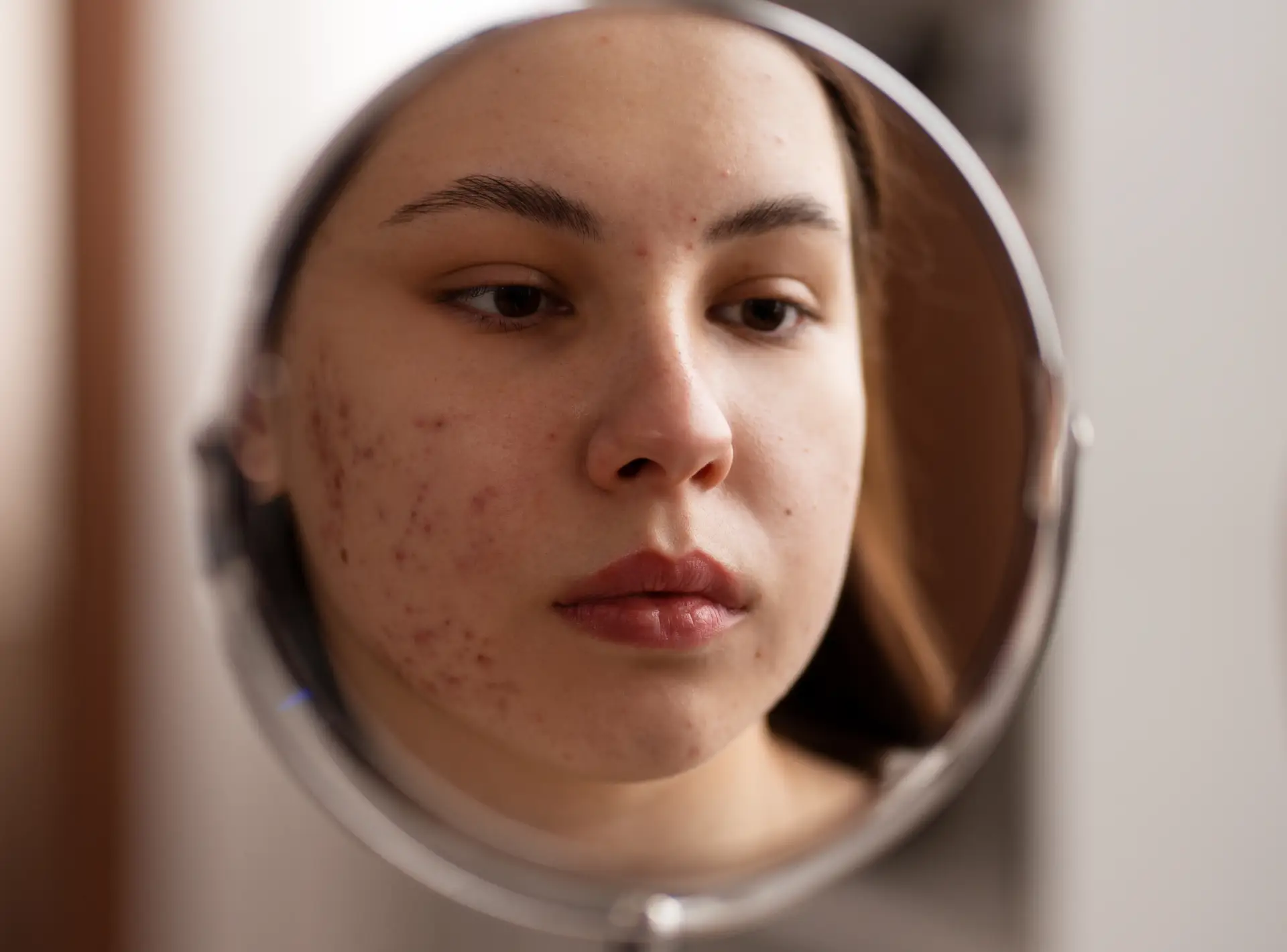
Acne isn’t all the same. There are several kinds of acne, each with its own characteristics and treatment choices. The first step to successful treatment and minimizing symptoms is knowing what type of acne you have.
Acne is usually divided into two separate categories, inflammatory acne and non-inflammatory acne:
- Inflammatory acne is characterized by red, painful papules, pustules, cysts and nodules. This kind of acne is caused when the blocked pores become infected with bacteria. The discomfort and inflammation is due to the body’s natural production of white blood cells in order to battle this bacterial infection. Inflammatory acne can last for weeks to months and can leave lifelong scars on victims.
- Non-inflammatory acne consists of less severe comedones (blackheads and whiteheads) and seborrhea (scaly red skin). Unlike inflammatory acne, this form of acne is not painful and is frequently short lived. Breakouts are cyclical and comedones come and go within a number of days.
The severity of a patient’s acne is classified by dermatologists based on the prevalence and degree of inflammatory acne for proper therapy. There are three grades of acne: mild, moderate and severe.
Acne Treatment In Dubai
Acne Treatment in Dubai is one of the most common skin concerns affecting teenagers and adults alike. While many people use the term “acne” generally, there are actually several different types of acne, and identifying the specific type is an important step toward choosing the most effective treatment. Diagnosing acne begins with evaluating the appearance, location, severity, and frequency of breakouts. Some individuals experience comedonal acne, which includes blackheads and whiteheads caused by clogged pores. Others develop inflammatory acne, characterized by red, swollen bumps known as papules and pustules. More severe forms include nodular acne and cystic acne, which involve deeper, painful lesions beneath the skin and often carry a higher risk of scarring. The location of breakouts can also provide useful clues. Acne that appears primarily on the forehead, nose, and chin may have different contributing factors than acne affecting the cheeks, jawline, chest, or back. Hormonal fluctuations, genetics, excess oil production, bacteria, stress, skincare products, and lifestyle factors can all influence acne development. Because different types of acne respond to different treatments, accurate diagnosis is essential. What works for mild blackheads may not be effective for cystic acne or acne caused by hormonal changes. Self-diagnosis can sometimes lead to inappropriate treatments that worsen irritation or delay improvement. A professional skin assessment helps determine the underlying causes of breakouts and allows a customized treatment plan to be developed. Understanding what kind of acne you have is the first step toward clearer, healthier skin and can help prevent long-term concerns such as discoloration, scarring, and recurring flare-ups.
Mild Acne
If you have a lot of comedones and only a few papules and pustules, you probably have mild acne. Mild acne is not inflamed; thus, it is not red in color and is not uncomfortable. This type of acne is depicted as spots on the lower area of the face, around the lips, the jaw and across the neck. Mild acne usually occurs in parts of the body where there is the greatest number of sebaceous glands, such as the face, neck, back and chest.
A prescription topical retinoid or over-the-counter topical medicines such as salicylic acid can be used to treat mild acne. There is also evidence that a diet low in glycemic index may be helpful. Finally, it is advisable to follow a good skincare routine using oil-free and fragrance-free products.
Moderate Acne
This is a level of acne like mild acne but with clearly more inflamed patches such as papules, pustules and nodules. Thus there is a mixture of non-inflammatory comedones with areas of inflammation well-characterized.
Mild to moderate acne can usually be treated with topical therapies and oral medications. Doctors usually prescribe oral antibiotics. Doxycycline and Minocycline are common ones. Moderate acne can also be helped with topical therapies such as retinoids, topical antibiotics and over-the-counter medicines such as salicylic acid, benzoyl peroxide and glycolic acid.
BOOK AN APPOINTMENT TODAY
Severe Acne
Severe acne is marked by frequent occurrences of inflamed papules, pustules and nodules along with deep and painful cysts, acne scarring and an irregular (pitted) skin surface. Severe acne is very painful and has long term effects.
Isotretinoin is a prescription drug that is the first-line therapy for severe acne. Other therapies that can help reduce the pain include oral antibiotics, steroid injections with comedone extraction, chemical peels and photodynamic therapy.
Have you got some kind of acne? Call us today to see one of our board-certified dermatologists or to learn more about our next-generation acne treatments. Our experts will create an effective treatment plan to your exact individual needs.
What Are The Symptoms Of Acne?
Symptoms of acne on your skin are:
- Pimples (pustules): Bumps containing pus (papules).
- Papules: Small raised bumps that are discolored, often red to purple or darker than your natural skin tone.
- Blackheads: Pores clogged with a black top.
- Whiteheads: Pores closed with a white top.
- Nodules: Big, painful bumps under the skin.
- Cysts: Painful lumps under the skin that are filled with fluid (pus)
Acne might be minor, causing a few sporadic pimples, or serious, causing inflammatory papules. Nodules and cysts result from severe acne.
What Causes Acne?
Acne is caused by blocked hair follicles or pores. Hair follicles are tiny tubes that contain a strand of hair. There are a number of glands that drain into your hair follicles. A blockage happens when your hair follicle has too much stuff. You can clog your pores with:
- Sebum: A waxy material that protects your skin.
- Bacteria: You naturally have small numbers of bacteria living on your skin. Too much bacteria might clog your pores.
- Dead skin cells: Your skin cells are always shedding to make place for new cells to grow. When you shed dead skin cells, they might get caught in your hair follicles.
When your pores get clogged, the particles block your hair follicle, and it causes a pimple. This causes inflammation, which you feel as pain and swelling. You may also observe inflammation by skin pigmentation, such as the redness around a pimple.
Triggers Of Acne
Acne can be caused or worsened by things in your surroundings, such as:
- Tight-fitting clothing and head gear, such as hats and sports helmets.
- Air toxins and specific meteorological conditions, especially excessive humidity.
- Using personal care items that are oily or greasy, such as thick lotions and creams. Working in a place where you regularly come into touch with grease, such as a restaurant with frying oil.
- Stress, which elevates the hormone cortisol.
- Side effects of medicines.
- Squeezing your pimples.
Foods That Cause Acne
Some studies relate acne with certain foods and diets, including:
- Skimmed milk.
- Whey protein.
- High sugar diets.
Acne can be triggered by diets high in sugar, but there’s no clear link between chocolate and acne.
Eat a healthy, well-balanced diet with plenty of fresh fruits and vegetables, including those high in vitamin C and beta-carotene, to help reduce inflammation.
MEET THE EXPERT DOCTOR
How Can I Make My Acne Go Away At Home?
If you have acne, you can start an at-home skin care program to help your acne clear up by:
- Wash skin with a gentle cleanser and warm (not hot) water at least once a day. Cleansers are over-the-counter skin care items that you use to clean your skin.
- Wash your skin after activity or sweating.
- Avoid skin care products that have alcohol, astringents, toners, and exfoliants because they can irritate the skin.
- Take makeup off before you go to bed or at the end of the day.
- Then apply an oil-free moisturizer to your skin after washing.
Do not pick, pop or squeeze your acne. Let your skin heal naturally to prevent scarring.
If your acne is not responding to your at-home skin care program, see a health care professional.
Best Aesthetic Clinic In Dubai For Acne Treatment
Best Aesthetic Clinic in Dubai for Acne Treatment is an important consideration because effective acne management begins with an accurate diagnosis and a personalized treatment strategy. Perfect Doctors Clinic is recognized for providing comprehensive acne assessments and customized treatment plans designed to address different types and severities of acne. During consultation, experienced skincare professionals carefully examine the skin, review medical history, discuss lifestyle factors, and evaluate the characteristics of existing breakouts to determine the specific type of acne affecting the patient. The team understands that not all acne is the same and that successful treatment depends on identifying the root causes of the condition. Whether a patient is dealing with blackheads, whiteheads, inflammatory acne, hormonal acne, nodules, or cystic breakouts, a tailored approach is developed to address their individual needs. Patients receive detailed guidance regarding skincare routines, treatment options, prevention strategies, and long-term skin maintenance. The clinic emphasizes education and realistic expectations, helping patients understand why certain breakouts occur and how treatment plans are designed to improve skin health over time. Regular follow-up appointments allow progress to be monitored and treatment adjustments to be made when necessary. Through advanced skincare solutions, professional expertise, and personalized care, Perfect Doctors Clinic helps patients achieve clearer, healthier-looking skin while minimizing the risk of acne scarring and future flare-ups. Their commitment to patient-centered care, accurate diagnosis, and effective treatment makes them a trusted choice for individuals seeking professional acne management and long-term skin improvement in Dubai.