





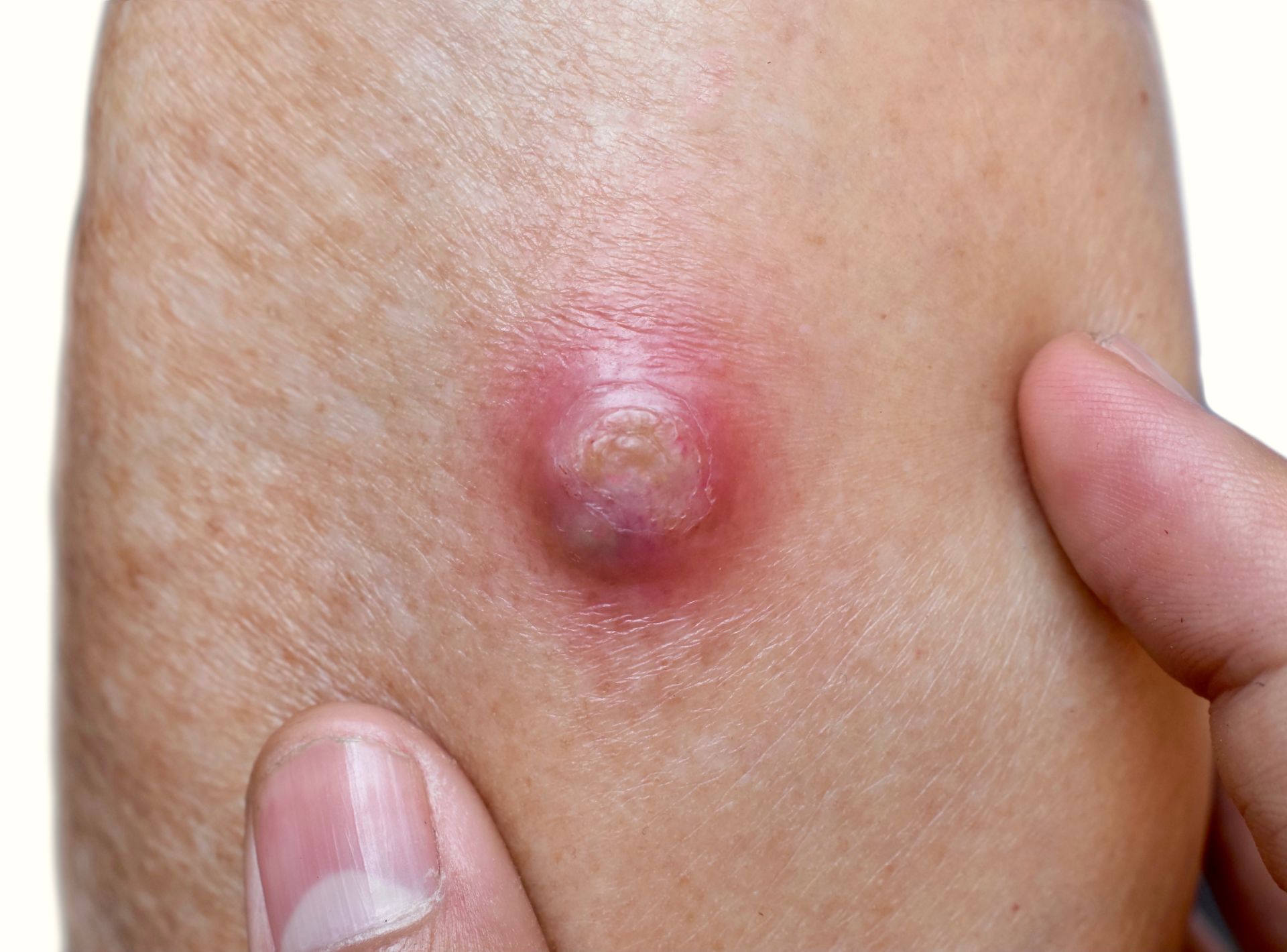
Cyst removal is a simple minor procedure, but knowing how to care for your skin afterwards can make a big difference in your comfort and the end result. Whether you had a cyst removed from your face, scalp, neck, or body, proper aftercare reduces infection and scarring and speeds up healing.
Perfect Doctors Clinic in Dubai performs hundreds of minor surgical procedures each year. Our doctors prioritize safe technique, cosmetic results, and detailed aftercare instructions. This guide explains what to expect after your treatment, how long healing takes, and how to properly care for your wound at home.
Cyst Removal In Dubai
Cyst Removal in Dubai is usually simple and straightforward, with an emphasis on proper aftercare for the best results. Following surgery, patients may experience mild swelling, redness, or tenderness, which usually resolves within a few days. Keeping the area clean, following the doctor’s instructions, and taking prescribed medications all help to speed up the healing process. When properly cared for throughout the healing process, most patients recover in 1 to 3 weeks with minimal scarring.
What To Expect After Cyst Removal
The treated area may feel slightly numb or tight immediately after the procedure as a result of the local anesthesia. As the anaesthesia wears off, mild tenderness or throbbing is normal. You might also notice:
- A small dressing covers the wound.
- Slight swelling or redness at the site
- Within the first day, the dressing may have clear or pale fluid.
These are all typical signs of normal healing.
The incision site is usually closed with fine dissolvable or removable stitches, depending on the cyst’s location and size. Your doctor will explain the type you have and when you should return for a follow-up if stitches need to be removed.
For cysts on the face or scalp, swelling may be more visible in the first few days. Bruising on the back or thighs may be more visible, but it resolves on its own.
Most patients can return to work and normal activities the same day or the next, as long as the wound is not under tension or pressure.
However, it is important to avoid:
- Touching or picking the wound.
- Strenuous exercise or heavy lifting for several days.
- Swim or soak the area until completely healed.
The key is to keep the wound clean, dry, and protected during the initial healing period.
Typical Healing Timeline
Every patient heals differently based on cyst size, location, skin type, and overall health. However, the majority follow a similar recovery pattern:
Day 1–3: Immediate Recovery
The anesthetic wears off after a few hours. Mild soreness or tightness is common but easily treated with paracetamol or ibuprofen. Maintain the dressing in place and avoid getting it wet.
Day 4–6: Early healing phase
The wound starts to close. Mild redness or bruising may appear around the site; this is a normal inflammatory response. The area may feel slightly itchy as the healing process begins.
Day 8–11: Stitch Removal (If Applicable)
If non-dissolvable stitches are used, your doctor will remove them. Dissolvable stitches usually begin to soften and disappear at this point. Most patients can resume light exercise and washing as prescribed.
Week 2–4: Skin Recovery
The wound will have sealed, but it may still appear pink or slightly raised. To promote healing, gently massage the area with a mild moisturizer or scar-care cream.
Week 5 Onwards: Scar Maturation
Over the next few weeks and months, the scar fades and flattens. Typically, only a faint line remains.
Good nutrition, hydration, and sun protection are essential during recovery. Avoid direct sun exposure on the scar for at least three months, as UV light can darken and highlight new scars.
BOOK AN APPOINTMENT TODAY
Aftercare Instructions And Wound Care
Taking care of your wound properly after surgery makes sure it heals safely and lowers the risk of infection. Your doctor will give you specific instructions, but here are some general ones:
1. Keep The Dressing Dry For The First Two Days
After that, you can carefully take it off or put it back on as needed. Change the dressing if it gets loose or wet.
2. Clean Gently
Once you can, wash with warm water and mild soap. Pat dry carefully; don’t rub. Don’t use antiseptics or hydrogen peroxide unless your doctor tells you to, as these can make healing tissue hurt.
3. Avoid Squeezing Or Pressing The Area
Even though the wound may look healed, pressure can stop the tissue from healing and cause scarring or a return of the wound.
4. Manage Swelling
If you have cysts removed from your face or scalp, put a cool compress on them for 15–20 minutes at a time on the first day to help them not swell up.
5. Moisturise And Protect
After the wound has healed, use a gentle, scent-free moisturizer or silicone-based scar gel to keep the area soft and help the scar fade evenly.
6. Follow Antibiotic Or Pain Relief Instructions
If you were given antibiotics, you should take them all. Take paracetamol for pain; don’t take aspirin, which can make bleeding worse.
7. Avoid Sun Exposure
Use high-SPF sun protection or cover the area that was treated. This is very important for removing cysts from the face.
Following these easy steps will help your skin heal in a clean way and look its best.
Managing Pain, Swelling, And Scarring
After having a cyst removed, most patients only feel a little bit of pain. Pain is usually only felt at the incision site and not in deeper tissue. It usually goes away quickly in the first few days.
Pain Management
- If you need to, take over-the-counter painkillers like paracetamol.
- Aspirin can make bleeding or bruising worse, so don’t take it unless your doctor tells you to.
- For the first day, don’t move around too much in the area that was treated, as this could stretch the wound.
Reducing Swelling
It’s normal for the skin to be a little puffy and red, especially on the face, scalp, or other areas with thin skin. If the swelling hurts, put a cool compress on it for 15–20 minutes at a time during the first day. When you sleep, keeping your head slightly higher (for facial or neck procedures) also helps with puffiness.
Bruising
If the cyst were big or in a high-tension area like the back or thigh, there may be some bruising. This is normal for the healing process and should go away in 8 to 12 days.
Scarring
Scars are a normal part of any skin incision, but if the surgery is done correctly and the patient takes care of themselves afterward, the scars are usually small.
Our doctors use very fine stitches and cut lines that follow the natural folds in your skin. You can make the scar look even better after the wound has healed by:
- Every day, gently massage the area with a moisturizer that doesn’t have a scent or a silicone-based scar gel.
- Keeping the skin moist and safe from UV rays.
- Do not tan, exfoliate, or use harsh skin treatments until the scar has fully healed.
At first, scars are usually pink or red, but over the course of a few months, they fade to a thin, pale line. At first, people with darker skin tones may notice small changes in their pigmentation, but these usually even out over time.
Your doctor can suggest the best aftercare creams or non-surgical ways to take care of your scar if you are worried about how it looks.
When To Contact Your Doctor
It’s important to keep an eye on your wound as it heals and call your doctor if you notice anything unusual, even though complications are rare.
Contact your clinic immediately if you notice:
- Getting more red, warm, or swollen after the first few days
- Yellow or pus-like discharge from the wound
- Bleeding that won’t stop even with light pressure
- Pain that gets worse instead of better
- Fever, chills, or just feeling bad
- Stitches that come undone or wounds that open up again
These signs could mean that you have an infection or that your wound is taking longer to heal. A quick review makes sure that treatment starts right away. Most of the time, all that’s needed is a short course of antibiotics or a change of dressing.
If you see a new lump forming in the same area, you should also set up a follow-up. If any part of the capsule stays under the skin, a cyst may come back from time to time. This doesn’t happen very often when the whole thing has been taken out, but checking it early helps keep it under control.
MEET THE EXPERT DOCTOR
Tips For Faster Recovery And Long-Term Skin Health
Healing isn’t just about the wound; it’s also about taking care of your skin and immune system as a whole. A few small things you do every day can help you heal faster and keep your skin healthy in the long run.
1. Maintain Good Nutrition
To help your body heal, eat a balanced diet that is high in protein, vitamin C, zinc, and omega-3 fatty acids. Drinking enough water also helps your skin heal quickly.
2. Keep The Area Clean But Don’t Over-Treat It
Don’t use more than one antiseptic or strong soap at a time. They can make new skin hurt. Once your doctor says it’s okay, you only need to wash gently with a mild cleanser and water.
3. Avoid Smoking And Excessive Alcohol
Both slow wound healing and make it more likely that an infection or scar will form. Even a short-term drop during recovery is very helpful.
4. Protect From Friction And Tight Clothing
If the cyst was taken out of the back, neck, or underarm, wear loose clothes to keep from rubbing and hurting the area.
5. Use Sun Protection Daily
New scars are very sensitive to the sun. When you’re outside, especially when you’re removing hair from your face or neck, use SPF 40 or higher or cover the area with clothes.
6. Monitor For Recurrence
Even though recurrence is rare after complete excision, new cysts can form in other places, especially if you tend to get them. Regular self-checks and early medical reviews keep small cysts from getting inflamed or infected.
7. Follow Your Clinic’s Aftercare Schedule
Go to all of your follow-up appointments so your doctor can check on your healing, take out stitches if necessary, and give you personalized advice on how to care for your scars.
Cyst Removal Recovery Dos And Donts
After cyst removal, keep the area clean, dry, and covered, and take your medications as directed. Avoid touching, scratching, strenuous activity, or exposing the wound to dirt. Follow all aftercare instructions to promote healing, prevent infection, and minimize scarring.
Best Plastic Surgeon In Dubai For Cyst Removal
Best Plastic Surgeon in Dubai for cyst removal is available at the Perfect Doctors Clinic, where Dr. Perfect Celebrity provides expert care with a focus on safety and smooth recovery. Cyst removal recovery is typically straightforward, with proper aftercare playing an important role in healing. Patients usually experience mild swelling and tenderness for a few days, which improves with rest, a clean dressing, and the prescribed medication. Most people recover within a week or two, depending on the size and location of the cyst. Following post-operative instructions helps to minimize scarring and promotes faster healing.