





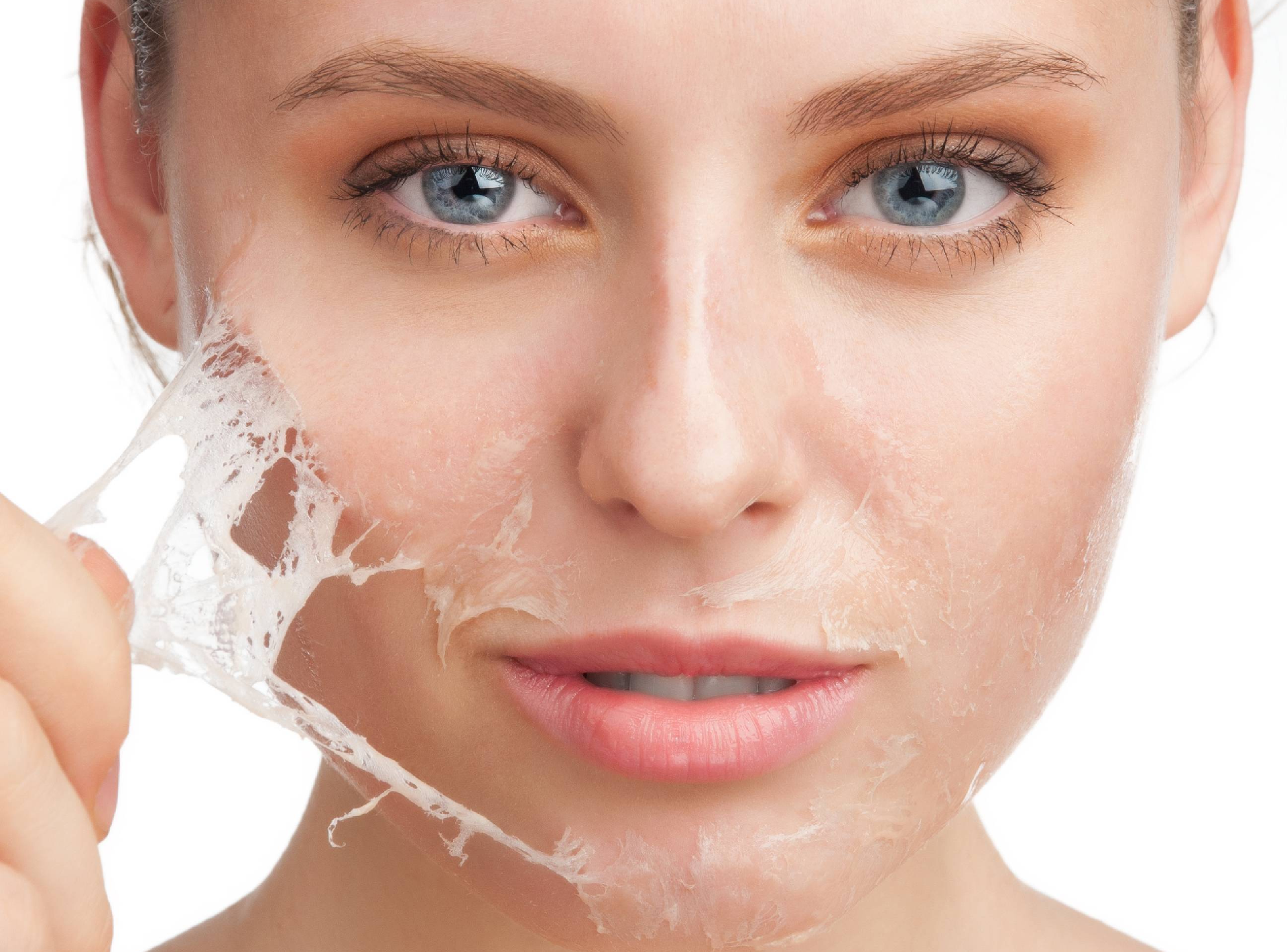
Chemical Peels In Dubai
Chemical Peels in Dubai are a widely favored option for novices aiming to achieve more radiant, refined skin with minimal recovery time. This dermatological treatment employs meticulously chosen acids to exfoliate dead skin cells, diminish pigmentation, unclog pores, and enhance skin texture. Clinics in Dubai provide a spectrum of peel intensities, ranging from superficial to medium, customized to accommodate various skin types and concerns such as acne, fine lines, and dullness. With professional consultation and appropriate aftercare, first-time clients can attain safe and noticeable results while promoting long-term skin health and enhancing overall confidence through regular, supervised sessions.
What Is A Chemical Skin Peel?
Definition And Mechanism Of Action
A chemical peel is a cosmetic procedure that carefully exfoliates the skin’s outer layers using a chemical solution. This procedure reveals smoother, clearer, and more even-toned skin by eliminating dead skin cells and promoting the production of collagen. Depending on the targeted skin concern and the makeup of the solution used, these peels are categorized as superficial, medium, and deep.
Types Of Chemical Skin Peels
Skin peels are categorized based on how deeply they penetrate the skin. Alpha hydroxy acid (AHA) and other mild acids are used in superficial peels to gently exfoliate the skin’s outermost layer. Medium peels usually reach the middle layers of the epidermis and contain trichloroacetic acid (TCA). Phenol is used in deep peels to address more serious issues like deep pigmentation or wrinkles. Based on your skin type and desired appearance, a dermatologist will choose the best kind of peel.
Superficial Chemical Peels
Superficial chemical peels are gentle procedures that remove solely the outermost layer of the skin. They are suitable for novices or individuals aiming for subtle enhancements, such as uneven skin tone, dullness, or mild pigmentation. These peels utilize mild acids such as alpha hydroxy acid (AHA) to promote cell renewal with minimal recovery time. Results develop gradually, and multiple sessions may be advised. They are secure, efficient, and highly effective for preserving healthy, revitalized, and radiant skin.
Medium-Depth Chemical Peels
Medium-depth peels reach the intermediate layers of the epidermis, rendering them effective for addressing moderate acne scars, uneven pigmentation, fine lines, and sun damage. Typically utilizing trichloroacetic acid (TCA), these chemical peels promote collagen synthesis, resulting in visible skin rejuvenation. Recovery may require several days and may be accompanied by temporary redness or peeling. Although downtime is somewhat longer than that associated with superficial peels, medium-depth treatments provide more significant and enduring outcomes, rendering them suitable for individuals with specific skin issues seeking expert supervision.
Deep Chemical Peels
Deep chemical peels penetrate the lower epidermis and upper dermis, effectively treating advanced skin issues such as deep wrinkles, persistent hyperpigmentation, and significant sun damage. Phenol-based solutions are generally employed, necessitating expert oversight to reduce hazards and guarantee safety. Recovery may require one to two weeks, with appropriate aftercare being essential. These peels provide pronounced, enduring results and can markedly improve skin texture and tone, rendering them appropriate for individuals pursuing intensive treatments under professional dermatological supervision.
What Skin Problems Does Chemical Peeling Treat?
Acne And Its Effects
One of the most popular uses for chemical peels is to treat acne and lessen the scars that result from it. This process lessens blemishes and improves the appearance of post-inflammatory spots by cleaning pores, lowering oil production, and promoting skin renewal.
For people who have melasma, chemical peels are a good choice for pigmentation brought on by inflammation, sunspots, or other conditions. Particularly with repeated sessions, they help break down pigment buildup and gradually even out skin tone.
Are You A Suitable Candidate For A Chemical Skin Peel?
Seeing a dermatologist is crucial prior to receiving any kind of peeling treatment. The condition, type, and sensitivity of your skin should be evaluated by a specialist dermatologist. This evaluation will assist you in selecting the best peeling technique for secure and efficient outcomes.
What Can You Expect In Your First Chemical Peel Session?
The Deep skin cleansing precedes the application of the peeling solution, which is left on for a predetermined amount of time based on the type of peel and its intended use. Throughout the process, you might experience a mild tingling or heating sensation. Calming or moisturizing products are applied after the solution has been neutralized or removed. Typically, the session lasts thirty to forty-five minutes.
Post-Peel Care
What To Do And What To Avoid
It’s crucial to adhere to the aftercare guidelines following a peel. Use a broad-spectrum sunscreen every day and stay out of the direct sun. Use mild products to keep your skin hydrated, and refrain from using exfoliants or active ingredients like retinoids for a few days. To avoid leaving scars, let your skin peel or flake off naturally.
When Will The Results Be Available?
The type of peel used impacts the results. You might see results in a few days following a superficial peel. Although medium and deep peels take longer to recover from, the effects are frequently more noticeable and long-lasting. Several sessions may be necessary in some cases to treat issues like deep pigmentation or acne scars.
Is A Chemical Peel Good For All Skin Types?
Superficial peels are generally suitable for all skin types. However, individuals with darker skin tones face a higher risk of skin darkening following treatment. This condition is referred to as post-inflammatory hyperpigmentation. If you possess a naturally darker skin tone, it is advisable to consult your dermatologist regarding alternative, less aggressive treatments to minimize the risk of hyperpigmentation.
Chemical peeling may also be contraindicated if you:
- Possess a history of atypical skin scarring.
- Add additional pigmentation to your scars.
- Possess skin conditions or be on medications that increase skin sensitivity.
- Unable to remain exposed to the sun during the healing period.
BOOK AN APPOINTMENT TODAY
Chemical Peel Benefits
Why are chemical peels regarded as the gold standard in skincare? Below are several of the notable advantages you may anticipate:
- Brightened Complexion: Chemical peels eliminate dull, dead skin cells, unveiling a smoother, more luminous, and revitalized complexion.
- Enhanced Texture: Peels effectively target rough patches, uneven skin, and other texture irregularities.
- Diminished Fine Lines and Wrinkles: Medium and deep peels promote collagen synthesis, improving skin elasticity and minimizing the visible signs of aging.
- Minimized Pores: Chemical peels can effectively reduce the size and prominence of pores, resulting in a smooth and impeccable complexion.
- Treatment for Acne and Scarring: Certain chemical peels can assist in managing acne, unclogging pores, and diminishing the visibility of scars.
- Even Skin Tone: Chemical peels diminish hyperpigmentation, sunspots, and discoloration, resulting in a more uniform complexion.
What Are The Possible Complications Of Chemical Peels?
In some skin types, there exists a potential for a temporary or permanent alteration in skin pigmentation. The use of birth control pills, pregnancy, or a familial history of brownish facial discoloration may elevate the risk of developing abnormal pigmentation.
There is also a minimal risk of scarring in specific regions of the face, and some individuals may have a greater susceptibility. If scarring occurs, it is typically manageable with effective treatment.
There is a chance that the cold sore will reactivate if you have a history of herpes outbreaks. To reduce the chance of a flare-up, your dermatologist can recommend medication. Adhere to the guidance provided by your physician.
Prior to your chemical peel, it is important to inform your dermatologist if you have a history of keloids (excess scar tissue formation at the site of skin injury), any atypical scarring tendencies, or if you have undergone facial X-rays or have a history of cold sores.
Infections are uncommon but remain a potential risk.
Frequently Asked Questions About Skin Exfoliation For Beginners
How Often Should Chemical Peels Be Done?
The type of skin issue and the type of peel determine how often it occurs. Deeper peels necessitate longer times between treatments, whereas superficial peels can be repeated every two to four weeks. The right schedule will be decided by your dermatologist based on your tolerance and skin condition.
Are There Any Side Effects?
Although chemical peels are usually safe, they may have some short-term side effects, such as skin discoloration, redness, peeling, or sensitivity. When the peel is carried out under medical supervision and post-treatment instructions are adhered to, these effects can be reduced.
When Should You Resort To Advanced Medical Peeling?
The distinction between professional and at-home peels: Although they offer a mild exfoliation, at-home peels are ineffective for treating more serious skin issues. Professional peels, which are carried out in clinics under medical supervision, are safer and more effective because a thorough skin assessment tailors the solution and depth of the peel.
MEET THE EXPERT DOCTOR
A Chemical Peel Tailored To You At Perfect Doctors Clinic
Best Aesthetic Clinic in Dubai for Chemical Peels is Perfect Doctors Clinic, where Dr. Perfect Celebrity is customized to your skin type and concerns. Our dermatologists use formulations that have been scientifically proven to produce visible, safe, and long-lasting results, whether you’re looking to treat acne scars, hyperpigmentation, or restore the radiance of your skin. With first-rate medical care, we’re here to help you get closer to having healthy, radiant skin.