





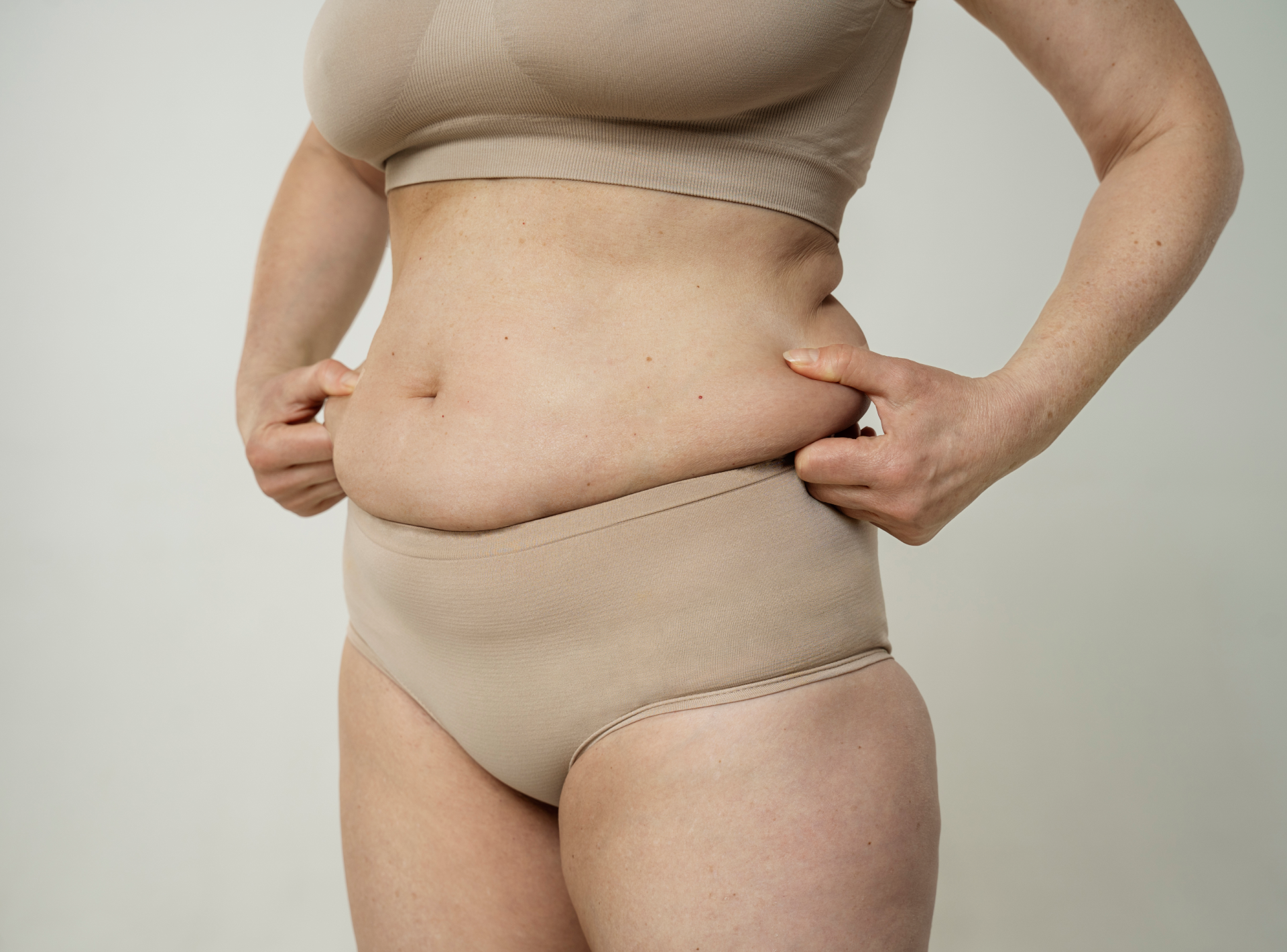
The improvement of surgical and invasive procedures is allowing people to deal with many health and cosmetic issues at once. Considering the surgical procedures related to the abdomen, it can be examined that laparoscopy alone can address multiple health and cosmetic issues simultaneously, necessitating the individual’s engagement in the complexity. Can Laparoscopy Help You Lose Belly Fat in Dubai, Abu Dhabi and Jumeirah? Yes, it can get rid of the extra layers of fat that are hard to get rid of, even if the patient can’t do it on their own with simple things like diet plans and exercise.
Laparoscopy In Dubai
Laparoscopy in Dubai is a minimally invasive surgical approach that is commonly used for diagnostic and medical procedures rather than cosmetic fat removal. Many people wonder, can laparoscopy reduce belly fat? The simple answer is no, laparoscopy is not designed to remove fat or serve as a weight loss or body contouring solution. Instead, it involves small incisions through which a camera and surgical instruments are inserted to examine or treat internal organs. Procedures such as gallbladder removal, hernia repair, or abdominal investigations are typically performed using laparoscopy. While the surgery may involve the abdominal area, it does not target or eliminate subcutaneous fat. For individuals looking to reduce belly fat, treatments like liposuction or lifestyle changes such as diet and exercise are more appropriate options. In Dubai, laparoscopy is valued for its precision, reduced recovery time, and minimal scarring, but it should not be confused with cosmetic fat reduction procedures. It plays an important role in medical treatment rather than aesthetic body shaping.
What Is Laparoscopy?
Laparoscopy surgery is generally seen as a slightly invasive procedure that is good at finding and diagnosing health problems in the abdomen and nearby organs. Additionally, it is employed to collect internal tissues for more thorough analysis and treatment, necessitating only minimal incisions in the organs requiring intervention. The people can treat and look at the current health of the stomach, liver, gallbladder, pancreas, and other organs that are involved in causing obesity and other problems.
How It Is Capable Of Eliminating Belly Fat?
As stated earlier, the minimally invasive procedure can get rid of and remove tissues, so this process is thought to get rid of the fatty tissues inside the body. Researchers also say that getting rid of fatty tissues may or may not help with weight loss, but it can protect the patient from the health risks that come with being overweight.
Aim Of Treatment:
The main goal of treatment is to help people lose weight or get rid of their obesity in some way. People who are either already obese or are likely to become obese soon can aim for the process. People with other health problems that cause them to gain too much fat or weight can also aim for and reach the process.
Who Is An Ideal Candidate To Sign Up For The Process?
Anyone who is experiencing any of the negative effects of being overweight is a good candidate to sign up for the process, regardless of their age or gender. People who can also find the health risk in the abdomen are also considered the best candidates to sign up for the process. But the people need to go through short health, mental, and physical exams to be legally, medically, and officially eligible to start the process.
What To Expect During The Process?
The process is planned and carried out with the patient’s needs and level of pain in mind, but the people going through the invasive session are still expected to go through some of the basic steps.
- After taking the necessary precautions and going through the pre-session, the people can then continue with the process.
- The first step in the process is to give anesthesia.
- Also, a laparoscope is put inside the body through a small cut.
- The inserted device then starts its job by collecting and destroying the tissue while also taking pictures and recording the whole thing.
- In the end, the person is given the job of putting on the band-aids while also closely watching and recording how the procedure affects the patient’s overall health.
Benefits To Look For:
After having Laparoscopic Surgery In Dubai, the former patients were able to enjoy a number of benefits, some of which are listed below.
- Individuals can improve and enhance their overall physical posture by going through the slightly invasive method.
- They can also help with the pain that the patient is already feeling in their back.
- To be exact, people can deal with both the expected and unexpected ways that obesity affects them.
- Even if the patient is only experiencing cosmetic issues, ventral hernias can still be diagnosed and treated.
- Additionally, the individuals can also tighten the saggy and wrinkled skin.
- At the end of the process, the patient can enjoy the improved look of their body while also using treatments on their internal organs.
What Is The Difference Between Laparoscopy And Laparoscopic Surgery?
Laparoscopic surgery is a type of laparoscopy. Your doctor doesn’t look for medical problems; instead, they use a laparoscope and surgical tools to work on your internal organs. People often use these words to mean the same thing.
Many common surgeries are done with laparoscopies by healthcare providers. For more complicated conditions, traditional “open” surgery may be necessary, which requires a bigger cut. But laparoscopic surgery is becoming more popular for everyday procedures because it costs less and leads to better results.
How Should I Prepare For A Laparoscopy Or Laparoscopic Surgery?
Before the procedure or surgery, please follow these steps:
- Don’t eat, drink (even water), or smoke after midnight the night before your surgery or procedure.
- Put on clothes that are loose. You might have some pain and cramping in your stomach.
- On the day of surgery, wear shoes with low heels. You could feel sleepy from the anesthesia and have trouble walking.
- Don’t wear any jewelry. (You can wear your ring.)
- Take off any nail polish before the procedure.
- Make sure someone can take you home after the surgery.
What Happens During A Laparoscopy Or Laparoscopic Surgery?
You will lie on the operating table with your head lower than your feet and a little bit tilted. Your anesthesiologist will give you general anesthesia to relax your muscles and keep you from feeling pain during the surgery.
After that, your surgeon will make a small cut near your belly button or under your ribs. They’ll put a gas tube into this cut to fill your stomach with gas. When you pump gas into the area, it makes it easier to see your organs on the monitor.
Your surgeon puts the laparoscope in after taking out the gas tube. They might use cuts nearby to put in surgical tools to get tissue samples or do surgery.
Your surgeon will let the gas out of your body and close your incisions after the surgery is over.
A diagnostic laparoscopy usually lasts between half an hour and an hour. Laparoscopic surgery can last anywhere from one to three hours, depending on how serious your condition is. If the surgeon can’t safely finish the operation laparoscopically, they might have to switch to a regular open procedure with a bigger cut.
What Happens Right After The Procedure?
After surgery, you will usually stay in a recovery room for about an hour while doctors and nurses check your vital signs until you wake up.
Will I Be In Pain When I Wake Up?
After surgery, you might feel pain from small amounts of gas that are still in your body, as well as pain from the surgery itself or around your incisions. Shoulder pain is also common. Your doctor will give you pain medicine to help you feel better.
BOOK AN APPOINTMENT TODAY
What Should I Do When I Get Home?
You should rest for at least a day or two after laparoscopic surgery. You should do these things:
You might not be able to poop normally for a few days.
- For at least a day after surgery, don’t drink alcohol.
- Make sure the cuts are clean and dry.
- Do what your doctor tells you to do when it comes to bathing.
- You can take off the bandage the day after surgery. You can take off Steri-Strips™, which look like tape, two to three days after surgery.
- If you have glue on your cuts, don’t try to remove it until it falls off. After a shower, pat yourself dry.
- If your pee is green, don’t worry. Your surgeon may have used blue dye to see if your fallopian tubes are open.
- You might not be able to poop normally for a few days.
MEET THE EXPERT DOCTOR
Best Plastic Surgeon In Dubai For Laparoscopy
Best Plastic Surgeon In Dubai for Laparoscopy is a common search, but it is important to clarify that laparoscopy is typically performed by general surgeons or specialized laparoscopic surgeons rather than plastic surgeons. Choosing an experienced and qualified laparoscopic surgeon in Dubai ensures safe and effective treatment for internal abdominal conditions. These specialists are trained to use minimally invasive techniques that reduce pain, minimize scarring, and promote faster recovery. They assess the patient’s medical condition and recommend laparoscopy when necessary for diagnostic or therapeutic purposes. While plastic surgeons focus on aesthetic procedures, laparoscopic surgeons handle internal surgical interventions. Understanding this distinction helps patients make informed decisions and choose the right medical professional for their needs. With advanced technology and skilled expertise available in Dubai, laparoscopy is a safe and reliable option for treating various abdominal conditions, offering precision and quicker healing compared to traditional open surgery.
Book A Free Consultation:
Do you still want to know how laparoscopy can help you lose belly fat in Dubai, Abu Dhabi and Jumeirah? Then get in touch and get a personalized response, or share your thoughts and experiences at the Perfect Doctors Clinic. Our free consultation (if available during Discount seasons) allows you to discuss your goals directly with expert surgeons and discover the safest, most effective treatment options for your body.