





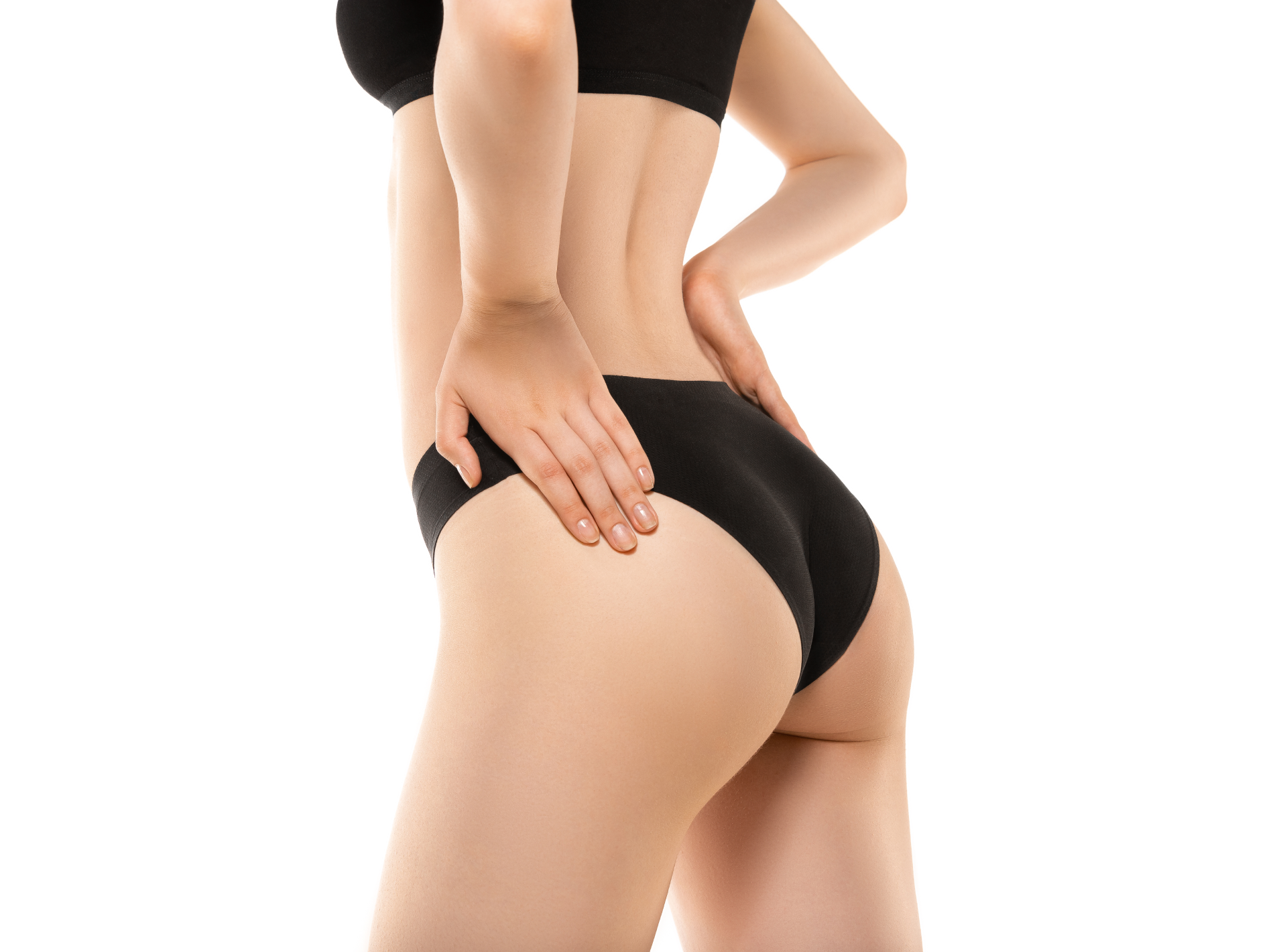
BBL surgery recovery time after BBL surgery, recovery usually takes approximately 8 weeks for the body to adjust and for the final results to start to become visible. It is common to experience swelling, bruising and discomfort during the first week and patients should avoid sitting directly on their buttocks. Week 2-4: Mobility improves and swelling begins to decrease. Compression garments still important. Most patients will return to their normal daily routines by weeks 5-7, with improved comfort. The fat transferred will start to stabilize. Most of the healing is done by 8 weeks and results become more defined. Proper hydration, aftercare and following your surgeon’s instructions are key to optimal results and long lasting effects.
Buttock Fat Transfer In Dubai
Buttock Fat Transfer in Dubai takes 8 weeks to recover, with a gradual reduction in swelling and bruising as the transferred fat stabilizes. It is initially avoided for sitting, and patients are able to resume light activity within weeks. Healing will continue over time with proper aftercare, resulting in more defined, natural-looking results.
Fat Transfer In Dubai
Fat Transfer in Dubai is a popular cosmetic procedure that uses your own fat to enhance areas such as the face, breasts, and buttocks. It provides natural-looking results, increased volume, and low risk, with gradual healing and long-term results when proper aftercare is followed.
BBL In Dubai
BBL in Dubai is a popular cosmetic procedure that enhances body contours by transferring fat to the buttocks. When performed by skilled surgeons, it results in a fuller, more natural-looking shape. Patients who receive proper aftercare and recovery experience long-term, balanced results as well as increased body confidence and overall appearance.
Key Takeaways
Plan Adequate Rest: Make sure your body has a chance to recover properly by scheduling at least three weeks for the initial healing process after buttock fat transfer plastic surgery.
- Follow Post-Op Instructions: Follow your surgeon’s post-operative instructions carefully, particularly for the first day and the first three weeks, to reduce complications during your recovery time after a cosmetic procedure or plastic surgery and to help the healing process.
- Manage Expectations: Full results of the cosmetic procedure may take up to eight weeks to become visible. Some swelling and bruising of the skin is normal during this recovery time and healing process.
- Healthy Lifestyle: Your plastic surgeon may recommend a healthy diet and no smoking to support healing, reduce risks and improve long-term results. A balanced diet will help your skin and incisions heal better.
- Emotional Support: Expect highs and lows in your emotional state during the healing process and reach out to friends, family or a plastic surgeon for support if needed.
- Monitor Progress: It is important to have regular follow-ups with your surgeon after a butt lift to monitor your recovery and ensure the best possible outcome.
Understanding BBL
Brazilian Butt Lift
A Brazilian Butt Lift (BBL) is a type of cosmetic surgery. This includes a plastic surgeon transferring fat from different areas of the body into the buttocks of the person. In a butt lift, doctors usually remove fat from a person’s skin in areas like the abdomen, thighs or lower back. They then take this fat, purify it and then a plastic surgeon injects it into the person’s buttocks.
Goal Of BBL
The main objective of a BBL is to give the individual a more ample, rounder buttock contour. This procedure will improve the natural shape and size of a person’s buttock. Many people use this method including a butt lift to find a better proportioned figure.
Popularity Of BBL
In recent years, the BBL has grown in popularity. The American Society of Plastic Surgeons reported the butt lift was one of the fastest growing procedures in 2020. There are several reasons why many choose BBL over other methods:
- Natural Results: A butt lift using your own fat offers a natural look and feel.
- Dual Benefit: Liposuction benefits donor sites.
- Lower Risk: There is less risk with this than with implants because there are no foreign objects used in a butt lift.
These reasons make it a more preferred option for those who want to improve their body, like a butt lift.
Comparing Lift Procedures
BBL Vs. Implants
BBL and traditional buttock implants differ in recovery time, risks, and feel. BBL uses the patient’s own fat. This makes it safer with less risk of rejection in the buttock lift. BBL recovery time is typically 3-4 weeks. Sometimes patients are less uncomfortable.
Traditional buttock implants are made of synthetic material. Recovery from a butt lift can be longer, up to seven weeks or more. Butt lifts also have a higher risk of complications, such as infection or implant displacement. Implants may not feel as natural as a fat transfer for a butt lift.
Risk Comparison
Risks are lower with a BBL than with butt lift surgery with implants. Butt lift from your own fat has less chance of allergic reactions or rejection. Complications such as fat embolism may occur but are not common.
Butt lift surgery with implants has more risks. These include infection, rupture of the implant and capsular contracture (hardening of the tissue around the implant) but also butt lift. Patients should be closely watched for any signs of complications.
Natural Feel
The main difference between a BBL and a traditional butt lift is the natural feel. BBL uses your body’s own fat cells for the butt lift, so it results in a more natural look and feel. The transferred fat integrates well with the existing tissues.
Implants may not give the same natural result. Sometimes you can feel them under the skin, particularly if you have less soft tissue covering your butt. This makes BBL a very popular option for those looking for a more natural bum.
Post-Operative Care
A BBL’s post-operative care is different than the care for other butt lift procedures. After BBL, patients should avoid sitting directly on their buttocks for a minimum of three weeks, allowing the fat cells to properly heal after their transfer.
Patients need to follow stricter guidelines for butt lift surgery with implants:
- Take several weeks off.
- Wear compression garments to help reduce swelling.
- See your doctor regularly to ensure you are healing well.
Both procedures require careful monitoring and post-op instructions for best results.
Fat Removal Areas
Common Areas
Plastic surgeons remove unwanted fat from certain areas. These include the tummy, hips, lower back and thighs. Each area has pros and cons for fat transfer procedures.
The abdomen is a popular choice. It usually has a generous surplus of fat. This makes it easier to harvest enough fat cells for butt transfer.
The hips are another popular site. Getting rid of fat from the hips can help to define the waist line.
Your lower back is also a good source. Fat removal here can improve the shape of the buttocks.
Finally, the thighs are another option. Thighs are also notorious for holding on to stubborn fat that’s tough to lose with diet and exercise.
Enhancing Body Contour
Where the fat is taken away from is important, and not just with the buttocks. The overall body shape is also improved.
For instance, fat removed from the abdomen can flatten the stomach. This creates a smoother outline.
Removing fat from the hips can give the waist definition. This forms the desired hourglass shape.
Fat removal from the lower back enhances the curve over the buttocks. This helps to give it a more rounded look there.
Thigh fat removal makes the legs thinner. which makes them look longer and leaner.
Dual Benefits
Liposuction and fat transfer for the double benefits of body sculpting. Liposuction removes unwanted fat from parts of the body. The fat is purified and then injected into the buttocks.
The process sculpts the donor site and recipient site. For example:
- Liposuction of the abdomen can flatten your belly.
- Liposuction of the hips results in a smaller waist.
- Liposuction of the lower back will accentuate your curves.
- Thigh liposuction makes your legs slimmer.
These changes will improve the silhouette of your whole body.
Compression Garments
Patients wear compression garments after surgery. These help to heal and maintain the new contours.
Compression garments help skin to contract around the treated areas and reduce swelling. They provide for smooth results following liposuction and fat transfer procedures such as buttock augmentation or Brazilian Butt Lift (BBL).
Initial 24 Hours
Immediate Post-Op Care
The first day after a buttock fat transfer are critical. Patients need assistance now. Someone should be on hand to watch for complications like too much bleeding or infection. Because of the anesthesia, the patient may become drowsy.
Drink lots of water. The more water you drink the faster your body heals. Also, following the surgeon’s advice on medication is very important. Medications may be given to control pain and swelling.
Monitoring For Complications
Check for any signs of complications. Look out for warning signs such as severe pain, fever, or excessive swelling. They can be a sign of infection or other problems. If you have any of the following symptoms, call your surgeon right away.
Patients should avoid strenuous activities during this period. Rest is vital for recovery.
Hydration Importance
Hydration is good for healing. Water helps flush toxins from the body and also reduces swelling. It also helps the skin to remain healthy and elastic for recovery.
Patients should drink at least 9 glasses of water a day. That is the amount needed to keep proper hydration levels.
Medication Management
Following the surgeon’s prescribed course of medication is important. Antibiotics may help prevent infection and pain killers may help with pain. Patients should take these medicines exactly as prescribed.
Missing doses can increase pain or risk of infection.
Positioning Guidelines
Positioning is key in the early recovery phase. Do not sit directly on the buttocks to avoid pressure on the newly transferred fat cells.
Patients are advised to rest or sleep lying on their stomach or side. If you are required to sit, special pillows can help to prevent pressure on the buttocks.
Rest And Recovery
Rest is vital during the initial day of recovery. It takes time for the body to heal from surgery and adjust to changes.
Avoid any physical activity that might put pressure on the surgical areas or push the fat cells out of place.
By following these guidelines you will help to ensure a smooth recovery process for patients in the first day after surgery:
- Stay hydrated: Drink lots of water.
- Take medications: Follow the prescription faithfully
- Monitor health: Watch for complications
- Position correctly: Don’t push buttocks.
- Rest well: Allow your body to rest and recover.
First 2 Weeks
Symptoms
Expect moderate pain, bruising and swelling for the first 2 weeks. Pain is often worst during the first few days. There may be big bruises, but they will fade slowly. Inflammation is common and may last up to one month.
Sitting Restrictions
Do not sit on your buttocks for a minimum of three weeks. Use a BBL pillow only when it’s necessary. This helps to safeguard the transferred fat cells.
Return To Work
Most people can return to work in a week. Although that depends on the kind of job. Sitting restrictions may require more precautions for desk jobs.
Normal Activities
Gradually start resuming normal activities during this period. Light walking is encouraged to promote circulation. Avoid strenuous activity or exercise that strains the buttocks.
Weeks 3 To 9
Compression Garments
Continue wearing compression garments for weeks 3 to 9. These garments reduce swelling and support the new shape. They should be snug but not too tight. For best results, it’s important to wear them as your surgeon instructed.
Avoiding Pressure
During this time do not sit directly on your buttocks. When you need to sit, use a BBL pillow. This pillow helps to transfer the weight away from the buttocks to protect the transferred fat cells. Applying direct pressure may adversely affect the fat transfer and the overall recovery.
Light Exercises
You can start with light exercises at around week 5. Walking is recommended as this will increase the blood flow and healing. Avoid strenuous activities that put pressure on the buttocks. Check with your surgeon before starting any exercise program.
Healing Milestones
By week 7 most of the swelling should be gone. You may see some changes in size and shape as your body adjusts to the fat transfer. It is important to monitor these changes and to inform your surgeon promptly of any concerns.
Follow-Up Visits
Schedule follow-up visits with your surgeon during this period. During these visits, your surgeon will monitor the healing process and identify any problems early on. Regular check-ups are important for a smooth recovery process.
Signs Of Progress
Look for signs of healing such as reduced bruising, less pain, and better mobility. These are signs that your body is adjusting well to the procedure. Call your health care provider right away if you have any unusual symptoms.
BOOK AN APPOINTMENT TODAY
Speeding Up Healing
Healthy Diet
Eating well is crucial. A good diet helps the body to recover faster. Load up on fruits, vegetables, and lean proteins. Vitamins and minerals help repair tissue. Staying hydrated is just as important. Drink lots of water every day.
Avoid Smoking
Smoking retards healing. It limits the blood flow to the tissues. This can be a problem in recovery. Do not smoke before and after surgery for better results.
Gentle Walks
Easy walks improve blood circulation. They help to reduce swelling and prevent blood clots. Begin with short walks around the house. As you get comfortable, increase the distance gradually.
Approved Exercises
Surgeons often prescribe certain exercises. The exercises are designed to assist recovery, not hinder it. Make sure to follow your surgeon’s instructions closely.
Post-Operative Care Instructions
Post-operative care instructions are essential for optimal healing. After surgery, surgeons give detailed guidelines to follow:
- Leave the cuts clean and dry.
- Do not sit directly on your buttocks for at least 3 weeks.
- Wear compression garments as directed.
- Take prescribed pain medication as needed.
- Report any unusual symptoms immediately to your surgeon.
Emotional Recovery
Ups And Downs
The recovery process following a buttock fat transfer is an emotional roller coaster. The recovery phase can be difficult. Patients also frequently experience pain and discomfort. Now you may feel anxious or impatient.
Visible body changes also come with mixed feelings. The final results may be masked by swelling at first. Patience is important, as healing takes time.
Support System
Having a good support system in recovery is important. Family and friends can be a source of emotional support. They can assist with everyday chores, and provide you more time to relax.
Another great resource is support groups. It can be comforting to share your experiences with others who have had similar procedures. This shared understanding helps you navigate the recovery process.
Body Image Adjustment
It can take time to get used to a new body image. As swelling goes down, the final outcome will be clearer. That period of transition can be emotionally exhausting.
It’s important to have realistic expectations about your new look. Talking to your doctor about what to expect can help take away some of the worry.
Pain Management
Pain management is important for emotional well-being during recovery. Follow your doctor’s instructions for pain relief closely.
Well controlled pain will help to improve overall health and emotional stability during recovery.
Returning To Activities
It is important for your physical and emotional recovery that you return to normal activities gradually. Resume exercise only when your doctor says it’s OK
Returning to work too soon may interfere with healing. Give yourself enough time off to make a smooth recovery.
Long-Term Care And Results
Stable Weight
Maintaining a stable weight is important to maintaining the results of a buttocks fat transfer. After the surgery many patients will notice a change in their appearance if they gain or lose a lot of weight. The fat that is transferred can be affected by changes that cause unevenness or loss of volume. Thus, it is crucial to maintain a healthy diet and regular exercise routine.
Follow-up Care
Long-term follow-up with your surgeon is important. Regular check-ups help monitor the outcomes and address any concerns that may arise. After the initial recovery period, surgeons generally recommend seeing patients at least once a year. It enables to detect any possible complications at an early stage.
Settling Period
The final results can take between 7 months and a year to fully settle. During this period, patients may notice slow changes as the body adapts to the new fat placement. A small amount of the transferred fat will die; this is normal and may slightly alter the initial appearance. Patience is required at this point.
Healthy Lifestyle
Maintaining a healthy lifestyle is essential to maintaining buttock fat transfer results. Eating healthy foods and staying active contributes to overall well-being and helps to maintain the new shape. Avoiding smoking and excessive alcohol consumption also has a positive impact on long-term outcomes.
Addressing Questions
Patients frequently have questions about long-term care and outcome. It is important to consult with a board-certified surgeon who can provide accurate information and guidance based on individual needs. They can help in managing expectations and providing solutions to any issues that may arise over time.
Buttock Fat Transfer Recovery Dos and Don’ts
- Wear compression garments as advised.
- Sleep on your stomach or side.
- Stay hydrated and eat healthily.
- Do not sit directly on the buttocks early.
- Do not smoke or consume alcohol.
- Avoid strenuous activity and pressure.
- Follow the surgeon’s instructions carefully.
Frequently Asked Questions
What Is The Initial Recovery Time For A Buttock Fat Transfer?
The first one you usually recover from in about first day. Rest and avoid movement as much as possible during this time to allow for proper healing.
How Long Should I Avoid Sitting After A BBL?
Do not sit directly on your buttocks for at least 3 weeks after surgery. Lie on your side or use a special pillow to reduce pressure.
When Can I Return To Work After A Buttock Fat Transfer?
Most patients can return to work in 2 to 3 weeks. But it depends on what your work is, and how your body recovers.
How Can I Speed Up My Healing Process After A BBL?
Follow your surgeon’s instructions carefully for post-operative care. Eat healthy, drink plenty of water, and don’t smoke or drink alcohol.
What Emotional Changes Might I Experience During Recovery?
Normal to have emotional highs and lows during recovery. Counseling or support from friends and family can help you to deal with these feelings.
What Areas Of The Body Are Commonly Used For Fat Removal In BBL?
The most common sites are the abdomen, thighs, and flanks. There is typically enough excess fat in these areas to transfer.
How Long Do The Results Of A Buttock Fat Transfer Last?
If cared for properly, the results can last a long time. Long-term success will only be achieved by maintaining a stable weight and following post-op guidelines.
MEET THE EXPERT DOCTOR
Best Plastic Surgeon In Dubai For Buttock Fat Transfer
Best Plastic Surgeon in Dubai for buttock fat transfer is available at the Perfect Doctors Clinic, where Dr. Perfect Celebrity provides safe, personalized care. Recovery lasts eight weeks and includes gradual healing, reduced swelling, and natural, long-lasting contour results.
Final Remarks
Your path to buttock fat transfer recovery is an essential part of achieving your desired results. The first day and then the long term care require patience and attention at each stage. Knowing what to expect and how to care for yourself can help ensure a smooth recovery and best possible results.
You are in control of your healing process. Listen to your body. Follow the guidelines. Ask for help when you need it. Your hard work now will benefit you in the long run. If you have any questions or need more information, speak with your health care provider. Are you ready to change how you heal? Explore our resources more and make the best choices for a better you.