





Having migraines can be tiring, both physically and mentally. For a long time, the only way to stop and cure migraine attacks was with traditional medicines. Recent medical advances, on the other hand, have led to the development of new treatments, including Botox injections, that have shown promise for people who suffer from chronic migraines. Knowing how Botox is different from other migraine treatments will help you make an informed choice about your care and how to manage your migraines in the long term.
Botox For Migraine Treatment In Dubai
Botox For Migraine Treatment in Dubai is an effective, non-surgical medical treatment designed to reduce the frequency and intensity of chronic migraines. This procedure works by blocking nerve signals that trigger migraine pain, helping relax targeted muscles around the head, neck, and shoulders. Dubai clinics follow internationally approved protocols, carefully identifying injection points to ensure safe and consistent results. The treatment is quick, requires no downtime, and is suitable for patients who experience frequent migraines and have not responded well to conventional medications.
Botox In Dubai
Botox in Dubai is a popular non-surgical cosmetic treatment used to reduce fine lines, wrinkles, and signs of aging with natural-looking results. This injectable treatment works by relaxing targeted facial muscles, helping smooth areas such as the forehead, frown lines, crow’s feet, and chin. Botox is also used for jaw slimming, excessive sweating, and facial rejuvenation. The procedure is quick, safe, and requires minimal downtime, making it ideal for a refreshed and youthful appearance. Results typically appear within a few days and last several months. Treatments are customized to individual facial anatomy for balanced, subtle enhancement.
Understanding Traditional Migraine Medications
There are two main types of traditional migraine treatments: acute medicines and preventive meds. Acute medicines are used to help with symptoms once a migraine develops. These are pain treatments that you may get without a prescription, triptans, ergotamines, and pharmaceuticals that help with nausea. Preventive drugs, on the other hand, try to make migraine attacks happen less often and less strongly. These could include beta blockers, antidepressants, anti-seizure drugs, or calcium channel blockers.
These drugs can work, but they aren’t always the best choice for everyone. Some people have adverse effects like tiredness, dizziness, or stomach problems. Some people may find that the pills stop working after a while or don’t give them long-term relief. Botox has become a useful option for people who have chronic migraines and get headaches 16 or more days a month.
What Is Botox For Migraines?
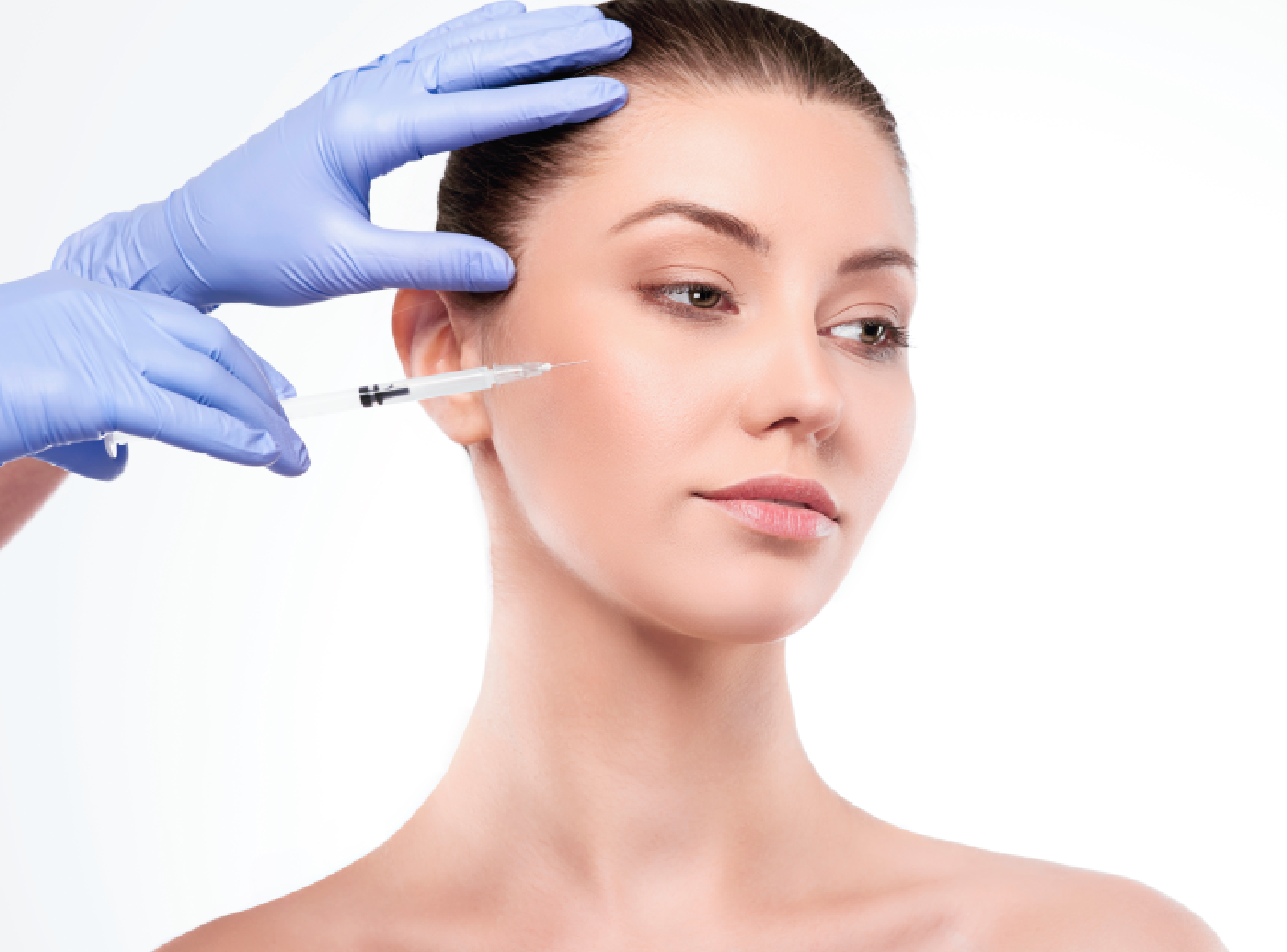
Botox is a refined version of botulinum toxin that acts by temporarily stopping the production of chemicals that cause pain and relaxing the muscles around the head and neck. The FDA approved Botox as a way to stop chronic migraines in 2012. It is given through little injections in certain places where migraine discomfort usually happens, like the forehead, temples, and upper neck.
Botox doesn’t help with migraines that have already started; it only helps keep them from starting. Patients usually have treatments every 3 months, and the results usually get better after a few sessions. The therapy doesn’t hurt much, doesn’t take long, and doesn’t need much recovery time.
How Botox Differs From Traditional Medications
One of the main differences between Botox and other migraine treatments is how they work to fix the condition. Most traditional drugs work by changing brain chemistry to stop attacks or by lowering pain once a migraine starts. Botox, on the other hand, works at the nerve endings to stop pain signals from getting through before the migraine can fully develop.
People with migraines often have to take tablets every day or as needed, depending on the type of migraine and the treatment plan. On the other hand, Botox is given in the office every few months, which makes it easier for many individuals. This plan cuts down on the requirement for daily medicine and lowers the chance of overuse or addiction.
The side effect profiles are another difference. Oral migraine treatments can have impacts on the whole body, like making you tired, changing your mood, or making your stomach hurt. Botox acts locally when injected correctly and has less negative effects across the body. Some people have slight redness or pain at the injection sites, although these side effects are usually short-lived and not very serious.
BOOK AN APPOINTMENT TODAY
Effectiveness And Long-Term Benefits
Botox helps a lot of people with migraines by making them less frequent and less severe. Clinical investigations demonstrate that patients administered Botox encounter a reduced frequency of headache days per month in contrast to those solely utilizing conventional drugs. Consistent Botox treatments over time can help retrain nerve pathways and make the body less sensitive to things that cause migraines.
However, it’s crucial to remember that not everyone reacts the same way to Botox. Some people may notice a big difference after the first or second session, while others may need to go through several cycles to get the best results. A doctor who specializes in treating migraines can help you figure out if Botox is right for you depending on your specific symptoms and medical history.
Who Is A Good Candidate For Botox?
Adults with chronic migraines, which means they have headaches 16 or more days a month and at least eight of those days show migraine symptoms, are the only ones who can have Botox. People who only have migraines once in a while or less often don’t usually use it. Botox may be a good option for people who have tried standard preventive drugs without success or who have side effects that are too bad to handle.
During your appointment, your doctor will talk to you about your migraines, go over the medications you use, and make a treatment plan just for you. It’s vital to keep working closely with your doctor to keep an eye on your development and make changes to your therapy as needed.
What Are Botox Migraine Injection Sites?
People usually get Botox shots for migraines in certain places on their head and neck. These places are:
- Forehead: Five injection sites are usually utilized in a line across the forehead.
- Temples: There are usually two injection sites on each side of the head, just above the eyebrows.
- Bridge of the nose: The bridge of the nose is usually the spot for one injection. It is located between the eyebrows.
- Back of the head: Four injection sites are usually used in the back of the head, where the skull meets the neck.
- Neck: Depending on the person’s symptoms, two to four injection sites may be utilized on each side of the neck.
The exact injection sites and quantity of injections administered may change based on how the person is feeling and how well the treatment works. Your doctor will decide the best places to give you injections and how much you need based on your specific needs. It is crucial to get Botox injections from a skilled healthcare professional who has done this treatment for migraines before.
Botox For Migraines Aftercare
It is vital to follow basic aftercare advice after getting Botox injections for migraines to get the best results and lower the risk of adverse effects. Here are some general guidelines for aftercare:
- Don’t rub or touch the injection sites for at least a day following the treatment.
- After treatment, don’t do any hard physical activity or exercise for the rest of the day.
- For at least four hours following treatment, don’t lie down or lean forward.
- Do not take any anti-inflammatory drugs, including aspirin or ibuprofen, for a day following treatment. These drugs can make bruising more likely.
- If you feel any pain or swelling at the injection sites, put an ice pack on them.
- For at least two weeks after treatment, don’t plan any further facial procedures, such chemical peels or laser therapy.
- As planned, follow up with your doctor to see how well the treatment worked and talk about any worries or issues you may have.
Keep in mind that the aftercare instructions you get may be different depending on your treatment plan and what your doctor tells you to do. If you have any questions about aftercare, make sure to ask your doctor. Follow their directions carefully to have the greatest outcomes.
MEET THE EXPERT DOCTOR
Best Aesthetic Clinic In Dubai For Botox For Migraine Treatment
Best Aesthetic Clinic in Dubai for Botox For Migraine Treatment provides medically supervised care delivered by experienced specialists trained in therapeutic Botox injections. Clinics begin with a detailed medical assessment to evaluate migraine history, trigger patterns, and suitability for treatment. Injections are precisely administered following established clinical guidelines to maximize relief and minimize side effects. Patients receive clear post-treatment instructions, scheduled follow-ups to track improvement, and personalized treatment plans to maintain long-term migraine control safely and effectively.
Schedule Your Consultation
Botox may be the answer if you’re sick of taking medicine every day and want a longer-lasting cure. At Perfect Doctors Clinic, we help people feel better by giving them specialized attention and cutting-edge treatment alternatives. Our skilled staff offers effective Botox for Migraines in Dubai, which is meant to lower the number of migraines you have and make your life better. Call us today to set up your consultation and start the process of getting long-term relief.