




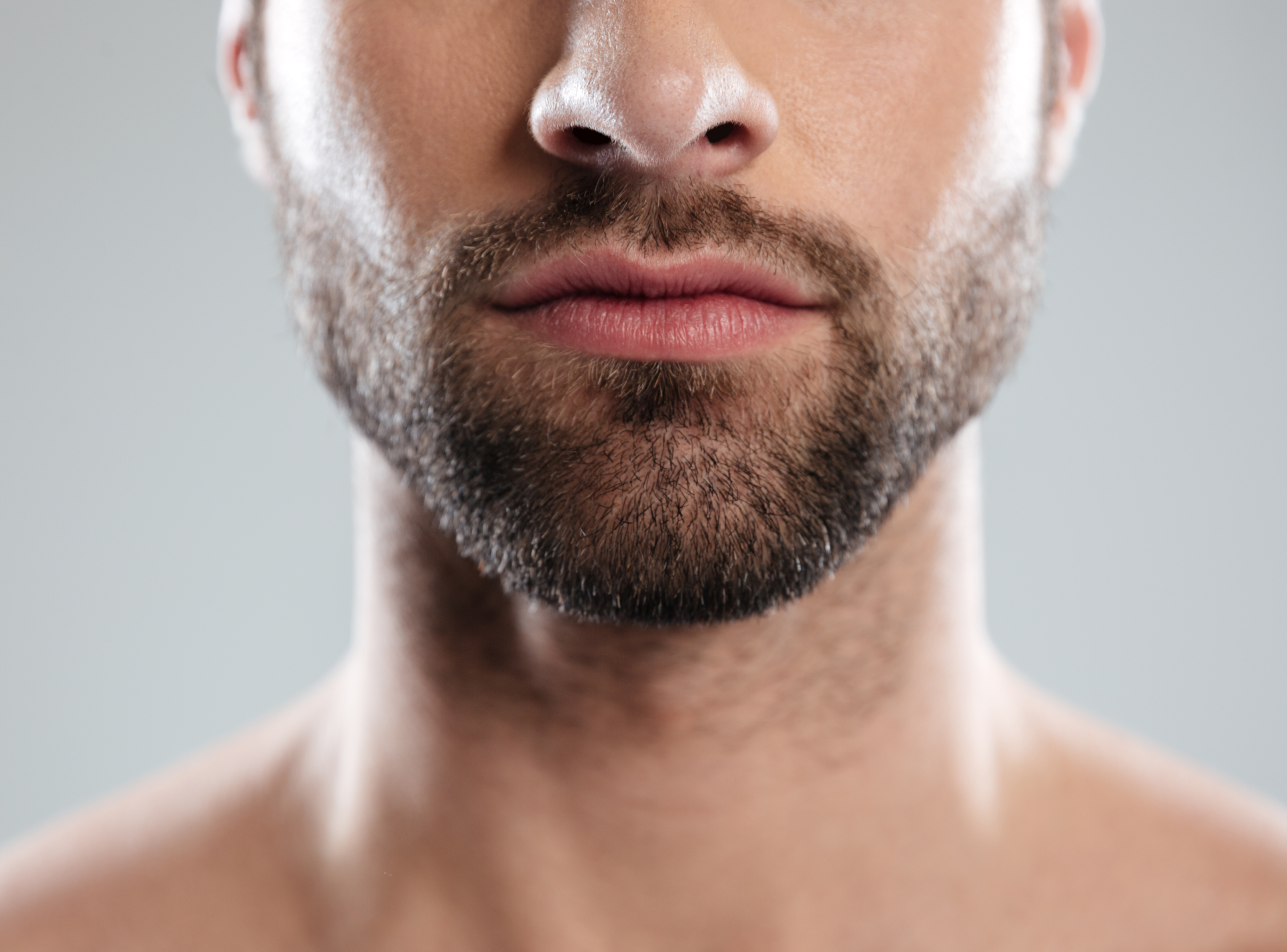
Are you considering getting a beard transplant to get that full, sculpted appearance? Like any surgery, there may be some side effects, and it’s a major decision. But don’t worry, there are some bright spots! The majority of side effects are controllable and transient. Let’s examine what to anticipate following your beard transplant experience. Swelling, redness, and mild itching are possible side effects of beard transplants; these usually go away in a few days.
Beard Transplant In Dubai
Beard Transplant in Dubai is for men looking for facial hair that is thicker, fuller, and more defined. By transplanting healthy hair follicles—typically from the scalp—into facial regions where beard growth is thin, uneven, or patchy, the procedure aims to improve or restore beard growth. The goal of contemporary beard transplant methods is to achieve long-lasting results with minimal scarring while producing density and facial harmony that look natural. Patients should be aware of the potential side effects and recovery expectations following their facial hair upgrade, even though the procedure is generally regarded as safe when carried out by qualified specialists. Redness, swelling, tenderness, and tiny scabs surrounding the transplanted follicles during the early healing phase are the most typical side effects following a beard transplant. As the skin heals, both the donor and recipient areas may experience mild itching and transient tightness. Before new, permanent growth starts, some patients may temporarily lose the transplanted hairs during the first few weeks. This is a typical stage of the hair growth cycle. With appropriate aftercare and expert advice, these side effects are typically transient and gradually get better. Serious complications are rare, but if the procedure is not done carefully or if the aftercare instructions are disregarded, there is a risk of infection, prolonged swelling, uneven hair growth, ingrown hairs, or visible scarring. Maintaining good hygiene, selecting a skilled surgeon, and adhering to all post-treatment instructions are crucial for promoting seamless healing and the best possible beard growth outcomes.
The Shedding Phase (It’s Not Hair Loss!)
Although it may seem paradoxical, temporary hair loss is a typical aspect of the healing process. Before the transplanted follicles begin to grow new hair, they go through a resting phase. Therefore, if you notice that some of those new beard hairs are falling out a few weeks after surgery, don’t panic. This is simply your body preparing for the long-term beard of your dreams.
Swelling and Redness
Swelling and redness around the transplanted areas, particularly on your face, are common. This is due to the fact that the procedure requires making small incisions. The good news is that ice packs can help reduce inflammation, and this puffiness usually goes away in a few days.
Don’t Itch That Scratch!
As the transplanted area heals, some itching is normal. But fight the impulse to scratch! The sensitive follicles may become irritated and possibly dislodge as a result of scratching. To treat the itch, your doctor will probably suggest medications or calming lotions.
Scarring
Any surgery has the potential to leave scars, and beard transplants are no different. The method employed determines the kind of scarring. A common procedure called Follicular Unit Extraction (FUE) results in small, dot-like scars in the donor area, which is typically the back of the scalp. Particularly with shorter hairstyles, these are frequently hardly noticeable. Although it is less common for beard transplants, Follicular Unit Transplantation (FUT) leaves a linear scar on the back of the scalp.
Infection: Prevention Is Key
There is a small chance of infection, just like with any surgery. This risk can be significantly decreased by carefully adhering to your doctor’s post-operative instructions, such as keeping the transplanted area clean and refraining from touching it with unwashed hands.
Unnatural Growth: Finding the Right Surgeon
Unnatural patterns of beard growth are one possible side effect. For this reason, selecting a skilled and knowledgeable surgeon is essential. In order to create a beard that complements your facial features and looks full, a skilled surgeon will take into account the direction of your natural hair growth when designing the transplant.
Beyond The Side Effects
Even though these are some of the most typical adverse effects, it’s crucial to keep in mind that everyone heals in a unique way. During the consultation process, make sure to share any worries you may have with your physician. They can provide you with a customized evaluation of your possible risks and advice on how to mitigate them.
BOOK AN APPOINTMENT TODAY
Thinking About Getting A Beard Transplant?
Consult a skilled surgeon with expertise in facial hair transplants. They can talk about your specific situation and address any queries you may have regarding the process and possible adverse effects. You can decide if a beard transplant is the right choice for you by being aware of what to anticipate.
To stop your hair loss, get in contact with our top hair doctors. One of the top hair transplant facilities in Dubai, Perfect Doctors Clinic currently has locations in Dubai, UAE. Visit the branch closest to you or give us a call.
Advantages Of Beard Transplant You Should Know
For those looking for more even, thicker, and fuller facial hair growth, beard transplantation offers a number of significant benefits. The ability to use natural hair follicles to fill in patchy beard areas and give the face a more defined appearance is one of the main advantages. The goal of contemporary beard transplant techniques is to minimize visible scarring while producing long-lasting, natural-looking results. While recovery may cause transient side effects like redness, swelling, scabbing, or mild tenderness, these side effects are usually controllable with the right aftercare and expert supervision.
Customizing beard density and shape to fit the patient’s aesthetic preferences and facial structure is another significant benefit. The process enables professionals to create a beard pattern that preserves a natural appearance while improving facial balance and masculinity. Improving graft survival and lessening recovery discomfort are two more goals of advanced transplant techniques. Beard transplant procedures offer dependable and long-lasting facial hair enhancement with skilled surgical care and appropriate healing support.
Why Beard Transplant Is The Best Solution
Because beard transplants use the patient’s own hair follicles to produce permanent, natural hair growth, they are regarded as one of the best treatments for patchy or thin facial hair. Beard transplantation directly restores hair density in areas with limited growth, in contrast to transient cosmetic solutions like makeup products or topical treatments. Because of the procedure’s great degree of customization, experts can create balanced facial hair patterns and natural beard contours that complement each person’s appearance.
Long-lasting outcomes and cutting-edge methods that lessen visible scarring and enhance healing comfort are further factors that make beard transplants unique. While transplanted hairs may shed, swell, or itch during the healing process, these side effects are a normal part of the healing and growth process. Patients can attain fuller, healthier, and more natural-looking beard growth that keeps getting better over time with the right aftercare and expert advice.
How Beard Transplant Restores Confidence And Appearance
By increasing facial hair density and improving overall facial definition, beard transplants aid in the restoration of confidence. Many people who have uneven or patchy beard growth are self-conscious about how they look, particularly if their facial hair is not full or grows unevenly. Patients frequently report stronger facial contours, a more balanced appearance, and better beard shape as the transplanted hair starts to grow naturally. These obvious gains have the potential to greatly boost confidence and self-worth.
Beard transplantation frequently has a positive effect on emotional health and self-image in addition to improving physical appearance. While there may be brief redness, scabbing, or mild swelling during the healing process, these side effects gradually go away as new hair grows. Patients frequently experience increased self-assurance in social and professional contexts as well as increased comfort with their appearance over time. Beard transplant procedures offer long-lasting aesthetic and confidence-boosting benefits with appropriate surgical care and recovery support.
MEET THE EXPERT DOCTOR
Best Plastic Surgeon In Dubai For Beard Transplant
Best Plastic Surgeon in Dubai for a beard transplant is one of the most crucial elements in minimizing side effects and achieving natural-looking facial hair. Patients at a Perfect Doctors Clinic receive thorough consultations and individualized treatment plans based on their skin condition, hair density, beard goals, and facial structure. To create a customized transplant design that enhances the overall appearance of the patient’s face, skilled specialists carefully evaluate each patient’s facial hair pattern and donor-area quality. In order to achieve more natural beard density and contour, Perfect Doctors Clinic uses advanced techniques for hair transplants that minimize tissue damage, lessen visible scarring, and increase graft survival. Throughout the entire procedure and recovery process, patient safety is closely monitored. To reduce complications and promote healthy hair growth during recovery, patients are also given thorough aftercare instructions regarding cleansing, swelling management, sleeping position, shaving restrictions, and skin protection. Perfect Doctors Clinic offers a safe and encouraging environment for beard transplant procedures thanks to its highly qualified surgeons, cutting-edge technology, and patient-centered philosophy. Through expertly managed surgical care and closely monitored recovery support, the clinic helps people achieve fuller, more balanced facial hair and increased confidence while placing a high priority on natural-looking enhancement, patient comfort, and long-term satisfaction.