





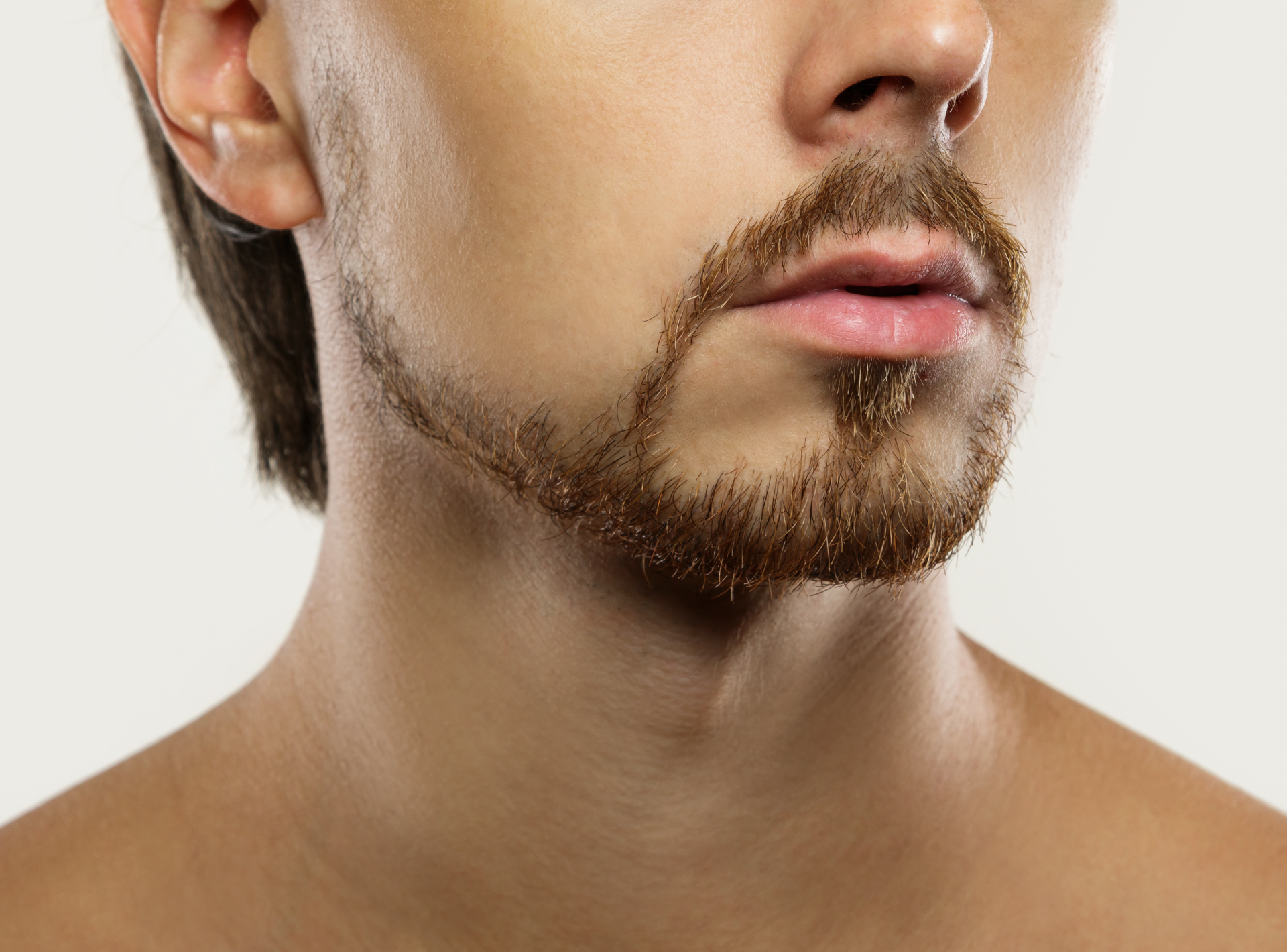
A beard transplant is a surgical operation by which hair follicles are taken from an area of the body, generally the scalp, and transplanted to the beard region to promote facial hair growth. Beard transplants are like any other medical surgery and have their pros and cons.
Beard Transplant In Dubai
A Beard Transplant in Dubai is a cosmetic hair restoration procedure designed to improve the density, shape, and overall appearance of facial hair. Healthy hair follicles are usually taken from a suitable donor area, commonly the back or sides of the scalp, and carefully transplanted into areas of the beard with sparse, patchy, or uneven growth. The procedure can be used to enhance the cheeks, jawline, chin, mustache, and sideburns while creating a beard pattern that complements the patient’s facial features. Each graft is positioned with attention to angle, direction, and spacing to support natural-looking growth. After an initial healing period, transplanted hairs may shed before new growth begins.
Let’s examine them in more detail:
Risks of Beard Transplant:
- Infection: Infection is a risk of all surgical procedures. Good care before and after the operation and good hygiene can help reduce this risk. Following the doctor’s recommendations and taking antibiotics if indicated helps decrease the chance of infection.
- Scarring: All attempts are made to reduce scarring, although there is a risk of noticeable scarring at the donor site and the recipient site. Good surgeons use procedures that reduce scarring, such as tiny incisions or follicular unit extraction (FUE) vs. follicular unit transplantation (FUT). But the pattern of healing and scarring per individual can differ.
- Bleeding and Bruising: Some bleeding and bruising at donor and recipient areas is common following a beard transplant. However, significant bleeding or bruising can signal a problem. Be sure to follow post-operative instructions carefully and let your doctor know if you have any unusual bleeding or bruising.
- Swelling: Swelling is a very common event after a beard transplant, especially in the early post-operative phase. But if the swelling is too severe or persists too long, that could be a sign of a problem. While you are sleeping, keep your head elevated and follow your doctor’s instructions for reducing swelling.
- Pain and Discomfort: You may feel some pain, discomfort, or tightness in the donor and recipient sites following the procedure. This is normal. The doctor can give you pain medication to help with any discomfort as you recuperate.
Advantages of Beard Transplant:
- Guaranteed Results: One of the greatest advantages of a beard transplant is that it delivers guaranteed results. A beard hair transplant is the operation of implanting hair follicles into the beard region to make a fuller and more uniform beard and to fix concerns like a patchy beard or absence of facial hair.
- Natural Look: Talented doctors can make a beard look natural with a thoughtful plan for the transplant to fit your facial characteristics and hair pattern. The hair you will have transplanted will grow like natural facial hair and can be styled and groomed like any other beard.
- Long-lasting Results: The hair follicles transplanted are usually genetically resistant to balding. This means that the hair in the transplanted location should grow and stay for a long time, which gives you long-lasting effects. It’s important to remember, however, that some natural hair loss may still occur due to factors such as aging or hormonal changes.
- Customizable: A beard transplant allows you to adjust the form, density, and style of your beard. With an experienced doctor, you can customize your beard to your facial features and aesthetic tastes to help you get the look you want.
- Boost in Confidence: For those who have patchy or sparse facial hair, a beard transplant can boost confidence and enhance their entire look. A thicker, better-groomed beard can help you look more masculine, younger, and more attractive.
Why Beard Transplant Is The Best Solution
A beard transplant is an effective solution for men who want to improve thin, patchy, uneven, or poorly defined facial hair. The procedure uses healthy hair follicles, usually taken from the scalp, and carefully places them in areas where beard growth is limited. This allows the beard to develop with a fuller, more natural-looking pattern over time. At Perfect Doctors Clinic, treatment is personalized according to facial structure, existing hair growth, desired density, and preferred beard style. Dr. Perfect Celebrity carefully plans the direction, angle, and placement of transplanted follicles to support balanced and realistic results. A beard transplant can help improve the appearance of the cheeks, jawline, mustache, sideburns, and chin while creating stronger facial definition. With advanced techniques, detailed planning, and professional aftercare, patients can achieve long-lasting facial hair enhancement that looks natural and complements their overall appearance.
How Beard Transplant Restores Confidence And Appearance
A beard transplant can restore both confidence and appearance by creating fuller, more defined facial hair in areas affected by patchiness, sparse growth, scars, or uneven density. A well-designed beard can enhance the jawline, improve facial proportions, and create a stronger, more balanced appearance. At Perfect Doctors Clinic, each procedure is customized to suit the patient’s facial features, natural hair characteristics, and preferred beard shape. Dr. Perfect Celebrity focuses on placing each follicle at the appropriate angle and direction so the new growth blends naturally with existing facial hair. As transplanted follicles begin producing permanent hair, patients can trim, style, and maintain their beard according to personal preference. The result can reduce the need to constantly hide uneven areas or rely on temporary grooming solutions. With individualized planning, modern transplant techniques, and attentive follow-up care, beard transplantation can provide a refined, masculine, and natural-looking improvement.
BOOK AN APPOINTMENT TODAY
FAQs
Will the Result Look Natural?
In order to achieve a natural appearance, hair follicles are implanted in a manner that takes into account the direction, depth, and angle. The method employed is intended to reduce the visibility of scarring. Suitability and outcomes are contingent upon the unique circumstances of each individual and should be deliberated with a practitioner.
Are the Results Long-Term?
The results of a beard transplant can be long-lasting because the transplanted follicles are typically taken from donor areas that are naturally resistant to hair thinning. Once these follicles establish themselves and begin producing new growth, the hairs can continue growing like natural facial hair. However, individual outcomes may vary depending on hair characteristics, donor quality, healing response, and overall health. Some temporary shedding can occur before new growth develops. A professional consultation is recommended to assess suitability, expected density, and realistic long-term results based on your individual facial hair pattern and treatment goals.
What Should I Expect During Recovery?
Within a few days to one week, the majority of individuals resume their daily routines. Additionally, the treatment area may experience itching and appear red or swollen during the initial stages of healing. Instructions for post-treatment care will be furnished to facilitate recovery.
Can I Shave Afterwards?
Indeed. Shaving or styling can generally be resumed, subject to the recommendation of your practitioner, once the treatment area has fully healed, which typically occurs after four weeks.
Who Might Consider a Beard Transplant?
Individuals who are in good health and have sparse beard growth as a result of genetics, scarring, or a previous injury may contemplate this option. In order to ascertain whether this method is suitable for your objectives, it is imperative to undergo a consultation.
Does It Hurt?
A local anesthetic is administered during the procedure to alleviate any discomfort. It is possible that the treatment area will experience numbness during the procedure and may be mildly tender during the healing process.
How Long Does the Procedure Take?
The duration of a beard transplant procedure depends mainly on the number of grafts required and the size of the treatment area. In most cases, the procedure takes approximately two to six hours. More extensive beard restoration may require additional time to ensure each graft is carefully placed at the correct angle and direction for natural-looking facial hair growth.
MEET THE EXPERT DOCTOR
Best Plastic Surgeon In Dubai For Beard Transplant
Best Plastic Surgeon in Dubai for Beard Transplant offers personalized facial hair restoration designed to improve beard density, definition, and symmetry. Dr. Perfect Celebrity carefully evaluates facial structure, donor hair quality, existing beard growth, and the patient’s preferred beard style before planning treatment. Healthy follicles are typically taken from suitable donor areas and precisely implanted into the cheeks, jawline, chin, mustache, or sideburns. At Perfect Doctors Clinic, special attention is given to the angle, direction, and distribution of each graft to support natural-looking growth. The procedure can help address patchy facial hair, sparse areas, uneven growth, or gaps caused by scars. With advanced techniques, individualized planning, and detailed aftercare guidance, patients can achieve fuller, well-shaped facial hair that complements their features and provides a long-lasting improvement in overall appearance.
Conclusion:
Beard restoration provides long lasting results and customization results. However, it is important to be aware of the possible hazards of the treatment. To reduce the dangers and ensure a successful and satisfying beard transplant, you should select an experienced and reputed doctor and adhere to their advice for pre- and post-operative care. It is crucial to have a full consultation with a skilled specialist to understand the procedure, evaluate the risks, and make an informed decision that meets your own needs and expectations.