





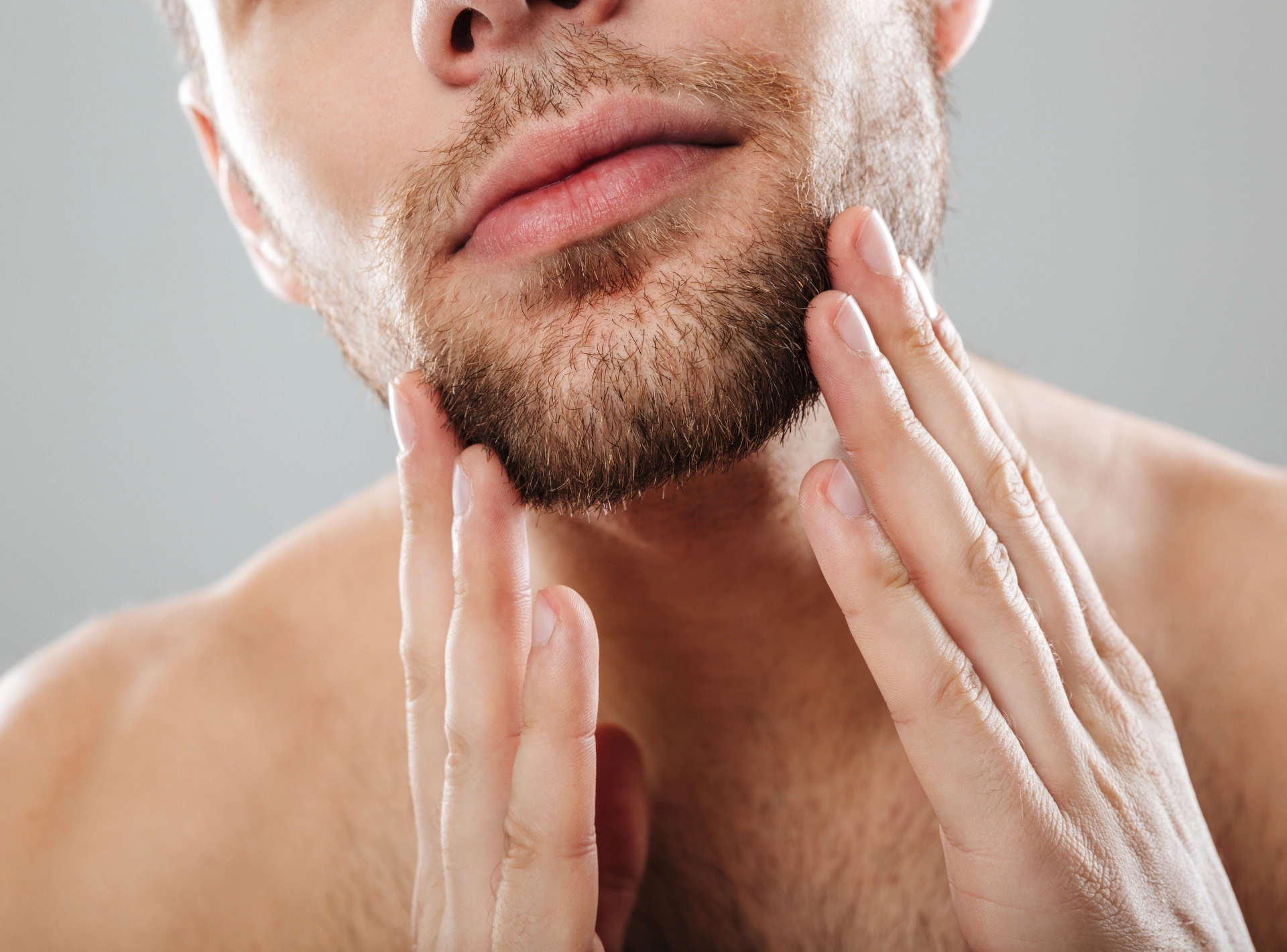
The recovery time after a beard transplant is an important part of planning the overall treatment journey, as it helps set realistic expectations for healing and results. In this blog, we will discuss what patients can typically expect during the recovery phase, including the initial healing period and gradual improvement over time. We will also explore how the transplanted area settles, when normal activities can usually be resumed, and how long it takes for visible beard growth to develop. Understanding the recovery timeline can help patients prepare better and follow proper aftercare for smoother healing and more natural-looking outcomes.
Beard Transplant In Dubai
Beard transplant in Dubai is a cosmetic hair restoration procedure designed to improve beard density, shape, and coverage by transplanting healthy hair follicles from a donor area, usually the back of the scalp, to the beard region. It is commonly performed for men who have patchy beards, thin facial hair, or areas with no growth due to genetics, scarring, or hormonal factors. The procedure uses advanced techniques such as FUE to ensure precise placement of hair follicles in a natural growth pattern, creating a fuller and well-defined beard. It is a minimally invasive treatment performed under local anesthesia, making it relatively comfortable with a short recovery period. Over time, the transplanted hair grows naturally, can be shaved or styled like normal beard hair, and provides permanent results that enhance facial appearance and confidence.
Introduction: Why Beard Transplant Recovery Deserves Its Own Playbook
A beard transplant is not the same thing as a scalp transplant done on a different part of the body. The face has its own set of problems that require a special way to plan for recovery. The skin on the face is more flexible, more visible to others, and more physiologically complex than the skin on the scalp. These differences change how patients should get ready for and go through the healing process.
Most people who are thinking about getting the procedure put it off because they can’t picture what their face will look like at work, at dinner, or in a client meeting while they are recovering. This uncertainty makes people worry for no reason and often causes them to put off a procedure that could greatly improve their confidence and looks for an unknown amount of time.
This guide talks about “social calendar planning,” a real-life tool that helps patients plan their beard transplant around their other commitments. Knowing that the recovery time for a beard transplant is different for everyone, knowing the main milestones helps you make decisions with confidence and set realistic expectations.
What makes this guide different is that it talks about real-world issues that most guides don’t, like a graduated shaving schedule, eating restrictions for facial procedures, when to go back to work based on your job, and honest pictures of what the face looks like on days three, seven, and ten.
The team of double-board-certified facial plastic surgeons at Perfect Doctors Clinic in Dubai has more than 24 years of experience and has done more than 5,000 successful procedures in this field. They combine surgical skill with the artistic precision that facial hair restoration needs.
Why Facial Skin Heals Differently Than the Scalp
The physiological differences between facial and scalp skin have a direct effect on how long it will take to heal. Facial skin is thinner, more flexible, and has more nerve endings than scalp tissue, which makes it more sensitive to stress after surgery.
The factor of constant movement is the most important difference. Eating, talking, smiling, and making a lot of other facial expressions cause small movements that the skin on the scalp doesn’t experience. This is why there are certain rules, like only eating soft foods and not making too many exaggerated facial expressions, for beard transplants.
One important thing to know is that the higher blood flow in facial skin can speed up some parts of the healing process. This increased blood flow is one reason why beard transplants often show new growth in three to four months, which is a little faster than the usual time for scalp transplants. Research published in PMC/NIH shows that the dermis thickness differences between scalp and facial skin are important for these healing patterns.
Social visibility makes these physical factors even worse. A scalp procedure can be hidden by a hat, but the face is always on display. This makes the appearance at each recovery milestone a real planning concern instead of just a minor inconvenience.
Follicular Unit Extraction (FUE) is now the best way to do beard transplants. It doesn’t leave linear scars, speeds up recovery, and doesn’t hurt nearby follicles. This is in line with the commitment of Perfect Doctors Clinic to provide you with natural-looking, undetectable results.
BOOK AN APPOINTMENT TODAY
The Critical First 3 Days: Graft Anchoring and What Not to Do
The first 1 to 2 days are the most important for the graft to stay alive. During this time, the transplanted follicles haven’t yet anchored firmly, so they can be moved by touch, water pressure, or friction.
Absolute restrictions during this window include:
- You should never touch the area where the transplant was done.
- No direct contact with water (the face must not be touched while showering)
- Don’t sleep on your stomach.
- No hard physical activity
Sleeping position needs particular attention. For the first seven days, patients must sleep on their backs with their heads raised to keep their faces from swelling and to keep the graft from coming loose. A travel pillow or wedge pillow gives you the support you need.
Clothing restrictions that most clinics don’t tell you that you shouldn’t wear turtlenecks, scarves, tight collars, or anything that covers your face for the first three to four days. This is to keep the graft from getting messed up while you are dressing and undressing.
Diet restrictions unique to beard transplants are that you can only eat soft foods for the first two to three days. This is to keep your jaw from moving too much and to reduce mechanical stress on the transplanted follicles in the chin, jaw, and lower face. Patients should also stay away from salty foods for three to four days after the procedure to help with swelling and fluid retention.
You should stay away from alcohol and smoking for at least two weeks because both of these things slow down healing, restrict blood flow, and raise the risk of infection. You will see some redness, slight swelling, and small scabs right away. This response is completely normal and part of the healing process.
What the Face Actually Looks Like: A Day-by-Day Visual Guide
This part gives you realistic visual benchmarks that will help you plan your social calendar.
Days 1–4: The Immediate Post-Procedure Phase
Patients should expect redness in the area where the transplant was done, mild swelling (especially around the jaw and chin), and small scabs forming at each graft site during this time. Most of the time, swelling is at its worst 2 to 3 days after it starts and starts to go down by days three to four.
Social verdict: This window is not good for jobs that involve talking to people, social events, or video calls. Most patients should stay home for the first few days.
Days 5–7: Shock Loss Begins — Don’t Panic
Around days four to five, the hairs that were transplanted start to fall out. This is known as shock loss or telogen effluvium. Patients who don’t understand what’s going on feel a lot of anxiety at this time.
The biology is straightforward: the hair shaft falls off, but the follicle root stays intact under the skin. Shedding is not a sign of graft failure; it is a normal part of the growth cycle reset. A peer-reviewed study showing a 94.6% mixed graft survival rate nine months after surgery backs up the reliability of this process.
On day seven, scabs are still there but starting to come off, redness is going away, swelling has mostly gone down, and the area may look patchy as some hairs fall out.
Social verdict: Still not the best place for big social events. Desk workers may feel comfortable coming back between days three and five, depending on how they feel and how the office is set up.
Days 8–13: The Presentable Window
By the tenth day, the scabs have usually fallen off on their own, the redness has gone down a lot, and casual observers would say that the face looks mostly normal. This milestone is the most important time to plan around social obligations.
Social verdict: By the end of week two, most patients should be able to go back to work at a desk, go to casual social events, and work in low-key professional settings. After a week, light cardio like walking is usually safe.
Weeks 3–5: Dormancy Phase and the “Ugly Duckling” Period
At this point, most of the transplanted hairs have fallen out, making the beard look thin or patchy. This phase of dormancy is completely normal, but for many patients, it is the hardest time emotionally.
The roots of the follicle are still alive under the skin, getting ready to start the active growth phase. Patients in roles where their beard is visible should be ready for this temporary look.
You can usually start weight training again after three to four weeks, but you need to wait at least four to six weeks for contact sports. You should not swim in pools or open water for at least a month because of the risk of infection.
Months 3–7: Visible Regrowth and the Folliculitis Phase
At months three to four, new hair growth starts to show up, which is the milestone that most patients look forward to. By month six, you can see about 51–65% of the final hair growth.
Folliculitis, which are small pimples or ingrown hairs in the transplanted area, can happen when new hairs push through the skin between months three and four. Other possible problems are graft pitting, cobblestoning (small bumps at implanted roots, which is more common with coarse dark hair), and, in rare cases, temporary numbness of the facial nerve.
Social verdict: By months four to six, most patients have a full beard and feel good about themselves in social and work situations.
Months 12–17: Final Results
The final results of a beard transplant are clear after 12 to 17 months, when all of the follicles have finished their first full growth cycle. During this time, the texture and thickness of the hair keep getting better.
This milestone shows what good technique and proper care after surgery can do: a thick, natural-looking beard with no scars from the FUE procedure.
The Graduated Shaving Protocol: What Most Clinics Never Tell Patients
Most clinics only say, “Wait two weeks,” which isn’t very clear. A proper graduated shaving protocol has four steps that protect the money that patients spend on their procedure.
Phase 1: No Shaving (Days 1–9)
During the first seven to nine days, you can’t shave, trim, or cut your hair in any way. The skin is healing, there are scabs, and any contact with a blade could move grafts or let in germs.
Phase 2: Scissors and Electric Trimmer Only (Weeks 2–5)
After the scabs have completely fallen off, which usually happens between days ten and fourteen, it is okay to lightly trim with scissors or an electric trimmer that doesn’t touch the skin. The trimmer should not touch the skin directly; there should be a safe distance between the guard and the transplanted follicles.
Phase 3: Electric Clipper with Guard (Weeks 5–11)
The skin has healed enough by week four to let you use the electric clipper closer, but you still need to wear a guard. During this phase, patients can start to shape and style their beard more purposefully.
Phase 4: Full Razor / Wet Shave (Months 3–5 and Beyond)
It’s usually safe to get a full wet shave with a traditional razor only after three to four months. Patients should start wet shaving slowly, using a new, sharp blade and good shaving cream.
Social Calendar Planning: Scheduling the Procedure Around Real Life
Return-to-Work Timeline by Profession Type
- Desk job / remote work: Most patients can come back in two to three days.
- Client-facing roles: It is best to wait at least ten to fourteen days before going to professional settings where you will be seen by a lot of people.
- Physical labor: You need to wait at least three to four weeks to avoid sweat, dust, and physical impact.
- Public figures or executives: It is best to have at least two weeks of extra time, preferably during a less busy time.
Planning Around Social Events
- Weddings or formal events: You should plan the procedure at least three weeks in advance, but four to six weeks in advance is best.
- Casual gatherings: Most patients feel better by days ten to fourteen.
- Travel: For the first five to seven days, they should not fly or go to the beach.
The best time to schedule the procedure is on a Thursday or Friday, with the weekend being the most difficult recovery days.
Post-Operative Care Essentials: Supporting Recovery
It is very important to follow the surgeon’s exact washing instructions, which usually include a gentle saline spray after the first 1 to 2 days with careful dabbing motions. If you follow the instructions, you can use topical minoxidil five to seven days after the surgery to help hair grow back.
For sun protection, you should stay out of the sun for at least four weeks and use SPF 40+ when you are outside after the first healing. You shouldn’t use aftershaves or harsh skin care products for at least four weeks.
If you notice any of the following signs, you should call the surgeon right away: more redness, warmth, discharge, fever, strange pain, or a lot of graft loss. Patients can tell the difference between normal healing and warning signs by looking at the common side effects of hair transplants. This will give them a better idea of what to look for after any hair procedure.
Realistic Expectations: The Emotional Side of Beard Transplant Recovery
The mental side of recovery is important. Weeks three to eight, when the plant is dormant and patchy, can be hard on your emotions, so it’s helpful to get ready mentally.
Most people who get beard transplants go through a time when their beard looks worse than it did before the surgery. This is normal and will go away soon. The 11-17 month final result, not the six-week mark, is the best way to judge how well things are going.
The ISHRS says that the demand for facial hair transplants grew by 195% around the world from 2011 to 2013. This shows that patients were very happy with the results.
MEET THE EXPERT DOCTOR
Swelling, Bruising, And Scarring After Beard Transplant
After a beard transplant, mild swelling, redness, and bruising are common around the treated and donor areas. These effects usually peak within the first two to three days and gradually subside over one to two weeks. Small scabs may form as part of normal healing. Scarring is typically minimal when performed by skilled surgeons, leaving natural-looking results as the transplanted follicles settle.
Downtime For Desk Jobs After Beard Transplant
Downtime after a beard transplant is generally short, allowing most patients to return to desk jobs within three to five days. Some redness or mild swelling may still be visible, but it does not usually affect work performance. Patients are advised to avoid strenuous activity and follow post-care instructions to ensure proper graft healing and optimal beard growth.
Beard Transplant Recovery Dos And Donts
Do keep the treated area clean, sleep with your head elevated, and follow all aftercare instructions provided by your surgeon. Do not touch, scratch, or rub the transplanted area, and avoid heavy exercise, smoking, or direct sun exposure during early healing. Proper care ensures better graft survival and natural-looking beard density.
Best Plastic Surgeon In Dubai For Beard Transplant
Best Plastic Surgeon in Dubai for beard transplant provides advanced hair restoration techniques designed to create natural-looking beard density, shape, and symmetry according to each patient’s facial structure. Dr. Perfect Celebrity is recognized for delivering highly refined beard transplant results using modern surgical precision and an artistic approach to facial hair design. The procedure involves precise extraction and implantation of hair follicles, ensuring a natural growth pattern and long-lasting results. Patients receive personalized treatment planning, detailed consultation, and careful post-operative support to promote smooth healing and optimal graft survival. Modern techniques such as FUE are commonly used to minimize scarring and enhance overall outcomes, making the procedure safe and minimally invasive with a relatively quick recovery period.
Conclusion: Confidence Starts With a Clear Plan
Patients can better handle and predict their beard transplant recovery time if they know how their facial skin works and plan their social calendar around that.
The most important milestones are the two-day graft anchoring window, looking good by day ten, regrowth that can be seen between months three and four, and the final results between months twelve and eighteen. Instead of just a list of rules, the graduated shaving protocol gives you a useful roadmap.
The recovery of each patient is different and depends on their skin type, the number of grafts, the technique used, and how well they follow post-operative instructions. The best way to get a personalized recovery timeline is to talk to a qualified specialist who can look at your specific body and goals.
Ready to Plan a Beard Transplant? Schedule a Consultation at Perfect Doctors Clinic
The next step is to have a one-on-one consultation to plan the procedure around a specific schedule and set of goals now that you have a clear idea of how long it will take to recover from the beard transplant.
Perfect Doctors Clinic has some unique qualifications: they have double board-certified facial plastic surgeons, have done over 5,000 successful procedures, have been in business for over 24 years, and have a team of specialists who have been focused on hair transplantation for 17 years.
Our clinic is in Dubai and offers a high-end, private experience for patients using advanced FUE techniques that are specifically made for shaping facial hair.
To make an appointment and get a personalized recovery and results timeline, call us now. Excellence Meets Elegance: expert care given with the style and discretion that smart patients expect.