





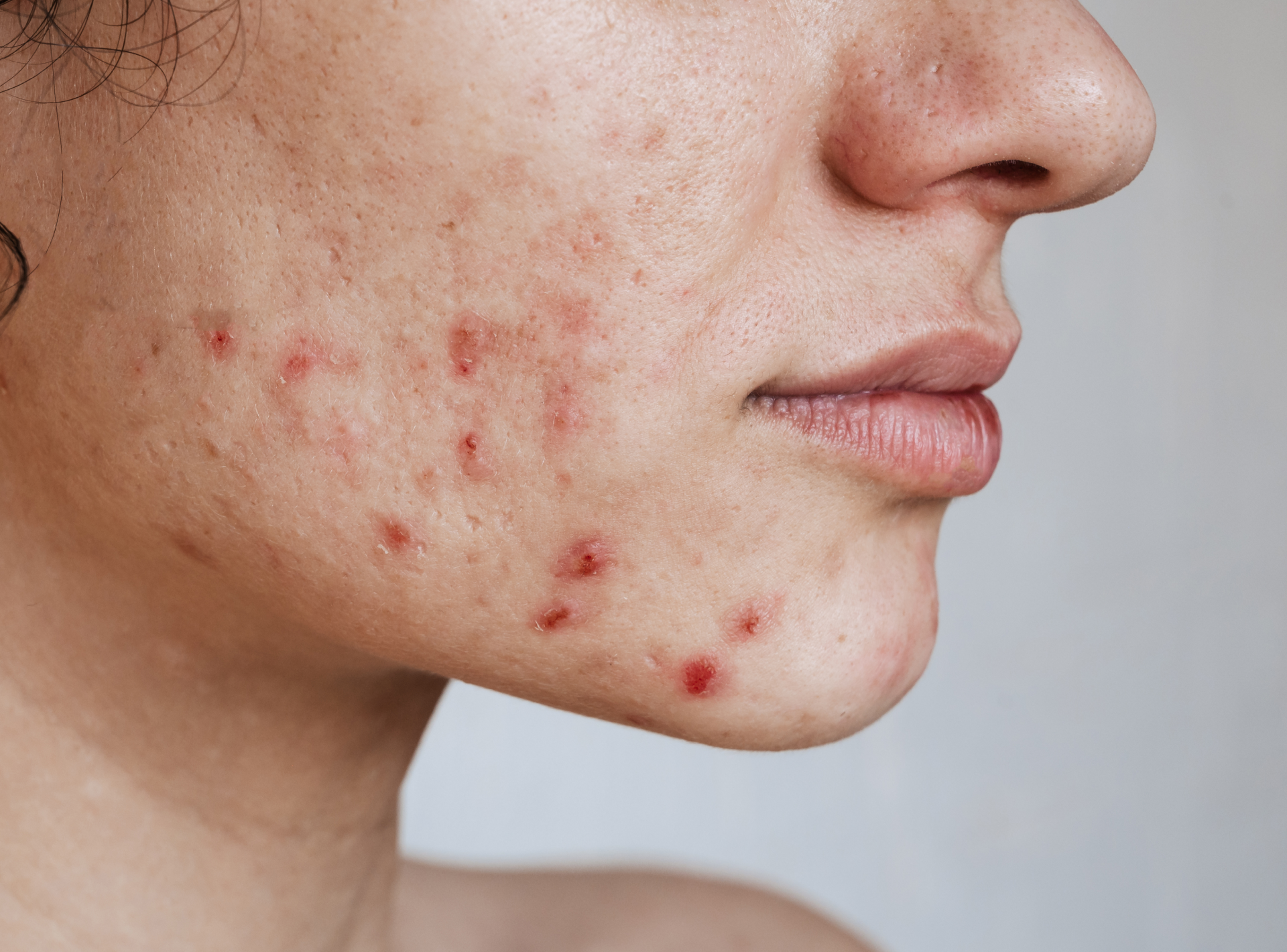
It is crucial to follow your therapy to receive the greatest outcomes from acne scar treatments. This is why your dermatologist will provide you with personalized recommendations for aftercare. Just so you know what to anticipate, here’s a glimpse of what aftercare usually entails.
Follow your dermatologist’s aftercare instructions. This can include a regimen of skin care, which involves the use of certain skin care products. Use any skin care products suggested by your dermatologist. Post-treatment, your treated skin can be sensitive, and these products can help. Your dermatologist may also instruct you to avoid makeup for a few days. Make sure you don’t wear cosmetics until your dermatologist informs you it’s OK to use them.
Apply sunscreen every day to the treated skin. The sun can discolor treated skin after treatment. This can be avoided by wearing sunscreen. Put on sunscreen 20 minutes before you go outside, even if you are only going to be outside for a short time, like walking to your car. Your sunscreen should shield your skin from the sun by:
- Broad-spectrum sun protection
- Water-resistant
- SPF 35 or higher
Don’t get tanned or exposed to the sun. Allow your skin to heal after treatment. For six to eight weeks, you’ll need to avoid spending much time outside during the day—even on cloudy or chilly days.
Wash the treated skin as directed by your dermatologist. Keeping your skin clean might help lower the chance of illness.
Have realistic expectations. Treatment can reduce the look of a scar, but it might be a while before you see the results. There are many therapies for depressed (sunken-in) scars that cause your skin to produce more collagen and elastin, which lessens the sunken-in look. Your body needs time to create collagen and elastin.
Your skin may also appear puffy or discolored following treatment. This normally settles within a few days.
Return for all the treatments your dermatologist recommends. Acne scar treatment is rarely a one-and-done deal. You could require three or more treatments to get the optimum results.
Continue acne treatment as needed. If you have acne-prone skin, keep using your acne medication. New acne scars could result from new acne breakouts. The best method to prevent this from happening is to continue utilizing your acne medication. Acne therapy is aimed at preventing new breakouts from forming.
Your dermatologist can tell you when you don’t need to treat acne anymore.
Acne Scars Treatment In Dubai
Acne Scars Treatment in Dubai is intended to improve the look of textural abnormalities, discolouration, and other types of acne scars. Depending on the type of scar and the skin state, treatment may include microneedling, radiofrequency, laser resurfacing, chemical peel, subcision, or other appropriate techniques. The goal is to trigger skin regeneration, increase collagen production, and get a smoother, more even complexion. Treatment regimens are often tailored to the person, depending on the depth of the scar, skin tone, previous history of acne, and the desired outcome. Recovery depends on the operation performed. Continued aftercare, sun protection, mild skincare, and follow-up treatments will aid the healing process and will improve the overall appearance and texture of acne-scarred skin over time.
Acne Treatment In Dubai
Acne treatment in Dubai is a customized way to treat breakouts, clogged pores, irritation, excess oil, and skin problems associated with acne. Depending on the kind and severity of acne, treatment may involve topical products, prescription drugs, professional skincare procedures, chemical peels, light-based therapies, or a combination of treatments. The primary goals are to minimize current outbreaks, prevent new acne, regulate inflammation, and lessen the chances of future scarring. A good treatment plan would also include skin type, lifestyle variables, and possible triggers. Sticking to a skincare routine, using a gentle cleanser, protecting your skin from the sun and following the advice of a skin care professional can all help to improve acne over time and promote clearer, healthier-looking skin.
BOOK AN APPOINTMENT TODAY
FAQs
Is Surgery Performed To Remove Acne Scars?
Sometimes, minor surgery is recommended to address specific forms of acne scars. In order to reduce the visibility of indentations, these surgeries elevate scar tissue closer to the skin’s surface. The scar may be entirely removed, or the scar tissue may be broken up, thereby facilitating the formation of new collagen and the smoothing of the scar. The treatment area is numbed to prevent you from feeling pain, and the surgery is conducted in the dermatologist’s office while you are awake. Other acne scar elimination treatments are frequently implemented subsequent to surgery.
What’s The Treatment For Acne Scars That Aren’t On The Face?
The treatments that are administered to your face may not necessarily be applied to your back or torso. Your dermatologist will determine the most suitable treatment for you based on the type of scar and its location.
Are There Any Complications Or Side Effects Of Treatments For Acne Scars?
Certainly, moderate discomfort is a common occurrence during and after treatment. Other complications include variations in skin hue, which may be either lighter or darker.
Are Treatments For Acne Scars Different For Teenagers And Adults?
Teenagers may undergo treatments that are equivalent to those administered to adults.
How Long Will It Take For The Acne Scars To Go Away?
The response to this inquiry is contingent upon the scar type and the treatment method. Check with your dermatologist regarding the anticipated recovery period. Please bear in mind that not all wounds will be permanently removed.
What Can I Expect If I Have Acne Scars?
Acne is a prevalent condition. It is probable that the majority of individuals you know either have or have had it at some stage, most likely during their teenage years. It is anticipated that you will be required to make decisions regarding the form of treatment and whether or not you will receive it. If you opt not to receive treatment, you should anticipate that the scars will remain on your body for the majority, if not the entirety of your life. Acne scars are notoriously challenging to heal, regardless of the treatment administered. There is no absolute assurance that the acne scarring will be entirely eradicated. However, the majority of treatments diminish the size of the acne scars and reduce their visibility.
How Long Will I Have Acne Scars?
Acne scars can remain visible for many years and, in some cases, may persist indefinitely without treatment. Their longevity depends on the type and depth of the scar, skin type, collagen response, and individual healing characteristics. Some mild discoloration may gradually fade over time, while deeper atrophic or raised scars are less likely to disappear completely on their own. Professional treatments can help soften their appearance, improve skin texture, and make scars less noticeable. Consistent skincare, sun protection, and appropriate treatment can also support gradual improvement and help maintain a smoother, more even-looking complexion over time.
How Do I Prevent Acne Scars?
Preventing acne scars begins with treating active acne as early and consistently as possible. Avoid squeezing, picking, or scratching pimples because this can increase inflammation and damage deeper layers of the skin. Use gentle skincare products, follow a suitable acne treatment plan, and protect your skin from excessive sun exposure, which can make post-acne discoloration more noticeable. Severe, painful, or persistent breakouts should be assessed promptly so appropriate treatment can begin before deeper scarring develops. Maintaining good skincare habits and following professional recommendations can reduce the risk of permanent marks and support clearer, healthier-looking skin as acne improves.
How Do I Take Care Of Myself?
Acne scarring can disrupt your social life and relationships, as well as cause psychological distress and self-esteem issues. This is the reason it is crucial to treat acne promptly in order to prevent the formation of scars. Consult your dermatologist for acne treatment advice, adhere to the instructions, and return for scar treatment in the early phases of the condition to maximize the potential for minimizing skin damage.
What Makes Acne Scarring Worse?
Your scars are influenced by your own DNA. The severity of the scars is influenced by the production of collagen and the depth of the acne lesions, as well as the genes that determine the ability of your skin to regenerate. Nevertheless, the scarring can be exacerbated by smoking, squeezing the acne, and picking at it. Attempt to prevent your palms from touching your face.
MEET THE EXPERT DOCTOR
Best Aesthetic Clinic In Dubai For Acne Scars Treatment
Best Aesthetic Clinic in Dubai for Acne Scars treatment offers personalized solutions designed to improve uneven texture, discoloration, depressions, and other visible signs left by previous acne. At Perfect Doctors Clinic, every treatment plan is tailored according to scar type, skin tone, scar depth, and individual aesthetic goals. Depending on the concern, suitable options may include microneedling, radiofrequency-based treatments, laser resurfacing, chemical peels, subcision, or other advanced skin procedures. Patients also receive detailed aftercare guidance to support healing, minimize unnecessary downtime, and protect the treated skin. The focus is on encouraging collagen renewal, smoothing the skin surface, and creating a clearer, more balanced complexion. With consistent treatment, appropriate skincare, and professional follow-up, patients can gradually improve the appearance of acne scars and achieve healthier-looking, more refined skin with natural-looking results.