





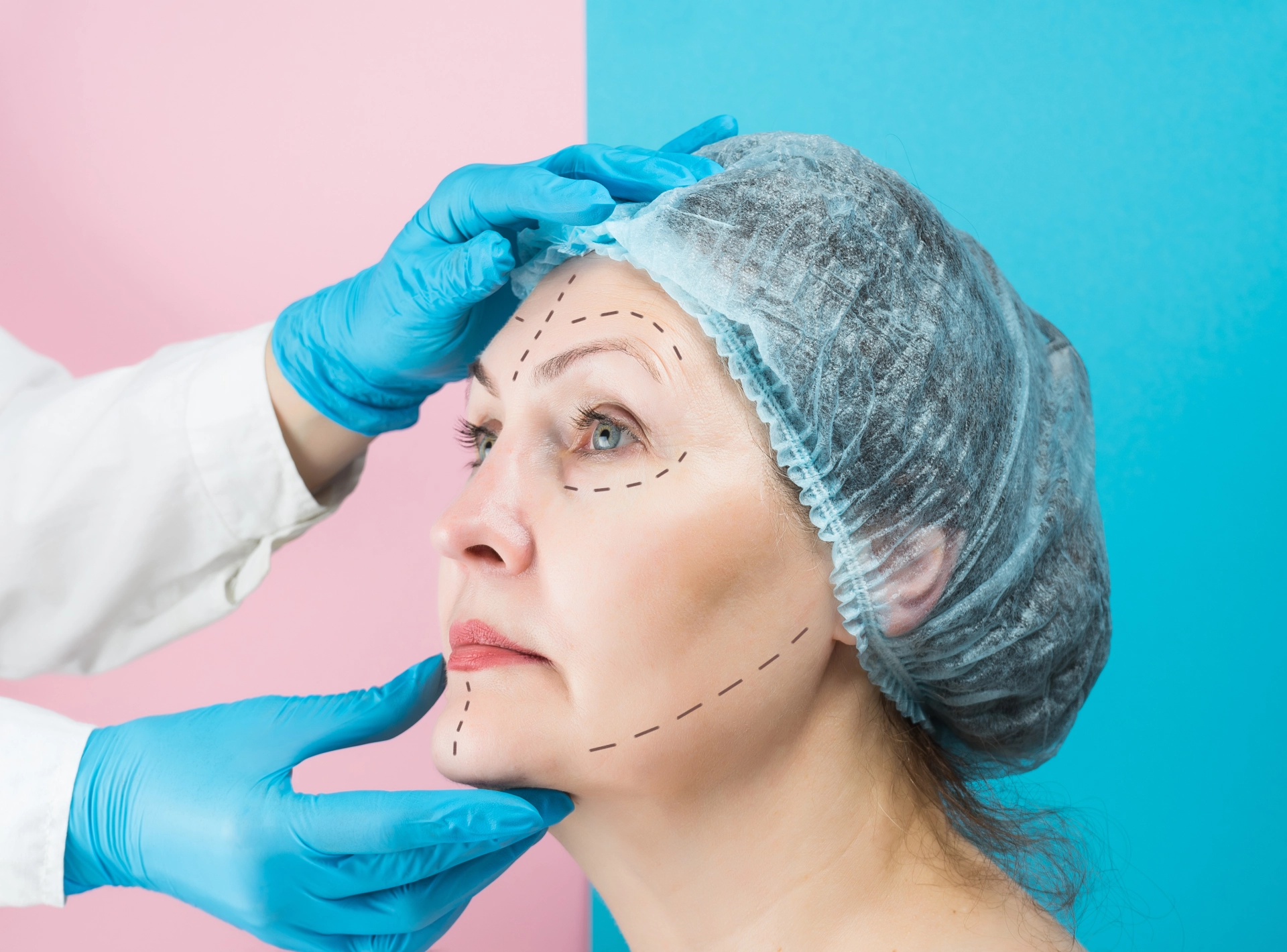
The body is frequently subjected to the harsh effects of gravity and aging. Areas that were previously firm and smooth begin to sag and become wrinkled. In the majority of cases, you likely experience an inner sense of youthfulness and vitality that is significantly greater than the external appearance of your body. Consequently, your social life and self-assurance may be negatively affected.
Your visage is an indicator of your identity to the world. You desire for your facial expressions to accurately convey the emotions you are experiencing to those in your vicinity and to be a source of self-assurance. Satisfied patients undergo thousands of facelift procedures annually. In the past, people have frequently linked facelifts to unfavorable outcomes and a windswept, stretched appearance.
Currently, plastic surgeons who are highly skilled are proficient in a diverse array of techniques that yield natural-looking, aesthetically pleasing outcomes. Nevertheless, it is important to consider the potential risks associated with any surgical procedure before deciding whether to proceed with a facelift.
Facelift Surgery In Dubai
Facelift Surgery in Dubai is a popular cosmetic procedure for people who want a firmer, more youthful face. While preserving the natural harmony of the face, the treatment is designed to diminish the appearance of aging, such as facial sagging, deep folds, and loose skin. Personalized surgical planning can support balanced and refined results, which is why many patients prefer facelift procedures. Skin condition, facial structure, and recovery expectations are meticulously assessed by experienced specialists prior to treatment. It is also crucial to provide proper aftercare, supervision, and healthy lifestyle habits to facilitate a more efficient healing process and long-lasting improvements. Expertise is required to ensure that facelift surgery is performed safely and effectively in order to improve facial definition, confidence, and appearance.
Potential Risks Of Facelift Surgery
Facelifts are thought to be a safe procedure, and if you choose the right surgeon, you’ll be pleased with the gorgeous outcome. Make sure to discuss reasonable expectations with your physician and determine whether you are a good candidate for a facelift. Here are ten possible risks to be mindful of if you’re considering this procedure because you’re dissatisfied with the wrinkles and lines, lost volume, or sagging caused by aging.
1. Hematoma Or bleeding
After surgery, abnormal bleeding can result in a hematoma, which is a collection of blood. Hematomas can be caused by a variety of factors, such as high blood pressure, altered blood clotting, and intense physical activity. Sudden swelling, tenderness, bluish-purple skin discoloration, a painful lump, or bruising that gets worse rather than better are all signs of a hematoma.
The most frequent side effect following facelift surgery is hematoma, which happens in 1–6% of cases. Despite careful attention to detail, hematomas occur in even the world’s top facelift surgeons’ procedures. Fortunately, your surgeon can easily manage a hematoma with timely care, and it usually doesn’t result in long-term issues. The body will absorb any small blood collections that are typically visible. Larger collections might need surgical intervention, such as drainage or evacuation.
If you suspect a hematoma, you should get medical help right away because, if left untreated, it can impede healing. Hematomas can develop days after surgery, but they usually do so within 1 day. Untreated hematomas can lead to delays in healing, contour problems, increased scarring, skin darkening, infection, and in rare cases, skin necrosis.
2. Infection
Bacteria may enter through surgical incisions, increasing the risk of infection after the procedure. In healthy individuals, the risk of infection following a facelift is roughly 0.8%. Those who smoke, use steroids, have diabetes, or have other medical conditions are more at risk.
Fever, redness, pain, tenderness, warmth, discharge, and an unpleasant odor are signs of an infection. It’s critical to let your surgeon know as soon as you suspect an infection so you can receive timely care.
If the infection is severe enough to prevent the incision from healing properly, it may impact your facelift results and make scars more noticeable.
3. Scarring
Facelifts leave scars, just like any other surgical procedure. Scars are positioned in particular areas near the hairline and ears to reduce visibility, and the face usually heals well. Skilled surgeons employ special techniques, such as precise closure and the use of multiple layers to relieve skin tension, to make the scars almost undetectable. You can promote healthy healing and lower the chance of noticeable scarring by closely adhering to your doctor’s post-surgery instructions.
Although the overall risk is still very low, people with darker skin are more likely to develop thicker scars, such as hypertrophic and keloid scars. Discuss your options and reasonable expectations for a facelift procedure with your plastic surgeon if you are susceptible to keloid scarring.
4. Adverse Reaction To Anesthesia
Local anesthesia, twilight sleep, or general anesthesia can be used for facelifts. Common side effects include temporary drowsiness, nausea, or sore throats, which usually go away in a day or two. Rarely, anesthesia-related complications like an allergic reaction can happen.
Due to an innate fear of anesthesia, some patients worry that they “will not wake up from surgery” or, on the other hand, that they “will wake up during surgery.” You can be confident that when doctors administer modern anesthesia to healthy patients, both of these incidents are incredibly uncommon.
Your surgeon will discuss the best method for your anesthesia with you.
5. Delayed Healing
Everybody recovers at their own rate. Some are turtles; others are rabbits. This implies that your recuperation period will differ based on your age, genetic makeup, skin type, general health, and procedure type. Some patients may have delayed healing, which could lead to other adverse effects like prolonged swelling. Skin sloughing or wound breakdown may happen in certain situations.
6. Tissue Loss
Every surgical procedure involves cutting tissue, which may jeopardize the tissue’s ability to receive blood. Facelift procedures are generally well tolerated because the face has a very strong blood supply. In rare cases, tissue necrosis may result from poor circulation to the skin, fat, or muscle. Skin sloughing, wound disintegration, increased scarring, and contour abnormalities could all be consequences of tissue necrosis.
Because smoking reduces the blood supply to the tissue, smokers are far more likely to experience tissue loss. To lower your risk, if you smoke, speak with your surgeon and abide by all instructions to quit smoking both before and after your procedure within the allotted time frames.
7. Damage To Underlying Structures
There is a slight chance that underlying structures like blood vessels, muscles, nerves, fat, and salivary glands could be harmed.
Following a facelift, temporary changes in sensation such as numbness, tingling, sensitivity, and itching are to be expected. Eyebrow, eyelid, and mouth movements are examples of facial motion that can also be momentarily impacted. Usually, these symptoms go away on their own after a few weeks or months.
Permanent damage could, however, happen in rare cases. After a facelift, there is less than a 1.5% chance of long-term nerve damage.
8. Seroma
After surgery, fluid may accumulate beneath the skin and resemble a cyst or swollen lump. This could happen where tissue has been moved or disturbed or at the site of an incision. We refer to this collection of fluid as a seroma. The accumulation of fluid may not always happen right away after surgery; it may start to grow and swell days or even weeks later.
To help avoid any fluid accumulation, small drainage tubes are frequently used immediately following your procedure. After the drainage tubes have been removed, there is a possibility that fluids will accumulate. Following a facelift, small collections of fluid are fairly common and are usually absorbed by the body or drained with a needle. Rarely, a drainage procedure might be necessary for a collection of fluid that does not resolve.
9. Allergic Reactions
Certain drugs or materials used during or after surgery may cause allergic reactions in certain patients. The majority of reactions are mild and can be managed by stopping the offending medication. Allergic reactions can occasionally be more severe and necessitate further medical care. Medication allergies can, in very rare cases, result in shock.
Make sure to talk to your surgeon about any known allergies you may have before the procedure.
When your sutures dissolve, you might experience some redness and irritation. It’s important to distinguish between an allergic reaction and this normal reaction. As your body heals, discuss any concerns you have with your surgeon and heed his advice.
10. Unsatisfactory Results
Although facelifts performed by skilled plastic surgeons have a very high success rate, there is a tiny possibility that you won’t be happy with the outcome. Reputable surgeons cannot guarantee outcomes because surgery and medicine are not exact sciences.
In certain instances, inadequate or unsatisfactory outcomes might necessitate further procedures.
Selecting a trustworthy, board-certified plastic surgeon with extensive experience performing facelifts is the best way to lower the chance of unsatisfactory outcomes.
BOOK AN APPOINTMENT TODAY
Advantages Of Facelift Surgery You Should Know
Facelift surgery can achieve a smoother appearance, reduce visible sagging, and improve facial contours. Many individuals opt for this procedure because it preserves the natural balance of their facial features and offers long-lasting rejuvenation. Personalized surgical planning may also improve the definition of the jawline and soften deep facial folds. For eligible candidates, facelift surgery can naturally contribute to a refreshed appearance, enhanced confidence, and overall facial harmony through meticulously executed procedures, provided that proper aftercare and experienced supervision are provided.
Why Facelift Surgery Is The Best Solution
While preserving natural beauty, facelift surgery is regarded as an effective solution for addressing visible signs of facial aging. The procedure tailors itself to the unique facial structure, skin condition, and aesthetic objectives of each patient, thereby ensuring that the results remain balanced. A significant number of patients greatly appreciate the long-term enhancements that professional surgical techniques and attentive postoperative care accomplish. Facelift surgery can naturally achieve a refreshed youthful appearance, firmer skin, and smoother contours through the use of experienced specialists and personalized treatment planning.
How Facelift Surgery Restores Confidence And Appearance
By assisting individuals in attaining a more youthful, firm, and smoother facial appearance, facelift surgery can have a positive impact on their confidence. After observing enhancements in skin tightness and facial definition, numerous patients experience a sense of ease during professional interactions. Additionally, the procedure may alleviate apprehensions regarding the appearance of aging and the appearance of fatigued features. By providing professional surgical care and appropriate recovery guidance, facelift surgery can consistently promote increased self-confidence, a refreshed appearance, and increased daily comfort.
MEET THE EXPERT DOCTOR
Best Plastic Surgeon In Dubai For Facelift Surgery
Best Plastic Surgeon in Dubai for facelift surgery is available at Perfect Doctors Clinic, where Dr. Perfect Celebrity offers customized cosmetic care that prioritizes patient safety and a natural-looking facial rejuvenation. The clinic is distinguished for its highly advanced facelift procedures, which are customized to the unique aesthetic objectives, skin condition, and facial structure of each patient. Professional consultations are meticulously conducted prior to surgery to facilitate personalized treatment planning and realistic expectations. Patients value the clinic’s dedication to modern surgical techniques, hygiene standards, and attentive postoperative care throughout the entire recovery process. The primary objectives of Dr. Perfect Celebrity and the seasoned aesthetic team are to enhance facial contours, diminish the appearance of aging, and preserve the natural harmony of the face. The Perfect Doctors Clinic is a trusted place for many individuals due to its professional approach, dedication to refined cosmetic outcomes, and welcoming environment. Personalized support and expert supervision ensure that patients feel informed, comfortable, and confident throughout their facelift surgery journey in Dubai, resulting in a naturally smoother, more youthful appearance.
Conclusion:
Facelifts carry the same risks as any surgical procedure. By doing some research, consulting your doctor, and adhering to instructions both before and after your surgery, many of the rare risks involved can be significantly decreased.
You can achieve stunning, natural-looking results that resemble a face-lift. To find out if you’re a good candidate for a facelift, take our online self-assessment or make an appointment for a free consultation with Dr. Perfect Celebrity, if available during discount season.