





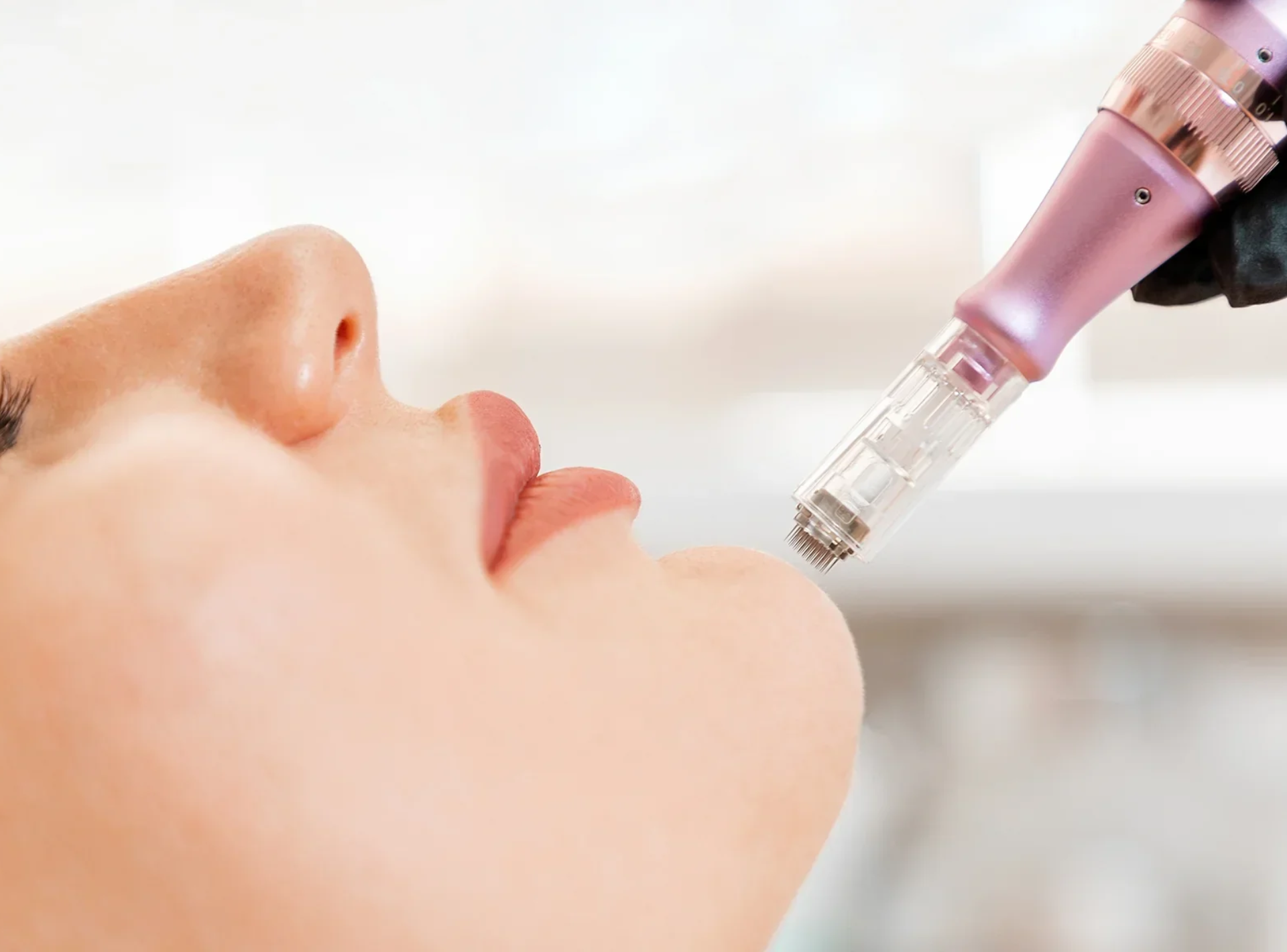
The most crucial choice you will make in your hair restoration process is not whether or not to pursue exosome therapy, but rather where to get it done. The truth is that your provider’s standards nearly completely determine the entire range of possible exosome side effects, from little scalp soreness to major issues like infection. Risks are greatly reduced by a skilled clinic that uses premium, lab-purified exosomes in a sterile setting. On the other hand, your health is at risk when an unlicensed professional uses unregulated items. With the help of this advice, you will be able to distinguish between a clinic that is professional and safe and one that should be avoided at all costs.
The caliber of the clinic you select has a direct bearing on the safety and efficacy of your exosome treatment. Your experience can be greatly impacted by a provider’s knowledge, the origin of their goods, and their dedication to sterile procedures. Understanding the entire spectrum of possible exosome hair loss side effects is crucial because many dangers can be reduced by choosing the correct expert. In addition to outlining the adverse effects, this guide will provide you with the information you need to properly screen a provider, ask the necessary questions, and recognize warning signs, all of which will help you have a successful and safe hair restoration procedure.
Exosomes Therapy In Dubai
Exosomes Therapy in Dubai is an advanced regenerative treatment that uses microscopic extracellular vesicles called exosomes to support tissue repair, cell communication, and natural healing processes within the body. In hair restoration and aesthetic treatments, exosomes are rich in growth factors, proteins, and regenerative signals that help stimulate weakened hair follicles, improve scalp health, and encourage healthier hair growth. The treatment is minimally invasive and commonly used for individuals experiencing hair thinning or early hair loss. During the procedure, the exosome solution is applied or injected into the targeted area to enhance cellular regeneration and improve overall treatment results.
Key Takeaways
- Exosomes Revitalize Existing Follicles: Compared to other regenerative therapies like PRP, this non-surgical treatment offers a potent, frequently one-session method by using a high concentration of biological signals to activate dormant hair follicles.
- Your Provider’s Standards Dictate Your Safety: Unqualified providers or subpar products provide the most hazards, such as illness or subpar outcomes. Examine your clinic by finding out about the source of the exosomes, their safety procedures, and the experience of the medical staff.
- Patience is Key to Seeing Results: Hair growth is a slow process, so noticeable changes won’t appear right away. Within three to six months following your treatment, you should reasonably anticipate seeing the first signs of improvement, including less shedding and new growth.
How Do Exosomes Work For Hair Loss?
You’ve probably encountered a variety of procedures if you’re looking into hair restoration possibilities. One of the most promising developments in regenerative medicine is exosome therapy, which provides a non-surgical method of treating cellular hair thinning and loss. This method seeks to boost your body’s natural healing and regeneration processes rather than just treating symptoms. It stimulates dormant hair follicles to resume their activity by sending potent biological signals straight to your scalp. Let’s examine the science underlying the operation of these little powerhouses and their potential benefits for your hair.
What Exactly Are Exosomes
Imagine your body as a busy, intricate city. A sophisticated communication network is necessary for everything to function properly. That network is called an exosome. Your cells release these tiny bubbles, or microscopic vesicles, to communicate with each other. When it comes to hair loss, we can use the signals that strong, regenerative cells send to tell your hair follicles to start working again. This procedure is essential to the field of regenerative medicine because it promotes healing and restoration from the inside without requiring intrusive surgery by utilizing the body’s own signaling systems.
The Scientific Makeup of Cellular Messengers
What, then, are these cellular messengers composed of? Almost all of your body’s cells release tiny sacs called exosomes, which serve as delivery vehicles. They transport vital “cargo” from one cell to another, including proteins, growth stimulants, and genetic material (RNA). This cargo includes particular instructions that may affect the behavior of the receiving cell. We employ exosomes made from powerful mesenchymal stem cells for hair repair. Their payload is full of signals that are known to stimulate dormant hair follicles, lessen scalp irritation, and motivate the cells to restart the hair development cycle, resulting in healthier, thicker hair.
How Exosomes Interact with Target Cells
The way exosomes carry out their instructions is what makes them magical. They can interact in several important ways with the cells in your scalp. First, an exosome can be fully absorbed by a target cell, releasing the growth-promoting cargo inside where it can begin to function. Second, an exosome can initiate a growth response without ever entering the cell by docking onto a receptor on its surface, functioning as a key in a lock. Lastly, it can virtually become one with the target cell by merging with its membrane. Exosome therapy is a potent tool for hair regeneration and other anti-aging treatments because of its capacity to communicate so accurately.
How Exosomes Communicate with Your Cells
Exosomes are microscopic messengers produced by your cells. In particular, mesenchymal stem cells (MSCs), which are renowned for their potent healing properties, are the source of the exosomes utilized in regenerative therapies. Growth hormones, proteins, and genetic information are among the vital cargo that these tiny vesicles contain. Their primary function is to transport these instructions across cells, enabling communication and initiating particular actions. Essentially, they don’t actually contain any cells; instead, they transfer the instructions for tissue regeneration and repair from a stem cell straight to a target cell that needs assistance. They are, therefore, an accurate and powerful healing instrument.
How Exosomes Trigger New Hair Growth
Reactivating dormant or slow-growing hair follicles is the aim when it comes to hair loss. Exosomes excel in this situation. A concentrated exosome solution is applied directly to the scalp regions where hair is thinning during a hair restoration procedure. After arriving, these messengers begin carrying growth factors to the follicle cells. The hair cycle’s active growth phase can be extended, sleeping follicles can be awakened, and miniaturized (shrunken) follicles can be encouraged to become robust and healthy again. Over time, your follicles are stimulated to work more youthfully, which generally results in noticeably thicker, denser hair.
Common Exosome Side Effects: What to Expect
It’s ideal to comprehend the whole picture, including any possible side effects, whenever you’re thinking about a new remedy. Fortunately, the most frequent adverse effects of exosome hair regeneration are usually modest, transient, and an indication that your body is reacting to the treatment. Consider them indicators of the start of the regenerative process. The majority of reactions are limited to the scalp because the treatment consists of a series of small injections. The body’s inflammatory and healing response naturally includes these effects. As you start your path toward fuller, healthier hair, knowing what to anticipate can help you feel prepared and confident. Let’s go over what to expect in the days and weeks after your surgery.
Tenderness and Discomfort At The Injection Site
Feeling some soreness or sensitivity where the exosomes were injected is quite normal. Like a little sunburn or muscle discomfort, your scalp may feel a bit sore. This soreness is usually quite tolerable and is a direct reaction to the micro-injections. For the majority of people, this sensation is fleeting and usually goes away in a few days to a week. It’s the initial stage of your body’s healing process and an indication that the potent growth factors are starting to function where they are most required.
A Normal Response: Swelling, Redness, and Bruising
After the procedure, you can also have some small bruising, redness, or swelling on your scalp. This is a typical inflammatory reaction, which is essential to your body’s tissue regeneration and healing processes. Where the injections were administered, your scalp may appear somewhat red and swell slightly, but this is a typical reaction that indicates your body is initiating its repair processes. These outward symptoms are
typically transient and should go away on their own in a few days as your scalp becomes calmer and continues to heal.
Is Hair Fall After Exosome Treatment Normal?
It may seem strange to see some extra hair fall out following a hair restoration procedure, but don’t be alarmed. This little shedding is frequently an indication that the therapy is effective. Your hair follicles may be stimulated to initiate a new growth phase by the exosome inflow. In order for new, stronger hairs to develop in their place, they must first push out the older, weaker hairs. A few weeks to several months may pass during this shedding period, but it is an essential and transient stage on the way to noticeable outcomes.
What Are the Long-Term Side Effects of Exosomes?
Although the majority of exosome therapy side effects are moderate and transient, it’s wise to be aware of the more serious, albeit far less prevalent, hazards. Making an informed choice regarding your health and hair restoration journey requires an understanding of these possible problems. Fortunately, the quality of the exosome product, the sterility of the clinical setting, and the credentials of the provider are all directly related to the great majority of these grave hazards. Because of this, choosing the best clinic is about more than simply obtaining amazing results; it’s also about making sure you’re safe. A trustworthy practitioner will take all necessary precautions to safeguard your health and will be open and honest about all possible consequences. They will perform the procedure in a sterile medical atmosphere, employ premium, appropriately sourced supplies, and carry out a comprehensive health examination. You can greatly lower the chance of encountering any major issues and feel secure in your treatment decision by giving top priority to a clinic with a solid reputation and good standards.
The Risk of Infection and How to Avoid It
There is a slight chance of infection with every skin-breaking operation, including injections. However, if the medication is administered properly, this risk is quite minimal. Inadequate technique or a non-sterile setting are usually the causes of an injection site infection. In order to prevent bacteria from penetrating the skin, a trained medical practitioner will adhere to stringent procedures, utilizing sterile equipment and thoroughly cleaning the treatment area. Any clinic should provide this as a routine component of medical care. At Perfect Doctors Clinic, we conduct all of our operations in a sterile clinical environment to guarantee that your safety is our first concern throughout the whole process.
Allergic Reactions: What You Need to Know
Exosome therapy may cause an allergic reaction, although this is quite uncommon. The introduced elements may cause your body’s immune system to respond, which could result in symptoms like rash, itching, or more than normal localized swelling. A thorough medical history evaluation is therefore an essential first step. To ascertain whether you are a suitable candidate for the therapy, we look over your medical history and any known allergies at your initial visit. By identifying and managing any potential sensitivities, our meticulous screening process helps us make sure the operation is as safe as possible for you.
Why Unregulated Treatments Pose a Long-Term Risk
Not all therapies are made equal because exosome therapy is a cutting-edge science. The exosomes’ origin and quality are crucial. Unregulated treatments carry dangers, such as the use of tainted or inadequately prepared goods that are hazardous or ineffective. Selecting a service that uses lab-purified, ethically sourced exosomes from a reliable source is crucial because long-term data is still being developed. To provide you peace of mind about what’s being utilized in your body, we are dedicated to using only the best umbilical cord-derived mesenchymal stem cell exosomes that follow stringent safety and processing guidelines.
Potential for Granulomas or Skin Necrosis
More severe side effects, such as granulomas or skin necrosis, are relatively uncommon. A granuloma is a tiny collection of immune cells that develops when the body attempts to block out something it perceives as alien. Tissue death, or skin necrosis, can occur when an area’s blood supply is cut off. These dangers are nearly always related to the product’s quality or the injector’s level of expertise. A low-quality product could cause a severe inflammatory reaction, or an untrained provider could employ an incorrect method. For this reason, only a licensed medical practitioner who is familiar with the structure of the scalp and follows the strictest safety guidelines may give your therapy.
The “Dark Side”: How Exosomes Can Spread Disease
It’s critical to realize that exosomes are cellular messengers that carry out the instructions that their source cell gives them. Exosomes can contain signals that cause disease if they originate from bad cells, such as malignant ones, according to research. The source of the substance utilized in your treatment cannot be negotiated because of this “dark side” of exosomes. Only exosomes from well-checked, healthy sources—such as umbilical cord tissue from full-term, healthy births—are used by reputable clinics. This thorough screening guarantees that the exosomes convey signals for healing and regeneration rather than damage. When contrasting Dubai-based medicines with unregulated alternatives, this distinction is crucial.
How Do Exosomes Compare to Other Hair Loss Treatments?
It’s simple to become overwhelmed by the variety of hair restoration choices. Every option, from surgery to regenerative therapies, has advantages and disadvantages of its own. Making a decision that feels appropriate for you requires knowing how exosome therapy compares to other well-liked techniques like PRP and hair transplants. Your goals, the type of hair loss you have, and how comfortable you are with various procedures will all determine the best course of action. Are you trying to stimulate your current follicles without surgery? Or are you looking for a long-term fix for more severe hair loss? You can balance the benefits and drawbacks by considering these questions. To understand how this novel treatment fits within the field of hair restoration, let’s examine how exosomes stack up against two of the most popular substitutes.
Exosomes or PRP: Which Is Right for You?
The use of platelets from your own blood to promote hair growth is known as platelet-rich plasma (PRP) therapy. Exosome therapy frequently produces faster and more potent outcomes, even though both are regenerative treatments. The treatment plan and the focus of healing signals are the primary differences. For PRP therapy to show noticeable results, numerous sessions spread over several months are usually necessary. Exosome therapy, on the other hand, is typically a single treatment. This is due to the fact that exosomes contain a far larger quantity of proteins and growth factors that directly cause your hair follicles to become active. Exosomes frequently have the advantage for individuals looking for effectiveness and powerful results, but some study even suggests that combining the two therapies can yield superior results than PRP alone.
Exosomes or a Hair Transplant: What’s the Difference?
Exosome treatment and hair transplants are similar to exercise regimens and cosmetic procedures in that they both strive for betterment, but their methods are essentially different. A non-surgical procedure called exosome therapy is intended to activate and revitalize dormant hair follicles. It’s a great choice for those who wish to avoid surgery but are experiencing thinning or early-stage hair loss. In contrast, a hair transplant is a medical treatment that transfers healthy hair follicles to a balding area of your head. At the moment, it’s the only long-term remedy for hair loss. Exosome therapy, however, is not a long-term solution; its effects typically last six to twelve months, necessitating more treatments to sustain your outcomes. Here, the decision is based on your preference for either a permanent, surgical technique or a minimally invasive, regenerative one.
What’s the Downtime for Each Treatment?
Exosome treatment is particularly convenient in terms of downtime. You can usually resume your regular activities immediately following the injections, though you may have some moderate and transient side effects, including slight bruising, swelling, or scalp discomfort. When carried out in a sterile, professional setting, the healing process is easy to understand and has very little chance of difficulties. This is in sharp contrast to a hair transplant, which requires more time to heal. Because it’s a surgical procedure, you’ll need to deal with scabbing and swelling for at least a week while you heal. Although the recuperation profile of PRP is comparable to that of exosomes, you will need to schedule that little rest more frequently due to the requirement for repeated treatments. Exosome therapy is a potent treatment that little interferes with your life after recovery.
Your Exosome Treatment: What to Expect
Deciding to proceed with a new course of therapy may seem like a significant step, but being aware of what lies ahead can greatly ease the process. For hair loss, exosome treatment is a simple process with a comparatively easy recovery. Knowing the timeline aids in preparation and enables you to concentrate on the outcomes from the time you sit in the chair until the weeks after your session. We’ll go over the injection procedure, what to anticipate during your recuperation, and how to distinguish between a potential problem and regular healing.
The Injection Process and What You’ll Feel
The actual exosome treatment is made to be as comfortable as possible. To ensure you don’t experience any pain during the injections, your doctor will first numb your scalp with a local anesthetic. There may be some pressure, but not much. The exosome solution, which contains potent growth hormones and proteins from mesenchymal stem cells, is carefully injected into the parts of your hair that are thinning once the area has become numb. Hair restoration is a convenient alternative for hectic schedules because the entire operation is usually rapid, and you may resume your day immediately after.
Your Week-by-Week Recovery Guide
It’s common to have a few minor, transient adverse effects following your treatment while your scalp heals. You may experience some redness, slight swelling, or soreness at the injection sites during the first several days. This is a typical reaction that typically goes away on its own in 2 to 3 days. A few weeks following the treatment, some patients also go through a temporary period of hair loss. This may sound concerning, but it’s usually a sign that your hair follicles are reacting to the treatment and allowing new, healthier hair to grow in their place.
How To Tell Normal Healing From A Potential Problem
Even if the majority of side effects are minor, it’s crucial to be aware of what to watch for in the event of an issue. Redness and sensitivity are common during healing, but they eventually go away. However, you should contact your provider if you observe any symptoms of pus or if the redness or swelling is growing worse rather than better, as these could indicate an infection. Although they are extremely uncommon, allergic reactions can occur. To be safe, you should always get in touch with your doctor as soon as you have any concerns, such as hives or a rash.
Beyond Hair Loss: Other Applications of Exosome Therapy
Although we’re concentrating on how exosomes might revive your hair, it’s important to remember that their potential extends well beyond the scalp. Researchers are investigating the use of this technology, which is at the forefront of regenerative medicine, for a variety of health and wellness applications. Exosomes have the potential to treat problems with inflammation, tissue healing, and cellular aging since they are such efficient cell-to-cell messengers. When used by medical professionals, they are a flexible tool since they can provide specific directions for recovery. You may get a better idea of how effective this therapy is and why it’s such an exciting advancement in contemporary health by comprehending its wider uses.
Joint and Tissue Regeneration
Repairing and repairing damaged tissues is one of the most promising applications of exosome treatment. Mesenchymal stem cell-derived exosomes are rich in growth factors and anti-inflammatory signals that can reduce inflammation and promote cartilage, muscle, and joint repair. This provides a non-surgical route to recovery for people recovering from sports injuries or coping with the daily grind of persistent joint discomfort. Exosomes are an appealing choice for people looking to increase mobility and find long-lasting relief from chronic pain because they can boost the body’s natural ability to mend itself by delivering these potent regenerative instructions straight to the site of injury.
Potential for Disease Diagnostics
Exosomes are becoming recognized as a potent diagnostic tool in addition to their therapeutic use. Consider them as little images of cellular well-being. Exosomes detected in physiological fluids can be analyzed by scientists to search for particular biomarkers, or signals, of disease since they carry molecular information from their cell of origin. This could result in the early and less intrusive diagnosis of complicated illnesses like cancer or neurological disorders. Even though this field of study is still in its infancy, it demonstrates the remarkable complexity of exosomes and emphasizes their significance for the development of individualized, scientifically supported therapy in the future.
Important Considerations Before Treatment
The most crucial action you can take is to make an informed decision on your health. It’s crucial to fully comprehend the exosome therapy process, including the cost and any post-treatment instructions, before proceeding. During your appointment, a respectable clinic will always be open and honest about these specifics, giving you confidence and preparation. These pragmatic factors are crucial to the process and are equally significant to the treatment’s underlying science. Open communication about them helps establish reasonable expectations and guarantees a seamless, secure, and satisfying experience from beginning to end.
Understanding the Cost of Exosome Therapy
Exosome therapy should be seen as an investment in your long-term health and well-being. It is usually not covered by health insurance because it is seen as a sophisticated regenerative treatment. From the intricate, multi-step purification procedure in the lab to the ethical sourcing of resources like umbilical cord-derived stem cells, the cost reflects the extremely high standards needed to produce a safe and functional product. This dedication to excellence guarantees that you will receive a powerful treatment devoid of impurities. We can go over the precise expenses and explain the benefits of this state-of-the-art treatment during your appointment.
Post-Treatment Restrictions: Blood Donation
One crucial rule to remember is that you will probably not be able to donate blood in the future following exosome therapy. In the realm of regenerative medicine, this is a common safety measure. This ban is in place to safeguard the country’s blood supply from any hypothetical, as-yet-unknown infections that existing screening techniques might not be able to detect because exosomes are biological elements originating from a donor source. The industry’s rigorous safety requirements are reflected in this preventive step. Making an informed choice regarding your treatment plan requires being aware of this constraint in advance.
Who Should Not Get Exosome Hair Therapy?
Although exosome therapy is a minimally invasive and promising alternative for many individuals with hair thinning, not everyone is a good candidate for it. A comprehensive consultation is an essential first step because your safety and outcomes are your top objectives. The safety and efficacy of the treatment may be impacted by specific conditions, life stages, and health considerations. You can make an informed choice and set reasonable expectations for your hair restoration journey by being aware of these contraindications. It’s crucial to have an honest discussion about your entire medical history with your clinician prior to beginning any regenerative surgery. This is more than just a formality; it’s an essential component of developing a customized treatment plan that fits the particular requirements of your body. If you come into any of the following categories, you won’t necessarily be unable to receive the therapy, but you will need to have a more thorough conversation with a medical expert in order to assess the possible risks and advantages. At Perfect Doctors Clinic, we want to make sure you are a perfect candidate who can safely get the best results.
Why Certain Health Conditions Are a Factor
Your body’s reaction to regenerative treatments is heavily influenced by your general health. Although exosome therapy is usually seen to be quite safe, you should proceed with caution if you have some major medical disorders, especially those that impact your immune system. Careful consideration is necessary for conditions such as blood problems, autoimmune illnesses, and aggressive malignancies. Your outcomes may be limited if your immune system is weakened, since it may not react to the signaling molecules in exosomes as well. We always advise talking to your primary care physician about any regenerative medicine treatments to be sure they are safe for your particular health profile. We can safeguard your health by being completely open about your medical history.
Who Should Wait: Pregnancy, Breastfeeding, and Medications
Pregnant or nursing women are generally not advised to undergo elective cosmetic or regenerative procedures. It’s advised to put off considering exosome therapy for hair loss until after you’ve finished breastfeeding because its safety has not been investigated in these populations. We take this usual precaution to protect your child’s health as well as your own. Furthermore, some drugs may impede the course of treatment or raise the possibility of adverse effects. For instance, you should talk to your doctor about taking immunosuppressive medications or blood thinners. An essential part of the consultation process is a thorough examination of all the drugs and supplements you currently take.
Does Your Age or Immune Health Matter?
When administered in the early phases of hair thinning, exosome treatment usually produces the most obvious outcomes. Although there isn’t a set age limit, the efficacy can be connected to your body’s inherent capacity for regeneration and repair. Our cellular reaction may weaken as we age, which could affect the result. In a similar vein, a healthy immune system is better able to react to the exosomes’ regenerative impulses. You might not get the same degree of recovery if your immune system is weakened by a disease or medication. Setting reasonable goals for your hair restoration journey is crucial, but it does not exclude you as a candidate.
BOOK AN APPOINTMENT TODAY
Managing Side Effects: Your Post-Treatment Care Plan
To get the most out of your exosome therapy, proper aftercare is just as crucial as the treatment itself. Even if side effects are usually mild and transient, understanding how to take care of your scalp and what to look out for can guarantee a quick and stress-free recovery. As your hair starts a new growth cycle, following a straightforward strategy can significantly improve your healing process and boost your self-confidence.
Your Aftercare Plan for a Smooth Recovery
Consider the initial days following your procedure as a period of rest and healing for your scalp. Avoiding direct sunlight and engaging in strenuous physical activities that result in excessive perspiration are recommended. This lowers the possibility of discomfort and allows the micro-injection sites to shut. Steer clear of harsh hair products, chemicals, and heavy styling to treat your scalp gently. Applying a cold compress for brief periods of time will help if you have any minor swelling. You will receive a comprehensive aftercare guide from our team at Perfect Doctors Clinic, which may contain instructions or particular lotions based on your hair restoration strategy.
Red Flags: When to Seek Medical Attention
Even though major issues are quite uncommon, it’s crucial to be aware of what to look out for. Increased redness, substantial swelling, fever, or pus could be signs of an infection at the treatment site. You should get in touch with your healthcare physician immediately if you see any of these symptoms. Similar to this, even though they are rare, allergic reactions need to be treated right away. Keep an eye out for symptoms like hives, breathing difficulties, or facial, lip, or throat swelling. We put your safety first, so don’t be afraid to get in touch with us if you have any questions while you’re recovering.
Simple Ways to Support Your Recovery
It’s simple to support your body’s healing process. For the first week, stay gentle with your scalp by using moderate shampoos and refraining from vigorous washing or styling. Over-the-counter painkillers are typically adequate if you experience any tenderness, but it’s always a good idea to check with your doctor. Attending your follow-up appointments is one of the most important aspects of your recovery. During these visits, we are able to keep an eye on your development, address any queries you may have, and ensure that you are on course to achieve outstanding outcomes. Our FAQs site contains answers to frequently asked issues after treatment.
Is Exosome Therapy Regulated? What You Need to Know
It’s wise to be aware of the laws and guidelines that are in place to safeguard you when you’re thinking about a cutting-edge treatment like exosome therapy. The regulatory environment is changing in tandem with the rapid advancement of the area of regenerative medicine. You can choose a provider who prioritizes your safety by being aware of what to look for. Because the source and quality of exosomes might differ greatly between clinics, this is particularly crucial. A respectable clinic will be open about the standards they adhere to and the sources of their products. Perfect Doctors Clinic only uses perinatal tissue products from an FDA-registered lab, such as exosomes and umbilical cord-derived mesenchymal stem cells (MSCs). This guarantees that our therapies follow the strictest safety and quality guidelines in the US. To feel secure in your hair restoration process, you must comprehend the oversight, sourcing, and safety precautions.
What Is the FDA’s Stance on Exosome Therapy?
To be clear, the FDA has not yet approved exosome therapy as a treatment for hair loss. This does not, however, imply that the technology is intrinsically dangerous. The FDA has issued warnings, but they usually target clinics that use unapproved goods or have subpar manufacturing and quality control practices. Patient safety is the agency’s top priority, which is why it’s critical to differentiate between doctors who take shortcuts and those who adhere to strict regulations. This is one of the main reasons it’s so important to comprehend the differences between stem cell therapies in the USA and other countries. A degree of safety and quality assurance that may not be found elsewhere is provided by clinics that operate in the United States under stringent laboratory requirements. Your provider should be able to provide a detailed explanation of how they adhere to FDA regulations regarding tissue-based products.
Why the Source of Exosomes Matters
Exosomes are not all made equal, and their origin greatly affects their efficacy and quality. Stem cells, which can be obtained from many organs such as bone marrow or umbilical cords, are the source of exosomes. Exosomes made from umbilical cord mesenchymal stem cells are used at Perfect Doctors Clinic. These have strong regeneration signaling properties and are obtained from donated umbilical cords following healthy, full-term babies. Because it dictates the “message” that the exosomes convey, the source is crucial. Growth factors found in exosomes from youthful, healthy cells are perfect for activating dormant hair follicles. Another non-negotiable stage is thorough screening of the donated tissue. This guarantees that the finished product is potent, pure, and contaminant-free, all of which are essential for a safe and efficient treatment.
How Regulation Ensures Your Safety
Strict protocols and appropriate supervision are what separate a risky treatment from a safe one. A reliable clinic uses only sterile, regulated, and lab-tested exosome goods and operates in total transparency. This procedure starts with the ethical procurement of donor tissue and proceeds through all stages of processing and purification in a laboratory that complies with FDA regulations. This methodical technique guarantees that you obtain a consistent, high-quality product while reducing the possibility of negative responses. Consider it your health’s quality-control checklist. Sterile processing avoids contamination, and stringent screening procedures guarantee that the donor tissue is disease-free. A great provider will provide you with straightforward answers to your safety-related inquiries. Our FAQs site has further information about our procedures and dedication to safety.
The Challenge of Standardization in a New Field
The industry is still developing consistent standards because exosome treatment is such a cutting-edge technology. This implies that a treatment’s quality and safety can differ significantly between clinics. There isn’t a standard methodology that all providers adhere to, unlike more established practices, which results in a situation where not all treatments are created equal. You, the patient, have a greater obligation to thoroughly screen your provider as a result of this lack of consistency. A trustworthy clinic will be totally open about their procedures, where their supplies come from, and the safety precautions they take to safeguard your health and guarantee the finest outcomes from your hair restoration procedure.
Certain unregulated therapies are risky because of this variability. Poor quality items can be contaminated, ineffective, or inadequately produced, which can result in subpar results or, in the worst situations, safety problems, including infection. For this reason, selecting a supplier who places a high priority on quality control cannot be compromised. You should feel comfortable inquiring about the origin and processing of their exosomes. Perfect Doctors Clinic is dedicated to the highest standards, utilizing only lab-purified, ethically obtained exosomes that follow stringent safety guidelines. The secret to a successful and safe regenerative medicine journey is knowing the difference between a clinic that satisfies these requirements and one that doesn’t.
How to Find a Safe Provider and Minimize Risks
The most crucial thing you can do to guarantee a safe and successful course of treatment is to choose the appropriate clinic for exosome therapy. The quality, standards, and experience of suppliers can differ greatly because this is a cutting-edge sector. It’s crucial to do your homework and select a team that places a high priority on safety, openness, and protocols supported by science because your health is at stake. A respectable clinic will have a thorough understanding of regenerative medicine, maintain a hygienic atmosphere, and use high-quality, appropriately procured supplies. Consider this procedure as a collaborative effort. You want a healthcare professional who pays attention to your worries, carefully examines your medical history, and establishes reasonable expectations. The appropriate team will be transparent about their methods, the origin of their exosomes, and their compliance with safety regulations. The best method to safeguard yourself from potential risks like illness or inefficient therapies is to take the time to thoroughly screen your provider. This will also increase your chances of getting the desired outcomes. You may find a reliable clinic and feel secure in your choice by following these steps.
What Credentials and Experience Should Your Provider Have?
Start with the fundamentals when assessing a clinic: who will administer your treatment? Always seek out a certified healthcare practitioner with a wealth of regenerative medicine expertise. Never be afraid to inquire about their specialized training and the number of exosome treatment procedures they have completed. You can learn a lot from a clinic’s emphasis and history. Seek out a practice with a team of professionals committed to regenerative therapy. This information is frequently available on their website, which should provide a clear description of the qualifications of their medical staff. Examining patient testimonials can also give important information about the quality of care and outcomes.
Key Questions to Ask Before Committing
You have the chance to interview a possible provider during your session. To make sure you have all the information you require, develop a list of questions in advance. First, find out where the exosomes come from. How are they prepared and examined for safety and purity? Answers from an excellent provider will be straightforward and unambiguous. Additionally, you should ask them to guide you through every step of the treatment protocol, including the injection procedure and the strategy for aftercare. A customized approach is essential, so make sure they thoroughly assess your medical history and pattern of hair loss to determine whether you are a suitable candidate. A clinic’s FAQ page can be a fantastic resource for further answers to frequently asked issues.
Red Flags to Watch Out For in a Clinic
Knowing what to avoid is just as crucial as knowing what to look for. Because biology is complicated and results might differ, be wary of any clinic that makes lofty claims or promises particular outcomes. Lack of transparency is a serious red flag. It’s important to leave a supplier if they can’t produce documentation of their safety requirements or are evasive regarding the source of their exosomes. Warning indicators also include “limited-time offers” or high-pressure sales techniques that force you to make a decision. Lastly, be cautious of clinics that don’t follow explicit regulations. Because Dubai stem cell treatments are subject to more stringent regulation, selecting a Dubai source that follows tight criteria is essential to assuring your safety.
What Results Can You Realistically Expect?
It’s simple to become engrossed in the thrill of before-and-after pictures when contemplating a new procedure. Having an accurate and transparent picture of the path is equally crucial. Exosome therapy is a fantastic development, but if you want to feel secure in your choice, you must set reasonable expectations. Let’s discuss what you can actually expect in terms of outcomes, deadlines, and the whole experience.
Separating Marketing Hype from Reality
One of the most promising methods for hair restoration is exosome therapy. Research indicates that it may be more successful than PRP or other non-surgical alternatives. It’s not a miracle that works for everyone, either. Your age, general health, and the reason for your hair loss will all affect your specific outcome. Exosome therapy aims to improve the function of your current hair follicles, promoting the growth of thicker, healthier hair. Because it concentrates on reviving dormant follicles rather than generating new ones, it works best for people with thinning hair or early-stage hair loss.
When Will You See Results? A Realistic Timeline
When it comes to hair development, patience is essential. The exosomes start signaling your hair follicles right away after your treatment, although it takes some time to notice the changes in the mirror. Within three to six months, the majority of people start to see early changes, including less shedding and the first indications of new growth. As the follicles get stronger over numerous sessions, the most noticeable effects frequently show up. Consider it like planting a garden: with proper care, development occurs gradually over time, although sprouts won’t appear immediately.
A Reminder: No Treatment Is 100% Risk-Free
Even though exosome therapy is thought to be extremely safe, there is always some risk involved. The most frequent adverse effects are modest and transient, and they are associated with the injections themselves. For example, you may experience little swelling, bruising, or scalp discomfort for a day or two. It’s also critical to understand that not everyone will experience the same outcomes. Results can differ because this therapy works with the particular biology of your body. This is why it’s so important to have a full consultation in advance. It enables us to evaluate your circumstances and provide you with an honest assessment of what this treatment can accomplish for you.
Advantages Of Exosomes Therapy You Should Know
Exosomes therapy offers advanced regenerative benefits for individuals experiencing hair thinning, weak hair follicles, or reduced hair density. The treatment uses powerful growth factors and proteins that help stimulate healthier hair growth and improve scalp condition naturally. At Perfect Doctors Clinic, exosomes therapy is performed using advanced techniques designed to support stronger, thicker, and healthier-looking hair. Many patients choose this treatment because it is minimally invasive, requires little downtime, and promotes natural hair rejuvenation without undergoing surgery.
Why Exosomes Therapy Is The Best Solution
Exosomes therapy is considered one of the best solutions for supporting hair restoration because it focuses on repairing and rejuvenating weakened hair follicles at a cellular level. The treatment helps encourage natural hair growth while improving scalp health and hair quality over time. At Perfect Doctors Clinic, patients receive personalized exosomes therapy plans tailored to their specific hair concerns and goals. The procedure is ideal for individuals seeking effective, non-surgical hair restoration with minimal discomfort and natural-looking improvements.
How Exosomes Therapy Restores Confidence And Appearance
Exosomes therapy restores confidence and appearance by helping individuals achieve fuller, healthier, and thicker-looking hair. Hair thinning and hair loss can often affect self-esteem and overall appearance, making patients feel less confident in social and professional settings. At Perfect Doctors Clinic, exosomes therapy is carefully designed to support natural hair rejuvenation and improve overall hair density. As hair quality improves and thinning areas become less noticeable, many patients experience renewed confidence, improved appearance, and greater satisfaction with their overall look.
MEET THE EXPERT DOCTOR
Frequently Asked Questions
How Is Exosome Therapy Different From Stem Cell Therapy?
Given how closely related the two are, this is an excellent question. Consider it this way: exosomes are the power lines that carry the energy, and stem cells are the power plants. The small, cell-free messengers that stem cells produce are used in exosome treatment. Your hair follicles get instructions from these messengers, which are packed with proteins and growth factors. It’s a really accurate method of delivering regeneration signals without putting complete cells into your body because the treatment is cell-free.
How Long Do The Results From Exosome Hair Therapy Last?
Exosome therapy is not a long-term solution to hair loss, but it is intended to stimulate your current hair follicles. For six to twelve months, most people are satisfied with their outcomes. You’ll probably require follow-up treatments to keep your hair healthy and thick. We can design a long-term strategy that suits you and guarantees that your hair will continue to receive the nourishment it requires to flourish.
Will The Injections Hurt?
We strive to make the process as painless as possible because your comfort is our first priority. We totally numb your scalp with a local anesthetic before we start. You shouldn’t have any severe discomfort during the injections; you may feel some pressure. Usually, the entire procedure is quite easy to handle and quick.
How Many Sessions Will I Need To See Results?
The effectiveness of exosome therapy is one of its main benefits. Exosome therapy is usually a one-time procedure, in contrast to other therapies like PRP that frequently call for multiple sessions. The exosomes begin messaging your follicles after just one session. You won’t need to schedule several meetings to begin the process, but patience is essential—visible improvements often show up in three to six months.
Who Is The Ideal Candidate For This Treatment?
People who are experiencing hair loss or thinning in the early stages benefit most from exosome therapy. The treatment is ideal for people who wish to increase the density and health of their hair without undergoing surgery because it is intended to awaken dormant or sluggish hair follicles. A different strategy, such as a hair transplant, might be more appropriate if you have large patches of chronic baldness where the follicles are no longer viable. The best approach to find out if it’s a good fit for your particular objectives is to have a consultation.
Best Aesthetic Clinic In Dubai For Exosomes Therapy
Best Aesthetic Clinic in Dubai for Exosomes therapy offers innovative regenerative treatments designed to support healthier hair growth, improve scalp condition, and restore hair density naturally. Perfect Doctors Clinic is recognized for providing personalized exosomes therapy treatments using advanced regenerative technology and modern aesthetic techniques for safe and effective results. At Perfect Doctors Clinic, each treatment plan is customized according to the patient’s level of hair thinning, scalp health, and restoration goals. Exosomes therapy works by delivering growth factors and regenerative signals that help revitalize weakened hair follicles and encourage stronger, thicker hair growth.