





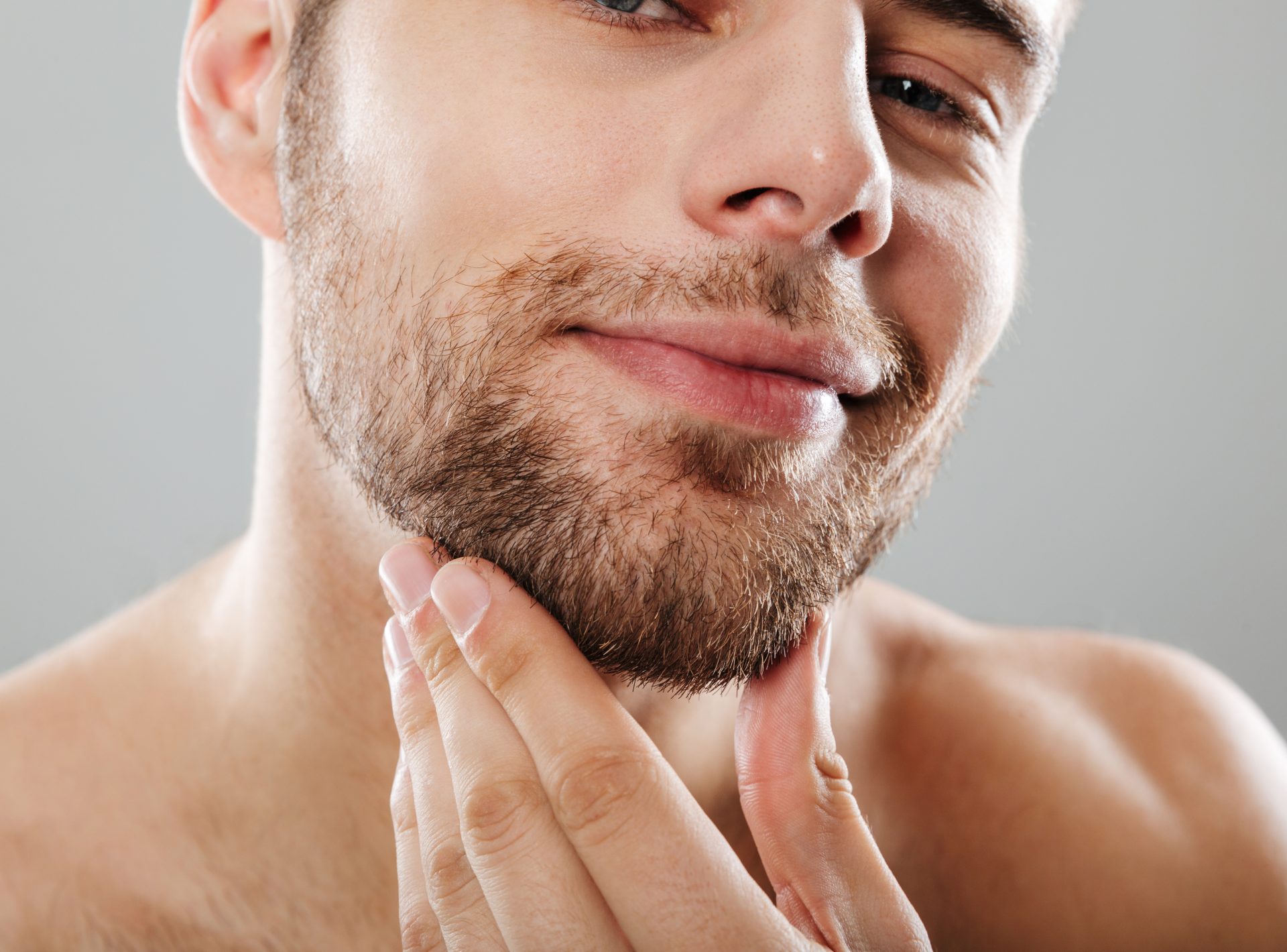
A man’s confidence is boosted by a thick, full beard, but not everyone has enough facial hair. Men who have trouble growing a beard are increasingly turning to beard restoration or beard hair transplants. To guarantee natural-looking results and drastically lower the risks and complications associated with beard transplantation, men should select a skilled board-certified cosmetic plastic surgeon.
Beard Transplant In Dubai
Beard Transplant in Dubai is for men who want to achieve fuller, thicker, and more defined facial hair. The process entails moving healthy hair follicles typically from the scalp to regions of the beard that have uneven, patchy, or sparse hair growth. The goal of contemporary beard transplant methods is to minimize visible scarring and recovery time while achieving natural-looking density and facial harmony. Even though beard transplant surgery is usually regarded as safe when carried out by qualified professionals; patients should still be aware of the possible risks and adverse effects prior to the procedure. Redness, swelling, tenderness, and the development of tiny scabs around the transplanted grafts during the early recuperation phase are the most frequent side effects following beard transplant surgery. As the skin heals, patients may also experience mild discomfort, tightness, or itching in both the donor and recipient areas. Transplanted hairs frequently shed temporarily in the weeks after surgery; this is typically a normal part of the hair growth cycle before new, permanent growth starts. With the right aftercare and expert advice, these effects are usually transient and gradually get better. Serious complications are rare, but if the procedure is not done carefully or recovery instructions are not followed correctly, risks like infection, uneven beard growth, ingrown hairs, visible scarring, or poor graft survival may occur. Reducing complications and promoting healthy hair growth requires selecting a skilled surgeon, practicing good hygiene, and adhering to post-operative care guidelines.
What Is A Beard Transplant?
For patients who are unable to grow facial hair naturally, a beard hair transplant in Dubai can create a full beard or fill in a patchy beard. Hair follicles from a donor zone—typically the back of the head—are removed by the surgeon. Either the Follicular Unit Extraction Dubai (FUE) or FUT (Follicular Unit Transplantation) transplant procedure is used to move the donor follicles to the beard and mustache area, at the doctor’s discretion.
Beard restoration carries very little risk, and complications are uncommon. An outpatient cosmetic procedure like beard restoration usually causes very little pain and swelling. However, less frequent issues with beard transplants include pain, excessive swelling, bruising, localized redness, infection, and scarring.
Are There Actual Beard Transplant Risks?
Any cosmetic procedure, such as a beard or facial hair transplant, carries some risk. Nonetheless, a talented and creative hair transplant physician offers exceptional outcomes with much lower risks of infection and complications. For the majority of patients, the advantages of beard transfer greatly exceed the minimal surgical risks when carried out by a skilled physician.
Beard restoration and facial hair transplants carry the same risks as other hair transplant procedures. After surgery, discomfort rarely lasts more than a few days, and there is very little chance of complications. The majority of men who undergo beard transplant surgery can resume their jobs soon after.
Beard Transplant Risks
- Injuries
- Swelling
- Anguish
- Redness
- Leaving scars
- An infection
- Damage to the nerves
- Poor outcomes
- Loss of hair
- Pitting
- Folliculitis
Facial Hair Transplant Aftercare Instructions
Both the harvest area and the recipient area need special attention following hair transplant surgery to treat thin or patchy hair. To avoid infection or folliculitis, the patient must maintain hygienic conditions at both locations. Before surgery, the doctor will assess the patient’s lifestyle and provide individualized home care instructions and supplies, such as antibiotic ointment for the face and scalp.
Until your surgeon certifies that you are completely recovered from your procedure, refrain from doing the following:
- Smoking
- Exposure to direct sunlight
- Using the hot tub or pool
- Physically demanding activities or exercises
- Activities that cause perspiration
- Touching, rubbing, or scratching the implants
- Touching, rubbing, or scratching the harvested area
Facial Hair Restoration Temporary Side Effects
The skin on the face will continue to be sensitive and itchy for a few days following the procedure. Avoid picking at the scabs and touching the area, as this can lead to irritation, infection, and inflammation. The side effects listed below are usually transient and last for a few days:
- Redness
- Swelling
- Tightness
- numbness
- Crusting or scabs
While the FUT procedure leaves a long, horizontal scar in the donor area, the FUE hair transplant technique leaves tiny, typically undetectable scars. The donor area usually has mild scarring, but it is hidden by the patient’s natural hair. For each patient, the doctor selects the best course of action.
While temporary scabs, crusting, redness, and swelling are expected during the initial recovery, the implant recipient areas should not show any visible scarring. If the symptoms worsen or persist for more than two weeks, the patient should get in touch with their surgeon.
Risk of Infection After Beard Restoration
When a board-certified facial hair restoration surgeon performs the procedure, the risk of infection has been greatly decreased thanks to advancements in beard restoration. According to the surgeon, appropriate aftercare offers great outcomes while safeguarding the donor site and the graft area.
Severe infections have the potential to negatively affect a person’s health, cause hair loss in previously unaffected areas, and drastically lower the success of a beard transplant. Unsanitary conditions at the donor or graft site are the main source of infection. Although there is very little chance of infection, serious infections can ruin a beard’s appearance and may require additional restoration surgery to fix the affected areas.
Tips for Avoiding Infection After Beard Transplant
- Keep your hands away from the donor and graft areas.
- Avoid picking or removing scabs near the donor area.
- To maintain a clean scalp, adhere to the doctor’s post-operative care instructions.
- Attend every follow-up appointment.
- Steer clear of alcohol, tobacco products, and smoking while recovering.
Signs of infection After Beard Restoration
Following a beard transplant, the initial indications of an infection are:
- Prolonged bleeding
- Severe redness
- Uncomfortable
- Swelling
- The feeling of burning
After a week, these side effects would progressively worsen rather than improve during an active infection.
Steps to Take During Active Infection
Without treatment, infection symptoms will worsen over time. Treatment is essential, and the patient should have the condition treated right away, according to Perfect Doctors Clinic. If the patient experiences unusual discomfort, redness, swelling, excessive bleeding, or burning sensations in their scalp following the hair restoration procedure, they should speak with their surgeon directly.
Preparation Reduces Risk of Infection
Risk reduction requires careful planning and preparation. To help prevent infection and promote the best possible outcome following a FUT or FUE beard transplant, the surgeon conducts a thorough examination and gives the patient pre-op and post-op instructions prior to the procedure. To lower the risk of infection and complications following the procedure, read the doctor’s instructions for at-home care and get ready.
Folliculitis: Infection of Hair Follicles
A rare risk connected to beard transplants is folliculitis, an infection of the hair follicle. Usually, this problem goes away on its own, but sometimes medicine is needed. To avoid folliculitis, which manifests as follows, you must adhere to all of your surgeon’s aftercare instructions:
- Red skin
- Tiny red lumps
- Sores with crusts
- Sores filled with pus
- Skin inflammation
- Itching
- Burning
- Sensitivity
- Bumps that hurt
The crucial first step is to get in touch with the hair transplant surgeon if a patient has any of the symptoms mentioned above in the treatment area. The doctor will recommend an antibiotic cream, an oral antibiotic, or an antifungal treatment based on the symptoms and type of folliculitis (bacterial, viral, or fungal).
The risk of complications, such as folliculitis, is significantly decreased when the procedure is performed by a board-certified plastic surgeon who specializes in beard transplants. Early intervention lowers the chance of transplanted hair damage and scarring.
Botched Beard Restorations
Hollywood celebrities like Tom Hardy, David Beckham, and George Clooney proudly sport full beards. For the past 25 years, the popularity of having a full beard has increased steadily. Although 51% of men have patchy growth and some are unable to grow more than stubble, the beard trend is here to stay.
Men who have always wanted a beard can finally achieve their dreams with progressive FUE beard transplants. Although there is little chance of a botched beard restoration, some patients have had terrible transplants that cost a lot of money, time, and agony to repair. In order to obtain inexpensive beard transplants, some marketing firms encourage men to travel abroad to Dubai and other places.
Men who visit unreliable facilities in Dubai and overseas report folliculitis, acne, hair loss, pitting in their beards, and scarring in the donor area. Men who don’t investigate their surgeon run the risk of falling victim to scams and risky hair-transplant procedures. Be wary of unlicensed clinics and inexperienced hair transplant physicians worldwide.
Reducing Risks: Find a Qualified Beard Transplant Specialist
Selecting a board-certified, qualified plastic surgeon to carry out the procedure will greatly lower the likelihood of uncommon complications, and a competent surgeon can produce results that look the most natural. Selecting a transplant physician involves more than just comparing costs. Choosing a hair restoration surgeon who regularly receives great feedback from pleased clients and employs cutting-edge technology, like the FUE technique, is also crucial.
Reversing laser hair removal or treating naturally thin hair can help men grow a beard, get a goatee, hide facial scars with sideburns, repair a cleft lip, or heal burns. Men need to pick a trustworthy surgeon who can give them the desired beard. An excellent way to begin your search is to look at patient reviews and before and after pictures.
Possible Reasons for Hair Transplant Failure
1. Inexperienced Surgeon
Advanced training under a skilled hair transplant surgeon is necessary for FUE and FUT transplant techniques. An inexperienced surgeon may not properly position the graft in its new location, which can lead to hair transplant failure. One of the most important phases of hair transplantation is graft placement, which is crucial to the patient’s post-beard transplant appearance.
Inexperienced medical professionals might remove the follicles from an undesirable location, which could lead to an unsightly result. Baldness may result from an inexperienced surgeon overharvesting grafts, which can seriously harm the donor area. The term “overharvesting” describes the excessive removal of grafts from the donor area, which results in thinned or missing hair in the back of the patient’s scalp.
When it comes to cosmetic surgery, experience is crucial. Avoid taking the chance of being a trial-and-error patient for a transplant surgeon with limited experience. Before selecting a hair transplant specialist with advanced experience in facial and beard hair transplants, read online reviews and testimonials from previous patients.
2. Poor Candidate for Hair Transplant
Although a hair or beard transplant can improve a person’s life, not everyone is a good candidate. In order to decide whether the patient is a good candidate for beard transplantation, the doctor must review the patient’s complete medical history and information prior to the procedure.
Negative results can also result from weak or thinning hair. A sufficient supply of healthy donor hair must be available to the patient. During the medical evaluation, the physician will ascertain this factor.
Insufficient hair will make the donor area look unsightly, and removed hair follicles will not regrow. An unsuccessful hair transplant may cause severe thinning at the nape of the neck.
3. Poor Personal Care
Graft survival and success depend on personal care. If the patient scratches the area or neglects to properly care for the donor or transplant area, transplant failure or serious infection may result. After the hairs are transplanted, it is easy to get great results even though the treated area will be sensitive.
Clean the area gently and adhere to all facial and hair washing guidelines. During the healing process, stay out of the sun and avoid exercises that make you perspire, as advised by your doctor. If a patient has symptoms like excessive swelling, pain, or redness, they should get in touch with the doctor right away.
4. Hair Clinic Dishonesty
The transplant physician’s and the clinic’s or doctor’s office’s reputations are crucial. Investigate the doctor’s and the hair transplant clinic’s credibility. A good physician puts their patients’ health, happiness, and hair transplant results first.
The success of a beard transplant procedure depends heavily on the experience of the physician. Request to view previous patients’ before and after pictures.
5. Unrealistic Beard Restoration Expectations
What to anticipate in the months following the hair transplant should be discussed by the patient with the potential surgeon. A successful outcome can be hampered by misunderstandings, so having reasonable expectations is essential. The first step in the process is hair transplant surgery, and the recovery that follows is equally important.
Avoid hurrying the healing process. Make sure you attend any follow-up exams and adhere to all of the doctor’s instructions. Remember that sometimes a second procedure is required to get the desired outcome.
6. Existing Hair Conditions
All things considered, contemporary hair and beard transplants are extremely safe, and patients usually have excellent outcomes. However, patients with inappropriate scalp conditions may not benefit from a hair transplant. Hair transplant failure may result from pre-existing alopecia and other hair loss brought on by underlying illnesses or drugs.
A thorough assessment will offer the patient a wide range of non-surgical and comprehensive surgical options that will give them the desired outcomes. Selecting a skilled facial hair transplant specialist is crucial.
7. Facial Hair Transplant Aftercare Mistakes
During their recuperation, the patient must adhere to their surgeon’s instructions, which may include abstaining from hot tubs, swimming, smoking, and activities that cause perspiration. Two weeks prior to the procedure, smokers should quit, and they should continue to abstain from nicotine after the procedure. Depending on the transplant procedure, the doctor will explain hair care and styling adjustments.
The process of providing aftercare instruction is not too difficult. Patients are more vulnerable to scarring and possible infections, though, if they disregard postoperative instructions. The success of the beard transplant procedure is directly impacted by aftercare, which is an essential component of the treatment process.
What to Expect After Beard Transplant
When patients are aware of what to anticipate following their hair transplant, their outcomes are better. If the patient carefully adheres to the postoperative care instructions, the beard transplant incisions are hardly noticeable after ten days.
During the healing process, the doctor might prescribe medication to lower the risk of swelling and infection. Depending on the patient’s desired beard size, multiple transplant sessions may be required.
It usually takes ten weeks for the newly transplanted hair to start growing, six months for it to be long enough to groom, and a year for it to be fully grown out. It’s normal for some of the original hair to shed, which could make the results appear thinner. However, this shedding is only temporary, and as the transplanted hair grows, it starts to grow back.
Although there is some individual variation, most beard transplant recipients have flawless outcomes when the procedure is carried out by a licensed hair transplant specialist and the patient follows all aftercare guidelines. During the consultation for a facial hair transplant, a beard restoration surgeon will go over the advantages and dangers.
Advantages Of Beard Transplant You Should Know
For those who want more evenly spaced, thicker, and fuller facial hair, beard transplant surgery has a number of significant benefits. The ability to use the patient’s own natural hair follicles to permanently restore beard growth in patchy or thin areas is one of the main advantages. The goal of contemporary beard transplant methods is to minimize visible scarring while producing long-lasting results and density that looks natural. While recovery may cause transient side effects like redness, swelling, scabbing, or mild tenderness, these side effects are usually controllable with the right aftercare and expert supervision.
Customizing the shape and contour of the beard to the patient’s facial structure and aesthetic objectives is another significant benefit. The process enables experts to design a beard that improves overall appearance, masculinity, and facial balance. Improved graft survival and less discomfort during recovery are two more goals of advanced surgical techniques. Beard transplant surgery offers dependable, long-lasting, and natural-looking facial hair enhancement with skilled surgical care and appropriate healing support.
Why Beard Transplant Is The Best Solution
Because beard transplant uses the patient’s own hair follicles to create permanent, natural beard growth, it is regarded as one of the best treatments for patchy or uneven facial hair. Beard transplantation directly restores hair density in areas with limited growth, in contrast to topical treatments or transient cosmetic products. Because of the procedure’s great degree of customization, surgeons can create balanced facial hair patterns and natural beard contours that complement the patient’s overall facial appearance.
Long-lasting outcomes and cutting-edge methods that reduce noticeable scarring and enhance healing comfort are additional factors that make beard transplant surgery unique. While transplanted hairs may shed, swell, or itch during the healing process, these side effects are typically a normal part of the healing and growth cycle. Patients can attain fuller, healthier, and more natural-looking beard growth that keeps getting better over time with the right aftercare and expert advice.
BOOK AN APPOINTMENT TODAY
How Beard Transplant Restores Confidence And Appearance
By increasing facial hair density and improving overall facial definition, beard transplant surgery aids in the restoration of confidence. Many people who have sparse or patchy beard growth are self-conscious about how they look, particularly if their facial hair is asymmetrical or lacking in fullness. Patients frequently report stronger facial contours, a more balanced appearance, and better beard shape as the transplanted hair starts to grow naturally. These obvious gains have the potential to greatly boost confidence and self-worth.
Beard transplant surgery frequently improves emotional health and self-image in addition to physical appearance. While there may be brief redness, scabbing, or mild swelling during the healing process, these side effects gradually go away as new hair grows. Patients frequently experience increased self-assurance in social and professional contexts as well as increased comfort with their appearance over time. Beard transplant surgery offers long-lasting aesthetic and confidence-boosting benefits with appropriate surgical care and recovery support.
Why Choose Dubai Beard Transplant Specialist Dr. Perfect Celebrity?
For their procedure, men need to select a highly qualified beard transplant specialist. One of the top experts in hair and beard transplantation in the country, Dr. Perfect Celebrity, MD, FACS, is a board-certified facial plastic surgeon.
Facelifts, nose jobs, hair transplants, facial hair growth, and beard transplants are among Dr. Perfect Celebrity’s areas of expertise. He works with men of all races, genders, nationalities, and backgrounds, including transgender men (FTM) who want to look more manly.
- Plastic surgeon with board certification
- Board-certified otolaryngologist (specialist in the ears, nose, and throat)
- carries out sophisticated FUE facial hair transplants
- yields outcomes that fit the objectives and lifestyles of his patients.
- has carried out more than a thousand facial hair transplant procedures.
- incorporates cutting-edge hair transplant technology
- Five stars
- 95% of hair transplants are successful.
- Excellent patient evaluations
Beard Transplant Risks Frequently Asked Questions
How Likely Is A Botched Beard Restoration?
It is uncommon for a beard restoration to go wrong. Poor surgical skill and/or inadequate self-care can cause poor results, but these mistakes are highly unlikely when an experienced board-certified plastic surgeon performs the surgery. It is essential to choose a qualified doctor who displays photos of beard restorations completed at their facility.
Is The FUT Treatment Riskier Than The FUE?
While the donor area in FUT involves a linear scar that may take much longer to fully heal, the recipient area in FUE treatment takes around ten days to heal. Although the linear scar used in FUT usually takes longer to heal, the risk is not significantly higher. Whether a treatment is more complex or not depends on the person’s natural healing process. During your consultation, your doctor will talk to you about the possibility that some people are genetically predisposed to producing excess scar tissue.
Which Is Best, FUT Or FUE Technology?
For most hair transplant surgeons, FUE is their first option. However, depending on how many healthy hair follicles the patient needs to grow a beard, FUT might be necessary. To access several strands simultaneously, the FUT uses a strip of hair. Compared to the strip of tissue removed for FUT, the primary benefit of follicular unit extraction (FUE) is a quicker recovery and fewer scars. During a consultation, your hair transplant specialist will go over FUE vs. FUT techniques with you.
What Are The Chances Of Severe Scarring After A Beard Transplant?
Following the hair restoration procedure, there is very little chance of serious scarring if you adhere to all recommended self-care guidelines. When a board-certified plastic surgeon performs the hair restoration procedure, the risk of scarring is greatly decreased. Your surgeon will explain that FUE technology causes less noticeable scarring in the donor area than FUT. To choose the best course of action for you, the plastic surgeon will look over your medical history and examine your scalp and facial hair. If you have a tendency to scar, the doctor will talk about it and offer some advice on how to lower your risk.
What Is The Difference Between FUT And FUE Results?
The outcomes of FUE and FUT procedures are quite similar. Depending on your needs and hairstyle, the beard restoration specialist would give you the best care.
Are Beard Restoration Scars A Serious Concern?
When you work with a highly skilled surgeon who can carefully create thin or tiny transplant scars, there is very little chance of noticeable scars. When the procedure is finished by a skilled surgeon, regrowth will appear much more natural. The amount of scarring varies based on the number of follicles removed from the donor area, but FUE scars are round and more easily concealed within the natural hair growth. The healing period of the body is also crucial to the scar’s fading. Some people are prone to excessive scarring or keloids. It’s crucial to discuss scarring with your surgeon during the consultation.
Can Beard Restoration Scars Be Repaired?
You can make an appointment with a board-certified plastic surgeon to repair your beard and lessen the visibility of any scars you may have from a poorly executed beard restoration.
Am I A Beard Transplant Candidate?
A good candidate for a beard transplant cannot develop a mustache, goatee, sideburn, or other features to form a full beard. Burns, scars, genetics, or other conditions could be the cause of this hair loss. For men with patchy beards who want a fuller, more manly beard, a beard transplant is a good option. It is also a choice for FTM transgender people who want to look more like men.
MEET THE EXPERT DOCTOR
Best Plastic Surgeon In Dubai For Beard Transplant
Best Plastic Surgeon in Dubai for beard transplant is one of the most crucial elements for lowering surgical risks and achieving natural-looking facial hair results. Patients at a Perfect Doctors Clinic receive thorough consultations and customized treatment plans based on their skin condition, hair quality, facial structure, and desired beard density. In order to create a customized transplant strategy that enhances the patient’s overall facial appearance, skilled specialists carefully evaluate the donor area and beard pattern. In order to minimize tissue damage, lessen visible scarring, and increase graft survival for more natural density and contour, Perfect Doctors Clinic uses cutting-edge beard transplant techniques. Throughout the entire procedure and recovery process, patient safety is closely monitored. In order to minimize complications and promote appropriate healing during recovery, patients are also given thorough aftercare instructions regarding cleansing, swelling management, sleeping position, shaving restrictions, hydration, and skin protection. Perfect Doctors Clinic offers a secure and encouraging setting for beard transplant surgery procedures thanks to its highly qualified surgeons, cutting-edge equipment, and patient-centered philosophy. Through expertly managed surgical care and closely monitored recovery support, the clinic helps people achieve fuller, more balanced facial hair and increased confidence while placing a high priority on natural-looking enhancement, patient comfort, and long-term satisfaction.
Request a Dubai Beard Transplant Consultation
Call or visit Perfect Doctors Clinic Dubai to make an appointment with Dr. Perfect Celebrity, MD, a specialist in hair transplants, if you want a full beard, have burns or scars on your face, or just want more masculine facial hair.