





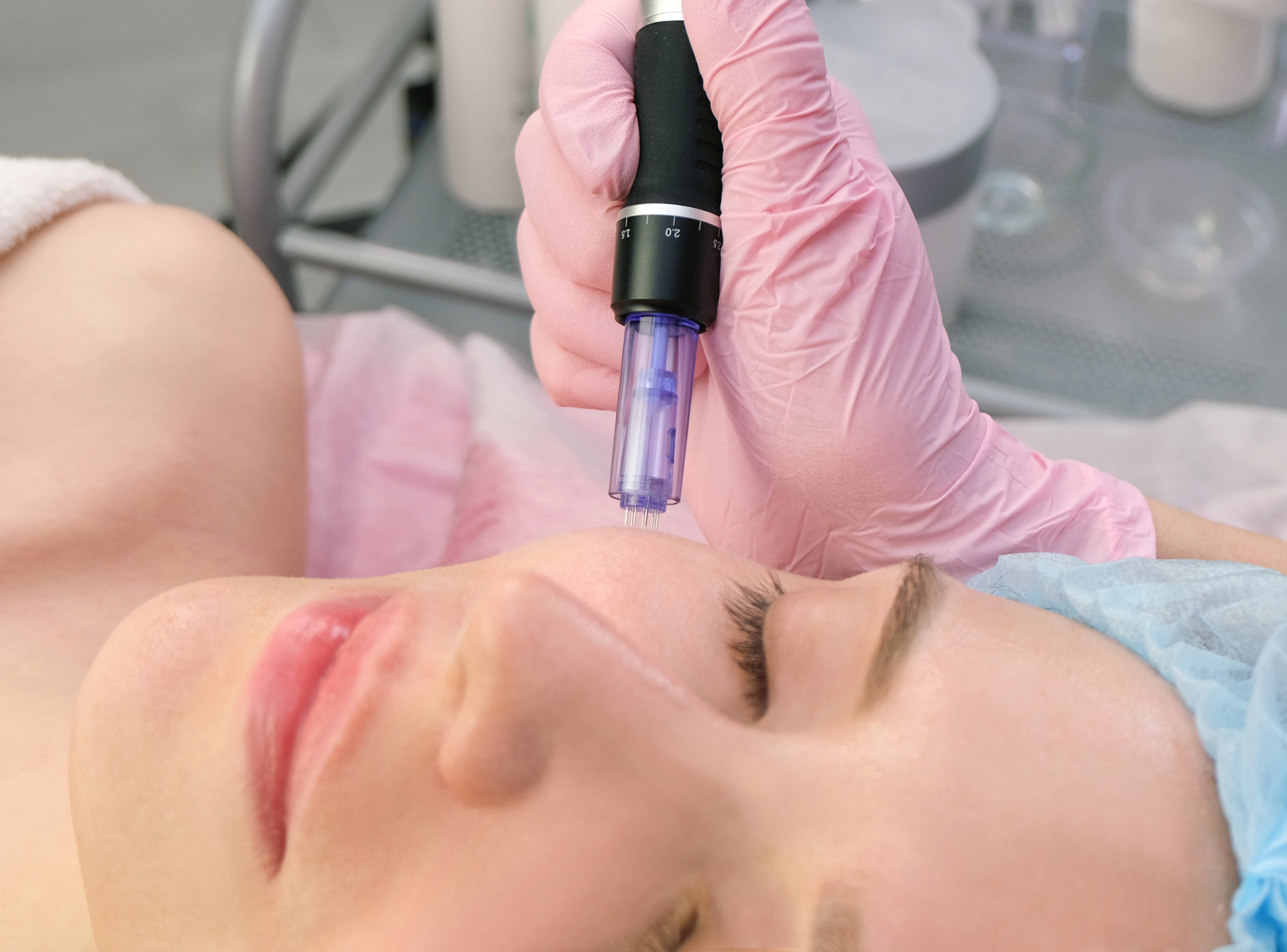
Microneedling is one of the greatest skincare secrets available today. It can enhance overall texture and reduce fine lines and scars. It makes sense that beauty aficionados love this procedure.
However, it’s crucial to understand how those tiny needles operate before allowing them to do their job. Microneedling has potential drawbacks even though it can produce remarkable outcomes. Common problems include redness, swelling, and mild discomfort; more significant dangers include infection or persistent hyperpigmentation.
We’ll go over the top ten hazards associated with microneedling in this tutorial. This information will enable you to confidently manage the procedure regardless of your experience level. Achieving the radiant, youthful complexion of your dreams can be greatly aided by understanding what to anticipate and how to reduce hazards.
Microneedling In Dubai
Microneedling in Dubai is a non-surgical skin rejuvenation treatment designed to improve skin texture, tone, and overall appearance by stimulating natural collagen and elastin production. The procedure uses tiny sterile needles to create controlled micro-injuries in the skin, encouraging the body’s natural healing process. Microneedling helps reduce the appearance of acne scars, fine lines, wrinkles, enlarged pores, and uneven skin texture while promoting smoother and healthier-looking skin. The procedure provides natural-looking skin rejuvenation with minimal downtime and long-lasting improvement in overall skin quality and radiance.
Now let’s get started!
The 10 Most Common Microneedling Risks
Your skin will look better if you choose this treatment, but you should be mindful of any potential drawbacks. Let’s look at the top ten hazards associated with microneedling and talk about how to reduce or avoid them.
1. Redness and Swelling
Redness and edema are the most common concerns associated with microneedling, and they manifest nearly immediately following the procedure. The tiny punctures formed in the skin during the microneedling process, which naturally produce some inflammation while the body starts to heal, are the cause of these negative effects.
Why are these fleeting adverse effects so prevalent?
The body’s natural response to an injury is redness and swelling, which are often caused by increased blood flow to the damaged area. After therapy, it often lasts for one to two days. Sometimes redness persists for up to a week, especially after longer, more strenuous workouts.
Tips for Managing Redness and Swelling:
- Apply a cool compress to the afflicted area.
- To keep your skin hydrated and nourished, use a mild, fragrance-free moisturizer.
- Avoid hot showers, saunas, and vigorous exercise within the first two days since heat might exacerbate redness and swelling.
- Use a broad-spectrum sunscreen with SPF 35 or higher if your skin is susceptible to UV radiation.
2. Dryness and Flaking
Microneedling may cause dryness and peeling because the tiny needles disrupt the skin’s surface. Because the treatment may temporarily impair the skin’s capacity to maintain its moisture barrier, this adverse reaction occurs.
How to Relieve Skin That Is Too Dry:
- Use a mild moisturizer every day to help rebuild the skin’s moisture barrier. Look for elements like hyaluronic acid or ceramides that retain moisture.
- Avoid using harsh skincare products that aggravate skin irritation and dehydration, such as alcohol-based formulations, retinoids, and exfoliants.
- Drink lots of water to stay hydrated from the inside out.
3. Mild Pain or Discomfort
Although everyone’s experience with microneedling is unique, most people characterize it as a mild prickling or sandpaper-like sensation.
How to Deal With Discomfort or Pain:
- Many practitioners use a topical numbing cream prior to the procedure to lessen pain.
- If soreness persists after treatment, an over-the-counter medication such as acetaminophen may be useful (avoid ibuprofen as it can exacerbate bruising).
- Steer clear of hot regions and intense exercise after the operation since these could make skin irritation worse.
4. Bruising
Bruises are another possible side effect of microneedling, particularly if you have sensitive skin and the process is more aggressive.
When Is Bruising More Likely, And How Can You Prevent It?
- Individuals who take blood thinners or have blood-clotting issues are more prone to bruising.
- To avoid bruising, avoid alcohol, aspirin, and other blood thinners a few days prior to and after your appointment (unless your doctor directs you otherwise).
- Use an arnica gel to treat bruises after treatment.
5. Infection
Infection is an uncommon but serious danger associated with microneedling. Because the therapy involves skin punctures, there is a possibility that germs will enter these micro-injuries.
How to Minimize the Risk of Infection:
- Make sure the therapy is administered by a qualified practitioner using sterile equipment.
- Follow your doctor’s post-procedural instructions, such as washing the area and not touching your face with dirty hands.
- Don’t use harsh skincare products or makeup on the treated area until the skin has fully recovered.
6. Allergic Reactions
Allergic reactions are uncommon but might occur, particularly if your skin reacts to certain substances used during or after the procedure.
How to Identify and Avoid Allergic Reactions:
- An allergic reaction is indicated by itching, redness, and swelling that exceed the normal post-treatment response.
- To avoid issues, if you have sensitive skin, request a patch test before the whole course of treatment and inform your practitioner of any known sensitivities.
7. Scarring
Microneedling is commonly used to reduce scars, but if the skin has been overtreated or if you are prone to keloids or hypertrophic scars, you run the risk of developing new scars.
When Is Scarring More Likely, and How To Prevent It?
- Scarring is more likely when microneedling is done incorrectly or too harshly.
- Choose a highly skilled and experienced specialist to lessen this risk. Discuss your medical history and any scarring tendencies with them before starting therapy.
8. Hyperpigmentation
A potential risk of microneedling is hyperpigmentation, also referred to as skin darkening, particularly for people with darker skin tones. This is caused by an overabundance of melanin generated in response to a skin injury.
How to Stop Hyperpigmentation:
- After treatment, avoid the sun since UV rays exacerbate pigmentation issues. Use a high-SPF sunscreen every day.
- Avoid using harsh skincare products since they may intensify skin irritation and discoloration.
- If you have a history of hyperpigmentation, discuss pre-treatment lightening drugs such as hydroquinone or vitamin C serums with your dermatologist to help lower this risk.
9. Hypopigmentation
Hypopigmentation, commonly called skin whitening, can happen when the skin loses pigmentation after microneedling, it is less common.
What Causes Hypopigmentation, and How Can It Be Avoided?
- Hypopigmentation may occur if the skin is overtreated or if the needles pierce too deeply.
- To prevent this, pick a qualified practitioner who knows the right depth and technique for your skin type.
10. Nerve Damage
Nerve damage is a rare but potential complication of microneedling; this usually occurs when the operation is very vigorous or deep.
When Could Nerve Damage Occur, And How To Avoid It?
- Nerve damage is more likely if the treatment is administered by an unskilled practitioner or if equipment is used that penetrates the skin too deeply.
- Verify that the individual delivering your therapy is qualified and has the appropriate needle length for your condition and skin type.
Factors Influencing Microneedling Risks
Let’s look at how the length of the needle, the number of passes, the kind of skin, and the aftercare affect the outcome of microneedling.
1. Needle Length
The degree of risk is primarily determined by the length of the needles used in microneedling.
Shorter needles (0.24 to 0.4 mm) are typically used for superficial treatments, including enhancing skin texture and increasing product absorption. These shorter needles usually cause less discomfort as well as fewer adverse effects, like less redness and swelling.
More severe side effects, such as bruising, swelling, and possibly scarring, are more likely to occur with longer needles. The deeper insertion may lead to a longer healing period.
How Does Needle Length Affect Side Effects?
It’s crucial to choose the appropriate needle length based on your particular skin concerns and to see a specialist in order to lower the likelihood of severe side effects.
2. Number of Passes
The term “number of passes made over the skin” refers to how many times the device is rolled or pressed across the treatment area during a microneedling session.
Less frustration and a quicker recovery time are typically the outcomes of fewer passes (1-3). This technique can be used for regular skin care or for people with sensitive skin.
Making numerous (three or more) passes can boost the treatment’s effectiveness. However, this also increases the possibility of negative consequences such as skin irritation, edema, and redness. The more times the needles pierce the skin, the higher the risk of trauma, which raises the risk of pain and persistent redness.
What Is the Impact Of Multiple Passes On Skin Irritation?
Each pass adds more micro-injuries to the skin, which could make redness and irritation worse. To reduce the likelihood of severe side effects, it’s critical to find a balance between the number of passes and the desired outcome.
3. Skin Type
As can be seen below, different skin types have varying degrees of sensitivity and can heal at different rates:
- More noticeable adverse effects, like redness, swelling, and even bruising, may occur in sensitive skin types. Additionally, people with sensitive skin may be more likely to experience discomfort and irritation during the process.
- After treatment, oily or acne-prone skin may be more vulnerable to outbreaks due to increased oil production caused by skin damage.
- Because the skin produces melanin in response to injury, darker skin tones are more susceptible to hypo- or hyperpigmentation. Sometimes, improper microneedling can exacerbate these pigmentation issues.
How Does Skin Sensitivity Affect Healing?
Reactive or light-sensitive skin types may heal more slowly following microneedling. They may also be better able to identify adverse effects.
People with sensitive skin should start with less aggressive treatments and gradually increase their strength based on how their skin responds.
4. Aftercare
Taking appropriate aftercare is perhaps the most crucial step in lowering the danger of microneedling. How you take care of your skin after surgery can have a big impact on the severity and length of side effects.
- Avoid sun exposure: UV rays worsen inflammation and increase the risk of post-inflammatory hyperpigmentation following microneedling. Even on cloudy days, you should always use a broad-spectrum sunscreen with at least SPF 35.
- Gentle skin care products are to be used: Retinoids, AHAs, and any product containing alcohol are among the active ingredients that should be avoided since they might exacerbate skin irritation.
- Keep the skin clean and moisturized: a gentle, hydrating cleanser will support quicker healing and preserve the skin barrier.
- Follow professional advice: You should always follow your doctor’s instructions because they are specific to your skin type and the therapy you have received.
Why Is Proper Aftercare Important?
Ignorance of post-procedure care could result in an unwanted change in pigmentation, extended discomfort, or any kind of infection. The skin is extremely sensitive right after microneedling, additional care must be taken to minimize hazards and optimize the benefits.
When to Seek Professional Help
Microneedling technology is used in a Derma Pen facial to improve skin texture, lessen scars, produce more collagen, and increase overall brightness.
Even while microneedling is usually safe when done by a trained professional, there are several situations in which you should seek professional assistance. The results and experience of microneedling can be greatly affected by knowing when to select a suitable provider and what danger flags to look for.
Warning Signs of a Serious Reaction: When to Seek Care from a Healthcare Professional
Redness, swelling, and mild discomfort are frequent side effects of skin needling that often go away in a few days. However, some circumstances might be concerning enough to need expert advice:
- Persistent Redness and Swelling: An infection or unpleasant response may be the cause if the redness and swelling do not go away within a week or seem to become worse.
- Excruciating Pain/Discomfort: While some discomfort is normal, if you are experiencing excruciating pain that is not alleviated by over-the-counter medications, there is a serious problem.
- Pus/Discharge: Any yellow discharge, pus, or seeping from the treated area is a sign of a potential infection and needs to be checked by a medical specialist once every time.
- Fever or Chills: Following treatment, the onset of fever, chills, or even flu symptoms suggests that an infection has spread and should be treated right away by the physician.
- Hyper-pigmentation or Hypo-pigmentation: Seeking consultation from a dermatologist is essential to preventing further skin pigmentation issues if significant color changes occur and do not go away with time.
- Unusual Scarring: It is crucial to consult an expert if the treated area begins to develop specific elevated or keloid scarring, particularly if you have a history of scarring.
When in doubt, follow your gut and seek medical advice if something doesn’t feel right. Early intervention prevents minor issues from worsening.
BOOK AN APPOINTMENT TODAY
Tips for Selecting a Reputable Micro Needling Practitioner
Selecting a skilled and knowledgeable practitioner is one of the best methods to reduce the hazards associated with microneedling. The following advice can help you choose a trustworthy microneedling provider:
- Check Credentials and Experience: Make sure the practitioner is licensed, has received specialized training, and has microneedling experience. Never be afraid to inquire about their credentials, years of experience, and the number of treatments they have completed.
- Read Reviews and Testimonials: Previous client testimonies and reviews of collagen induction therapy offer valuable information about the clinic’s hygienic standards, professionalism, and ability of the practitioner.
- Ask About Equipment and Techniques: Reputable providers must employ sterile, high-quality equipment. Find out what kind of microneedling device they use and if the FDA has approved it. Find out what methods and procedures they use to guarantee effectiveness and safety.
- Schedule a Consultation: Before committing to a treatment, schedule a consultation to discuss your skin concerns, goals for microneedling, and medical history. This is also an opportunity to assess the facility’s hygiene and the practitioner’s professionalism.
- Beware of Bargains: Although the price of microneedling should always be taken into account, watch out for offers that seem too good to be true. Lower microneedling costs may occasionally be a sign of inexperience or lowered quality. Choose quality before cost savings since the health of your skin is an investment.
Advantages Of Microneedling You Should Know
Microneedling has the potential to enhance the texture and appearance of your skin. It has the potential to reduce the appearance of stretch marks, scars, wrinkles, and other skin issues.
Unlike certain facial rejuvenation procedures that employ heat, light, or lasers, it does not pose a risk of skin discoloration. This renders microneedling an optimal choice for individuals with darker skin tones.
Why Microneedling Is The Best Solution
Microneedling is one of the best non-surgical skin rejuvenation treatments for improving overall skin texture, tone, and appearance. The procedure works by creating tiny controlled micro-injuries in the skin, which stimulate natural collagen and elastin production. Microneedling helps reduce the appearance of acne scars, enlarged pores, fine lines, wrinkles, and uneven skin texture while promoting smoother and healthier-looking skin. The treatment is suitable for many skin types and provides gradual, natural-looking improvement without major downtime.
At Perfect Doctors Clinic, microneedling treatments are customized according to each patient’s skin concerns and aesthetic goals to ensure safe, effective, and long-lasting skin rejuvenation results.
How Microneedling Restores Confidence And Appearance
Microneedling can restore confidence by improving skin quality and creating a fresher, smoother, and more youthful appearance. Skin concerns such as acne scars, rough texture, fine lines, and dullness often affect self-esteem and overall confidence. Microneedling stimulates the skin’s natural healing process, helping the complexion appear brighter, firmer, and more even over time. The results look natural while enhancing overall facial appearance and skin health.
At Perfect Doctors Clinic, personalized microneedling treatments are designed to improve skin texture, refine pores, and support collagen production for healthy and radiant skin. Patients often feel more confident and comfortable with their appearance after achieving clearer, smoother, and rejuvenated skin results.
Transform Your Skin Safely With Microneedling Devices From Perfect Doctors Clinic!
Show off the beauty of flawless skin with assurance! Discover the facts about microneedling and learn how to avoid the ten most common hazards.
Are you ready to experience salon-caliber results at home? You can rely on Perfect Doctors Clinic to give you top-notch microneedling tools that enhance your skincare routine and put your safety first. Don’t accept anything less; go shopping immediately to begin your makeover!
MEET THE EXPERT DOCTOR
Best Aesthetic Clinic In Dubai For Microneedling
Best Aesthetic Clinic in Dubai for Microneedling provides advanced skin rejuvenation treatments designed to improve skin texture, tone, and overall radiance. Perfect Doctors Clinic specializes in customized microneedling treatments that help stimulate collagen production and support healthier, smoother-looking skin. Microneedling is ideal for reducing acne scars, enlarged pores, fine lines, wrinkles, and uneven skin texture while promoting natural skin renewal. The procedure is minimally invasive and suitable for individuals seeking fresher and more youthful skin without major downtime. At Perfect Doctors Clinic, every microneedling treatment is carefully tailored according to the patient’s skin concerns and aesthetic goals to ensure safe, effective, and natural-looking rejuvenation results with long-lasting improvement in skin quality.
Conclusion
In conclusion, microneedling is more than just putting needles on your face and hoping to wake up with perfect skin. It’s a medical treatment that needs to be carefully considered and followed up on. You may make an informed choice that weighs the benefits and dangers by being aware of the possible side effects.
Therefore, if the promise of smoother, clearer skin still appeals to you, go ahead and try it, but keep an open mind.
Recall that being beautiful is more than just looking wonderful; it’s about having confidence in your decisions. Now that you are aware of the most prevalent hazards associated with microneedling, you are better equipped to determine whether this treatment is appropriate for you. Cheers to microneedling!