





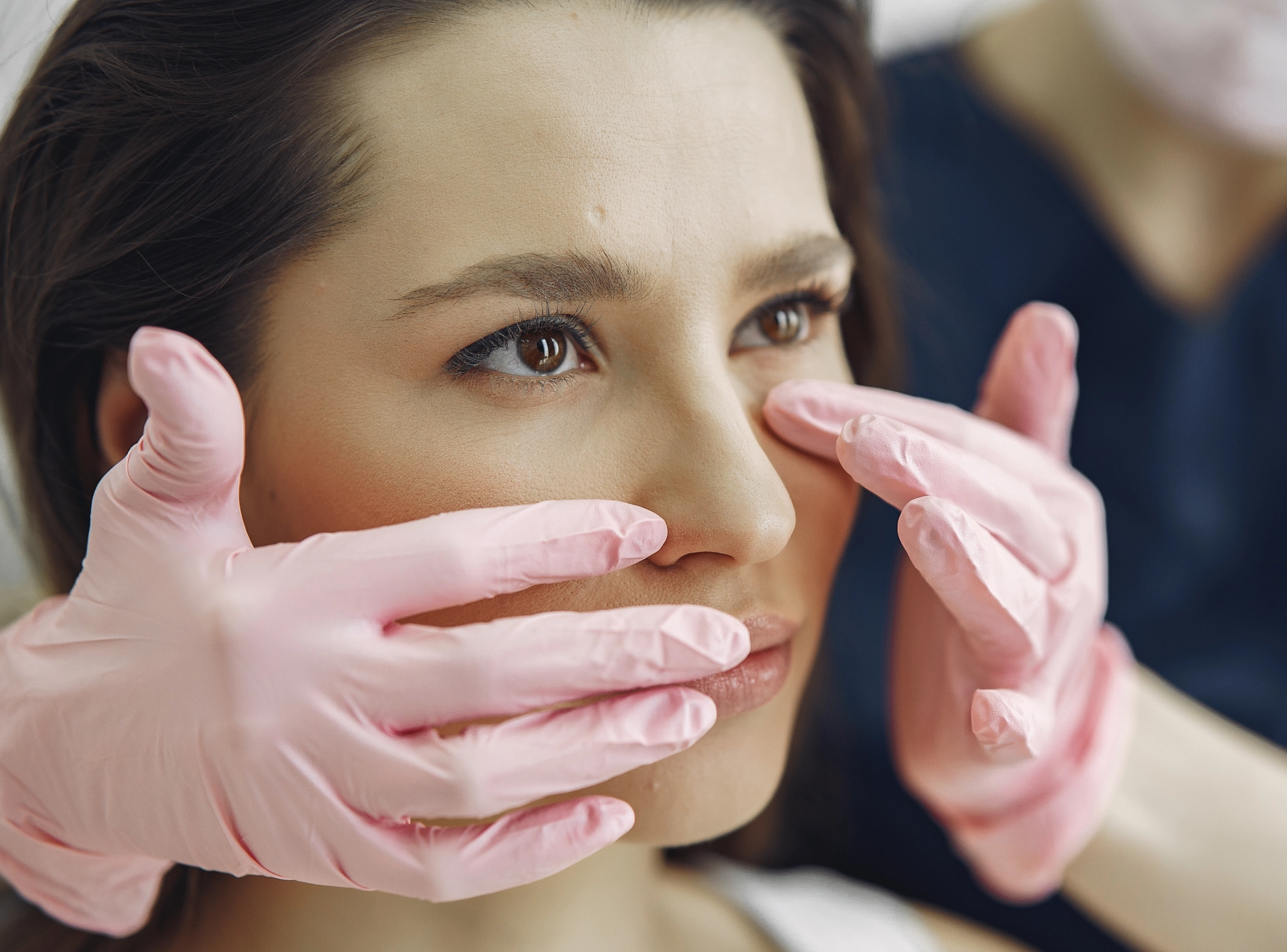
Septoplasty, also called nasal septum repair, is a procedure done on an outpatient basis to fix a crooked or deviated septum. You or someone you care about may have noticed that your nose is always blocked on one side or both sides, even if there are no obvious signs of deformity. It can cause more serious problems, like repeated nosebleeds, sleep apnea, or long-term or recurring sinus problems, depending on how bad the condition is.
You don’t have to deal with chronic sinus pain and trouble breathing if you were born with a deviated septum or if you got one from an injury. We at Perfect Doctors Clinic are proud to offer septoplasty, a 35- to 65-minute outpatient procedure that fixes a deviated septum. This procedure is very safe and works well, but it does take some time to recover from. Read on to learn how to take care of yourself for the first few weeks after your nasal septum repair surgery and what to expect during the recovery process.
Septoplasty In Dubai
Septoplasty in Dubai is a safe and effective procedure for correcting a deviated nasal septum and improving breathing, but proper aftercare is required for optimal results. According to the septoplasty recovery and aftercare guide, patients may experience mild swelling, congestion, and discomfort for the first few days after surgery. Resting with the head elevated, taking prescribed medications, and avoiding physical strain all help with healing. Nasal splints, if used, are typically removed within a week. As swelling subsides, breathing gradually improves over the next few weeks. Following all aftercare instructions ensures a smooth recovery, increased airflow, and long-term functional nasal improvement.
What To Expect During Recovery
The Day Of The Procedure
After your surgery, you should be able to leave our state-of-the-art surgical center within two to three hours. You shouldn’t feel much pain or discomfort, and you shouldn’t have any splints or bruises on the outside.
1 To 4 Days Post-Op
Most of our patients say they don’t need any painkillers after their procedure. If you are very sensitive to pain, you may need to take prescription painkillers for one to four days after surgery. You should feel better within eight days after surgery if the tip of your nose is only a little sore or you feel a little pressure.
Your surgeon may use no packing, dissolvable packing, internal splints, or regular packing. If you have regular packing, it will be taken out the day after your surgery.
4 To 6 Days Post-Op
Most of our patients can go back to work four to six days after their procedure. If you have to do a lot of lifting and bending at work, you can’t go back to work for at least eight calendar days if your duties can’t be changed.
BOOK AN APPOINTMENT TODAY
How To Care For Yourself After A Septoplasty
Rest
Whenever you feel tired, it’s important to take a break. Sleep whenever you feel like it to help you heal faster. Instead of lying flat on your back, use three or four pillows to support your head. This will lower the chance of swelling. Keep in mind that you need to sleep on your back or in a chair that reclines for the first month after surgery.
Activity
The day after your surgery, you should start walking. Every day, try to walk a little bit farther than you did the day before. Walking has many health benefits, one of which is better circulation. It also helps keep you from getting pneumonia and constipation. Stand as much as you can, but sit down when you need to. Listening to your body is one of the most important things you can do to help yourself heal.
Avoid Bending And Lifting
Try not to bend over or lift anything heavier than 12 pounds for the first week after surgery. This includes bending over to pick up a heavy backpack or briefcase, picking up your kids, carrying bags of dog food or cat litter, moving a vacuum cleaner from one room to another in your house, and moving milk containers and groceries.
Avoid Strenuous Activities
Don’t do any hard work for the first week after surgery or until your doctor gives you the go-ahead. These include hard anaerobic activities and aerobic exercises that get your heart rate up, like running and cycling. After your surgery, you can shower and bathe, but you can’t swim for six weeks.
Drive When You Feel Ready
You can take prescription painkillers as needed after your procedure to help with the pain. But you can’t drive for one day after taking narcotics. You can drive when you feel like it as long as you’re only taking Tylenol for pain.
Diet
After your procedure, you don’t have to follow a special diet. But if your stomach hurts, try eating bland foods like toast, yogurt, plain rice, and boiled chicken until you feel better.
During the first week after surgery, you might not go to the bathroom as often as you usually do. This is completely normal. Just try not to push too hard when you go to the bathroom. If you are taking narcotic painkillers, you should take a fiber supplement or eat more whole grains, legumes, and high-fiber fruits. If you haven’t had a bowel movement in the first two days after surgery, please talk to us about taking a mild laxative.
Ice
Elevation is just as important as ice for reducing swelling. Put a cold pack or ice on your nose for 15 to 25 minutes at a time to help with swelling and pain. Just make sure to put a thin cloth between your skin and the ice or cold pack.
Incision Care
You will have a drip pad under your nose after the procedure to catch blood. You should only change this when it has bled through. Most people need to change the drip pad every hour for the first day after surgery. You can take off the pad once the bleeding stops. Don’t take out the packaging if it’s in your nose. Your surgeon will do it later.
Other Instructions
For a week after surgery, don’t blow your nose. Don’t put anything in your nose. If you need to sneeze, do it naturally with your mouth open. For the first day after surgery, don’t wear contacts. You can wear glasses whenever you want.
After taking off any packaging, use saline nasal washes. This helps keep your nasal passages open while you wash away bacteria and mucus. A lot of people like to buy saline nose drops at their favorite grocery store or drugstore. But you can easily make your own at home by mixing two cups of distilled water with a teaspoon of baking soda and a teaspoon of salt.
If you make your own saline nose drops, fill a bulb syringe with the solution. Put the tip in your nose and gently squeeze the solution into your nasal passage. After that, blow your nose.
Tips For Taking Prescription Medications
Your surgeon will tell you if and when you can start taking your regular medications again during your first visit. He will also tell you how to take any new medicines, like antibiotics or prescription painkillers.
If you take blood thinners like aspirin, warfarin (Coumadin), or clopidogrel (Plavix), be sure to tell your doctor about it during your first visit. He will tell you if and when you should start taking these medicines again. You must understand and follow all of your doctor’s instructions.
Follow the directions on how to take your antibiotics. Don’t stop taking them just because you feel better. If your prescription pain medicine is making your stomach hurt, take it after meals unless your doctor tells you to do something else.
If your dose and a mild laxative don’t help with your stomach pain, ask for a different painkiller. Unless your doctor tells you to, you should also not take three or more pain relievers at the same time. For instance, don’t take Tylenol (acetaminophen) and Excedrin at the same time because Excedrin also has acetaminophen in it.
For four weeks after surgery, you should not take anti-inflammatory drugs like ibuprofen or naproxen. You should also stay away from any medicines that have aspirin in them for three weeks after the surgery, unless your doctor tells you it’s okay.
Stages Of Healing After Septoplasty
Swelling and congestion appear in the first week, breathing improves in the second week, and recovery is complete after 4-7 weeks. Complete internal healing may take several months, with gradual improvement in nasal function.
Swelling, Bruising, And Scarring After Septoplasty
Mild swelling and bruising appear around the nose and eyes, which usually resolve within 2-3 weeks. Internal swelling persists longer. Scarring is minimal because the incisions are made inside the nose and do not leave visible external marks.
MEET THE EXPERT DOCTOR
Downtime For Desk Jobs After Septoplasty
Most patients return to their desk jobs within 4-8 days of septoplasty. Mild congestion or fatigue may persist, but light activity is manageable. Heavy lifting, bending, and stressful activities should be avoided during early recovery to ensure safe healing.
Septoplasty Recovery Dos And Donts
Rest, elevate your head, and take your medications as prescribed. Do not blow your nose, smoke, or engage in strenuous exercise. Avoid dust and touching your nose. Following instructions ensures a smooth recovery and improved long-term breathing results.
Learn More About Septoplasty Today
Are you sick and tired of not getting enough relief from over-the-counter sinus medications, nasal strips and sprays, and other home remedies for breathing? Do you think you might have sleep apnea? Do you have sinusitis that keeps coming back? You might be a good candidate for septoplasty. Call the professional ENT experts at Perfect Doctors Clinic today to find out more about this life-changing surgery to fix a deviated septum. To set up your first appointment, call us. We will look at your condition and come up with a treatment plan that meets all of your needs.
Best Plastic Surgeon In Dubai For Septoplasty
Best Plastic Surgeon in Dubai for septoplasty is available at the Perfect Doctors Clinic, where Dr. Perfect Celebrity is well-known for his expertise in nasal surgery and patient-centered care. According to Dr. Perfect Celebrity’s septoplasty recovery and aftercare guide, patients may experience mild swelling, congestion, and discomfort in the first few days after the procedure. Proper rest, head elevation, and prescribed medications are essential for a smooth recovery. Nasal splints, if necessary, are removed within a week. Breathing improves with time as swelling decreases, and following aftercare instructions ensures a safe recovery and long-term functional results.