





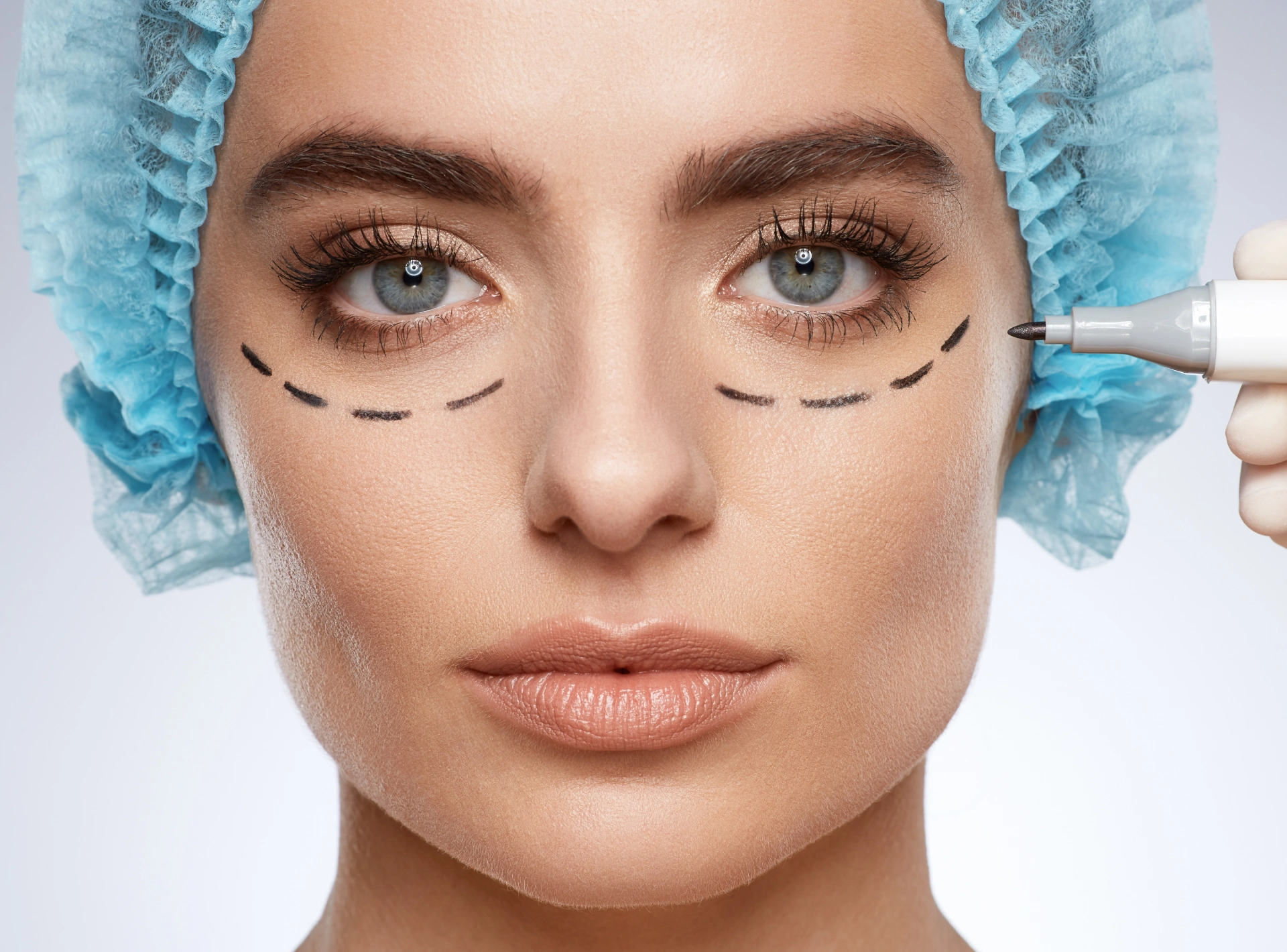
To achieve the best possible healing and outcomes following blepharoplasty surgery, a number of meticulously planned procedures must be followed. Patients often ask how long recovery will take, what symptoms to expect, and how to care for their eyes after surgery. To support you on your recovery journey, this guide offers crucial advice and a thorough timeline.
Blepharoplasty Surgery In Dubai
Blepharoplasty Surgery in Dubai is a cosmetic procedure that aims to improve the appearance of drooping eyelids, puffiness, and under-eye bags. Individuals who desire a more youthful and revitalized appearance frequently opt for it. The procedure entails the removal or repositioning of excess skin, fat, and occasionally muscle from the area surrounding the eyelids. The recovery process commences immediately following the procedure, and the majority of patients experience mild swelling and bruising. Appropriate postoperative care, including the application of cold compresses and adequate rest, significantly influences healing. It is recommended that patients refrain from engaging in physically demanding activities and shielding their eyes from strain. The results gradually become apparent as the swelling subsides, revealing a more defined and smoother eye contour. After surgery, the most favorable cosmetic results necessitate consistent, appropriate care, as healing is a gradual process.
Key Takeaways
- For a more seamless recovery following blepharoplasty, rest and adhere to your surgeon’s instructions.
- During the healing process, use eye drops and cold compresses to reduce dryness and swelling.
- For the best recovery outcomes, shield your eyes from the sun and refrain from physically demanding activities.
Best Tips For Recovery From Blepharoplasty Surgery
Make sure you have enough time to rest and recover before starting your blepharoplasty recovery. You must prioritize relaxation because getting enough sleep is crucial for the quick healing of surgical wounds. Pay close attention to the post-operative care instructions provided by your plastic surgeon. They are made especially to facilitate a quick and efficient healing process.
Reducing stress during this time is advantageous because it greatly enhances the healing process. During the first two to four weeks following surgery, avoid any strenuous activity and instead partake in mild activities that help you relax, such as listening to music or taking leisurely walks.
After your procedure, make sure you have necessary supplies like eye drops and cold compresses. These devices are essential for reducing swelling and preventing eye discomfort. To prevent dry eyes and aid in recovery, limit activities like reading or using electronics early on, usually during the first week.
Using cold compresses helps reduce swelling as well. Following these simple guidelines can significantly improve your blepharoplasty recovery experience and yield the best possible outcomes.
Introduction
The goal of blepharoplasty, sometimes referred to as eyelid surgery, is to remove extra skin and fat from the eyelids. It can be done on the lower lids (lower blepharoplasty), upper lids (upper blepharoplasty), or both. For individuals experiencing vision issues due to sagging eyelids or those seeking a more youthful appearance, the intervention might be life-changing.
When performing upper eyelid surgery, incisions are made along the upper lid’s crease, and extra skin and fat are removed before the incisions are sutured shut. The entire procedure usually takes 46 minutes to an hour, after which the stitches typically remain in place for about a week.
Being in excellent general health and having realistic expectations for results are prerequisites for being a perfect candidate for blepharoplasty. In addition to improving appearance, this procedure resolves functional issues related to eyelid laxity that obstructs normal sight lines. Following such procedures, patients experience significant improvements in both their facial appearance and their ability to see.
BOOK AN APPOINTMENT TODAY
Immediate Post-Operative Care
The key to a successful healing process after blepharoplasty is prompt aftercare. After surgery, you will need to spend some time in the recovery area before you can go home. Make sure someone is available to help you and drive you home and assist you during the first twenty-four hours.
It is crucial to strictly adhere to self-care guidelines. These include using eye drops and cold compresses to keep your eyes moist and reduce swelling. It’s best to have these supplies on hand well in advance to enable a productive recovery period.
Consider these suggestions for a more comfortable recovery period:
- When you’re at rest, keep your head up; this position reduces swelling and improves comfort in general.
- For at least a week, avoid doing anything that could strain your eyes, like reading for extended periods of time or using electronics; such actions will help prevent dry eyes and aid in the healing process.
- Wear hats and dark sunglasses whenever you go outside to protect your eyes from the sun and wind.
Typical Recovery Timeline
To set realistic expectations after surgery, it is essential to understand the typical recovery period. Sensations of tightness or soreness close to the surgical site may arise in the early stages of healing. To make sure your recovery is proceeding as planned, it’s crucial to schedule a follow-up appointment with your doctor within a week of the procedure.
In most cases, swelling and bruising subside after two to three weeks, but in some cases, they can last until about the eighth week. Most patients can return to work about ten days after the procedure, and by the end of the first month, most will notice a significant improvement in their appearance.
Each person’s journey to complete recovery is unique. Don’t rush things; instead, pay close attention to what your body tells you. Since each person’s recovery process is unique, patience is crucial to achieving the best results.
Managing Discomfort And Pain
For a blepharoplasty procedure to heal smoothly, any pain or discomfort must be properly managed. Tylenol and other acetaminophen-containing products are frequently recommended as over-the-counter pain relief medication. To properly reduce discomfort, it’s critical to adhere to the self-care guidelines that come with any prescription drugs.
Using cold compresses can significantly reduce swelling and provide pain relief, both of which aid in your recuperation. Getting enough good sleep will significantly aid the healing process following surgery.
Medication use is only one aspect of self-care. Your recovery process will significantly improve if you closely follow post-operative self-care recommendations and allow yourself ample time to rest.
Protecting Your Eyes During Recovery
Wearing oversized polarized sunglasses is essential for protecting the delicate skin of the eyelids from the sun while recovering from eyelid surgery. To encourage appropriate healing, direct sunlight should be avoided for up to six months following the blepharoplasty procedure.
Wearing a hat with a brim can provide additional protection against sunlight and wind, which could worsen any swelling or discomfort. Applying sunscreen to the area around the eyes is equally important when going outside.
Prescription eye drops are advised to keep your eyes moist to reduce the dryness that frequently occurs after eyelid surgery. Following these guidelines will help you recover from blepharoplasty much more quickly.
Self-Care Instructions For Optimal Healing
For the best healing result after a blepharoplasty, careful self-care is essential. You can reduce swelling and improve comfort by sleeping or resting with your head raised. Heavy lifting and strenuous activities should be avoided as they may increase blood flow to the eyes, which could impede the healing process.
A healthy diet and adequate hydration are essential elements of the recovery period following surgery. Eating foods high in water, as well as foods high in protein and vitamin C, like broccoli, can promote the production of collagen and general healing. Maintaining adequate hydration is helpful for both healing and minimizing the risk of scarring.
During the healing process, rest is essential. Getting enough sleep every night is essential so that your body has plenty of chances to heal and regenerate itself during the night. Adhering strictly to these recommended self-care guidelines will promote regular sleep cycles and guarantee the best possible results from your surgical procedure.
When To Resume Normal Activities
After blepharoplasty, it is recommended to gradually return to regular activities. Within ten to fourteen days, most people are able to return to their regular activities, like going to work. However, it’s important to avoid heavy lifting and physically demanding activities for at least four weeks.
You can resume light exercise after a month. It is still advisable to postpone rigorous exercise regimens. Always consult your surgeon before resuming any physical activity to ensure a safe recovery process.
Follow-Up Appointments And Long-Term Care
Maintaining routine follow-up appointments with your healthcare provider after eyelid surgery is essential. These visits are essential for monitoring the healing process and handling any possible issues. They assist in ensuring that your recuperation goes according to schedule and permit treatment adjustments when necessary.
It may take more than a year for the scars left by eyelid surgery to fully develop and heal, emphasizing the value of ongoing post-operative care. Following your surgeon’s post-surgery instructions is crucial for the best outcomes during the healing process following eyelid surgery.
Swelling, Bruising, And Scarring After Blepharoplasty Surgery
Blepharoplasty surgery typically results in swelling and bruising, which usually reach their highest point within the initial few days. They diminish gradually over the course of one to two weeks. Scarring is minimal and is typically concealed within the natural creases of the eyelids. The healing process is enhanced by adhering to the surgeon’s instructions, avoiding sun exposure, and providing proper care. Scars gradually diminish in visibility as a result of consistent recovery practices.
MEET THE EXPERT DOCTOR
Downtime For Desk Jobs After Blepharoplasty Surgery
Desk jobs typically necessitate a five- to seven-day period of recovery following blepharoplasty surgery. Once swelling and discomfort subside, numerous patients may resume light office work. To mitigate the development of eye strain, it is recommended that screen time be restricted during the initial stages. It is crucial to adhere to appropriate rest and care protocols to facilitate a more seamless transition back to daily professional responsibilities that promote healing and comfort.
Blepharoplasty Surgery Recovery Dos And Donts
Following medical instructions, elevating the head, applying cold compresses, and resting are all recommended post-blepharoplasty recovery measures. Strenuous exercise, rubbing eyes, prematurely wearing contact lenses, and exposure to smoke or dust are all considered “don’ts.” Adhering to these guidelines minimizes complications and promotes seamless healing. For optimal long-term surgical outcomes, it is critical to uphold proper discipline during the recovery process to ensure safe healing progress and overall success.
Best Plastic Surgeon In Dubai For Blepharoplasty Surgery
Best Plastic Surgeon in Dubai for Blepharoplasty Surgery is available at Perfect Doctors Clinic, where Dr. Perfect Celebrity is a highly experienced specialist in facial and eyelid cosmetic procedures. The Perfect Doctors Clinic is renowned for its natural-looking results, patient-focused care, and advanced surgical techniques. Patients who are interested in blepharoplasty receive personalized treatment plans that are intended to correct droopy eyelids, reduce puffiness, and restore a youthful appearance. The surgeon guarantees a precise evaluation prior to surgery and offers comprehensive instructions for a safe recovery. In order to guarantee superior results, contemporary technologies and rigorous safety protocols are implemented. Every stage is meticulously overseen, from consultation to postoperative care. It is recommended that patients adhere to the recovery instructions in order to achieve lasting results and optimal healing. The safety and aesthetic results of eyelid surgery are significantly enhanced by selecting a surgeon with extensive experience. This ensures that the entire experience is safer and more comfortable for patients, as they receive enhanced recovery support and expert clinical supervision.
Summary
Following a blepharoplasty procedure, the healing process requires careful self-care and adherence to post-operative instructions. You set yourself up for a speedy recovery by paying close attention to your surgeon’s self-care instructions, getting enough sleep, reducing stress, and preserving general health.
Expect some initial swelling and discomfort as you move through the phases of post-surgery recovery; these are typical aspects of healing. As your body heals, these symptoms should significantly lessen within a few weeks. To encourage the best possible healing, you must take extra care of your eyes during this period.
When it comes to blepharoplasty surgery convalescence, careful attention to aftercare combined with patience will be crucial to getting excellent results from the cosmetic procedure. You are in a position to experience all of the transformative benefits of this journey toward full rehabilitation as time goes on. Visit our Perfect Doctors clinic to find out more about recovery strategies following a blepharoplasty.