





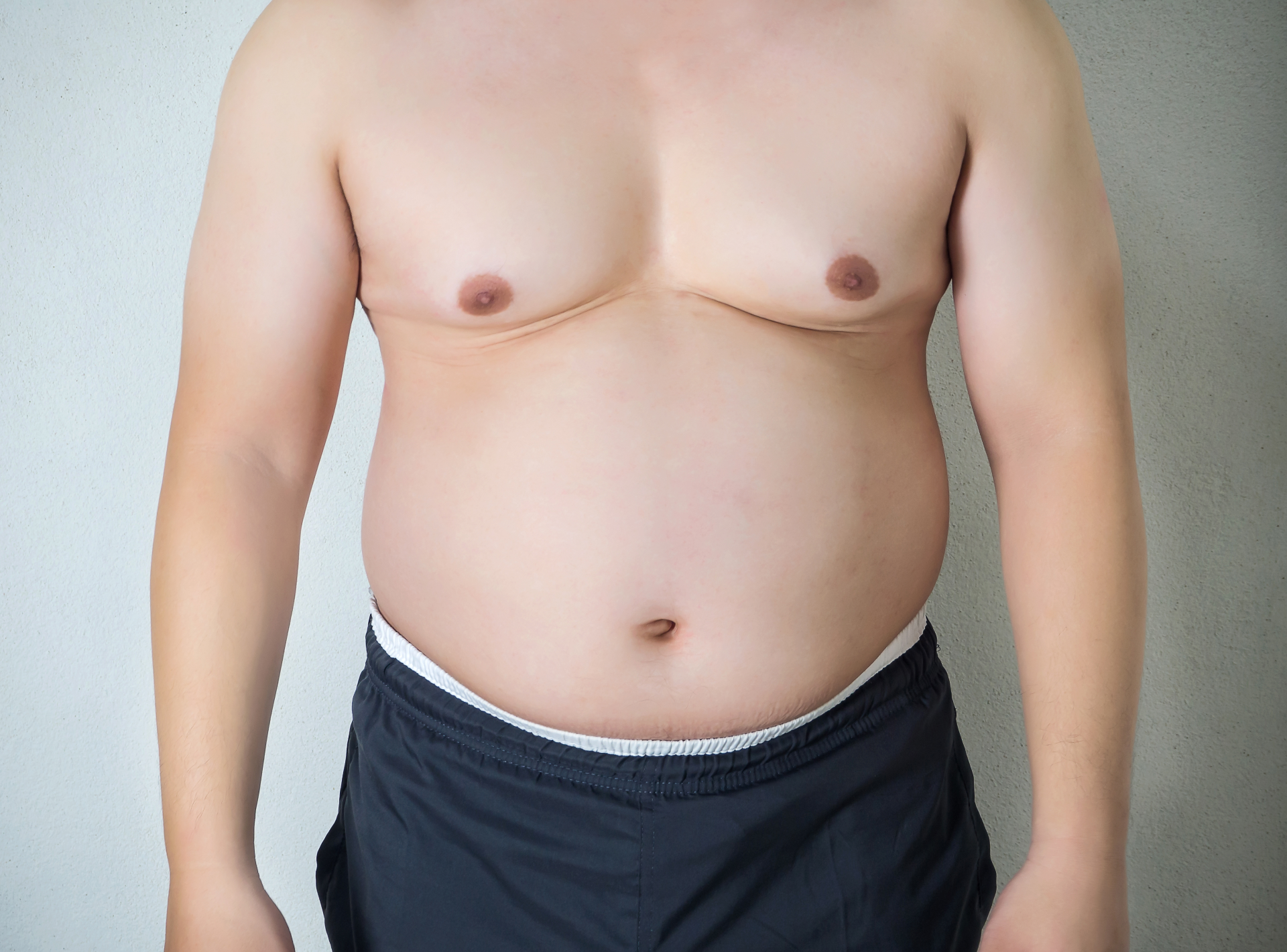
It takes time and care to heal after gynecomastia surgery, but knowing what to expect each week can make the process of getting a flatter, more masculine chest much easier. Recent studies reveal that 92% of men who get breast reduction surgery go home the same day. Most of them are back to their typical activities within a few weeks. This detailed timeline will help you through every step of your recovery, from the first few hours after surgery to the final outcomes, whether you are getting ready for surgery or are already recovering.
After gynecomastia surgery, each patient heals at their own pace, but following a set schedule helps make sure the best results and the fewest problems. Recent research involving nearly 5,005 patients found that only 4.5% of them had complications during the first 1 month. Most men have smooth recoveries when they properly follow their surgeon’s instructions.
Male Breast Reduction In Dubai
Male Breast Reduction in Dubai, also known as gynecomastia surgery, is a procedure designed to remove excess fat and glandular tissue from the chest area, helping men achieve a flatter and more masculine chest contour. The recovery process is an important part of achieving optimal results, and understanding male breast reduction recovery timeline: what to expect week by week after gynecomastia surgery helps patients prepare mentally and physically. In the first week, patients may experience swelling, bruising, tightness, and mild discomfort, which are typically managed with prescribed medication and compression garments. During the second week, swelling begins to reduce, and patients may gradually return to light daily activities while avoiding strenuous exercise. By weeks three to four, most visible bruising subsides, and the chest starts to take a more defined shape. Full recovery continues over several weeks as the body heals internally, with final results becoming more noticeable after a few months. Following post-operative instructions, attending follow-ups, and maintaining a healthy lifestyle play a key role in ensuring smooth healing and long-lasting results.
Understanding Your Gynecomastia Surgery Recovery Journey
Your recovery starts as soon as you leave the operating room. Knowing what’s ahead can help you get ready psychologically and physically for the healing process. Researchers looked at 4,995 men with gynecomastia and discovered that 92% of them were sent home the same day. This means that most guys may expect to start healing at home right after surgery.
The whole healing process usually takes a few months, but you’ll see big changes every week. Most patients go back to work at their desks within one to two weeks and are back to doing all of their normal activities by six weeks after surgery. Knowing this timeframe can help you plan time off work, get aid throughout your early recuperation, and set realistic goals for when you’ll see your final results.
Why Recovery Timeline Matters For Your Results
Following your recovery timeline isn’t just about getting better; it also affects how happy you will be with the surgery in the long run. Studies suggest that 85% of patients are okay with showing their chest once they have healed, compared to only 5% before surgery. Allowing enough time for tissues to settle and scars to develop is a big part of this big boost in confidence.
If you go back to doing things too soon, you could have problems that make your recovery take longer and hurt your results. Patients who have problems usually need 50 days to get back to full duty, whereas those who heal without any problems only need 29 days. If you take recuperation seriously from the start, you’ll be on your way to the chest shape you’ve been aiming for.
Factors That Affect Your Individual Recovery Speed
The way you do surgery has a big effect on how long it takes to heal. Patients who only have liposuction usually recuperate faster than those who have glandular tissue excision, which requires more comprehensive tissue manipulation. Liposuction and excision done together may take the longest to heal, but they usually give the best results.
Individual health considerations are also very important for how quickly someone heals. Younger people, non-smokers, and those in good health usually heal faster. In addition, following post-operative instructions properly, eating well, and not doing hard work during the important healing phase all help speed up recovery.
Days 7-14: Immediate Post-Surgery Care And Restrictions
The first two weeks after gynecomastia surgery are the most important for healing and the most important for limiting what you can do every day. During this time, you’ll wear a compression vest all the time, take care of any surgical drains that are put in place, and focus on resting as your body starts to heal. Pain usually reaches its highest point in the first 2 days and then slowly goes down. Most people can handle the pain well with the drugs they are given.
During these first several weeks, you need to pay extra attention to how you sleep. Most surgeons say that resting on your back with your upper body slightly raised with cushions will help minimize swelling and keep pressure off of the healing chest tissues. To avoid uneven healing or moving the compression garment, you should not sleep on your side.
Average Recovery Time Male Breast Reduction
The average recovery time after male breast reduction surgery is usually between four to six weeks for most daily activities. However, full healing and final results can take a few months. Initial recovery depends on the individual’s health, surgical technique, and how closely aftercare instructions are followed.
Your First 24 Hours Of Male Breast Reduction Recovery
During the first day, you may feel mild pain, tightness, and discomfort in the chest area. Bandages and a compression garment are typically applied to reduce swelling. Rest is very important, and you should avoid any physical movement. Prescribed medications help manage pain and prevent infection.
First 2-3 Days: Critical Healing Period
The first three days after surgery are when you need to be the most careful and get the most rest. You may probably feel some pain, swelling, and bruising, which are all typical elements of the healing process. Keep your movements to a minimum. Just stroll around your house slowly to help your blood flow and keep blood clots from forming. Arm motions should only be used for things that need to be done, such eating and taking care of personal hygiene.
During this time, keep an eye out for warning signs like too much bleeding through bandages, discomfort that medicine can’t control, or evidence of infection like a fever above 102°F. Complications are rare, but it’s important to find them early and get help to stay on track with your recovery and get the best results.
Days 5-15: Early Recovery Milestones
Most patients see a big drop in their pain levels by day four, and they can start to slowly increase their activity. If drains were put in during surgery, they are usually taken out between days 6 and 8 when the drainage is at a safe level. This removal is a big step forward because it makes it easier to walk around and take a shower.
Your initial follow-up appointment normally happens around this time frame, which gives your surgeon a chance to check on how you’re healing and answer any questions you may have. By the end of week two, a lot of patients are back to work at their desks, but others who work with their hands require more time to heal. You can start doing light chores around the house again, but you should still avoid lifting anything heavier than 12 pounds.
Days 21-28: Returning To Daily Activities
Weeks three and four are a time of change when you will get back a lot of your independence and go back to your usual everyday life. The compression vest is still vital at this point, although some surgeons let you take it off for short periods of time to wash it. The swelling keeps going down, and you’ll start to see the better shape of your chest that made you want to have the operation.
Most patients are able to drive again by the third week, as long as they are no longer on prescription painkillers and can do emergency maneuvers without pain. You can slowly start doing social things again, but you should still stay away from situations that could cause chest impact or too much arm movement.
Low-Impact Exercise Guidelines
Perfect Doctors Clinic says that you can start doing low-impact activities again two to three weeks after your operation. This includes walking at a normal pace, cycling while sitting still with little upper body movement, and light stretching that doesn’t put too much stress on the chest. These activities can keep you healthy and improve circulation without hurting recovering tissues.
Start with sessions that last 20 to 25 minutes and slowly increase the length as you get used to it. Don’t do any exercises that make your chest feel tight or make the swelling worse. You should wait until your surgeon gives you the go-ahead, usually around week four or five, before you swim.
Work And Social Activity Considerations
How much physical work you have to do at your job has a big impact on when you can go back to work. By the third week, most office professionals are back to their regular schedules. However, construction workers, warehouse workers, and others who do physically demanding work may need four to six weeks before they can safely return. If you can, ask for reduced duties to help you get back into your schedule.
During this time, patients’ levels of social comfort vary. Most men find that loose-fitting shirts hide the compression garment well, even if it may be visible under thin garments. By the third week, many patients say they feel confident enough to go to social events. However, they should be careful with activities that involve alcohol because it might make edema worse.
Days 35-42: Progressive Exercise And Upper Body Training
Weeks five and six are a big step forward in your recuperation since you can start doing harder physical exercises. Perfect Doctors Clinic Society says that you should start doing modest upper extremity progressive resistance workouts three to six weeks after your surgery. This will help you regain strength while protecting your results. This slow return to exercise helps avoid problems and satisfies the need to get back to working out.
Many patients switch from using the compression vest all the time to only wearing it at night or during exercise during this time. This independence gives you more choices when it comes to clothes and makes you more comfortable in both professional and social contexts. But you should still follow your surgeon’s precise instructions on how to utilize compression garments.
Safe Upper Body Exercise Progression
When you start training your upper body, use resistance bands or very small weights. Focus on moving in a controlled way and utilizing the right form instead of heavy resistance. You should start with push-ups from your knees or against a wall and only move to the regular posture when you feel ready. You should wait until at least week six to do bench presses and chest flies. Start with simply the bar or a small amount of weight.
Dr. Perfect Celebrity says that avoiding hard workouts and heavy lifting for at least four to six weeks is important for healing. This means that at first, you should maintain weights under 26 pounds and stay away from workouts that make your chest muscles tighten strongly. Pay attention to your body. If any workout makes you hurt, swell too much, or feel like you’re pulling, stop right away.
Monitoring Your Body’s Response
Keep an eye on how your chest reacts when you do more activities. It’s typical to have some swelling after working out between weeks five and six, but it should go away in a few hours. If you have persistent swelling, new pain, or changes in the shape of your chest, you should see your surgeon right away. Taking pictures of your progress every week helps you keep track of your healing and notice any changes that worry you.
Look for signs of overexertion, such as more bruises, fluid buildup, or reopening of incision sites. These problems are not common when standards are followed, but they can make recovery take much longer and may even need more treatment. If you’re not sure, it’s always safer to cut back on your activity level for a few days.
BOOK AN APPOINTMENT TODAY
Common Complications And Their Impact On Recovery Timeline
Military cohort studies say that 19.5% of people have complications overall, but most of them are mild and may be handled without surgery. If you know about possible complications, you can spot problems early and get the right treatment, which will shorten the time it takes for you to recover. Seroma and hematoma are the most common consequences. They usually happen in the first two weeks, but if they are discovered early, they can be treated well.
Patients who have issues take an average of 7 weeks to get back to normal activities, whereas those who don’t have any problems take 29 days. This longer timeline shows how important it is to carefully follow the directions given to you after surgery and to keep your follow-up meetings with your surgical team.
Seroma Formation And Management
Seroma, a buildup of clear fluid under the skin, is the most common problem, affecting 11.6% of cases in recent studies. Signs include swelling that doesn’t go away, a feeling of waves of fluid when you touch the chest, and one side being bigger than the other. Seromas usually go away on their own with compression and patience, but bigger ones may need to be drained with a needle in your surgeon’s office.
It usually takes two to three more weeks to heal when you have a seroma because you can’t do anything until the fluid stops collecting. Using a compression vest is much more important now, and some patients need more than one aspiration before they are completely better. Even though this process takes a long time, seromas usually don’t have a big effect on the final look when they are treated correctly.
Hematoma Prevention And Treatment
About 5.9% of patients get hematomas, which need more immediate care than seromas. Hematomas are different from seromas in that they collect blood, which can produce quick swelling, hardness, and a lot of pain. High blood pressure, taking blood-thinning drugs, and going back to hard work too soon are all risk factors.
Small hematomas may go away on their own with conservative care, but bigger ones generally need to be surgically removed to avoid problems and provide the best results. It is very important to find the problem early, within the first 1 to 2 days, because quick treatment reduces damage to the tissue and scarring. People with hematomas usually need three to four more weeks to heal.
Long-Term Recovery: Weeks 8-24
From two to six months after surgery, there are small but crucial changes as your final results start to show. The swelling keeps going down slowly, and the scar tissue gets softer and changes shape. Most patients get 85–95% of their full result by the third month, and they keep getting better through the sixth month and beyond. During this time, you need to be patient while your body heals.
During these months, all activity restrictions usually go away, and you can go back to your normal fitness regimen before surgery. Many men say they are more inspired to stay fit after seeing their improved chest contour. According to recent satisfaction evaluations, 90% of patients value keeping their nipple-areola complex.
Scar Care And Minimization Strategies
Incision scars start out as pink or red lines and slowly fade over the course of half to one an year to match the color of the skin around them. Using silicone sheets or gels to treat scars starting around week six can make them seem better in the end. Starting at week eight, gentle massage of the scar helps break down scar tissue and make it more flexible. During the first year, it is still very important to protect your skin from the sun, since UV rays can permanently color scars that are healing.
After three months, some individuals get better results from professional scar treatments like laser therapy or microneedling. These treatments can speed up the fading process and make the skin feel better, but many men find that their scars become almost undetectable with time and with the right care. Putting cuts around the areola or in natural chest wrinkles makes them less visible, even while they are healing.
Final Results And Satisfaction Expectations
Most patients are happy with the shape of their chest by the sixth month, and there is little to no swelling left over. The drastic change in the way the chest looks makes people feel more confident. In fact, studies show that 85% of patients are comfortable taking off their shirts in public after surgery. This is a huge change from before the surgery, when only 5% of people felt comfortable showing their chest.
Long-term, patient satisfaction stays high, especially when expectations match what really happens. Even though perfection is impossible, most men say they feel better about themselves and look better. The money spent on adequate recuperation in the first six months pays off in the form of results that last and seem natural.
Optimizing Your Recovery: Evidence-Based Tips
Following activity limitations is not enough to get the most out of your rehabilitation. Comprehensive recovery optimization looks at nutrition, hydration, sleep quality, and how to deal with stress. Patients who take charge of these things frequently have easier recoveries and better ultimate results.
Setting up your home for rehabilitation before surgery will help you do well. Get a lot of good food, move furniture around so you don’t have to reach as much, and plan activities for the rest period. Getting help from family or friends during the first week makes a big difference in how comfortable you are and how well you follow post-operative instructions.
Nutrition And Hydration For Healing
Most surgeons recommend that people recovering from surgery get 1.5 to 1.6 grams of protein per kilogram of body weight per day. Protein is particularly important for repairing tissue. Lean meats, fish, eggs, and plant-based proteins are all good for healing. Berries, leafy greens, and fish high in omega-3s are all anti-inflammatory foods that can help reduce swelling and speed up recovery.
Keeping yourself well-hydrated increases your blood flow and gets rid of anesthetic drugs. Drink at least 65 ounces of water every day, and stay away from alcohol and too much caffeine, which can slow down healing. Some people say that eating pineapple or papaya consistently during recuperation helps prevent bruising and swelling because these fruits have natural anti-inflammatory enzymes.
Compression Garment Best Practices
For the best benefits, the compression vest must fit properly. The clothing should fit snugly yet not make it hard to breathe, with even pressure across the whole chest. Most patients use compression all the time for three to four weeks, then switch to wearing it only part-time for two to three weeks. You can wash one vest while still wearing the other one, which is possible with two vests.
If your compression garment is too tight, you may notice marks or indentations on your skin, numbness in your arms, or trouble breathing. You may need to tighten or replace the garment to keep the right amount of compression as the swelling goes down. Follow your surgeon’s particular instructions, since the amount of compression needed depends on the type of surgery and how your body heals.
Swelling, Bruising, And Scarring After Male Breast Reduction
Swelling and bruising are normal after surgery and usually peak within the first few days before gradually improving. Wearing a compression garment helps control swelling. Scarring is typically minimal and fades over time. Proper wound care, sun protection, and following your surgeon’s advice can significantly improve scar appearance.
When To Contact Your Surgeon During Recovery
Knowing when to go to the doctor can stop small problems from turning into big ones. If you have a fever above 102°F, bleeding that soaks through bandages, intense pain that doesn’t go away with medicine, or evidence of infection including redness, warmth, and pus, call your surgeon right once. If one side suddenly becomes uneven or swells quickly, it is also important to get checked out right away.
Concerns that aren’t as urgent but are nonetheless significant include nausea that won’t go away and prevents you from getting enough food, constipation that lasts more than three days, or worry about the healing process. Your surgeon can keep an eye on your development and deal with any problems before they become serious by having regular follow-up appointments at one week, one month, three months, and six months. If you have questions between appointments, don’t be afraid to get in touch with your surgical team.
Dr. Perfect Celebrity and his staff at Perfect Doctors Clinic know that recovering from gynecomastia surgery is a journey for both the body and the mind. If you prepare ahead, have reasonable expectations, and follow the recovery instructions, you can get the masculine chest shape you want while having less problems and less time off work. If you’re thinking about getting male breast reduction surgery or have questions about the recovery process, call Perfect Doctors Clinic to set up a consultation and find out how we can help you through every step of your change.
MEET THE EXPERT DOCTOR
Best Plastic Surgeon In Dubai For Male Breast Reduction
Best Plastic Surgeon in Dubai for Male Breast Reduction focuses on delivering safe procedures, natural-looking outcomes, and personalized patient care. A skilled surgeon carefully evaluates each patient before surgery and explains the male breast reduction recovery timeline: what to expect week by week after gynecomastia surgery in detail. In Dubai, Dr. Perfect Celebrity is known for expertise in advanced gynecomastia procedures and patient-focused care. This includes guidance on post-operative care, activity restrictions, and the importance of wearing compression garments to support healing and reduce swelling. An experienced plastic surgeon uses advanced techniques to minimize scarring, improve chest contour, and ensure balanced results. During recovery, the surgeon monitors progress through follow-up visits, ensuring that healing is on track and addressing any concerns promptly. Patients are advised on proper nutrition, rest, and gradual return to physical activity to support recovery. Choosing a qualified and experienced plastic surgeon in Dubai significantly enhances safety, improves recovery experience, and helps achieve a well-defined and natural chest appearance with long-term satisfaction.