





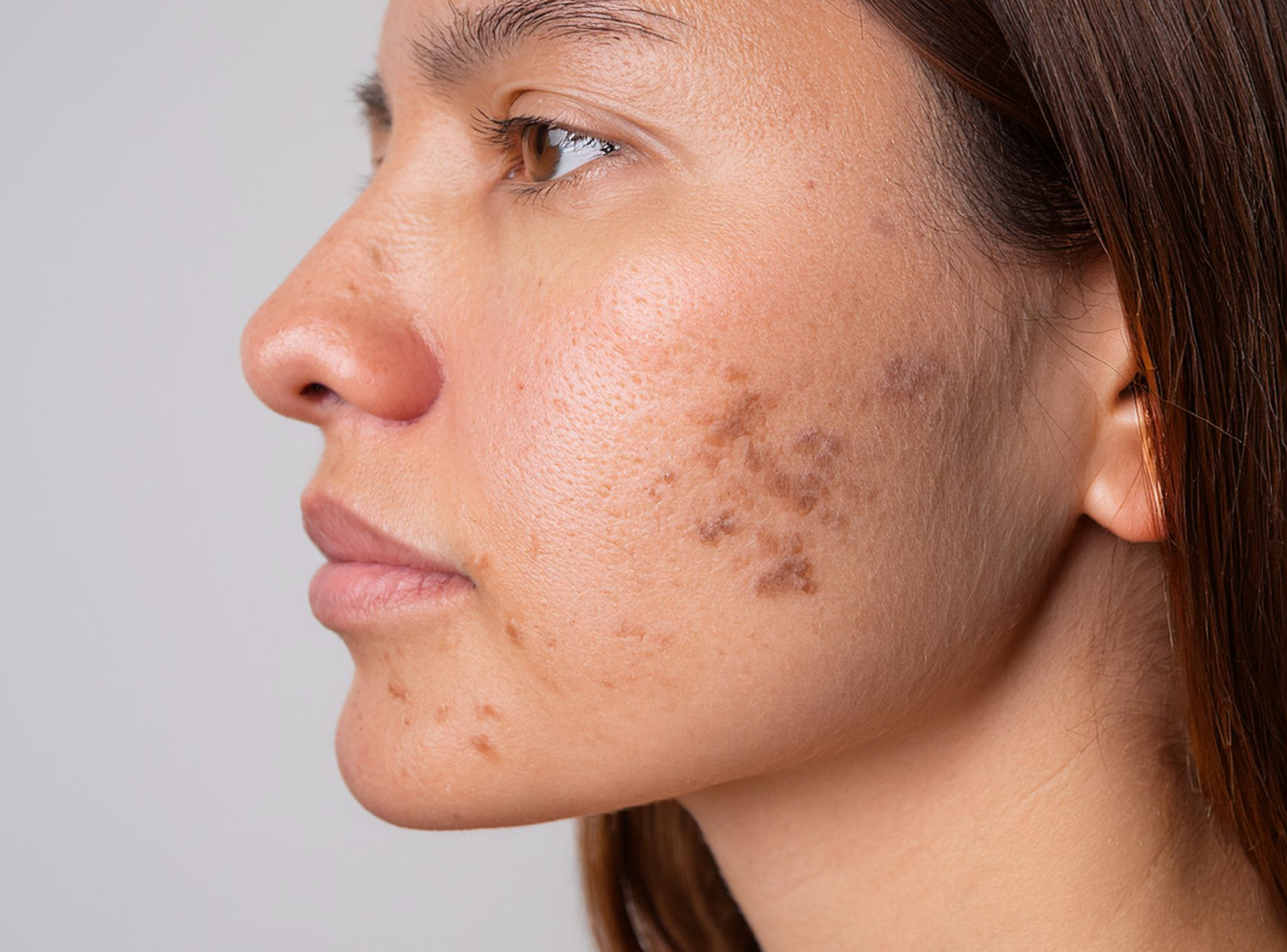
Precision is necessary for stubborn pigmentation and melasma, particularly in Dubai’s sun and Fitzpatrick III–V skin. For long-lasting clarity, Perfect Doctors Clinic’s method combines pigment modulators, rigorous sun protection, and mild, phased energy treatments.
Melasma Treatment In Dubai
Melasma Treatment In Dubai is to lessen dark areas and uneven skin tone brought on by genetics, hormone fluctuations, or sun exposure. Medical-grade chemical peels, laser and light-based therapies, mesotherapy, and personalized topical treatments are examples of advanced options. Dermatologists in Dubai create individualized treatment programs according to the severity of melasma and skin type. Patients can get clearer, brighter skin with the aid of state-of-the-art technology and professional care. Maintaining long-lasting results and preventing recurrence also requires regular sun protection and excellent skincare.
Hyperpigmentation Treatment In Dubai
Hyperpigmentation Treatment In Dubai emphasizes secure, personalized approaches tailored specifically for Gulf skin, which is more susceptible to melasma, sun damage, and uneven pigmentation. A successful protocol integrates professional therapies with medical-grade skincare and rigorous sun protection. Options including chemical peels, laser toning, microneedling, skin boosters, and topical depigmenting agents assist in diminishing dark patches while preserving the integrity of the skin barrier. A tailored approach is crucial, as aggressive treatments may exacerbate pigmentation in individuals with darker skin tones.
Understanding Melasma
A pigment with epidermal and dermal components that is influenced by hormones and the sun
- Heat, UV, and irritation flare-ups; harsh treatments frequently rebound.
- Requires gradual, gentle control rather than forceful, “one-and-done” methods.
Perfect Doctors Clinic’s Safe Melasma Plan
- First: SPF discipline, heat management, pigment modulators, and barrier repair
- Treat: physician-guided use of tranexamic acid; chemical peels when necessary; low-fluence pico techniques and toning
- Preserve: seasonal evaluations, antioxidant topicals, and timed touch-ups
Devices & Topicals
- Avoid over-exfoliation when using targeted peels for dyschromia.
- Physician-guided topicals (antioxidants, retinoids as tolerated, and pigment regulators).
- The use of picosecond/toning lasers with conservative fluence and cooling is also recommended.
Lifestyle & Functional Considerations
- Hormonal triggers are reviewed in consultation; pregnancy-safe substitutes are discussed when necessary
- Stress and nutrition management to minimize flare-ups.
- Sun and heat planning (scheduling exercises, hats, and reapplication routines)
What To Expect
- Staged visits and gradual, safer clearing over 7–14 weeks
- Photos and imaging objectively monitor progress; we strive for control and glow rather than excessively thinning skin; maintenance is crucial.
Types Of Melasma
The types of melasma vary according to the depth of pigmentation and its concentration in the skin layers, as follows:
Epidermal Melasma
The most obvious and manageable kind of melasma is epidermal melasma. It is distinguished by pigmentation in the skin’s outermost layer, which manifests as distinct brown patches.
It frequently reacts favorably to topical creams and superficial peels, and with regular treatment and sunscreen use, it significantly improves in a short amount of time.
Deep Melasma
Deep melasma is characterized by pigmentation penetrating deep into the skin’s layers and appearing gray or dark blue, making it more difficult to treat.
This type does not respond easily to traditional treatments and often requires specialized laser sessions or techniques, such as mesotherapy, to achieve tangible results with patience and consistent treatment.
Mixed Melasma
This type, which comes in different shades of brown and gray, combines the traits of deep and superficial melasma. It is the most prevalent kind in women, and in order to get good results, a mix of topical and technical treatments may be needed.
A comprehensive diagnosis by a specialist is necessary for mixed melasma in order to develop a treatment plan that is appropriate for the type of melasma and skin condition.
Symptoms And Diagnosis Of Melasma
Melasma symptoms appear gradually and are often aesthetically disturbing, especially on the face. Dermatologists use the following key symptoms to make the diagnosis:
- The forehead, cheeks, nose, or upper lip are common locations for irregular dark spots, which are more pronounced in direct sunlight or during hormonal changes.
- The skin gradually changes from light to brown or gray shades, and there are no obvious side effects such as itching or pain.
- The doctor can differentiate melasma from other forms of skin pigmentation, like freckles or pigmentation brought on by inflammation, thanks to the patches’ symmetrical placement on both sides of the face.
- Dermatologists frequently use a Wood’s lamp to visually diagnose melasma, and occasionally they may order a skin test to confirm the type of pigmentation.
Fastest 4 Ways To Reduce Melasma On Face
Doctors advise a series of efficient treatments for melasma that, if you closely follow directions and stay away from pigmentation-causing factors, produce noticeable results quickly. These treatments include:
Continued Use Of Melasma Creams
Continued use of the best face cream for melasma, such as those containing ingredients like hydroquinone, niacinamide, or azelaic acid, works to lighten dark spots quickly, along with skin boosters.
Apply Broad-Spectrum Sunscreen Daily
Melasma is directly caused by sun exposure, so using a sunscreen with an SPF of 40 or higher is crucial to minimizing pigmentation. Reapplying it every two hours is ideal, especially if you’re going outside during the day.
Following A Healthy Lifestyle
Getting enough sleep, taking antioxidants, and drinking enough water all aid in skin healing and quickly lessen the severity of pigmentation.
Adherence To The Treatment Plan
To reduce melasma pigmentation as much as possible, it is also crucial to follow the treatment plan, the type of melasma treatment recommended by the physician, and the number of treatment sessions.
BOOK AN APPOINTMENT TODAY
How To Prevent Melasma From Coming Back
To prevent melasma from returning after treatment, you must follow a consistent skincare routine and avoid the underlying triggers. The most crucial daily advice for prevention and sustaining treatment outcomes is as follows:
- Even indoors, wear a broad-spectrum sunscreen with an SPF of 60 every day because UV rays can cause melasma because they can pass through glass.
- Avoid direct sunlight during the middle of the day and wear hats and sunglasses to protect your face from photodamage.
- To avoid irritating your skin or making it more irritated, choose gentle skincare products devoid of perfumes or irritants.
- Consult a specialist to maintain hormonal balance, particularly after using birth control or during pregnancy.
- Utilize Dubai’s IV therapy services to support skin health from the inside out, striking a balance between nutritional assistance and external treatment.
- Hormone stabilization and melasma prevention are two benefits of losing weight in a healthy way with weight loss injections in Dubai.
- After a medical procedure, Perfect Doctors Clinic in Dubai offer continuing assistance with skin care or follow-up treatment.
FAQs
Can Melasma Be Cured’?
We concentrate on stable, long-term clarity; it’s manageable. Melasma is a persistent condition; thus, treatment outcomes emphasize sustained management rather than a definitive cure. With appropriate treatments, sun protection, and ongoing maintenance, pigmentation can be markedly diminished and effectively managed.
Is PICO Safe For Darker Tones?
Yes, provided you properly parameterize it and combine it with rigorous post-care. Pico laser is regarded as a safe procedure for individuals with darker skin tones when administered by qualified and experienced practitioners. Proper settings, thorough skin preparation, and meticulous aftercare minimize the risk of hyperpigmentation and promote safer, more uniform outcomes.
Can I Treat In The Summer?
Usually, yes, provided you have the proper plan and are disciplined. Summer treatment can be administered if exposure to sunlight is reduced. Consistent application of sunscreen, the use of protective clothing, and the implementation of carefully chosen procedures aid in preventing flare-ups and ensure the safe continuation of melasma treatments during warmer months.
What Is The Fastest Way To Cure Melasma?
The quickest results come from laser therapy or chemical peels with specialty creams, especially when done under medical supervision. Lasers or chemical peels are most effective when combined with prescribed topical treatments and sun protection, facilitating more rapid pigmentation reduction while reducing the likelihood of recurrence.
What Is The Best Treatment For Melasma On The Face?
Lightening creams, laser or peeling treatments, and sunscreen are the best ways to treat facial melasma. Facial melasma is most effectively treated with a personalized approach. Integrating topical treatments, in-clinic procedures, and daily use of broad-spectrum sunscreen aids in lightening hyperpigmented areas while safeguarding sensitive facial skin from additional harm.
Which Facial Is Best For Melasma Treatment?
According to experts, fractional laser, mesotherapy, and glycolic peeling are among the best facials for melasma. These treatments address pigmentation at various depths of the skin. When chosen based on skin type, they enhance skin tone, increase radiance, and progressively diminish melasma without inducing significant irritation or requiring extended recovery time.
Is There A Permanent Treatment For Melasma?
Although there might not be a permanent cure, it can be managed over time with consistent care and everyday avoidance. Regular treatments, using sunscreen every day, and staying away from things like heat and hormonal changes are important for keeping melasma under control and stopping it from coming back or getting worse.
MEET THE EXPERT DOCTOR
Best Aesthetic Clinic In Dubai For Melasma And Hyperpigmentation Treatment
Best Aesthetic Clinic in Dubai for Melasma and Hyperpigmentation Treatment at Perfect Doctors Clinic, skilled dermatologists offer cutting-edge, personalized treatments for pigmentation issues. The clinic targets melasma safely and effectively with cutting-edge technologies, such as chemical peels, laser treatments, and medical facials. To develop a customized treatment plan that fits their skin type and condition, each patient undergoes a thorough skin assessment. Perfect Doctors Clinic is renowned for its skilled professionals, strict adherence to safety regulations, and patient-centered methodology. To improve and sustain results, patients receive guidance on appropriate skincare practices and sun protection in addition to in-clinic procedures. This all-inclusive care guarantees visible improvement and healthier-looking skin.