





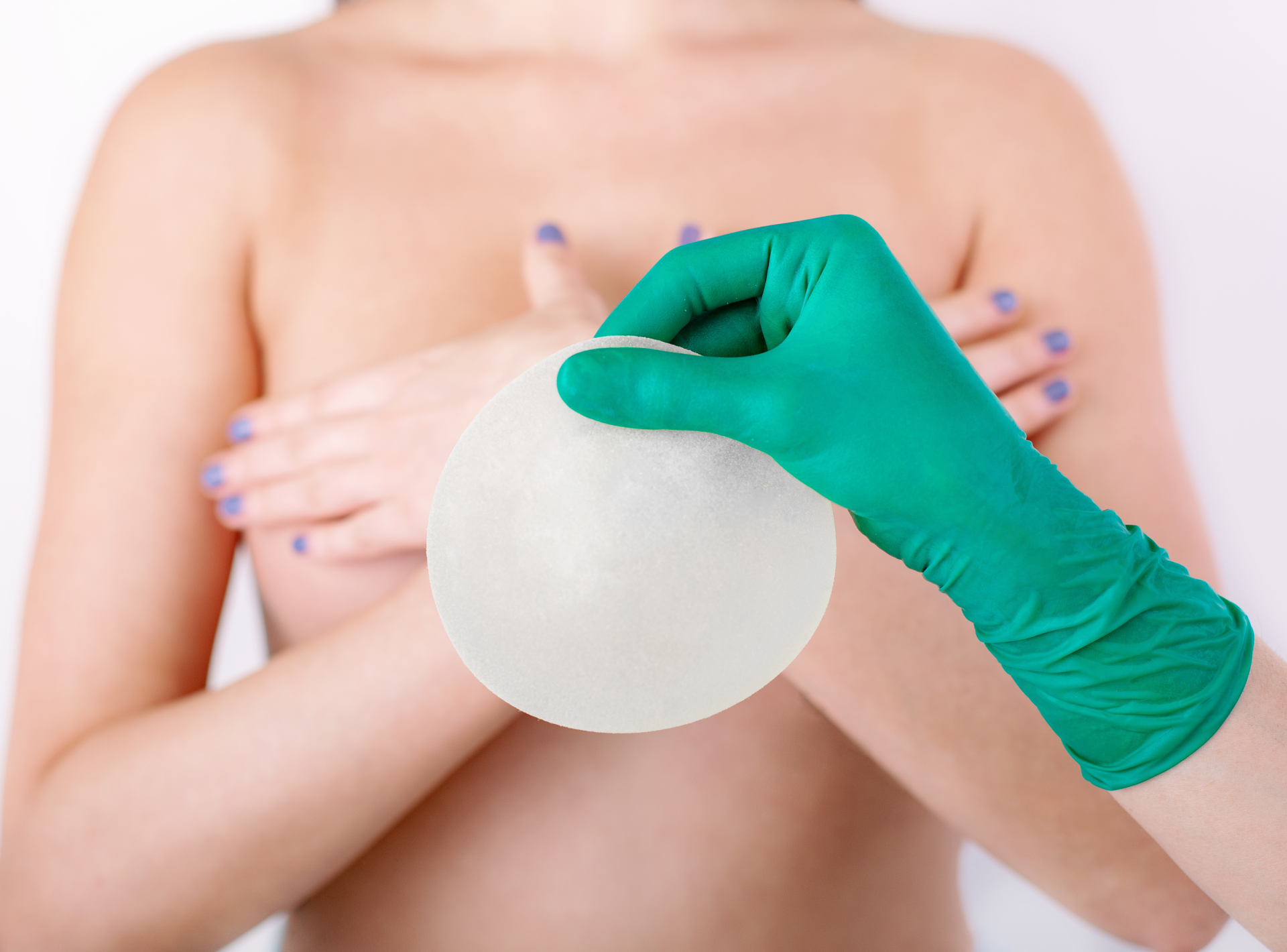
For women who are thinking about getting breast augmentation or who already have implants, recent FDA data has provided comforting news: At six years after surgery, the rupture rate of modern breast implants is less than 1%. Decades of technological development and extensive clinical testing have resulted in this notable improvement over implants from previous generations. Patients now have access to the safest breast implant options in history thanks to the FDA’s approval of Motiva implants in September 2025, joining well-known brands like Mentor and Allergan.
Compared to the worries that dominated conversations about breast implants in earlier decades, the most recent clinical data presents a very different picture. Cohesive gel implants of today have improved gel consistency, strengthened shells, and advanced surface technologies that reduce the risk of rupture. Dr. Perfect Celebrity of Perfect Doctors Clinic can now confidently offer breast augmentation to their patients thanks to a wealth of safety data from millions of implants worldwide.
Breast Implants In Dubai
Breast Implants in Dubai continue to be a highly sought-after cosmetic procedure for women who are seeking to restore their breasts after pregnancy or weight changes, improve their symmetry, or increase their breast volume. Regulatory data indicates that rupture rates for newer-generation implants are below 1%, a reflection of the significant safety advancements in modern implant technology that are being used in 2026. While maintaining realistic expectations, this advancement offers patients who are contemplating augmentation reassurance. In Dubai, cohesive gel implants and sophisticated surgical techniques are employed to ensure the durability and natural appearance of the procedure. Additional factors that contribute to the safety of outcomes include structured aftercare, personalized implant selection, and comprehensive consultations. Breast implants can provide long-lasting aesthetic satisfaction, boost confidence, and improve body balance for eligible candidates.
Current Breast Implant Rupture Statistics From FDA Clinical Trials
FDA-mandated clinical trials provide the strongest evidence for the safety of modern implants. These meticulous studies, following thousands of patients over several years, provide the gold standard for safety evaluation. According to the data, rupture rates are higher than they would have appeared to be a generation ago.
Clinical trials show that the current rate of device-related complications is less than 1%, according to the FDA Summary of Safety and Effectiveness Data. This signifies a significant change in implant dependability. Both primary augmentation and revision cases are included in the thorough tracking, which painstakingly records each adverse event.
These statistics are especially significant because of the scope of the data collection. Current FDA protocols necessitate systematic follow-up at predetermined intervals, in contrast to previous studies that depended on voluntary reporting. This procedure makes the low rupture rates even more remarkable by guaranteeing that even minor complications are recorded.
FDA-Approved Motiva Implants Show 0.5% Rupture Rate At 6 Years
The FDA’s approval of Motiva implants in September 2025 revealed especially positive data. A 0.5% rupture rate at six years was shown in clinical trials, establishing a new standard for implant longevity. This Kaplan-Meier risk assessment represents one of the lowest rupture rates ever recorded in FDA trials.
There is more to the significance than just percentages. Despite involving a range of patient demographics and surgical techniques, these trials continuously demonstrated outstanding safety profiles. At six years, the rate is 0.5%, meaning that over 98% of patients do not experience rupture-related complications during this crucial time.
Most astonishingly, the NIH’s 4-Year Evaluation revealed no instances of implant rupture in patients receiving primary augmentation. This remarkable outcome in a peer-reviewed study highlights how dependable contemporary implant technology is when placed correctly by skilled surgeons.
Global Post-Market Data From 2.9 Million Implants
Clinical trials offer controlled data, but validation from millions of implants in the real world is just as remarkable. One of the biggest safety databases in the history of plastic surgery, Establishment Labs’ post-market surveillance covers 2.9 Million implants inserted globally.
Remarkably, fewer than 0.09% of patients needed reoperation because of rupture. This indicates that less than one out of every 900 patients experienced ruptures severe enough to require surgery. These low rates across a range of patient demographics, surgical approaches, and geographic locations attest to the practical application of clinical trial findings.
Additionally, significant trends regarding implant longevity are revealed by this enormous dataset. Most of the rare ruptures that do happen are caused by trauma or years of use, not by normal daily activities or manufacturing flaws. Contemporary implants exhibit exceptional resistance to the mechanical strains of daily existence.
How Modern Implant Design Reduces Rupture Risk
Fundamental developments in implant engineering are responsible for the significant decrease in rupture rates. Multiple technological advancements that address every known failure mechanism from earlier generations are incorporated into today’s implants. When combined, these advancements result in devices that are far more robust than their predecessors.
The first line of protection against rupture is shell technology. The multi-layer structure of contemporary implant shells is made of cross-linked silicone polymers that are resistant to tearing and punctures. It took decades to find the ideal balance between strength and natural feel, and the thickness is optimized to achieve this.
Aggressive patterns that might result in weak spots have given way to complex micro-textures that preserve shell integrity and encourage tissue integration. The most recent SilkSurface and SmoothSilk technologies best demonstrate this development by providing biocompatibility without sacrificing robustness.
Cohesive Gel Technology And Crease Fold Improvements
Modern implants’ gel filling is very different from the liquid silicone used in the past. Today’s cohesive gel avoids gel migration, which was a defining feature of previous implant failures, by keeping its shape even in the event of a microscopic breach in the shell. This “gummy bear” consistency keeps the form stable without sacrificing its organic feel.
With better gel cohesion and shell design, crevice folds, once the most frequent location for shell failure, have all but disappeared. By providing uniform support, the gel keeps the shell from repeatedly folding, which over time could lead to stress fractures. Sophisticated manufacturing techniques guarantee consistent gel distribution throughout the implant.
The development of cohesive gels today parallels more general advancements in materials science, as did the early silicone technology. Each generation of Mentor implants has improved upon lessons learned, leading to today’s incredibly dependable devices, as explained in Dr. Perfect Celebrity’s perspective on the evolution of Mentor implants.
Clinical Evidence From 4-Year Studies
The effectiveness of these design enhancements in the real world is supported by numerous independent studies. In addition to finding no ruptures in primary augmentation cases, the NIH-published study that followed patients for four years also found no cases of severe capsular contracture that needed to be treated.
These investigations used cutting-edge imaging methods, such as MRI and high-resolution ultrasound, to find even silent ruptures that might not show any symptoms. The effectiveness of contemporary design principles is validated by the lack of ruptures even under such scrutiny. The few issues that were seen, according to the researchers, were usually more related to surgical technique than to device failure.
Data from long-term follow-up is still positive. Even after 6–9 years, patients who received implants made with advanced technology show rupture rates of less than 1%, indicating that the durability gains go well beyond the first few years following surgery.
BOOK AN APPOINTMENT TODAY
Comparing Rupture Rates: 2026 FDA-Approved Implants Vs. Previous Generations
The difference between current rupture rates and those of earlier generations demonstrates the progress of implant technology. A sizable portion of patients would experience rupture within ten years, according to earlier silicone implants from 1981 and 1991, which had rupture rates of 2% to 3% per year.
Second-generation implants somewhat improved these figures, but they still displayed alarming failure rates after ten years. An important turning point was the introduction of cohesive gel in early 2001, as rupture rates for the first time fell below 6% after ten years. Today’s sub-1% rates at six years represent another significant improvement in safety.
Better materials, a better understanding of biomechanics, improved manufacturing quality control, and improved surgical techniques are all examples of this progression. Every component helps to create the outstanding safety profile that patients can anticipate from contemporary breast augmentation.
Reoperation Rates And Real-World Outcomes
Overall reoperation rates offer a more comprehensive view of patient outcomes, whereas rupture rates only represent one facet of implant safety. According to data released by the FDA in September 2025, the reoperation rate at four years for all causes is 5.9%, with rupture making up a very small portion of these procedures.
Elective revisions for size change or aesthetic refinement, rather than medical necessity, account for the majority of reoperations. In the first six years, rupture-related reoperations make up less than 0.6% of cases when isolated. This distinction is crucial for patients weighing the risks of breast augmentation.
Patient satisfaction rates inversely correlate with these low complication rates. The majority of patients say they would choose breast augmentation again, and studies regularly show satisfaction levels above 96% six years after surgery. The safety enhancements shown in rupture statistics are confirmed by these practical results.
What These Statistics Mean For Your Breast Augmentation Decision
Patients are better able to make educated decisions regarding breast augmentation when they have a contextual understanding of rupture statistics. More than 98 out of 100 patients will not experience this complication within six years if the rupture rate is less than 1%. In comparison, this risk is lower than that of many standard medical procedures.
Additionally, the data shows that ruptures are usually not medical emergencies when they do occur. Even with shell compromise, contemporary cohesive gel implants frequently keep their shape, enabling planned rather than emergency revision surgery. For impacted patients, such surgery lowers medical risk as well as personal disruption.
Individual risk factors can further influence these already low rates. Complication rates are frequently even lower than the overall statistics indicate for patients who select skilled board-certified plastic surgeons, adhere to postoperative instructions, and schedule routine follow-up visits.
Risk Factors And Prevention Strategies
Numerous factors can influence individual rupture risk, despite the resilience of contemporary implants in a variety of patient populations. Placing the implant submuscularly, beneath the chest muscle, offers extra security and may lower the chance of rupture. For many patients, this placement option also tends to result in more natural-looking outcomes.
Surgeon experience plays a crucial role in minimizing complications. The best implant placement, tissue handling, and implant selection strategies that maintain implant integrity are known to board-certified plastic surgeons with substantial breast augmentation experience. Dr. Perfect Celebrity at Perfect Doctors Clinic approaches each procedure with decades of combined experience.
Lifestyle factors and postoperative care are also important. Even though contemporary implants can withstand everyday activities quite well, preventing severe chest trauma and scheduling routine follow-up visits help guarantee early problem identification. The majority of patients don’t have to worry about implant damage when they resume their regular activities, including exercise.
FDA Monitoring Requirements And Follow-Up Care
To guarantee continued implant integrity, the FDA suggests particular monitoring procedures. Periodic MRI or ultrasound imaging of silicone implants can identify silent ruptures that may not show any symptoms. According to current guidelines, imaging should begin 6–7 years after surgery and then every 3–4 years after that.
Rather than signifying a high risk, these monitoring recommendations demonstrate a prudent approach. The majority of screening tests will confirm intact implants because rupture rates are less than 1%. Regular monitoring, however, offers comfort and guarantees that any problems are identified early, when they can be resolved most easily.
Many patients find the small cost of monitoring to be worth the reassurance, though insurance coverage varies. To make long-term follow-up more convenient and economical, some practices provide monitoring packages that combine imaging with clinical exams.
MEET THE EXPERT DOCTOR
Best Plastic Surgeon In Dubai For Breast Implants
Best Plastic Surgeon in Dubai for Breast Implants is available at Perfect Doctors Clinic, where Dr. Perfect Celebrity provides state-of-the-art breast augmentation procedures that are consistent with the most recent implant innovations and safety standards. The clinic employs a patient-centered approach that commences with a comprehensive consultation to assess aesthetic preferences, lifestyle factors, skin elasticity, and body proportions. To achieve harmonious and natural-looking results, patients are provided with guidance on implant type, size, profile, and placement, with a focus on long-term safety. Dr. Perfect Celebrity employs modern surgical planning, precise pocket creation, and refined incision techniques to minimize visible scarring and support optimal implant positioning. Emphasis is also placed on educating patients about the durability of implants, monitoring, and realistic expectations, particularly in light of the fact that contemporary data indicates that high-quality implants have extremely low rupture rates. Throughout the journey, individuals receive attentive preoperative preparation, comfortable surgical care, and structured postoperative follow-up to ensure a smooth recovery. Perfect Doctors Clinic is a dependable destination for women in Dubai who are seeking reliable breast implant outcomes, enhanced body confidence, and reassurance through evidence-based aesthetic care. We achieve such success by combining experienced surgical expertise, advanced facility standards, and personalized treatment strategies.
Book A Personalized Aesthetic Consultation
Explore our world of artistic potential. Make an appointment to speak with our skilled team of cosmetic surgeons about your objectives. Give a call or complete the form below.
Conclusion: Evidence-Based Safety In Modern Breast Augmentationate 2?
The safety of breast implants in 2026 is remarkably positive, according to the most recent FDA data and international surveillance studies. Modern implants have attained previously unheard-of reliability, with rupture rates below 1% after six years and some studies demonstrating zero ruptures in primary augmentation cases. Decades of research, sophisticated materials science, and strict regulatory oversight are responsible for these advancements.
These figures offer significant comfort to women who are thinking about getting breast augmentations. This is the best time to pursue breast enhancement because of the outstanding safety data, high patient satisfaction rates, and ongoing technological advancements. We encourage you to make an appointment for a consultation with Perfect Doctors Clinic’s Dr. Perfect Celebrity if you would like more information about your options for breast augmentation using the newest FDA-approved implants. Their knowledge, along with the most recent advancements in implant technology, guarantees that you will receive tailored advice based on the best available safety information and surgical methods.