





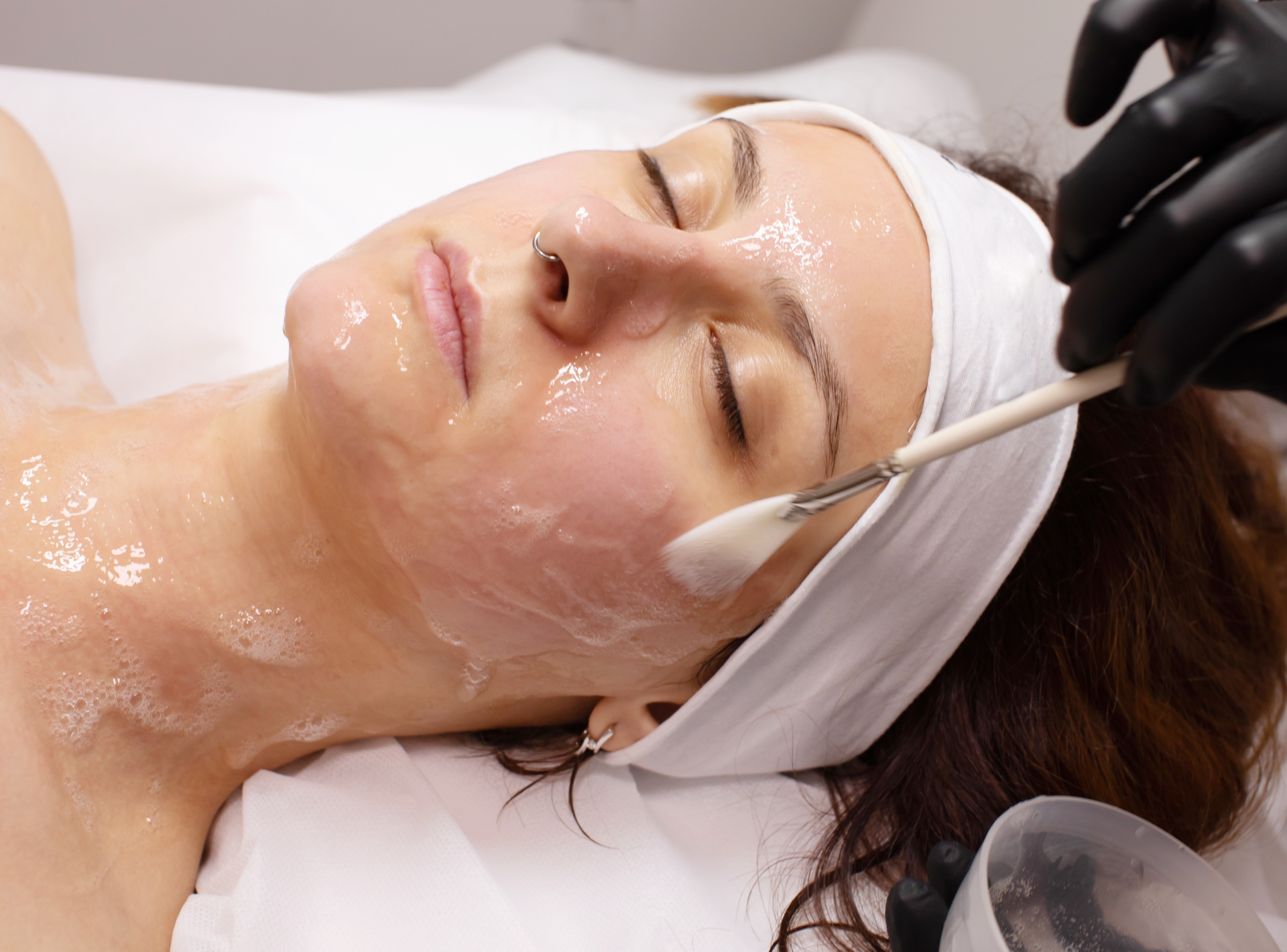
Chemical peel resurfacing has come a long way, giving people in Dubai strong ways to get skin that is smoother and more luminous. Knowing your options helps you make smart choices regarding your skincare journey, whether you’re dealing with fine lines, sun damage, or uneven texture. This complete guide has all the information you need about chemical peels in 2026.
Chemical Peel Resurfacing In Dubai
Chemical peel resurfacing in Dubai is a popular cosmetic treatment designed to refresh and revitalize the skin by removing dead cells and promoting new cell growth. Using carefully selected acids such as glycolic, salicylic, or lactic acid, dermatologists in Dubai tailor each peel to suit individual skin types and concerns, from acne and pigmentation to fine lines and uneven tone. The city’s top skincare clinics combine medical expertise with luxury care, ensuring safe, comfortable, and visible results. Whether you choose a light, medium, or deep peel, a chemical peel in Dubai can help you achieve a smoother, clearer, and more youthful complexion.
What Is Chemical Peel Resurfacing and How Does It Work?
Chemical peel resurfacing is a way to make your skin look younger by using particular acid solutions to get rid of the outer layers of skin. This reveals healthier, smoother skin underneath. When these acids are applied in a controlled way, they start the skin’s natural healing process, which speeds up the formation of collagen and the turnover of cells. This procedure takes care of many problems at once, including dull texture, fine wrinkles, hyperpigmentation, and acne scars.
The procedure works by dissolving the links between dead skin cells, which lets them fall off in a controlled way. As your skin recovers, it makes new cells and more collagen, which makes your skin seem better overall, with better tone and texture. The depth of penetration affects how strong the benefits are and how long it takes to heal.
What Happens To Your Skin During A Chemical Peel?
When a chemical solution touches your skin, it causes controlled damage that starts your body’s natural healing process. The acids break down the cement that holds dead cells together, which starts the shedding process, which you can see as peeling in the days after treatment.
This regulated injury tells fibroblasts to make new collagen and elastin fibers. At the same time, melanocytes help to balance out the distribution of pigment, which helps with discolouration. The epidermis grows new, healthy cells, and the dermis gets thicker with new structural proteins. This biological response is what makes chemical peels work straight away and get better over the next few weeks.
Why Has Chemical Peel Technology Advanced In 2026?
The move toward tailored, data-driven skincare routines in the beauty industry has changed how chemical peels are made and used. Modern peels now use buffering agents and delivery systems that let you regulate the depth of the peel exactly, while also reducing pain and making the results less likely to be what you expect.
Trends in regenerative aesthetics have also affected the development of peels. Now, formulations are made to help skin last longer instead of just fixing superficial problems. At advanced med spas, it is now common to use chemical exfoliation together with growth hormones, antioxidants, and substances that help the skin’s barrier. Compared to peels from just four years ago, these new technologies give patients more predictable results with less downtime.
What Are The Different Types Of Chemical Peels Available?
The depth of penetration of chemical peels dictates how strong the treatment will be, what outcomes are expected, and how long it will take to recover. Superficial peels work on the top layer of skin, medium peels work on the upper dermis, and deep peels go all the way to the mid-dermis for big changes. Each group meets the demands of different patients and skin types.
Your provider will suggest the right level of peel based on your skin type, concerns, lifestyle, and how much time you can take off. A lot of patients start with lesser peels and move on to deeper ones as their skin becomes used to them, and they feel more comfortable.
What Is the Difference Between Superficial, Medium, and Deep Peels?
To help you understand your options, the table below shows the most important features of each peel depth:
| Peel Depth | Penetration Level | Recovery Time | Best For |
| Superficial | Epidermis only | 0-4 days | Blandness, soft feel, upkeep |
| Medium | Upper dermis | 6-8 days | Moderate wrinkles, dark spots, and scars from acne |
| Deep | Mid-dermis | 19-15 days | Deep wrinkles, severe sun damage, and big scars |
Superficial peels don’t need much time off and can be done during lunch breaks. Deep peels, on the other hand, may need sedation and can cause a lot of peeling for up to two weeks. Most people can handle the recovery time after a medium-depth peel, which gives good results.
Which Chemical Peel Ingredients Are Most Effective?
Different acids work on different problems and go to different depths. Knowing what these ingredients are will help you understand why your provider chooses certain formulations for your treatment plan:
- Glycolic Acid: The smallest alpha-hydroxy acid molecule. It works well to get rid of fine lines, dullness, and mild hyperpigmentation.
- Salicylic Acid: An oil-soluble beta-hydroxy acid that works well on acne-prone skin by getting into pores and clearing them out.
- Trichloroacetic Acid (TCA): A medium-depth agent that can be used for a variety of skin problems, including moderate sun damage, pigmentation, and roughness.
- Phenol: A deep-penetrating agent that should only be used for major corrections under the care of a doctor
- Lactic Acid: A mild alpha-hydroxy acid that works well for sensitive skin and helps keep skin hydrated.
Who Is A Good Candidate For Chemical Peel Resurfacing?
Adults who want to fix certain skin problems, such as signs of aging, sun damage, uneven pigmentation, or textural irregularities, and who have realistic expectations are the best candidates for a chemical peel. Good candidates have skin that is generally healthy and free of active infections, show that they are committed to proper aftercare, and can stay out of the sun for long periods of time while they heal. A full consultation will decide if you are a good fit.
Dr. Perfect Celebrity at Perfect Doctors Clinic looks at each patient’s skin type, medical history, and aesthetic goals to suggest the best way to treat them. This personalized evaluation makes sure the best results and the least chance of complications.
What Skin Concerns Can Chemical Peels Treat?
Chemical peels are useful in aesthetic medicine because they can treat a wide range of skin problems:
- Fine lines and wrinkles, especially around the eyes and mouth
- Damage from the sun and photoaging
- Age spots, melasma, and hyperpigmentation
- Acne and scars from acne
- Rough patches and uneven skin texture
- Skin that looks dull and lifeless
- Bigger pores
- Some skin looseness
The type and depth of the peel you choose depend on what concerns you the most. Some patients benefit from a series of lighter peels, while others achieve their goals more efficiently with a single medium-depth treatment.
Are There Reasons Someone Should Avoid Chemical Peels?
There are some conditions that make chemical peel treatment unsafe or require extra care. If you have cold sores, skin infections, or open wounds in the area where you want to get treatment, you should wait. Using isotretinoin in the last seven to twelve months greatly raises the risk of complications.
Chemical peels should not be done on women who are pregnant or breastfeeding. People who have had abnormal scars in the past, like keloids, need to be carefully checked out. Some antibiotics and other drugs make you more sensitive to light, which can slow down healing. During your appointment, give your doctor a full medical history and a list of all the medications you are currently taking so they can make sure the treatment is safe.
Why Is Spring The Best Time To Start Chemical Peel Treatments?
Spring is the best time to start chemical peel treatments because your skin has had less sun exposure in the winter, which means it has less UV damage and a lower risk of hyperpigmentation. If you start treatments in February or March, you’ll be able to finish a full peel series before the summer sun gets too strong. This will give you fresh, new skin for social events and outdoor activities in the warm weather.
Spring is also a good time to protect your skin from the sun after a peel because the temperatures are mild and the UV index is lower. You won’t be exposed to as much direct sunlight, which can slow down healing and make pigmentation problems worse.
How Does Sun Exposure Affect Chemical Peel Results?
The most dangerous thing for chemical peel results is ultraviolet radiation. New skin that has just been revealed doesn’t have the protective barrier of mature skin cells, which makes it very easy for UV rays to damage it. During the healing process, being in the sun can cause long-lasting hyperpigmentation, uneven results, and redness that lasts longer.
For at least four to six weeks after treatment, you must protect yourself from the sun. This means wearing protective clothing, using sunscreen with an SPF of 35 or higher every day, and staying out of the sun between 10:30 AM and 4:30 PM. Patients who can’t promise to take care of their skin properly after treatment should think about putting off treatment until they can.
What Should You Expect During Your Chemical Peel Appointment?
Depending on how deep the peel is and what area it is on, a chemical peel appointment usually lasts between 35 and 65 minutes. Your provider starts by thoroughly cleaning your skin to get rid of oils and dirt. Then, they apply the chemical solution in controlled layers while keeping an eye on how your skin reacts. The solution stays on your skin for a set amount of time before being neutralized or removed. After that, you should use soothing products and sun protection.
Before you leave, you’ll get detailed instructions on how to take care of yourself and be able to ask questions. After superficial and medium peels, most patients feel safe driving themselves home. However, deep peels may need someone to drive you home.
How Do You Prepare For A Chemical Peel Treatment?
Getting ready the right way will give you the best results and lower the risk of problems. Your doctor may suggest the following steps before treatment:
- Stop using retinoids and exfoliating products 6 to 8 days before treatment.
- For one week, don’t use waxing, depilatory creams, or electrolysis on the area being treated.
- Stop using products that have benzoyl peroxide in them 3–4 days before.
- Come with skin that is clean and free of makeup, moisturizers, and sunscreen.
- Tell your doctor about any recent sun exposure, cold sore outbreaks, or changes in medication.
Some patients do better when they use topical agents before treatment to get their skin ready and make the peel go deeper. Your provider will make pre-treatment suggestions that are specific to your skin type and the type of peel you are getting.
What Does The Chemical Peel Procedure Feel Like?
The feelings during a chemical peel depend on how deep the peel is and how sensitive the person is. Most people can handle the mild tingling or slight warmth that comes with superficial peels. Medium-depth peels cause more noticeable stinging and heat that gets worse as the solution works and then goes away after it is neutralized.
Deep peels need local anesthesia or sedation because they are very painful to apply. To make you more comfortable during treatment, your provider may use handheld fans or cool air. Most patients say that any pain they feel is short-lived and manageable, lasting only a few minutes, and that the solution is working.
How Long Is Recovery After A Chemical Peel?
The amount of time it takes to heal depends on how deep the peel is. Superficial peels only need a few days of social downtime, while deep peels can take up to two weeks of peeling and redness. With superficial peels, you can go back to your normal activities right away, and the skin will only flake off for 2 to 4 days. Medium peels take 6 to 8 days for the skin to look good again, and deep peels take 12 to 15 days for most people to feel comfortable in public.
If you plan your treatment around your work and social schedule, you can make sure you have enough time to heal without worrying about it. A lot of people plan their medium or deep peels before they have to go to work or do something social.
What Does the Healing Process Look Like Day by Day?
This timeline shows how long it usually takes for a medium-depth peel to heal:
| Day | What To Expect | Care Instructions |
| Day 0-2 | Tightness, redness, and swelling are possible. | No touching, gentle cleaning, and a lot of moisturizer |
| Day 3-4 | Getting darker, starting to peel | Let the skin shed naturally and keep moisturizing. |
| Day 5-6 | Peeling and flaking are happening | Don’t pick at or pull on your skin, and drink plenty of water. |
| Day 7+ | Fresh pink skin showed up, and sensitivity went down. | Start gentle skin care and strict sun protection. |
Don’t pick, pull, or exfoliate peeling skin because it can leave scars and make skin darker. For best results, let the dead skin fall off on its own.
What Aftercare Steps Optimize Chemical Peel Results?
Your final results will be much better if you take care of yourself properly afterward. For the best healing, follow these steps:
- Use the recommended moisturizer or healing ointment often to keep your skin moist.
- Once your skin has healed, stay out of the sun and use broad-spectrum SPF 30+ every day.
- Don’t use active ingredients like retinoids, vitamin C, or acids until your provider says it’s okay.
- Don’t work out or put your skin in too much heat for 48 to 72 hours.
- Avoid touching your face and sleep on a clean pillowcase.
- Drink plenty of water and stay away from alcohol, which can dry out skin that is healing.
How Can Chemical Peels Be Combined with Other Treatments?
Modern aesthetic protocols often use chemical peels along with other treatments to get full skin rejuvenation that works on many problems at once. Using strategic combination approaches can boost collagen stimulation, help products penetrate better, and give results that are more dramatic than those of any one treatment alone. This is in line with the 2026 trend toward treatment plans that are tailored to each patient and use more than one method.
Your provider makes combination protocols based on your unique needs, skin type, and lifestyle factors like how much time you have to spare and how much money you have to spend.
What Treatments Pair Well With Chemical Peels?
Chemical peels work well with several other treatments:
- Microneedling: done weeks before or after peels to help collagen remodeling.
- Laser treatments: Different wavelengths work on different layers of skin and problems.
- Injectable neurotoxins: Get rid of dynamic wrinkles that peels can’t get rid of
- Dermal fillers: It adds volume back to the skin, while peels make the surface feel better.
- Medical-grade skincare: Keeps the results of peels going between treatments and makes them last longer.
Patients who want to completely rejuvenate the area around their eyes can combine chemical peels with other procedures like eyelid surgery and brow lift surgery. It takes expert planning to make sure that combination treatments are done at the right time and in the right order to ensure safety and the best results.
How Does a Personalized Treatment Plan Improve Outcomes?
Because everyone’s skin problems, types, and healing abilities are so different, a personalized approach works better than a one-size-fits-all plan. During your consultation, your provider will look at your skin, go over your medical history, talk about your goals, and come up with a treatment plan that is just right for you.
This personalized plan could include getting your skin ready for treatment, choosing the right peel for your Fitzpatrick skin type, giving you skin care advice after treatment, and making sure your results stay fresh with a maintenance schedule. The trend in 2026 aesthetics is to use data to create personalized plans for each patient. This shows that the industry knows that personalization leads to better patient outcomes and satisfaction.
BOOK AN APPOINTMENT TODAY
What Results Can You Realistically Expect from Chemical Peels?
Chemical peels make the skin look better by changing its texture, tone, and clarity. The results depend on how deep the peel is and how your skin is different from other people’s. Superficial peels make the skin look brighter and smoother in small ways. Medium and deep peels, on the other hand, can make wrinkles much less noticeable, get rid of hyperpigmentation, and make acne scars much better. As collagen remodeling continues, most patients notice that their condition gets better over the weeks after treatment.
To be happy, you need to have realistic expectations. Chemical peels can’t give you the same results as surgery or get rid of all of your deep wrinkles, but they can make a big difference that many patients say changes the look and health of their skin.
How Many Chemical Peel Sessions Are Needed for Optimal Results?
How many treatments you need depends on your goals, the depth of the peel you choose, and what you want to fix. The following is some general advice:
| Peel Types | Typical Series | Treatment Interval |
| Superficial | 5-7 treatments | 3-5 weeks apart |
| Medium | 2-4 Treatments | 4-8 months apart |
| Deep | Most commonly, a single treatment. | Once in a lifetime |
After their first series, many patients set up maintenance schedules that include lighter peels every so often to keep their results. Based on how you respond and what you want to achieve, your provider will suggest a treatment schedule.
How Long Do Chemical Peel Results Last?
A single peel treatment won’t last forever because skin keeps getting older and damaged by the environment over time. Results from a superficial peel last about one to two months. Results from a medium peel can last six months to a year. Results from a deep peel can last several years if you take care of your skin and protect it from the sun.
To keep the results, you need to protect your skin from the sun every day, use the right products, and get maintenance treatments every so often. Patients who keep their skin healthy with medical-grade products and regular professional treatments get longer-lasting results from their first peel series.
What Are the Risks and Side Effects of Chemical Peels?
Chemical peels can be risky if they are done wrong or on the wrong people. They can cause infection, scarring, hyperpigmentation, hypopigmentation, and redness that lasts a long time. However, serious problems are rare when qualified providers give the treatment, choose the right patients, and follow the aftercare instructions. Knowing both the possible side effects and the possible risks of a treatment can help you make a smart choice.
It’s important to know the difference between normal healing and real problems. Your provider will tell you exactly what to expect and when to call the office if you have any questions.
What Side Effects Are Normal After a Chemical Peel?
The following temporary effects are normal and should not worry you:
- The redness can be anywhere from a light pink to a deeper erythema, depending on how deep the peel is.
- As the skin gets ready to shed, it gets tight and dry.
- You can see peeling and flaking, which means the treatment is working as it should.
- Temporary sensitivity to skin care products
- A little swelling, especially around the eyes, after medium or deep peels
- The treated pigmentation will temporarily get darker before it falls off.
These effects go away within the time frame you expect for your peel depth to heal. If you have severe pain, signs of infection, blisters, or effects that seem too strong for your treatment, call your provider right away.
How Can You Minimize Complications from Chemical Peels?
The most important thing you can do to lower your risk of complications is to choose a qualified provider. Board-certified plastic surgeons and their trained medical staff know how to choose the right patients and deal with problems that come up. Reputable practices like Perfect Doctors Clinic use evidence-based protocols that put patient safety first.
Patient compliance also has a big effect on the results. Following the instructions for pre-treatment, strictly following the instructions for aftercare, and being honest with your provider about how your healing is going all lower the risk of complications. Patients who try to speed up peeling by picking at it or using active products too soon are more likely to have bad outcomes.
Why Choose a Plastic Surgery Practice for Your Chemical Peel?
Plastic surgery clinics offer chemical peels as part of a medical setting that puts safety, effectiveness, and thorough aesthetic planning first. Plastic surgery offices are not like spas because they have doctors on staff, access to medical-grade peel formulations, and the knowledge to deal with any problems that may come up. This medical foundation helps patients feel more confident and get better results.
Dr. Perfect Celebrity at Perfect Doctors Clinic has decades of experience in aesthetic medicine. This means that every patient interaction is safe and effective.
What Makes Medical-Grade Chemical Peels Different?
There are a number of important ways in which medical-grade peels available at doctor-supervised practices are very different from spa treatments and over-the-counter products:
- Higher concentrations: Professional peels use stronger acids than store-bought products, which leads to better results.
- Customized formulations: Providers can mix different acids and change the depths depending on the needs of each patient.
- Controlled application: Medical training makes sure that the right technique, timing, and neutralization are used.
- Complications management: Medical staff can quickly and correctly deal with bad reactions.
- Integration with comprehensive care: Peels are a part of larger plans for aesthetic treatment that include other types of care.
How Does Board-Certified Expertise Benefit Your Treatment?
Board-certified plastic surgeons have a lot of training in skin anatomy, wound healing, and aesthetic principles that guide every treatment decision. They can accurately judge whether you are a good candidate, choose the right types and depths of peels, and predict how your skin will react to treatment because they are experts in this field.
If problems do happen, which is rare with the right patient selection, board-certified doctors know how to handle them well. This safety net gives you peace of mind that day spas and other non-medical settings just can’t. Combining surgical skills with non-surgical treatment options makes for truly complete aesthetic care.
Frequently Asked Questions About Chemical Peel Resurfacing
How Much Does A Chemical Peel Cost In Dubai?
In Dubai, the cost of a chemical peel can vary for a superficial peel, for a medium-depth peel, and more for a deep peel. Prices depend on the type of formulation used, the size of the treatment area, the provider’s level of experience, and where the practice is located. When you buy a series of treatments, you usually save money compared to paying for each one separately.
When you go in for a consultation at Perfect Doctors Clinic, you’ll get a quote that’s tailored to your specific treatment plan. The practice can talk to you about payment options and help you see how much better professional treatment is than other options that don’t work as well.
Can You Wear Makeup After A Chemical Peel?
You shouldn’t wear makeup for at least one to two days after a superficial peel and 8 to 12 days after a medium-depth peel, or until the peeling is done and new skin has formed. Putting makeup on skin that is actively peeling can let bacteria in and slow down the healing process. Choose mineral-based makeup that won’t clog pores and won’t irritate your new skin once your provider gives you the go-ahead.
Is A Chemical Peel Better Than Microdermabrasion?
Chemical peels and microdermabrasion are not the same and go to different depths. Chemical peels use acid solutions to make the skin peel off more deeply and dramatically. Microdermabrasion is a gentle way to remove dead skin cells that is good for maintenance and minor issues. Many patients benefit from both treatments at different times or when they are used together.
How Often Can You Get A Chemical Peel?
How often you get treatment depends on how deep the peel is. You can get superficial peels every 3 to 5 weeks, medium peels every 4 to 8 months, and deep peels only once in a lifetime for any area. Your provider will suggest a schedule that works best for your skin and your ongoing goals.
Do Chemical Peels Help with Acne Scars?
Chemical peels work well to improve some kinds of acne scarring, especially shallow boxcar scars and post-inflammatory hyperpigmentation. The best way to improve acne scars is with medium-depth TCA peels. For the best results, deep ice pick scars may need extra treatments like subcision or fractional laser resurfacing. Your doctor can look at your scars and suggest the best treatments for them.
Are Chemical Peels Safe For Darker Skin Tones?
If the right precautions and peel are taken, chemical peels can be done safely on darker skin tones. People with Fitzpatrick skin types IV through VI are more likely to get post-inflammatory hyperpigmentation, so they need to be careful when choosing a peel, use shallow peels, and take melanin-inhibiting agents for a longer time before the treatment. Experienced providers who know how to treat a wide range of skin tones get great results and lower the risk of pigmentation problems.
Frequently Asked Questions
How Long Does Recovery Take After A Chemical Peel?
The depth of the peel affects how long it takes to heal. Superficial peels take 2 to 4 days, with only a little bit of social downtime and mild flaking. It takes 6 to 8 days for skin to look good after a medium-depth peel, and the peeling is active from days 4 to 6. Most people don’t feel comfortable going out in public for 12 to 15 days after a deep peel. Planning treatments around your schedule makes sure you have enough time to heal.
What Skin Concerns Can Chemical Peels Treat?
Chemical peels are great for getting rid of fine lines and wrinkles, sun damage, hyperpigmentation, melasma, age spots, acne and acne scars, uneven skin texture, dull skin, enlarged pores, and mild skin laxity. It depends on what problems you want to focus on when you choose the type and depth of peel. Some patients do better with a series of lighter peels, while others reach their goals with just one medium-depth treatment.
How Long Do Chemical Peel Results Last?
The results depend on how deep the peel is. Results from a superficial peel last about two to three months, results from a medium peel last about seven months to a year, and results from a deep peel can last for several years with the right skin care and sun protection. To keep the results, you need to protect your skin from the sun every day, use the right skincare products, and get maintenance treatments every so often to keep the benefits of the first treatment series.
Why Is Spring The Best Time For Chemical Peel Treatments?
Spring is the best time because the skin has had less sun exposure in the winter, which means it has less UV damage and a lower risk of hyperpigmentation. If you start treatments in February or March, you can finish a full peel series before the summer sun gets too hot. Because of the moderate spring temperatures and lower UV index, it’s easier to protect your skin from the sun after a peel than it is in the summer.
What Is The Difference Between Superficial, Medium, And Deep Chemical Peels?
Superficial peels only go through the epidermis and take 2 to 4 days to heal. They are best for dull skin and mild texture. Medium peels go deeper into the skin and take 6 to 8 days to heal. They are best for moderate wrinkles, dark spots, and acne scars. Deep peels go deeper into the skin and take 12 to 15 days to heal. They are only for very bad sun damage, deep wrinkles, and scars.
MEET THE EXPERT DOCTOR
Best Aesthetic Clinic In Dubai For Chemical Peel Resurfacing
Best Aesthetic Clinic in Dubai for chemical peel resurfacing is Perfect Doctors Clinic, led by Dr. Perfect Celebrity, who is recognized for outstanding expertise, patient-centered care, and the use of state-of-the-art technology. The clinic is renowned for employing FDA-approved products and safe, medical-grade procedures that prioritize patient well-being while delivering visible, natural-looking skin improvements. Each chemical peel treatment at Perfect Doctors Clinic is tailored to the individual’s specific skin concerns, whether addressing acne scars, pigmentation, fine lines, or dullness. The clinic’s team of highly skilled dermatologists and aesthetic specialists ensures every procedure is performed with precision and in accordance with the highest safety and hygiene standards.
What Is Your Next Step Toward Rejuvenated Skin?
When done by trained professionals using the right methods, chemical peel resurfacing is a proven way to get skin that is smoother, clearer, and looks younger. Spring is the best time to get treatment, and the new formulations for 2026 work better than ever. Now is a great time to look into how chemical peels can help with your skin problems.
You can make an appointment with Dr. Perfect Celebrity and the staff at Perfect Doctors Clinic to talk about your skin goals and find out which chemical peel method is best for you. Whether you’re getting your first peel or are ready to add resurfacing to a full rejuvenation plan, their full range of aesthetic services will make sure you get expert advice. Call the practice today to start your journey to skin that looks bright and healthy.