





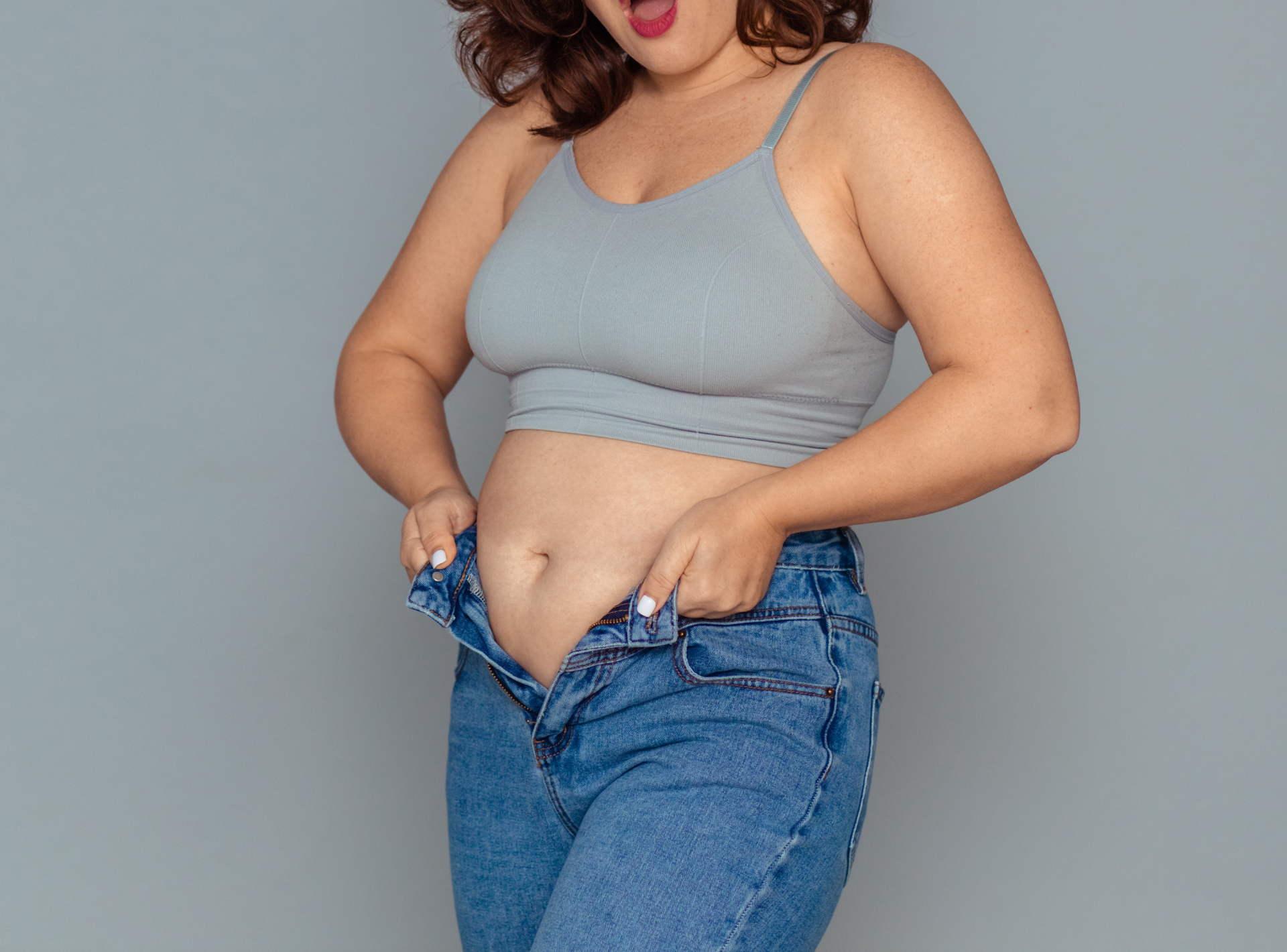
Liposuction is intended to contour and reshape the body by eliminating stubborn fat deposits, rather than to function as a significant weight loss solution. Understanding realistic expectations enables patients to concentrate on the sculpted results and body proportions rather than the numbers on the scale.
Liposuction In Dubai
Liposuction in Dubai is primarily a body contouring procedure, rather than a weight-loss procedure. The majority of patients can safely lose between 3 and 6 liters of fat during a single session, which may be equivalent to approximately 3 to 6 kilograms, depending on their body type and the specific areas of the body targeted for treatment. The objective is to create a more sculpted and slimmer appearance by eliminating stubborn fat pockets from areas such as the abdomen, thighs, arms, or back. It is the optimal choice for individuals who are in close proximity to their target weight and are experiencing difficulty with localized fat deposits. Liposuction in Dubai provides improved body proportions, reduced downtime, and smoother results than significant overall weight reduction, thanks to the use of modern technology and advanced techniques.
What Is Liposuction?
A surgical technique called liposuction eliminates extra fat deposits beneath the skin to produce contours that are smooth and defined.
According to the British Association of Aesthetic Plastic Surgeons, the number of procedures performed increased by 9% in 2025, making it the fifth most popular surgical procedure in the United Kingdom.
Although liposuction can be done anywhere on the body, the most common locations are:
- The abdomen
- The waist
- The hips
- Arms
- Thighs
- Back
To improve the results of body contouring, liposuction is frequently combined with other procedures like arm lifts or abdominoplasty.
Liposuction fat can also be utilized in fat transfer procedures, such as hip dip surgery or Brazilian butt lifts.
The greatest method to find out if liposuction is appropriate for your concerns is to schedule a consultation with a body contouring expert at our surgical center of excellence in Dubai, UAE.
How Much Fat Can Liposuction Remove?
Up to five liters of fat can be removed during a standard liposuction procedure. Typically, this is slightly less than 6 kg, or 12 lbs.
Several factors influence the precise amount of fat removed during a liposuction procedure, such as:
- Your individual worries
- The area or areas under treatment
- The outcomes you hope to achieve
- Are there any other procedures being performed concurrently?
In order to determine whether you are a good candidate for liposuction, your surgeon will also talk about where your fat is located.
Only subcutaneous fat, which is found beneath the skin and above the muscle, can be eliminated by liposuction. Liposuction cannot be used to treat fat that surrounds the organs and lies beneath the muscle.
Can Liposuction Be Used For Weight Loss?
Although patients may experience some degree of weight loss after a liposuction procedure, this is not the main goal of the procedure, and the notion that liposuction is a weight loss procedure is false.
By eliminating stubborn fat deposits that are giving an area of the body an uneven or disproportionate appearance, liposuction is primarily a body contouring procedure that defines and smooths that area.
When contemplating liposuction surgery, it’s important to consider the overall outcomes you hope to attain rather than just the potential amount of fat removed.
What Are Good Liposuction Results?
A patient’s desired outcomes and the specific procedure they have chosen will determine the outcome of their liposuction.
A variety of liposuction before and after photos that represent the procedure you are interested in and patients with comparable concerns to your own will be shown to you by your surgeon during your consultation.
The following components contribute to successful liposuction outcomes:
- Equilibrium ratios
- Equilibrium
- Texture and tone of skin
It’s crucial to keep in mind that the amount of fat removed during a liposuction procedure is not the primary sign of its success. Your surgeon will discuss your expected results and the procedure’s most important aspects during your consultation.
Can You Get Liposuction At Any Weight?
When assessing your suitability for liposuction, your surgeon will take into account a number of weight-related factors, including:
- Your BMI: The Body Mass Index, or BMI, is a metric that indicates if a person’s weight is appropriate for their height. A high BMI may impact your suitability for liposuction as well as the procedure’s safety.
- Stable weight: To get the results you want from liposuction, you should have maintained your ideal weight for at least six months after losing weight or going through a life transition like becoming pregnant.
- Your intended outcomes: Your surgeon will go over other options and explain why liposuction might not be the best option for you if weight loss is your main objective or desired outcome.
During your consultation, your surgeon will speak with you about your unique situation and determine whether you are the right weight for liposuction.
BOOK AN APPOINTMENT TODAY
What Is The Best Option If I’m Not Suitable For Liposuction?
There are a number of options available to people looking for weight-loss methods who are not good candidates for liposuction.
It is crucial that you consult your physician to rule out any underlying medical conditions if you are concerned about significant or inexplicable weight fluctuations.
Calorie intake is most likely the cause of weight gain when underlying medical conditions are not a factor. Even though we all require calories from our diet for energy and bodily functions, eating too much regularly results in the accumulation of fat throughout the body.
In addition to making many people feel self-conscious and insecure, being overweight can raise your risk of contracting diseases like Type II Diabetes, High Blood Pressure, Heart Attacks, and Strokes.
For many people, losing weight can be a delicate topic, so it’s critical to find a customized strategy that addresses your issues.
Diet And Exercise
Diet and exercise are the first things that many people turn to when they want to lose weight.
Exercise and diet aid in weight loss by:
- Diet: Cutting calories on a regular basis encourages the body to use the energy stored in fat reserves, which lowers fat and body weight.
- Exercise: Particularly aerobic and weightlifting exercises increase the body’s energy expenditure, allowing it to use the energy stored in body fat.
The best results are usually obtained when diet and exercise are combined.
Speaking with a licensed General Practitioner (GP) will assist you in the following ways if you’re unsure where to start with diet and exercise:
- Create a sustainable and successful diet and exercise program.
- For expert guidance and care, obtain appropriate referrals to certified dietitians and fitness professionals.
- Keep to the plan and take responsibility for your assistance.
- When needed, offer more services and guidance on weight loss.
Exercise and diet can be intimidating, and people worry that they won’t be able to stick to the plan. Consulting with a trained expert guarantees your support during the process and can offer more weight-loss options if necessary.
Weight Loss Medication
Many patients are now finding that weight loss medication is a successful and empowering solution for their failed diet and exercise attempts.
Its weight loss benefits, first recommended as a treatment for Type II Diabetes, are now widely accepted and provide transformative outcomes for both health and appearance to patients who have long struggled to control their weight.
For patients thinking about taking this route, there are several options for weight loss medications available:
- GLP-1 Receptor Agonists: The most well-known weight loss drugs are GLP-1 receptor agonists, which are injectable medications that decrease blood sugar levels and slow down the passage of food through the stomach, which suppresses appetite.
- Dual GIP/GLP-1 Agonists: GLP-1 Agonists are comparable to these. They suppress appetite and regulate blood sugar, and they are injectable as well. Nonetheless, there is proof that they work better for issues related to weight alone.
- Orlistat: An alternative medication for weight loss, Orlistat is a tablet that stops some of the fat from being absorbed.
A licensed healthcare provider who can evaluate your suitability, track your progress, and identify any unintended side effects must prescribe weight loss medication.
Your doctor will take into account the following factors when deciding whether you are a good candidate for weight loss medication:
- Your BMI: Patients with a BMI over 34 usually benefit the most from weight loss medication.
- Medical history and current conditions: Weight loss medication may be beneficial for patients who have weight-related conditions or are at high risk for developing them.
- Any prior techniques for losing weight: A person should usually consider alternative approaches before trying medication; their consultant may recommend these alternatives.
- Your family history and ethnicity: Some ethnic groups are more likely to experience health issues related to weight.
During your consultation, your doctor will go over all of these aspects, explain whether you are a good candidate for weight loss medication, and outline the outcomes you can anticipate.
Frequently Asked Questions
Is Weight Loss Liposuction A Surgical Procedure?
No, there isn’t a real procedure called “weight loss lipoplasty.” Following a fat removal procedure, patients might experience a slight decrease in weight (approximately 6 kg, or 12 lbs), but this is not the main goal of liposuction.
The shape and contours of the body are altered by liposuction, a body contouring procedure that eliminates tenacious fat deposits beneath the skin.
What Is The Average Liposuction Weight Loss?
If weight loss is your primary concern, there may be better options available, such as diet and exercise or weight loss medication. Liposuction is not primarily a weight loss procedure.
However, the average weight loss following liposuction reflects the removal of up to 6 kg of fat during the procedure.
Do You Have To Be A Certain Weight For Liposuction?
Your surgeon must take into account a number of weight-related factors to make sure you are a good candidate for liposuction, even though there isn’t a set ideal weight.
Whether your BMI is appropriate for a general anesthetic procedure and whether you have kept your weight steady for at least six months are two examples of this.
MEET THE EXPERT DOCTOR
Best Plastic Surgeon In Dubai For Liposuction
Best Plastic Surgeon in Dubai for Liposuction is available at Perfect Doctors Clinic, where Dr. Perfect Celebrity offers advanced and customized body contouring treatments. It is imperative to select the appropriate surgeon for liposuction, as it necessitates a profound comprehension of body proportions, artistic talent, and precision. Before recommending the most appropriate technique, an experienced specialist meticulously assesses the patient’s health, fat distribution, and aesthetic objectives.
Modern liposuction techniques are implemented at Perfect Doctors Clinic to guarantee the safe removal of fat while preserving the appearance of natural contours. The objective is to improve the overall balance and symmetry of the body, in addition to reducing stubborn fat. Patients attain optimal outcomes through comprehensive consultations, personalized treatment plans, and appropriate postoperative support. Individuals can anticipate enhanced confidence, a more streamlined body shape, and long-lasting contouring results that are customized to their specific requirements as a result of patient-centered care and professional expertise.