





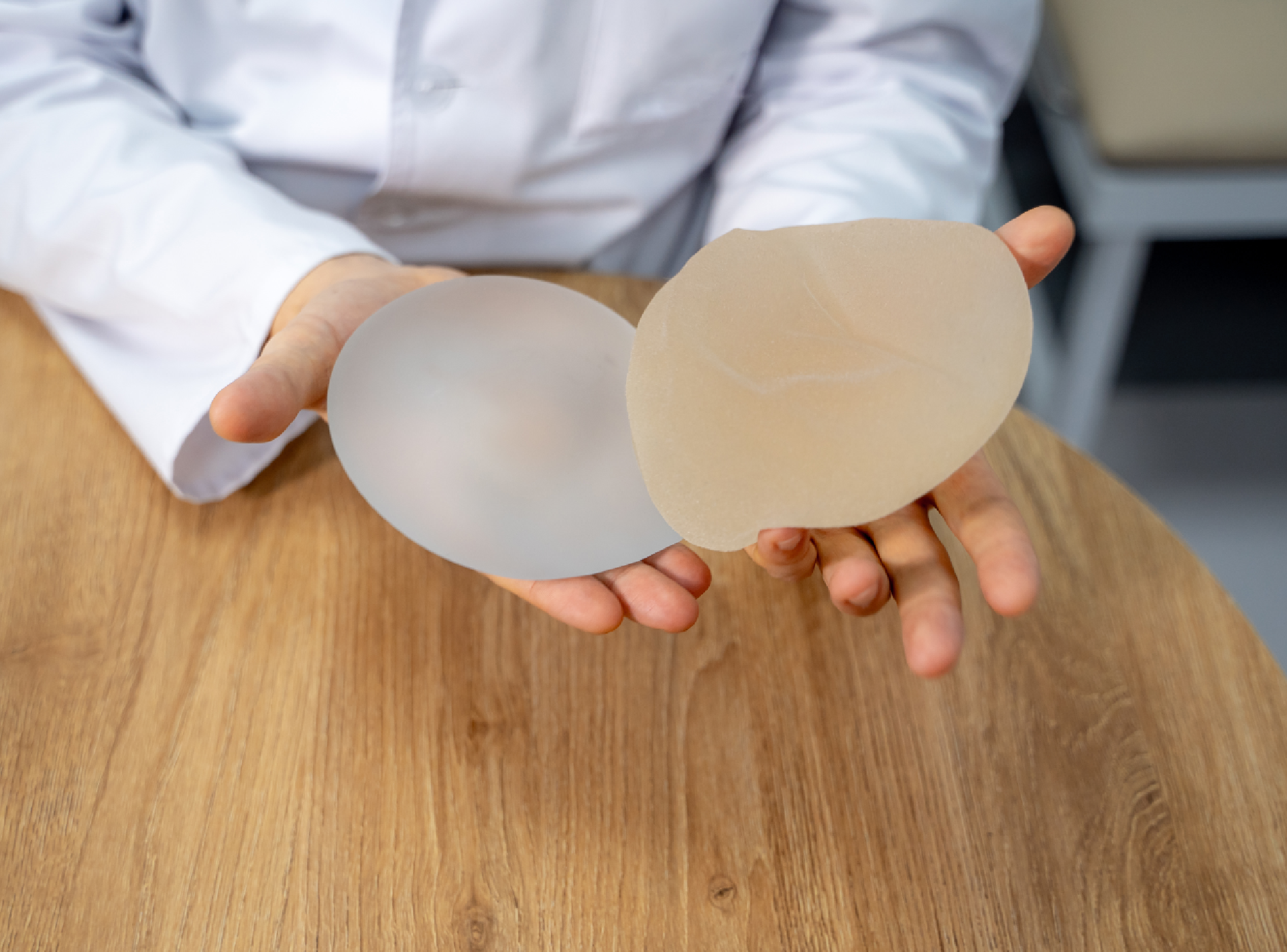
As more and more women get breast implants, choosing the proper one might be scary because there are so many choices. This full guide will provide you with all the information you need to make an informed choice that fits your needs and dreams.
Breast Implants In Dubai
Breast implants in Dubai are designed to increase breast size and enhance shape using silicone or saline implants. It helps individuals achieve fuller, more proportionate breasts while addressing concerns like volume loss, asymmetry, or personal aesthetic goals. The procedure is highly customizable, allowing patients to select the implant size, shape, and placement that best fits their body type and desired outcome. Breast implant surgery is performed by experienced plastic surgeons who use advanced techniques to ensure safety, natural-looking results, and long-term satisfaction. Comprehensive consultations and post-operative care contribute to a smooth recovery and help patients gain confidence and improve body harmony.
Silicone Implants: Achieving A Natural Look And Feel
Silicone gel implants are well-known for being able to mimic the look and feel of natural breast tissue. These implants include a silicone shell filled with cohesive silicone gel. If they break, the gel will stay inside the shell, which lowers the likelihood of fitness problems.
Advantages Of Silicone Implants:
- Natural Look: Silicone implants look and feel a lot like real breast tissue, which makes them seem and feel natural.
- Longevity: Silicone implants are known for being strong, so they don’t need as much protection over time as saline implants do.
Saline Implants: Offering Adjustability and Peace of Mind
Saline implants are unusual because they can be adjusted. They are made out of a silicone shell filled with a sterile saltwater solution. After surgery, the amount can be adjusted to account for male or female options or changes in lifestyle.
Advantages of Saline Implants:
- Adjustability: Saline implants let you change the volume after the surgery, giving you options for flexibility and customization.
- Safety: If the frame breaks, it can hold the saline solution without posing a risk to fitness.
Choosing the Right Implant: Shape and Size
When choosing the correct implant, there are more factors to consider than just the type of cloth. There are both spherical and teardrop-shaped options, and each has its own great benefits.
Round implants:
- Spread the amount out evenly to make it look fuller.
- Great for people who want more fullness and cleavage.
- It can be used in many ways and works for many body types.
Shaped Implants:
- Meant to replicate the natural slope of the breast, with more volume at the bottom,
- Great for people who want a more natural-looking augmentation with a defined shape.
- It is good for people who are thin or athletic.
Additional Considerations:
- Surgical Incisions: There are different types of surgical incisions, each with its own pros and cons.
- Recovery and Aftercare: Following the health practitioner’s recommendations and the post-operative care requirements are vital for a clean recovery.
- Lifestyle and Body Type: It’s important to make sure that your desire for an implant matches your intended outcome, way of life, and state of mind.
The Final Decision: Consulting A Qualified Professional
In the end, choosing a breast implant involves personal factors such as whether the person is male or female, their body type, and what they want to happen. Talking to a trained plastic surgeon is the greatest way to go over your alternatives, deal with your anxieties, and make a choice that fits your needs.
Breast Augmentation Incision Types
When getting breast implants, you have to make an important choice on the style of surgical incision. There are four main types of incisions, and each one has its own pros and cons:
Inframammary Incision:
Location:
- In the crease under the breast, where the breast tissue meets the wall of the chest.
Benefits:
- This is the most popular method and is sometimes called the “gold standard” for breast augmentation.
- Scarring that is less noticeable and diminishes with time.
- Gives good access for putting in and moving the implant.
- Works with both saline and silicone implants.
Issues:
- Scars are more visible, especially on people with lighter skin.
- The possibility of scars getting bigger over time.
- May not work with really big implants.
Periareolar Incision:
Location:
- The pigmented area around the nipple, which is the area around the areola.
Benefits:
- The scar is disguised well within the natural skin tone, which is a plus.
- Good for tiny implants.
- Lessens damage to breast tissue and milk ducts.
Issues:
- Not all types of implants work with this, especially textured implants.
- Limited access for putting in implants.
- There is a slight possibility of alterations in nipple sensitivity.
Transaxillary Incision:
Location:
- In the armpit.
Benefits:
- The breast doesn’t have any obvious scars.
- Great for women who are active and worried about scars.
- Works with both saline and silicone implants.
Issues:
- The procedure is harder from a technical point of view.
- There is a tiny chance that the nerves in the armpit could be hurt.
- Limited access for putting in an implant.
Transumbilical Incision:
Location:
- It was done through the belly button.
Benefits:
- The breast and chest do not show any scars.
- It works well for people with thin skin since it makes scars less obvious.
- Can be used for corrective surgery without making any new cuts in the breast.
Issues:
- Not offered everywhere and not as common.
- Difficult from a technical standpoint and needs a qualified surgeon.
- There is a greater chance of problems, like infection.
Choosing the Right Incision:
The best type of incision relies on several things, such as:
- The kind of cut depends on how big and shaped the breasts should be.
- Skin type and tone, as well as the fact that some cuts work better in some circumstances.
- Patient preferences, taking into account things like how visible the scars are and how the procedure works.
You need to talk to your plastic surgeon in depth about these types of cuts so you can make a choice that fits your needs and wants.
Breast Implant Surgery: Informed Decision-Making
It is important to know the risks and complications of breast implant surgery before you decide to have it. Even though most surgeries go well, it’s important to stay focused so you can make smart choices about your health.
Common Complications:
- Capsular contracture: This happens when scar tissue forms around the implant, causing pain and changes in the shape of the breast. This is the most common problem with breast implants.
- Rupture and deflation: Implants can break or deflate due to age, trauma, or problems with how they were made. This can lead to deflation, uneven breasts, and the need for more surgery.
- Infections: Infections can happen after surgery, but they are rare. They need antibiotics or the removal of the implant.
Additional Risks:
- Alterations in nipple and breast feeling (numbness, tingling, hypersensitivity)
- Anaplastic large cell lymphoma associated with breast implants (BIA-ALCL). Textured implants have been connected to this rare immune system malignancy.
- Squamous cell carcinoma (BIA-SCC) linked to breast implants. This rare type of skin cancer has also been linked to textured implants.
- Bleeding, scarring, unevenness, implant movement, and allergies
Considerations For Active Individuals:
For people who are active, it’s very important to choose the correct type and length of implant. Textured implants stick better and restrict movement during workouts, but they also have a higher risk of BIA-ALCL. Smooth implants are less dangerous than BIA-ALCL, but they can shift and twist, which can be irritating. Here are some really fantastic options for people that are active:
- Gummy endures implants: These keep their shape, look like herbs, and don’t move about much.
- Round implants with too much profile: These make the top pole stick out more, which lowers the probability of “bottoming out” while moving.
- Dual-aircraft approach: This method puts the implant partly behind the chest muscle, which gives it better support and stability.
Age Considerations:
There are no strict age limits for breast augmentation, but there are several things to think about for younger and older people:
Younger Patients:
- Incomplete breast improvement: As the breasts grow, this can modify the length and form of the implants.
- Higher risk of capsular contracture: Younger patients have a stronger immunological response, which raises the chance of scar tissue forming.
Older Patients:
- Less flexibility in the skin and pores: This might lead to implant ptosis (drooping) or changes in the form of the breasts over time.
- Underlying health conditions: Some health problems can also make surgery more dangerous.
Making Informed Choices:
You should talk to your doctor about these things. They may look at your situation as a man or woman and suggest the best way to move forward to get the outcomes you want while keeping dangers to a minimum.
BOOK AN APPOINTMENT TODAY
Breast Implants: Characteristics, Complications, And Considerations
What Are The Key Characteristics Of Breast Implants?
- Saline implants: Filled with sterile saline solution, which makes them feel firmer and more even.
- Silicone gel implants: Filled with silicone gel, which makes them feel softer and more natural.
You can get both types in different forms and sizes to fit your needs and tastes.
What Are The Acute Complications Associated With Breast Implants?
Acute problems happen in the first several weeks after surgery and include:
- Pain: Managed with drugs.
- Swelling: It usually goes down after a few weeks.
- Bleeding: Usually not very bad, and the surgeon takes care of it.
- Infection: Antibiotics are used to treat infections.
- Hematoma: A buildup of blood under the skin that may need to be drained.
- Implant rupture: Uncommon but may require replacement.
What Are The Chronic Complications Of Breast Implants?
Long-term problems that happen months or years after surgery include:
- Capsular contracture: The scar tissue around the implant hardens, making the breasts uncomfortable and misshapen.
- Implant malposition: The implant moves, and surgery is needed to fix it.
- Silicone leakage: This is rare in modern silicone implants, but it can cause local symptoms or require removal.
- Anaplastic large cell lymphoma (ALCL): A rare cancer linked to textured implants that necessitates removal and treatment.
What Are Important Considerations Regarding Breast Implant-Associated ALCL?
- ALCL is a rare but serious problem that can happen.
- Compared to smooth implants, textured implants have a higher risk.
- It is very important to find and treat problems early.
- It’s important to see your plastic surgeon on a regular basis.
What Are Breast Cancer Screening Considerations For Patients With Breast Implants?
- Mammography is still the main way to check for breast cancer.
- Implants may need more pictures or ultrasounds to make sure they are fully visible.
- Tell your radiologist about your implants so they can get the best pictures.
What Impact Do Breast Implants Have On Breastfeeding?
Impact of breast implants on breastfeeding
- Some women with implants can breastfeed, but it depends on where the implants are and what type they are.
- It is very important to see a lactation consultant early on.
- Some women may have trouble latching on or making less milk.
Is Preprocedural Antibiotic Prophylaxis Necessary For Patients With Breast Implants?
- The most recent advice is not to give prophylactic antibiotics before implant surgery regularly.
- Antibiotics may be needed in some cases where there are certain risk factors.
- Talk to your surgeon about the best way to go about it for you.
What Are The Symptoms Of Breast Implant Illness (BII)?
Symptoms of Breast Implant Illness (BII)
- BII symptoms are not specific and can be different for each person.
- Common signs are tiredness, joint pain, muscle pain, problems with thinking, and skin rashes.
- Even though there is no proof that BII and implants are related, it is important to be aware of this.
- If you have symptoms that don’t go away after implant surgery, see your doctor.
What Are The Indications For Implant Removal?
Indications For Implant Removal
- Implant breakage or leaking.
- Capsular contracture can make you uncomfortable or change how you look.
- Pain or discomfort that doesn’t go away.
- The wish to change size or look.
- Diagnosis of ALCL.
MEET THE EXPERT DOCTOR
Best Plastic Surgeon In Dubai For Breast Implants
Best Plastic Surgeon In Dubai for breast implants is available at the Perfect Doctors Clinic, led by the well-known Dr. Perfect Celebrity. His name is known for being the best, most precise, and most beautiful. Dr. Perfect Celebrity is known for his refined surgical style, which combines advanced medical knowledge with an artistic eye to create breast implants that look natural, balanced, and perfectly proportioned. Before recommending the best implant type, size, and placement for each patient, Dr. Perfect Celebrity carefully looks at their body structure, lifestyle, and personal goals during a thorough consultation. This is the first step in every breast augmentation procedure at the Perfect Doctors Clinic. The clinic puts patient safety, minimal scarring, and long-term results first by using high-quality implants and the latest surgical methods.