





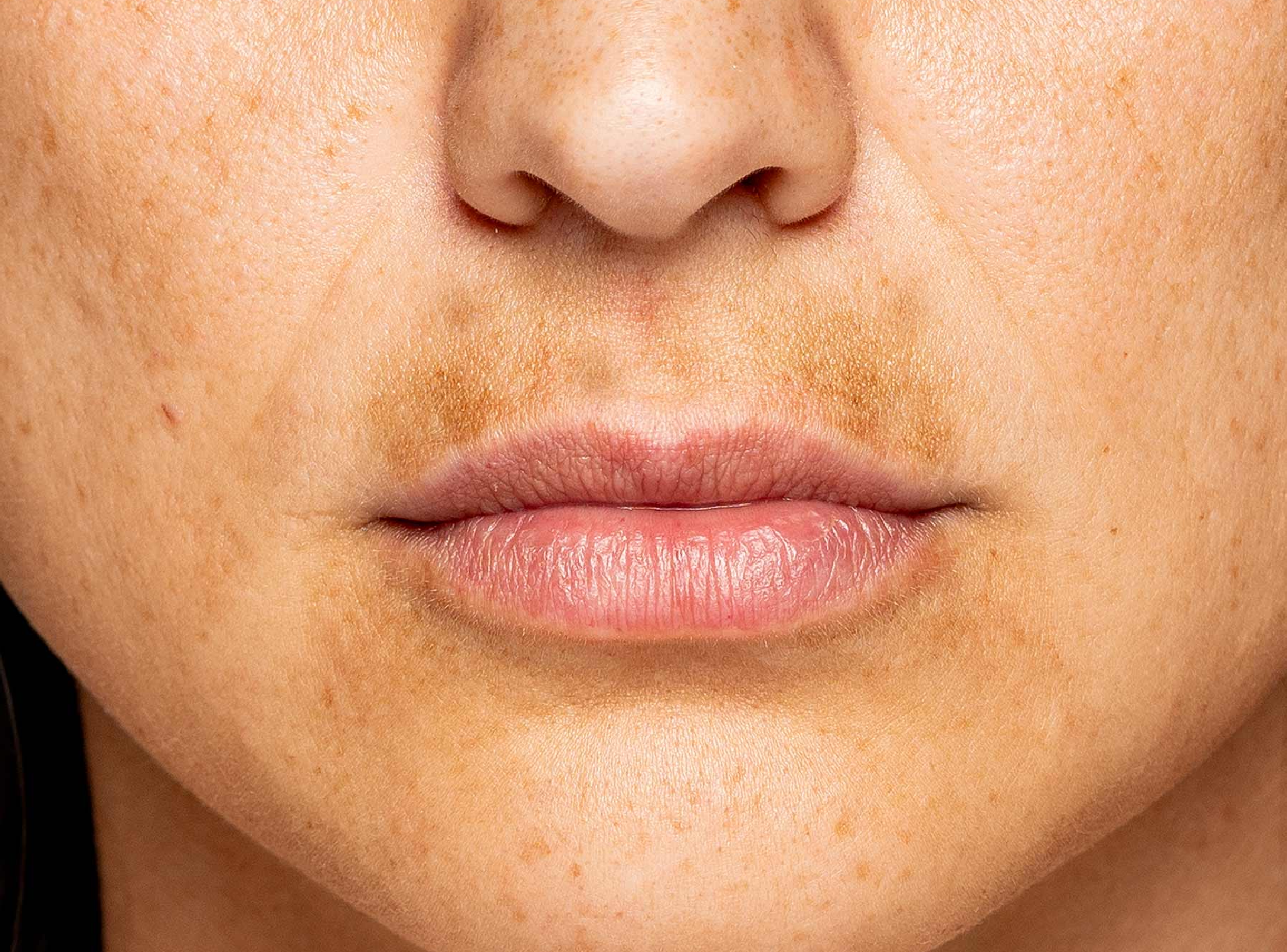
Melasma is a common skin condition that causes dark, uneven patches on the face, usually triggered by sun exposure, hormones, and genetics. It often appears on the cheeks, forehead, nose, and upper lip, making it a cosmetic concern for many people. Because melasma develops deep within the skin, it cannot be treated effectively with ordinary creams alone. Modern dermatology offers advanced solutions to lighten pigmentation and improve overall skin tone. With the right treatment plan and proper sun protection, melasma can be managed successfully for clearer, brighter skin.
Melasma Treatment In Dubai
Melasma Treatment in Dubai offers advanced aesthetic solutions to reduce dark patches and uneven skin tone caused by hormonal changes, sun exposure, or genetic factors. This may include laser therapy, chemical peels, microneedling, medical-grade skincare, and pigment-correcting therapies, customized according to skin type and melasma severity. Dubai clinics create personalized treatment plans to safely target excess pigmentation, improve skin clarity, and achieve long-lasting, natural-looking results with minimal downtime. With consistent follow-up care and professional guidance, patients can maintain brighter, healthier-looking skin, prevent recurrence, and enjoy a smoother, more radiant complexion over time.
What Is Melasma?
Melasma is a common skin condition that looks like flat, dark brown or blue-to-gray patches on the skin, usually on the face, neck, and hands. Melasma is linked to other health problems, like hormone imbalances and thyroid issues. People with darker skin tones are more likely to have it. Melasma isn’t a dangerous skin condition, but it can be a cosmetic problem for a lot of people.
How Does Melasma Occur?
Melasma happens when the skin makes too much melanin, which is the pigment that gives skin its color. The melanocytes become overactive because of several things that set them off. This causes excessive levels of melanin to build up in the skin, which will seem like dark spots.
Types Of Melasma
Melasma is usually divided into three groups based on how deep the pigmentation is. These are the types:
- Epidermal Melasma: This is a form of melasma that shows up as dark spots or extra melanin in the top layers of the skin.
- Dermal Melasma: This type of melasma affects the deeper layers of the skin by generating too much melanin pigment.
- Mixed Melasma: This variety has both epidermal and dermal forms.
Causes Of Melasma
We still don’t know what causes melasma. But the following things can make melanocytes work too hard, which leads to the formation of too much melanin:
- Sun exposure: When you spend too much time in the sun, the UV rays from the sun make melanocytes work too hard, which makes melanin pigments.
- Hormonal Changes: Changes in hormones, such as during pregnancy, endocrine diseases, and hormonal replacement therapy are closely associated with melasma.
- Genetics: If someone in your family has melasma, you are more likely to get it yourself.
- Skin Type: People with darker skin have more melanocytes in their skin, which can lead to the formation of colors.
Symptoms And Signs Of Melasma
Melasma is a long-term disorder that gets worse over time. These are the indications and symptoms of melasma:
- Dark or brown spots on frequent locations like the forehead, upper lip, and cheeks.
- The patches have a symmetrical pattern and clear edges.
- The dark spot is the only evidence of irritation.
- Usually increases slowly and may become evident with time.
Treatment For Melasma
Medical Procedures
There are a lot of treatments and procedures available nowadays that can help us get rid of and lighten pigment. There are many ways to treat melasma at Perfect Doctors Clinic. These are:
- Pico Laser: Pico laser sends very short pulses of energy to the skin in picoseconds (trillionths of a second). This quick supply of energy breaks up pigment particles without raising the temperature of nearby tissues too much. Picosecond lasers work well for treating hyperpigmentation, including resistant pigmented lesions like melasma, with little downtime and danger of adverse effects.
- MOXI: MOXI is a type of laser that doesn’t remove skin but instead targets pigmentation problems and the overall texture of the skin. It sends laser light in a fractional pattern, which makes tiny wounds in the skin to encourage collagen formation and skin rejuvenation. MOXI can help with hyperpigmentation, such as melasma, as well as improve the color, texture, and overall look of the skin.
- Erbium Glass Laser: Erbium Glass lasers send out wavelengths that the skin’s water absorbs, which damages the top layers in a regulated way. This helps the skin make more collagen and rejuvenate itself. Erbium glass lasers can help with hyperpigmentation, such as melasma, by targeting extra pigment and encouraging the skin to heal itself.
- Fractional Laser: Fractional lasers make very small treatment areas in the skin while leaving the rest of the skin alone. Compared to regular laser resurfacing, this speeds up healing and cuts down on downtime. Fractional lasers can help with hyperpigmentation by breaking down extra melanin and encouraging collagen remodeling. This makes them useful for treating disorders like melasma.
- Innovyal Lightening Action: It is a unique blend of hyaluronic acid, tranexamic acid, and niacinamide (vitamin B3) that is meant to lighten skin that has darkened due to aging, sun exposure, acne scars, or hormonal changes.
BOOK AN APPOINTMENT TODAY
Natural And Home Remedies
It can be hard to treat melasma at home, but there are certain steps you can take and over-the-counter medicines that might help. Here are some ways to treat it at home:
Topical Treatments
- Hydroquinone Cream: Perfect Doctors Clinic cream with hydroquinone can help lighten black spots.
- Retinoids: These are forms of vitamin A that can help cells turn over and lighten skin. Tretinoin and other prescription-strength retinoids work better than those you may buy without a prescription
- Azelaic Acid: This can help lessen inflammation and dark spots.
- Vitamin C: Serums with vitamin C can help lighten dark spots and make your skin feel smoother.
- Niacinamide: This type of vitamin B3 can help lighten skin and make the skin barrier work better.
These home remedies will help, but melasma can be hard to get rid of, so you may need to see a doctor for more serious care.
Benefits Of Melasma Treatment
Melasma is not a dangerous skin condition, but it is a long-term skin problem that can be a cosmetic issue for many people. Melasma treatments aim to diminish pigments by regulating melanocytes and inhibiting the proliferation of pigmentation. A mix of expert therapies and treatments for the underlying causes can help people with melasma.
Another important benefit is the prevention of further darkening and spreading of melasma. Professional treatments combined with proper sun protection and medical-grade skincare help stabilize melanocyte activity, which reduces the chances of pigmentation returning or becoming worse. This makes long-term skin management easier and more effective.
Melasma treatment also supports better skin health. Procedures such as chemical peels, laser therapy, and medical facials not only target pigmentation but also stimulate collagen production and skin renewal. This leads to improved texture, reduced dullness, and a more refreshed look.
Diagnosis Of Melasma:
Our skilled dermatologists may look at your skin issues in the following ways to find out if you have melasma:
- Looking at your skin to see if you have melasma
- Look at your medical history and how long you’ve been in the sun.
- Use a wood’s lamp or some other specific light to check pigmentation.
- In very rare circumstances, a biopsy might be done.
Why Do Women Get Melasma When They’re Pregnant?
Hormonal changes during pregnancy affect the activity of melanocytes.
Is Melasma Painful?
Melasma is not a painful skin ailment, and it doesn’t cause any other skin problems other than the dark patches with clear edges and even spacing.
How To Prevent Melasma From Developing?
You may stop melasma from happening by staying away from things that cause it, such as being in the sun, not taking care of your skin, and being stressed.
Melasma Treatment Cost
The cost of melasma therapy in Dubai is 450 AED per session, depending on the type of treatment and the needs of the skin. The cost changes depending on things including the type of surgery, how bad the infection is, the equipment used, the prescriptions prescribed, the popularity of the hospital, the patient’s health, the doctor’s experience, and any other procedures that may be needed.
MEET THE EXPERT DOCTOR
Best Aesthetic Clinic In Dubai For Melasma Treatment
Best Aesthetic Clinic in Dubai for melasma treatment provides expert-led pigmentation treatments using advanced technology and tailored protocols. Clinics begin with a detailed skin assessment to identify melasma depth and triggers before selecting the most effective approach. Experienced specialists ensure safe application, precise treatment, and optimal outcomes. Patients receive comprehensive aftercare guidance and follow-up support to maintain clearer, more even-toned skin.
Conclusion
Knowing what causes and patterns an individual to have an illness will help you make a treatment plan that works and manage the condition better. To manage pigmentation well, you should limit your time in the sun, use broad-spectrum sunscreens, and use topical treatments like hydroquinone or retinoids. A dermatologist may suggest procedures like chemical peels or laser treatments in some situations.