





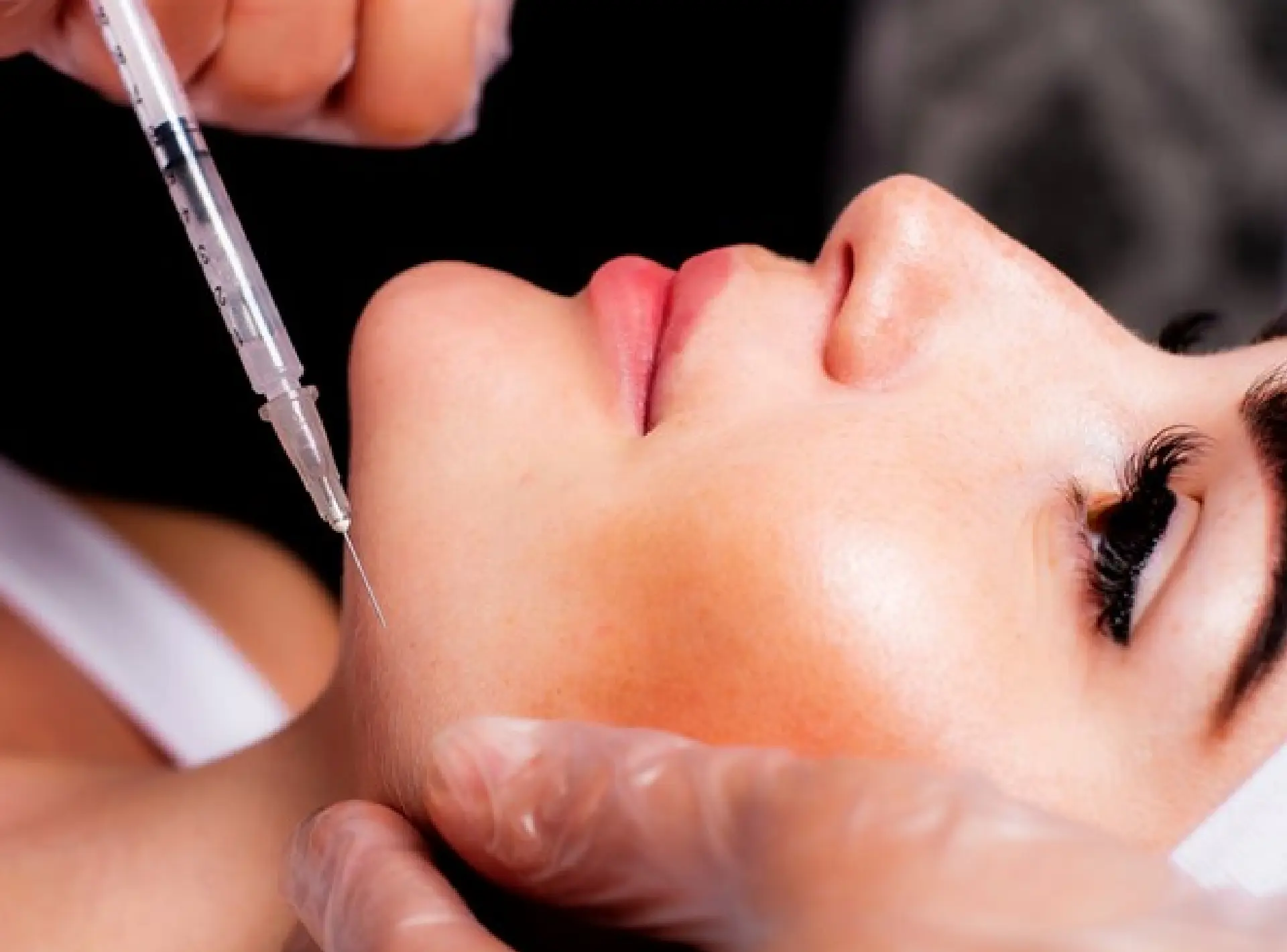
The “4-hour rule” may be familiar to you if you’re new to Botox or are thinking about getting it for the first time. This guideline is an important part of getting the best results from your Botox treatment — and avoiding any unwanted side effects.
Botox in Dubai
Botox in Dubai is a cosmetic treatment that reduces fine lines and wrinkles on the face caused by repeated muscle movements like frowning, smiling, and furrowing the brows. Prevention is always the best cure. Botox can help to delay or reduce the appearance of wrinkles and deep lines on your face.
Understanding The 4-Hour Rule
The 4-hour rule for Botox refers to the recommendation that you remain upright and avoid lying down for at least four hours after your injection. This prohibits lying flat, napping, and excessive forward bending.
Why? Because Botox needs time to settle into the targeted muscles. There is a slight chance that the Botox will move from the injection site if you lie down too soon, which could lessen its effectiveness or result in adverse effects like temporary drooping in surrounding areas.
What You Should Avoid In The First 4 Hours After Botox
During the first four hours of your treatment, adhere to these post-care recommendations to get the most out of it:
- Remain upright
- Choose to walk, stand, or sit; do not lie down.
- Skip the gym – Avoid strenuous exercise that increases blood flow to the face.
- Avoid massaging or rubbing the treated areas as this may cause the Botox to spread.
- Postpone skincare or facials. Don’t start your skincare regimen again until the following day.
How The 4-Hour Rule Improves Your Results
By following this simple rule, you allow the Botox to properly bind to the nerve endings in the targeted muscles. This ensures your results last longer, look more natural, and work exactly where intended.
Why Is Adhering To The 4-Hour Upright Rule So Crucial Post-Injection?
The “four-hour upright rule” is one of the most revered Botox aftercare commandments, and for good reasons. It’s a simple directive with serious consequences for the outcome of your treatment. So, what does it entail? According to the rule, you should remain upright for at least four hours after receiving Botox injections. This means no lying flat, whether for a nap on the couch or an early night. It also means avoiding activities that require you to bend forward excessively or position your head below your heart for an extended period of time. Consider activities such as tying your shoelaces (do it carefully or have someone else do it!), picking up dropped items from the floor (bend at the knees, not the waist, if absolutely necessary), certain yoga positions (downward dog is definitely out), or even long periods of looking down at your phone or laptop with your head heavily flexed. While a slight tilt of the head is acceptable, it is important to avoid significant or sustained inversion or horizontal positioning. Some practitioners may even recommend a slightly longer period, possibly up to six hours, so always confirm this with your provider.
The science behind this rule is primarily focused on preventing Botox migration. When Botox is injected, it targets specific muscles. In the first few hours, before it fully binds to the nerve receptors it’s targeting, it’s more susceptible to gravity and pressure. If you lie down or bend over frequently, gravity may encourage the solution to follow fascial planes or diffuse into nearby, unintended muscles. The most common example of such unwanted migration is ptosis, also known as droopy eyelids. This can happen if Botox is injected into the forehead muscles (such as the frontalis) or the glabellar complex (the “elevens” between the brows) seeps down into the levator palpebrae superioris muscle, which lifts the upper eyelid. What was the result? A heavy, sleepy-looking eyelid that can take weeks or even months to heal as the Botox wears off. By remaining upright, you allow gravity to work with you, keeping the Botox localized in the targeted areas as it begins the critical process of binding to muscle receptors. Taking a nap, receiving a massage that requires you to lie flat, extensive gardening or housework that requires bending, and, as previously stated, certain exercise postures are all activities to avoid during this four-hour window. It’s a small time commitment for a significantly lower risk of complications.
Should You Avoid Touching, Massaging, Or Making Excessive Facial Movements After Botox?
Once those tiny needles have delivered their powerful cargo, the golden rule is simple: hands off! It may seem natural to want to “rub it in” or check the area, but resist this temptation with all your might, especially within the first day to second day. Your practitioner has meticulously placed the Botox in precise locations to achieve the desired aesthetic result. Any excessive rubbing, massaging, or firm pressure applied to the treated zones runs the risk of physically displacing the product. Consider a delicate watercolour painting before it dries; a careless smudge can undo the artist’s intention. When you massage an area where Botox has been injected, you are effectively encouraging it to spread beyond the targeted muscle fibers. This can result in Botox affecting adjacent muscles that you do not want relaxed, potentially causing asymmetry, unwanted weakness in nearby expressions, or, as previously discussed, issues such as eyelid or brow drooping if the product migrates downwards from forehead or glabellar treatments. Even actions like wearing tight-fitting hats, headbands, or goggles that press firmly on treated areas should be avoided during the initial phase.
The risk of spreading is greatest in the first few hours and days after the Botox has completely bound to the nerve endings. This binding process is critical to the drug’s efficacy and localization. Physical manipulation can disrupt the delicate settling-in period. So, what about facial movements? This is where some nuance comes in. While you should definitely avoid exaggerated or forceful facial expressions (no dramatic gasping, over-the-top frowning, or excessive face-scrunching contests for the first day or so), gentle, normal facial movements are generally considered fine and, in some cases, even encouraged. Light, natural movements, such as gently smiling or raising your brows (if not in the target area), may help the Botox be absorbed by the targeted muscles. However, the operative word here is “gentle.” The goal is to avoid any movement that puts undue strain or pressure on the injection sites, or that requires vigorous contraction of muscles adjacent to the treated ones. It’s a delicate balance: live your life, but maybe put off your audition for a mime troupe or practice your most dramatic surprised face in the mirror for a day or two. Your face will thank you for your gentle consideration.
BOOK AN APPOINTMENT TODAY
When Should You Contact Your Doctor About Post-Botox Concerns or Complications?
While Botox is widely regarded as a safe procedure with a low risk of serious complications, particularly when administered by a qualified and experienced medical professional, it is critical to listen to your body and recognize when a post-treatment symptom requires more than just a watchful eye. Understanding the distinction between normal, expected side effects and those that indicate something more serious is critical. Many people are used to experiencing common, mild, and temporary side effects. These can include minor redness, pinpoint bruising, small bumps, or tenderness around the injection sites. Some people may experience a mild headache, especially after forehead injections, which usually goes away within a day or two with simple pain medication. These are usually not a cause for concern and resolve themselves. However, your vigilance should not stop there. There are certain signs and symptoms that require an immediate call to your healthcare provider.
These red-flag symptoms include, but are not limited to, any signs of an impending allergic reaction, such as hives, rash, itching, difficulty breathing, or swelling of the face, lips, tongue, or throat, which necessitate prompt medical attention. Significant or widespread bruising or swelling that appears to worsen over time rather than improve should be reported. The development of muscle weakness in areas that were not intended to be treated, such as a droopy eyelid (ptosis), a crooked smile, or difficulty with facial expressions other than the targeted relaxation, is a clear indication to contact your doctor. While more serious complications are uncommon, they may include difficulty swallowing (dysphagia), speaking, or breathing, vision changes (such as double vision or blurred vision), or signs of a localized infection at an injection site. Any of these require prompt medical attention. Even if you are unsure or anxious about something you are experiencing after treatment, it is always best to err on the side of caution and contact your provider. They can reassure, assess the situation, and provide guidance or intervention as needed. Prompt action can make all the difference in effectively addressing any potential issues.
What Are The Key Aftercare Guidelines For The First 4-6 Hours Post-Treatment?
The first four to six hours after Botox injections are arguably the most important window for influencing the product’s initial settling. Consider this period to be your treatment’s “setting spray” moment; what you do or do not do can help lock things in place beautifully. The upright rule is the absolute headline act in the immediate aftermath. As previously stated, remaining vertical and avoiding any significant bending or lying down is critical to preventing gravity from directing the Botox into nearby, unintended muscles. So, plan your afternoon accordingly: no power naps on the couch, no enthusiastic floor-cleaning sessions, and certainly no yoga inversions. Imagine yourself as a regal monarch, surveying your domain from an upright throne; a little gentle movement is fine, but keep that dignified posture.
Aside from maintaining your vertical advantage, another important directive for these early hours is a strict “hands-off” policy for the treated areas. Resist the urge to touch, rub, poke, or massage the injection sites. Your practitioner has precisely placed the Botox, and any physical manipulation may displace it before it has a chance to bind effectively to the target nerve receptors. Even seemingly innocuous actions, such as resting your chin in your hand or vigorously towelling your face, should be avoided if the affected areas have been treated. Furthermore, avoid strenuous activity. This is not the time to hit the gym for a high-intensity interval workout or go for a long, strenuous run. Increased blood flow and muscular contractions caused by vigorous exercise can not only increase the risk of bruising and swelling, but also theoretically increase the likelihood of Botox migrating. Gentle walking is generally acceptable, but anything that raises your heart rate significantly or requires straining should be avoided. These immediate actions are all about promoting stability, allowing the Botox to begin its work without interruption, and laying the groundwork for the best possible result.
MEET THE EXPERT DOCTOR
Best Aesthetic Clinic In Dubai For Botox
Best Aesthetic Clinic in Dubai for Botox is Perfect Doctors Clinic, which provides specialized treatments to help slim and contour the legs for a more elegant appearance. Their experts use advanced techniques and FDA-approved Botox to safely relax overactive calf muscles, resulting in a leaner, more balanced appearance. The procedure is minimally invasive, produces natural-looking results, and has little to no downtime.
Refresh Your Look At Perfect Doctors Clinic
In addition to providing skilled Botox procedures with meticulous attention to detail, we at Perfect Doctors Clinic in Dubai, will also guide you through the entire aftercare process, including the four-hour rule. Your comfort, safety, and lovely outcomes are guaranteed by our skilled providers.
Make your Botox appointment with Perfect Doctors Clinic right now if you’re prepared to eliminate fine lines and revitalize your look. Give us a chance to make you look your best, and you’ll love the outcome.